
The advanced undersea surveillance system represents a significant leap in maritime technology, designed to monitor and protect the vast and often uncharted territories beneath the ocean’s surface. As nations increasingly recognize the strategic importance of their maritime domains, these sophisticated systems have become essential tools for gathering intelligence, ensuring national security, and safeguarding marine resources. The complexity of underwater environments necessitates innovative solutions that can operate effectively in challenging conditions, making the development of such systems a priority for many countries.
These advanced systems utilize a combination of sonar technology, autonomous underwater vehicles (AUVs), and advanced data analytics to provide real-time information about underwater activities. By integrating various technologies, these systems can detect submarines, monitor marine life, and even assess environmental changes. The implications of such capabilities extend beyond military applications, influencing areas such as environmental conservation and resource management.
As the world becomes more interconnected, the role of undersea surveillance systems in maintaining global security and stability cannot be overstated.
Key Takeaways
- Advanced undersea surveillance systems are critical for monitoring underwater activities and ensuring national security.
- These systems have evolved significantly, incorporating sophisticated sensors and communication technologies.
- They play a vital role in military operations, environmental research, and international security cooperation.
- Despite their advantages, undersea surveillance systems face limitations such as environmental impact and technical challenges.
- Future innovations aim to enhance detection capabilities while addressing ethical and legal concerns.
History and Development of Undersea Surveillance Technology
The journey of undersea surveillance technology began in earnest during World War I, when nations first recognized the strategic advantages of monitoring underwater activities. Early efforts primarily focused on the development of rudimentary sonar systems, which allowed for the detection of enemy submarines. As technology progressed through the decades, particularly during World War II and the Cold War, advancements in sonar capabilities and underwater acoustics became pivotal in naval warfare.
The post-war era saw a surge in research and development aimed at enhancing undersea surveillance capabilities. The introduction of digital technology in the late 20th century revolutionized data processing and analysis, enabling more sophisticated interpretations of sonar data. The advent of AUVs in the 1990s marked another significant milestone, allowing for autonomous exploration of underwater environments without the need for human intervention.
This evolution has led to the current state of advanced undersea surveillance systems, which are now equipped with cutting-edge technologies such as machine learning algorithms and real-time data transmission capabilities.
Components and Features of Advanced Undersea Surveillance System
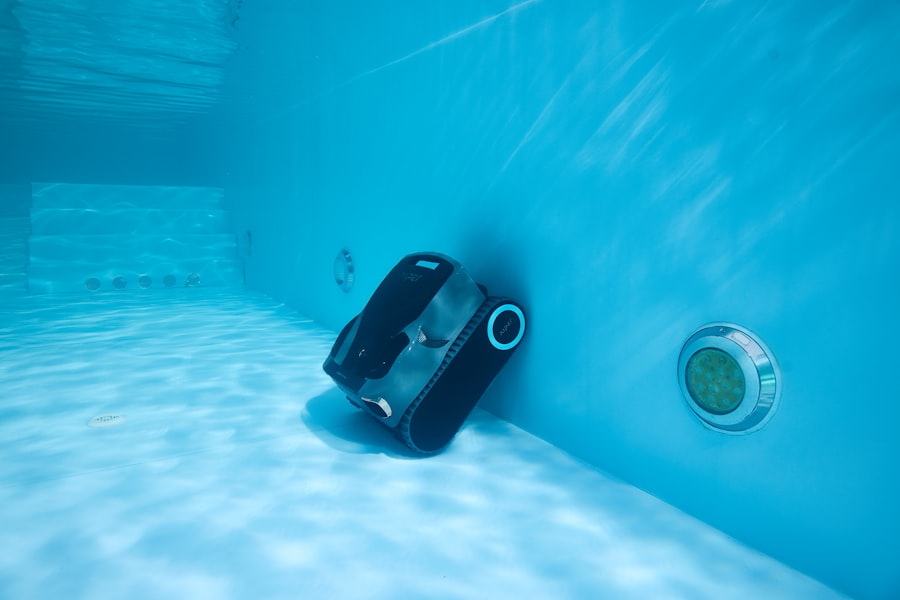
An advanced undersea surveillance system comprises several key components that work in concert to achieve comprehensive monitoring capabilities. At its core lies an array of sonar systems, which can include both active and passive sonar technologies. Active sonar emits sound waves and analyzes their echoes to detect objects, while passive sonar listens for sounds generated by submarines or marine life.
This dual approach enhances detection accuracy and provides a clearer picture of underwater activities. In addition to sonar technology, AUVs play a crucial role in modern undersea surveillance. These unmanned vehicles can be deployed for extended periods, collecting data from various depths and locations without risking human lives.
Equipped with advanced sensors and imaging systems, AUVs can gather information on underwater topography, marine ecosystems, and potential threats. Furthermore, data analytics platforms are integral to processing the vast amounts of information collected by these systems, allowing for real-time decision-making and strategic planning.
Importance of Undersea Surveillance for National Security
Undersea surveillance is increasingly recognized as a cornerstone of national security strategies for many countries. The oceans cover more than 70% of the Earth’s surface, making them critical arenas for military operations, resource exploration, and environmental protection. By employing advanced undersea surveillance systems, nations can monitor potential threats from adversaries, safeguard their maritime borders, and ensure the safety of vital shipping lanes.
Moreover, undersea surveillance plays a pivotal role in countering illegal activities such as smuggling and piracy. By maintaining a vigilant watch over their territorial waters, countries can deter criminal enterprises that threaten both national security and economic stability. The ability to detect unauthorized vessels or submarines enhances a nation’s capacity to respond swiftly to emerging threats, thereby reinforcing its sovereignty over maritime territories.
Advantages and Limitations of Advanced Undersea Surveillance System
| Metric | Description | Typical Value | Unit |
|---|---|---|---|
| Detection Range | Maximum distance at which the system can detect underwater objects | 10-50 | kilometers |
| Frequency Band | Operating frequency range of sonar sensors | 1-100 | kHz |
| Array Size | Number of hydrophone elements in the sensor array | 32-256 | elements |
| Data Transmission Rate | Speed of data transfer from sensors to processing units | 10-1000 | Mbps |
| Power Consumption | Energy usage of the surveillance system | 50-500 | Watts |
| Operational Depth | Maximum depth at which the system can operate effectively | 500-6000 | meters |
| Signal Processing Latency | Time delay between signal reception and output | 10-100 | milliseconds |
| Detection Probability | Likelihood of correctly detecting an underwater target | 85-99 | percent |
| False Alarm Rate | Frequency of false detections per hour | 0.1-5 | alarms/hour |
The advantages of advanced undersea surveillance systems are manifold. One of the most significant benefits is their ability to provide continuous monitoring of vast oceanic areas that would otherwise be difficult to patrol effectively. This capability allows for early detection of potential threats and facilitates timely responses to incidents.
Additionally, these systems can operate in harsh underwater environments where human presence is impractical or dangerous, thereby reducing risks to personnel. However, despite their numerous advantages, advanced undersea surveillance systems also face limitations. The complexity of underwater acoustics can lead to challenges in accurately interpreting sonar data, particularly in areas with high levels of background noise or complex geological formations.
As technology continues to evolve, addressing these limitations will be crucial for maximizing the effectiveness of undersea surveillance efforts.
Applications of Undersea Surveillance in Military Operations
In military operations, advanced undersea surveillance systems serve multiple critical functions. They are instrumental in anti-submarine warfare (ASW), where detecting and tracking enemy submarines is paramount. By employing sophisticated sonar technologies and AUVs, navies can gain a tactical advantage over adversaries by identifying submarine movements and intentions before they pose a threat.
Additionally, these systems are vital for intelligence gathering and reconnaissance missions. By monitoring underwater communications and movements, military forces can obtain valuable insights into enemy capabilities and strategies. This information is essential for planning operations and ensuring that military assets are deployed effectively.
The integration of undersea surveillance into broader military strategies enhances overall operational readiness and contributes to national defense objectives.
Environmental Monitoring and Research with Undersea Surveillance
Beyond military applications, advanced undersea surveillance systems play a crucial role in environmental monitoring and research. As climate change continues to impact marine ecosystems, these systems provide valuable data on oceanographic conditions, such as temperature fluctuations, salinity levels, and currents. This information is essential for understanding how climate change affects marine life and ecosystems.
Moreover, undersea surveillance technologies facilitate research on biodiversity and habitat conservation. By monitoring marine species and their habitats, scientists can assess the health of ecosystems and identify areas that require protection or restoration efforts. The ability to gather data from remote or difficult-to-access locations enables researchers to conduct comprehensive studies that contribute to global conservation initiatives.
International Cooperation in Undersea Surveillance Efforts
The complexities of global maritime security necessitate international cooperation in undersea surveillance efforts. Many nations recognize that threats such as piracy, smuggling, and illegal fishing transcend borders and require collaborative approaches to address effectively. Joint exercises and information-sharing agreements among allied nations enhance collective capabilities in monitoring maritime activities.
Furthermore, international organizations play a vital role in fostering cooperation on undersea surveillance initiatives. Collaborative research projects aimed at understanding ocean health or addressing shared security concerns exemplify how nations can work together to achieve common goals. By pooling resources and expertise, countries can enhance their undersea surveillance capabilities while promoting stability in international waters.
Future Trends and Innovations in Undersea Surveillance Technology
As technology continues to advance at an unprecedented pace, the future of undersea surveillance holds exciting possibilities. Innovations such as artificial intelligence (AI) are poised to revolutionize data analysis processes, enabling faster and more accurate interpretations of sonar data. Machine learning algorithms can identify patterns in vast datasets that would be impossible for human analysts to discern alone.
Additionally, advancements in sensor technology will likely enhance the capabilities of AUVs and other monitoring devices. Miniaturization of sensors will allow for more compact designs without sacrificing performance, enabling deployment in a wider range of environments. The integration of satellite communication technologies will also facilitate real-time data transmission from remote underwater locations to command centers on land or at sea.
Ethical and Legal Considerations in Undersea Surveillance
The deployment of advanced undersea surveillance systems raises important ethical and legal considerations that must be addressed as technology evolves. Issues related to privacy rights arise when monitoring activities occur near coastal regions or within exclusive economic zones (EEZs). Striking a balance between national security interests and respecting the rights of individuals is crucial in developing policies governing undersea surveillance operations.
Moreover, international law plays a significant role in regulating undersea surveillance activities. Treaties such as the United Nations Convention on the Law of the Sea (UNCLOS) establish guidelines for maritime conduct and resource management. Ensuring compliance with these legal frameworks is essential for maintaining peaceful relations among nations while pursuing legitimate security objectives.
The Role of Advanced Undersea Surveillance System in Global Security
In conclusion, advanced undersea surveillance systems are integral to contemporary global security strategies.
As nations continue to invest in these technologies, they enhance their ability to protect maritime interests while contributing to broader goals such as environmental conservation.
The future of undersea surveillance promises further innovations that will improve detection capabilities and data analysis processes. However, it is imperative that ethical considerations guide the development and deployment of these systems to ensure that they serve not only national security interests but also respect international laws and individual rights. Ultimately, advanced undersea surveillance systems will play a pivotal role in shaping the security landscape of the 21st century as nations navigate the complexities of an interconnected world.
The development of advanced undersea surveillance systems has become increasingly crucial for national security and environmental monitoring. For a deeper understanding of the implications and technologies involved in these systems, you can read a related article on this topic at this link. This article explores the latest innovations and strategic importance of undersea surveillance in contemporary defense operations.
FAQs
What is an undersea surveillance system?
An undersea surveillance system is a network of sensors and equipment deployed underwater to monitor and detect activities such as submarine movements, underwater vehicles, and marine life. These systems are used for military, scientific, and environmental purposes.
How do undersea surveillance systems work?
Undersea surveillance systems typically use sonar technology, which emits sound waves and listens for echoes to detect objects underwater. They may also use hydrophones to pick up acoustic signals and other sensors to monitor underwater conditions.
What are the main components of an undersea surveillance system?
The main components include sonar arrays, hydrophones, data processing units, communication links, and sometimes autonomous underwater vehicles (AUVs) or fixed sensor platforms placed on the seabed.
What are the primary uses of undersea surveillance systems?
These systems are primarily used for naval defense to detect submarines and underwater threats, scientific research to study marine life and oceanography, and environmental monitoring to track changes in underwater ecosystems.
Where are undersea surveillance systems typically deployed?
They are often deployed in strategic maritime areas such as chokepoints, coastal regions, and around naval bases. Some systems cover large ocean areas, while others focus on specific zones of interest.
What technologies are involved in undersea surveillance?
Technologies include active and passive sonar, underwater acoustic sensors, signal processing algorithms, underwater communication systems, and sometimes satellite links for data transmission.
Are undersea surveillance systems affected by environmental conditions?
Yes, factors such as water temperature, salinity, ocean currents, and seabed topography can affect the performance of sonar and acoustic sensors, influencing detection range and accuracy.
Who operates undersea surveillance systems?
These systems are operated by military organizations, research institutions, and environmental agencies depending on their purpose. Military systems are often classified, while scientific systems may be publicly documented.
What are the challenges in maintaining undersea surveillance systems?
Challenges include harsh underwater conditions causing equipment corrosion, biofouling, limited power supply, data transmission difficulties, and the need for regular maintenance and calibration.
How has undersea surveillance technology evolved?
Advancements include improved sensor sensitivity, autonomous underwater vehicles, enhanced data processing capabilities, and integration with satellite and surface monitoring systems for comprehensive maritime domain awareness.