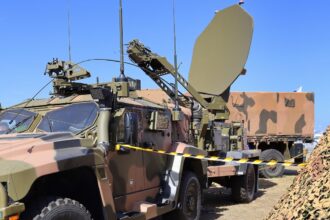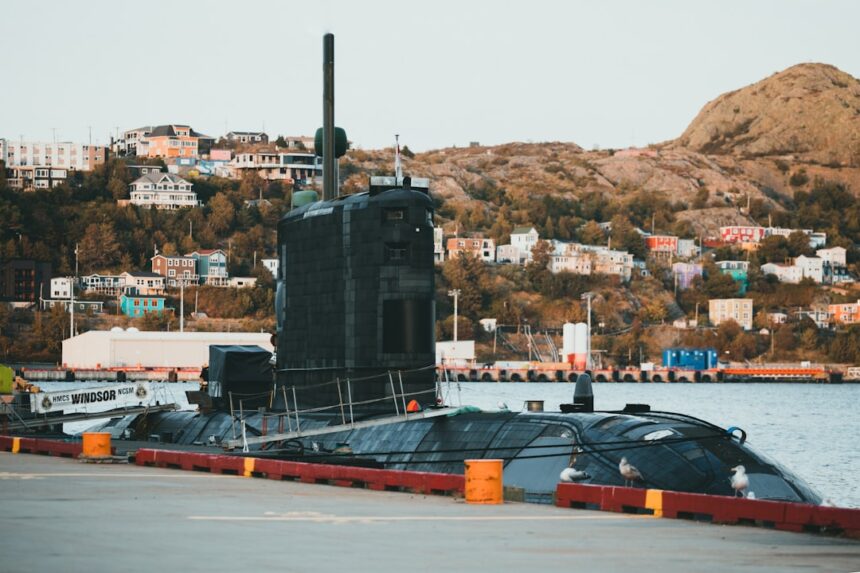
The journey of sonar technology began in the early 20th century, primarily driven by the need for maritime navigation and safety. Initially, the concept of using sound waves to detect objects underwater was rudimentary. The first significant leap occurred during World War I when the threat of enemy submarines prompted the development of more sophisticated acoustic detection systems.
These early sonar devices, known as “ASDIC” (Anti-Submarine Detection Investigation Committee), utilized sound waves to locate submarines, marking a pivotal moment in naval warfare and maritime exploration. As the decades progressed, sonar technology underwent significant advancements. The interwar period saw improvements in the design and functionality of sonar systems, leading to more reliable detection capabilities.
By World War II, sonar had become an essential tool for naval forces, enabling them to track and engage enemy vessels effectively. The post-war era brought about further innovations, including the introduction of digital signal processing, which enhanced the accuracy and efficiency of sonar systems. This evolution laid the groundwork for modern sonar technology, which continues to adapt and improve in response to emerging challenges and technological advancements.
Key Takeaways
- Sonar technology has evolved from basic echo detection to advanced systems integrating artificial intelligence for improved accuracy.
- Modern sonar works by emitting sound waves and analyzing their echoes to detect underwater objects like submarines.
- AI enhances sonar capabilities by enabling better pattern recognition and real-time data processing in complex underwater environments.
- Sonar is crucial in both military and civilian sectors, aiding in submarine detection, underwater mapping, and marine research.
- Future sonar developments focus on improving acoustic imaging, overcoming detection challenges, and addressing ethical and legal concerns.
How Sonar Technology Works
Sonar technology operates on a fundamental principle: the transmission and reception of sound waves. When a sonar system is activated, it emits sound pulses into the water. These sound waves travel through the medium until they encounter an object, such as a submarine or underwater terrain.
Upon striking an object, the sound waves are reflected back to the sonar system, where they are detected and analyzed. The time it takes for the sound waves to return provides critical information about the distance and size of the object. The process of interpreting these sound waves involves sophisticated algorithms and signal processing techniques.
Modern sonar systems can differentiate between various types of objects based on their acoustic signatures, allowing operators to identify submarines, marine life, or underwater structures with remarkable precision. Additionally, advancements in technology have enabled the development of multi-beam sonar systems that can create detailed three-dimensional maps of underwater environments, further enhancing situational awareness for naval operations and scientific research.
Advanced Sonar Systems
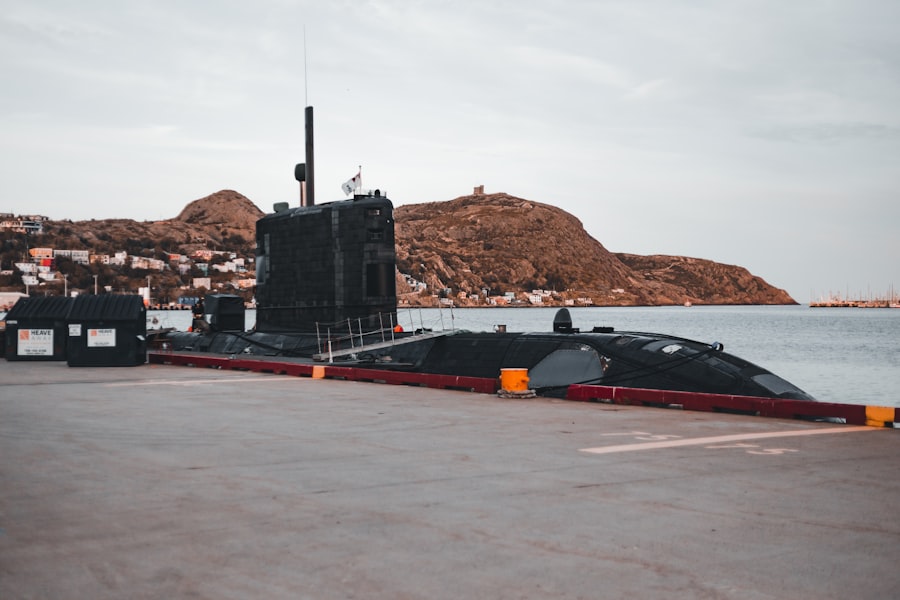
In recent years, advanced sonar systems have emerged that push the boundaries of what is possible in underwater detection and imaging. One notable advancement is the development of synthetic aperture sonar (SAS), which utilizes advanced signal processing techniques to produce high-resolution images of underwater objects and landscapes. SAS systems can achieve remarkable detail even at significant depths, making them invaluable for both military and civilian applications.
Another significant innovation is the integration of autonomous underwater vehicles (AUVs) with advanced sonar technology. These unmanned systems can operate independently in challenging underwater environments, conducting surveys and gathering data without direct human intervention. Equipped with sophisticated sonar systems, AUVs can map the seafloor, detect submerged objects, and monitor marine ecosystems with unprecedented efficiency.
The combination of AUVs and advanced sonar technology represents a transformative shift in underwater exploration and monitoring capabilities.
Detecting Submarines with Sonar
Detecting submarines remains one of the most critical applications of sonar technology in military operations. Submarines are designed to operate stealthily, making them challenging targets for detection. However, advancements in sonar systems have significantly improved the ability to locate these elusive vessels.
Modern sonar technologies employ a variety of techniques, including passive and active sonar methods. Passive sonar involves listening for sounds generated by submarines, such as engine noise or propeller cavitation. This method allows naval forces to detect submarines without revealing their own position.
Active sonar, on the other hand, emits sound waves and analyzes the echoes that return from objects in the water. While active sonar can provide precise location data, it also risks alerting submarines to the presence of naval forces. The choice between passive and active methods often depends on the operational context and mission objectives.
The Role of Artificial Intelligence in Sonar Technology
| Detection Method | Description | Effectiveness | Typical Range | Operator Role |
|---|---|---|---|---|
| Sonar (Active) | Emits sound pulses and listens for echoes to locate submarines. | High in clear water, limited by noise and thermoclines. | Up to 20 km | Sonar Technician monitors and interprets sonar returns. |
| Sonar (Passive) | Listens for sounds emitted by submarines without sending signals. | Effective for stealthy detection, depends on submarine noise. | Up to 50 km | Sonar Operator analyzes acoustic signatures. |
| Magnetic Anomaly Detector (MAD) | Detects disturbances in Earth’s magnetic field caused by submarines. | Effective at close range, typically from aircraft. | Less than 1 km | Aircraft Crew operates MAD sensors during patrols. |
| Radar | Detects submarine periscopes or snorkels above water surface. | Limited to surface or near-surface detection. | Up to 30 km | Radar Operator scans for surface contacts. |
| Visual Observation | Spotting periscopes, wakes, or snorkels visually or via cameras. | Limited by weather and visibility conditions. | Up to several kilometers | Lookouts and observers maintain watch. |
| Sonobuoys | Deployable sonar devices dropped from aircraft to detect submarines. | Effective for wide area coverage and triangulation. | Varies, typically up to 10 km per buoy | Operators analyze sonobuoy data for submarine presence. |
Artificial intelligence (AI) has begun to play a transformative role in enhancing sonar technology’s capabilities. By leveraging machine learning algorithms, AI can analyze vast amounts of acoustic data more efficiently than traditional methods. This capability allows for improved target recognition and classification, enabling operators to distinguish between various underwater objects with greater accuracy.
Moreover, AI-driven systems can adapt to changing underwater environments and conditions. For instance, they can learn from previous encounters and refine their detection algorithms accordingly. This adaptability is particularly valuable in complex scenarios where traditional sonar systems may struggle to differentiate between noise and relevant signals.
As AI continues to evolve, its integration into sonar technology promises to revolutionize underwater detection and monitoring across various applications.
Challenges in Submarine Detection
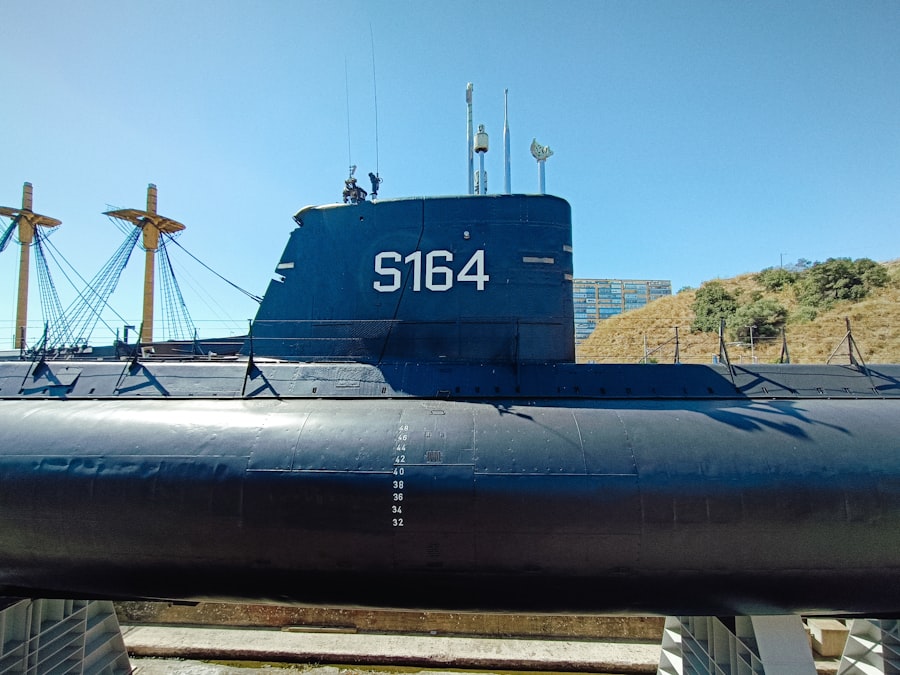
Despite advancements in sonar technology, detecting submarines remains fraught with challenges. One significant hurdle is the increasing sophistication of submarine designs, which often incorporate stealth features aimed at reducing their acoustic signatures. Modern submarines are engineered to minimize noise production, making them harder to detect using traditional sonar methods.
Additionally, environmental factors can complicate submarine detection efforts. Variations in water temperature, salinity, and depth can affect sound propagation, leading to distortions in sonar readings. These environmental challenges necessitate continuous research and development to enhance sonar systems’ effectiveness in diverse conditions.
As naval forces strive to maintain an edge in submarine detection capabilities, addressing these challenges remains a top priority.
Advancements in Underwater Acoustic Imaging
Underwater acoustic imaging has seen remarkable advancements over recent years, driven by innovations in sonar technology and signal processing techniques. High-resolution imaging systems now allow for detailed visualization of underwater environments, providing critical insights for both military and scientific applications. These imaging systems can create three-dimensional representations of submerged landscapes, revealing intricate details that were previously difficult to capture.
One notable advancement is the use of multi-frequency sonar systems that can operate across a range of frequencies to optimize imaging quality based on specific conditions. By adjusting frequency settings dynamically, these systems can enhance image clarity and resolution while minimizing interference from background noise.
Sonar Technology in Military Applications
Sonar technology plays a pivotal role in military operations, particularly within naval forces. Its applications extend beyond submarine detection; it is also crucial for mine detection, anti-submarine warfare, and maritime surveillance. Modern naval vessels are equipped with sophisticated sonar systems that provide real-time situational awareness, enabling commanders to make informed decisions during operations.
In anti-submarine warfare (ASW), sonar technology is essential for tracking enemy submarines and ensuring maritime security. ASW operations often involve coordinated efforts between surface ships, submarines, and aircraft equipped with advanced sonar systems. The integration of these platforms enhances overall effectiveness by providing comprehensive coverage of vast ocean areas while leveraging each platform’s unique capabilities.
Sonar Technology in Civilian Applications
While military applications dominate discussions around sonar technology, its civilian uses are equally significant and diverse. In marine research, scientists utilize sonar systems to study underwater ecosystems, monitor fish populations, and assess habitat health. These applications contribute to sustainable fisheries management and environmental conservation efforts.
Additionally, sonar technology is employed in underwater construction projects such as bridge foundations or offshore wind farms. Engineers rely on sonar systems to map seafloor topography accurately and identify potential obstacles before construction begins.
Future Developments in Sonar Technology
The future of sonar technology holds exciting possibilities as researchers continue to explore new frontiers in acoustic detection and imaging. One area of focus is the development of more advanced algorithms that leverage big data analytics to enhance target recognition capabilities further. By harnessing vast datasets from previous missions and training AI models on this information, future sonar systems may achieve unprecedented levels of accuracy.
Moreover, ongoing research into alternative sensing technologies may complement traditional sonar methods. For instance, integrating optical sensors with acoustic systems could provide a more comprehensive understanding of underwater environments by combining visual data with acoustic information. Such hybrid approaches may revolutionize underwater exploration and monitoring across various fields.
Ethical and Legal Considerations in Sonar Use
As with any advanced technology, ethical and legal considerations surrounding the use of sonar are paramount. In military contexts, concerns arise regarding potential environmental impacts caused by active sonar emissions on marine life. Research has shown that certain frequencies can disrupt marine mammals’ communication patterns or lead to disorientation.
Furthermore, issues related to privacy arise when considering civilian applications of sonar technology for surveillance purposes or monitoring marine activities. Striking a balance between security needs and environmental protection is essential as societies navigate the complexities associated with deploying advanced sonar systems. In conclusion, sonar technology has evolved significantly since its inception, becoming an indispensable tool for both military and civilian applications.
As advancements continue to shape its capabilities, addressing challenges related to submarine detection and ethical considerations will be crucial for ensuring responsible use in the future.
Operators have developed various techniques to detect submarines, utilizing advanced sonar technology and surveillance methods. For a deeper understanding of these detection strategies, you can read more in the article available at In the War Room. This resource provides insights into the challenges and innovations in submarine detection, highlighting the importance of these methods in modern naval operations.
WATCH THIS! 🎖️ The Silent Underwater Network That Doomed Every Soviet Submarine
FAQs
How do operators detect submarines?
Operators detect submarines primarily using sonar systems, which emit sound waves and listen for echoes reflected off the submarine’s hull. Both active sonar (sending out pulses) and passive sonar (listening for sounds) are used.
What types of sonar are used in submarine detection?
There are two main types of sonar: active sonar, which sends out sound pulses and listens for their return, and passive sonar, which listens for noises made by the submarine, such as engine sounds or propeller cavitation.
Can submarines be detected by other means besides sonar?
Yes, submarines can also be detected using magnetic anomaly detectors (MAD), which sense disturbances in the Earth’s magnetic field caused by a submarine’s metal hull, as well as radar, infrared sensors, and satellite surveillance in some cases.
What role do operators play in submarine detection?
Operators analyze sonar and sensor data to identify potential submarine contacts, distinguish them from other underwater objects or marine life, and track their movements to provide accurate information for naval operations.
How do environmental factors affect submarine detection?
Environmental factors such as water temperature, salinity, depth, and underwater terrain can affect sound propagation and sonar performance, making submarine detection more challenging in certain conditions.
Are there any technologies that help improve submarine detection?
Yes, advancements such as towed array sonar systems, underwater drones, and improved signal processing algorithms help operators detect submarines more effectively and at greater distances.
Why is submarine detection important?
Detecting submarines is crucial for national security and naval defense, as submarines can carry out covert operations, launch missiles, or gather intelligence without being easily detected.