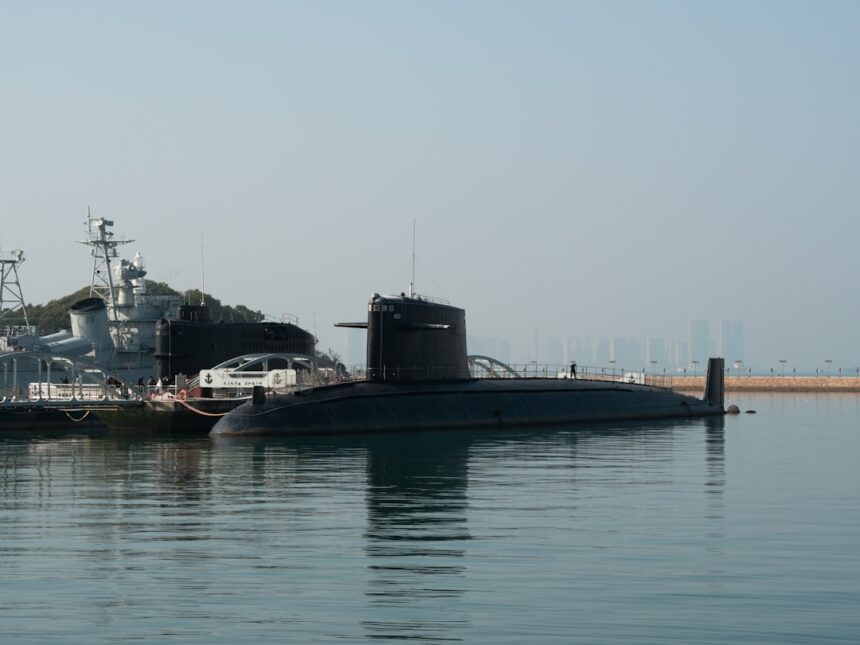
The Soviet submarine program emerged as a formidable force during the Cold War, reflecting the USSR’s ambition to establish itself as a dominant naval power. Initiated in the early years of the post-World War II era, the program aimed to develop a fleet of submarines capable of challenging Western naval supremacy. The Soviet Union invested heavily in research and development, leading to the creation of various classes of submarines, including ballistic missile submarines (SSBNs) and attack submarines (SSNs).
These vessels were designed not only for strategic deterrence but also for offensive operations, showcasing the USSR’s commitment to expanding its maritime capabilities. As the Cold War intensified, the Soviet submarine program became a critical component of its military strategy. The submarines were equipped with advanced weaponry and technology, intended to project power and maintain a credible deterrent against NATO forces.
However, despite significant advancements, the program faced inherent challenges, particularly in the realm of acoustic technology. The ability to operate stealthily underwater was paramount for submarine effectiveness, and it was here that the Soviet designs encountered notable flaws that would have lasting implications for their operational success.
Key Takeaways
- Acoustic technology was crucial in submarine warfare, highlighting vulnerabilities in Soviet submarine designs.
- Soviet submarines had significant acoustic flaws that compromised their stealth and operational effectiveness.
- These acoustic weaknesses allowed adversaries to detect and track Soviet submarines more easily.
- Efforts were made to improve Soviet submarine acoustics, but challenges persisted throughout the program.
- The legacy of these flaws influenced future submarine design and underscored the importance of acoustic intelligence.
The importance of acoustic technology in submarine warfare
Acoustic technology plays a pivotal role in submarine warfare, serving as the backbone of detection, tracking, and engagement strategies. Submarines rely on sonar systems to navigate their environment, detect enemy vessels, and avoid detection themselves. The effectiveness of these systems hinges on the ability to interpret sound waves in water, which can reveal critical information about surrounding threats and opportunities.
In an underwater battlefield where silence is golden, the ability to minimize noise emissions while maximizing detection capabilities is essential for survival and mission success. The significance of acoustic technology extends beyond mere detection; it encompasses the entire operational paradigm of submarine warfare. A submarine’s stealth is its greatest asset, allowing it to approach targets undetected and launch surprise attacks.
Conversely, if a submarine is easily detectable due to acoustic flaws, it becomes vulnerable to countermeasures and defensive actions from adversaries. Thus, the development and refinement of acoustic technology have been central to naval strategies throughout history, influencing the design and operational tactics of submarines across various nations.
The acoustic flaws in Soviet submarine design
Despite the ambitious goals of the Soviet submarine program, several acoustic flaws plagued its designs. One of the most significant issues was related to the noise generated by the submarines themselves. Many Soviet submarines were built with less attention to sound-dampening technologies compared to their Western counterparts.
This oversight resulted in vessels that were often noisier than intended, making them easier targets for enemy sonar systems. The materials used in construction and the design choices made during development contributed to this problem, as engineers prioritized speed and firepower over stealth. Additionally, the propulsion systems employed in Soviet submarines often produced excessive noise.
The use of conventional diesel-electric engines in some models led to vibrations that could be detected by enemy sonar arrays. While advancements were made with nuclear-powered submarines, which offered greater speed and endurance, these vessels still faced challenges related to noise reduction. The combination of design flaws and engineering decisions ultimately compromised the effectiveness of Soviet submarines in stealth operations, limiting their ability to evade detection during critical missions.
The impact of acoustic flaws on Soviet submarine operations
| Metric | Description | Impact on Soviet Submarine Operations | Quantitative Data / Example |
|---|---|---|---|
| Acoustic Signature Noise Level | Measure of noise emitted by submarine machinery and hull | Higher noise levels increased detectability by NATO sonar systems | Typical noise level: 110-120 dB; ideal stealth level: below 100 dB |
| Sonar Detection Range | Distance at which enemy sonar can detect the submarine | Acoustic flaws increased detection range by 20-30%, reducing stealth | Detection range increased from 5 km to 6.5 km due to acoustic flaws |
| Operational Depth Limitations | Maximum safe depth for silent operation without noise amplification | Acoustic flaws forced shallower operational depths to avoid noise spikes | Depth reduced from 300m to 250m in some classes due to acoustic issues |
| Mission Duration | Length of time submarine can remain undetected during patrol | Increased noise led to shorter undetected mission times by 15-25% | Typical mission duration reduced from 60 days to 45-50 days |
| Maintenance Frequency | Interval between acoustic system repairs or upgrades | Acoustic flaws required more frequent maintenance, reducing availability | Maintenance intervals shortened from 12 months to 8 months |
| Submarine Class Affected | Specific Soviet submarine classes impacted by acoustic flaws | Early Victor and November classes showed significant acoustic issues | Victor I noise level: 115 dB; Victor III improved to 105 dB |
The acoustic flaws inherent in Soviet submarine designs had profound implications for their operational effectiveness. As these submarines ventured into hostile waters, their increased noise levels rendered them more susceptible to detection by enemy forces. This vulnerability not only jeopardized individual missions but also affected broader strategic objectives.
The inability to operate undetected limited the Soviets’ capacity for surprise attacks and intelligence-gathering operations, which are crucial elements in naval warfare. Moreover, the acoustic shortcomings led to a reliance on sheer numbers rather than tactical stealth. The Soviet Navy often deployed large fleets of submarines in hopes that overwhelming numbers would compensate for individual vulnerabilities.
However, this strategy proved less effective against technologically advanced adversaries who could leverage superior acoustic intelligence capabilities. As a result, Soviet submarines frequently found themselves at a disadvantage during confrontations with NATO forces, undermining their intended role as a deterrent and offensive tool.
The role of acoustic intelligence in detecting Soviet submarines
Acoustic intelligence (ACINT) emerged as a critical tool for Western navies in their efforts to monitor and track Soviet submarine activities. By employing advanced sonar systems and underwater listening devices, NATO forces were able to detect the telltale sounds produced by Soviet submarines operating in various theaters. This intelligence-gathering capability allowed Western nations to maintain situational awareness regarding Soviet naval movements and potential threats.
As NATO developed more sophisticated sonar systems capable of distinguishing between different types of underwater sounds, they gained a significant advantage in tracking Soviet submarines. This capability not only facilitated early warning systems but also informed strategic decision-making regarding naval deployments and countermeasures against potential Soviet incursions.
Efforts to address acoustic flaws in Soviet submarines
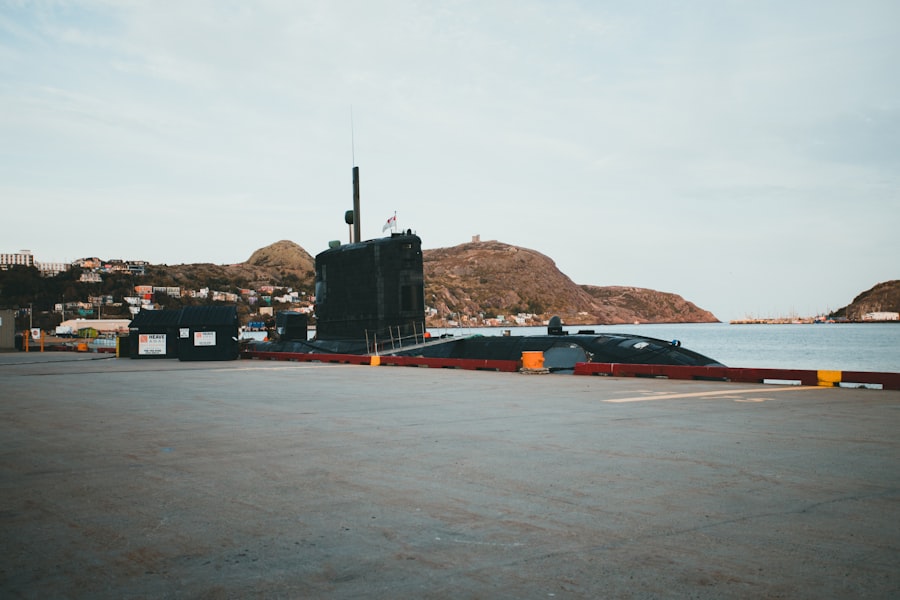
Recognizing the limitations imposed by acoustic flaws, Soviet engineers undertook various efforts to enhance the stealth capabilities of their submarines over time. Research initiatives focused on improving sound-dampening technologies and refining hull designs to minimize noise emissions. These efforts included experimenting with new materials that could absorb sound waves more effectively and implementing innovative engineering solutions aimed at reducing vibrations from propulsion systems.
Additionally, advancements in sonar technology were pursued to improve detection capabilities while simultaneously addressing the acoustic shortcomings of existing submarine designs. The introduction of quieter propulsion systems and enhanced hull shapes marked significant steps toward rectifying earlier design flaws. However, these improvements often came too late to fully mitigate the disadvantages experienced during critical operational periods throughout the Cold War.
International response to the acoustic flaws in Soviet submarines
The international response to the acoustic flaws in Soviet submarines was multifaceted, involving both military and diplomatic dimensions. NATO nations recognized the vulnerabilities posed by these design shortcomings and sought to exploit them strategically. Enhanced surveillance efforts were implemented to monitor Soviet submarine movements closely, while military exercises were conducted to prepare for potential confrontations with these vessels.
Moreover, Western intelligence agencies invested heavily in understanding Soviet submarine technology and tactics. By analyzing captured documents and conducting espionage operations, they aimed to gain insights into the limitations faced by Soviet submarines due to their acoustic flaws. This knowledge informed NATO’s strategic planning and contributed to developing countermeasures designed to neutralize potential threats posed by Soviet naval forces.
The legacy of acoustic flaws in Soviet submarine program
The legacy of acoustic flaws within the Soviet submarine program is one marked by both technological ambition and operational challenges. While the USSR made significant strides in developing advanced submarine capabilities, these achievements were often overshadowed by inherent design weaknesses that compromised their effectiveness in real-world scenarios. The inability to achieve optimal stealth levels limited the operational success of many Soviet submarines throughout their service life.
Furthermore, these acoustic flaws served as a cautionary tale for future naval programs worldwide. They highlighted the importance of balancing various design considerations—such as speed, firepower, and stealth—when developing advanced military technologies. As nations continue to invest in submarine capabilities today, lessons learned from the Soviet experience underscore the necessity of prioritizing acoustic performance alongside other critical factors.
Lessons learned from the acoustic flaws in Soviet submarines
The examination of acoustic flaws in Soviet submarines yields valuable lessons for contemporary naval strategists and engineers alike. One key takeaway is the importance of integrating stealth technology into every aspect of submarine design from inception through production. Future programs must prioritize noise reduction techniques alongside advancements in weaponry and propulsion systems to ensure operational effectiveness.
By leveraging expertise from various fields—such as materials science and engineering—naval programs can enhance their capabilities while avoiding pitfalls experienced by past endeavors like those seen within the Soviet submarine program.
The future of acoustic technology in submarine warfare
As naval warfare continues to evolve, so too does the role of acoustic technology within it. Emerging technologies such as artificial intelligence (AI) and machine learning are poised to revolutionize how submarines operate underwater. These advancements may enable real-time analysis of acoustic data, allowing for more precise detection capabilities while minimizing false positives associated with traditional sonar systems.
Moreover, ongoing research into advanced materials that can further reduce noise emissions holds promise for future submarine designs. As nations invest in next-generation submarines equipped with cutting-edge technologies, lessons learned from historical programs will undoubtedly shape their development strategies moving forward.
the enduring impact of acoustic flaws in Soviet submarine program
In conclusion, the acoustic flaws present within the Soviet submarine program serve as a reminder of the complexities involved in military technology development. While ambitious goals drove significant advancements within this domain, inherent design weaknesses ultimately limited operational effectiveness during critical periods throughout history. The lessons learned from these experiences continue to resonate today as nations strive for superiority beneath the waves.
As future generations of submarines are developed with an eye toward enhanced stealth capabilities and advanced technologies, it is essential that past mistakes are not repeated. By prioritizing acoustic performance alongside other critical factors—such as firepower and speed—naval programs can ensure they remain effective tools for national defense in an increasingly complex global landscape.
The Soviet submarine program, known for its ambitious designs and technological advancements, faced significant challenges due to acoustic flaws that compromised stealth capabilities. These issues not only affected the operational effectiveness of the submarines but also had broader implications for naval strategy during the Cold War. For a deeper understanding of the complexities surrounding this topic, you can read more in the related article on the Soviet submarine program at this link.
WATCH THIS! The Billion-Dollar Whisper: How One KGB Mole Made Every Soviet Submarine Visible
FAQs
What was the primary goal of the Soviet submarine program?
The primary goal of the Soviet submarine program was to develop a powerful and technologically advanced fleet of submarines capable of strategic deterrence, intelligence gathering, and naval warfare during the Cold War.
What types of submarines were developed under the Soviet program?
The Soviet submarine program developed various types of submarines, including ballistic missile submarines (SSBNs), attack submarines (SSNs), and cruise missile submarines (SSGNs), each designed for specific military roles.
What acoustic flaws were identified in Soviet submarines?
Acoustic flaws in Soviet submarines included higher noise levels compared to Western counterparts, which made them more detectable by sonar. These flaws were due to design issues, machinery noise, and less effective sound-dampening technologies.
How did acoustic flaws affect the operational effectiveness of Soviet submarines?
Acoustic flaws reduced the stealth capabilities of Soviet submarines, making them more vulnerable to detection by NATO anti-submarine warfare forces, which could compromise their missions and strategic deterrence.
What measures did the Soviet Union take to address acoustic flaws?
The Soviet Union invested in research and development to improve hull design, machinery isolation, and sound-absorbing coatings. Later submarine classes incorporated these advancements to reduce noise and enhance stealth.
How did Soviet submarine acoustic flaws compare to those of Western submarines?
Generally, Soviet submarines were noisier than Western submarines, particularly those from the United States and the United Kingdom, which had more advanced quieting technologies and acoustic engineering.
Why is acoustic stealth important for submarines?
Acoustic stealth is crucial for submarines because it allows them to operate undetected in hostile environments, increasing their survivability and effectiveness in reconnaissance, attack, and deterrence missions.
Did acoustic flaws impact the Cold War naval balance?
Yes, acoustic flaws in Soviet submarines influenced the naval balance by giving NATO forces an advantage in anti-submarine warfare, affecting Soviet strategic planning and submarine deployment strategies.
Are there any well-known incidents related to Soviet submarine acoustic issues?
While specific incidents are often classified, there were cases during the Cold War where Soviet submarines were detected and tracked by NATO forces due to their acoustic signatures, leading to heightened tensions and intelligence gathering.
What legacy did the Soviet submarine acoustic challenges leave for modern submarine design?
The challenges faced by the Soviet submarine program highlighted the importance of acoustic stealth, influencing modern submarine design worldwide to prioritize noise reduction technologies and improved sonar evasion capabilities.