Naval intelligence gathering constitutes a critical function within modern maritime operations, providing the informational bedrock upon which strategic decisions are formed and tactical actions executed. Its scope extends beyond battle preparedness, encompassing the safeguarding of global trade, the protection of maritime borders, and the monitoring of environmental shifts that impact naval interests. This intricate discipline relies on a diverse array of methods and techniques, continually evolving to counter emerging threats and leverage technological advancements. Understanding these approaches is essential for appreciating the complexities of contemporary naval power.
Naval intelligence operates on the principle that knowledge is power. It seeks to reduce uncertainty in the maritime domain, providing decision-makers with a comprehensive understanding of threats, opportunities, and the operational environment.
Intelligence Cycle in a Maritime Context
The intelligence cycle, traditionally comprising planning and direction, collection, processing and exploitation, analysis and production, and dissemination, finds unique applications within the naval sphere.
- Planning and Direction: This initial phase involves identifying intelligence requirements from naval commanders, policymakers, and operational planners. For instance, a requirement might be to assess the capabilities of a rival navy’s new submarine class or to monitor illicit maritime traffic in a specific region. This phase dictates the subsequent collection efforts, ensuring resources are optimally allocated.
- Collection: This is the act of acquiring raw data and information. Naval intelligence employs a wide spectrum of collection methodologies, both overt and covert, to gather insights from various sources. The success of this phase hinges on the diversity and redundancy of collection assets.
- Processing and Exploitation: Raw data, once collected, is rarely in a usable format. This phase involves sifting through vast quantities of information, translating foreign languages, deciphering codes, and cataloging data for easier retrieval and analysis. For example, intercepting a communication requires processing for language and content before it can be exploited for intelligence.
- Analysis and Production: This is where raw data transforms into actionable intelligence. Analysts, often specialists in various fields such as geopolitics, weaponry, or oceanography, apply critical thinking and domain expertise to interpret processed information. They identify patterns, assess intentions, and forecast future actions, distilling complex data into concise reports, briefings, and intelligence estimates.
- Dissemination: The final stage ensures that the synthesized intelligence reaches the appropriate decision-makers in a timely and understandable manner. This often involves secure communication channels and tailored formats, ensuring intelligence is presented clearly and concisely to support operational planning and strategic policy formulation.
Key Intelligence Disciplines
Naval intelligence leverages multiple intelligence disciplines, each offering a unique lens through which to view the maritime world. These disciplines are often synthesized to create a more complete and accurate picture.
- HUMINT (Human Intelligence): This involves the collection of information from human sources. In a naval context, this might include debriefing sailors from friendly nations, gathering information from defectors, or employing covert agents in maritime enterprises or foreign naval installations. HUMINT provides invaluable insights into intentions, morale, and insider perspectives that other methods might miss. However, it is often time-consuming, resource-intensive, and carries inherent risks of deception.
- SIGINT (Signals Intelligence): This category encompasses the interception and analysis of electronic signals. It is further subdivided into several specialized areas:
- COMINT (Communications Intelligence): Focuses on intercepting and analyzing foreign communications. This can range from radio transmissions between naval vessels to satellite communications. Decryption capabilities are crucial for exploiting COMINT.
- ELINT (Electronic Intelligence): Deals with non-communications electronic emissions, such as radar signals, missile guidance systems, and sonar emissions. Analysis of these signals can reveal information about the capabilities, operational parameters, and deployment patterns of adversary platforms.
- FISINT (Foreign Instrumentation Signals Intelligence): Concentrates on the interception and analysis of signals from foreign weapon systems during testing and operations, providing insights into their performance and characteristics.
- IMINT (Imagery Intelligence): This involves the collection and analysis of visual imagery from various platforms.
- Satellite Imagery: High-resolution optical and radar imagery from satellites can monitor naval base expansion, ship movements, and the construction of new maritime infrastructure globally.
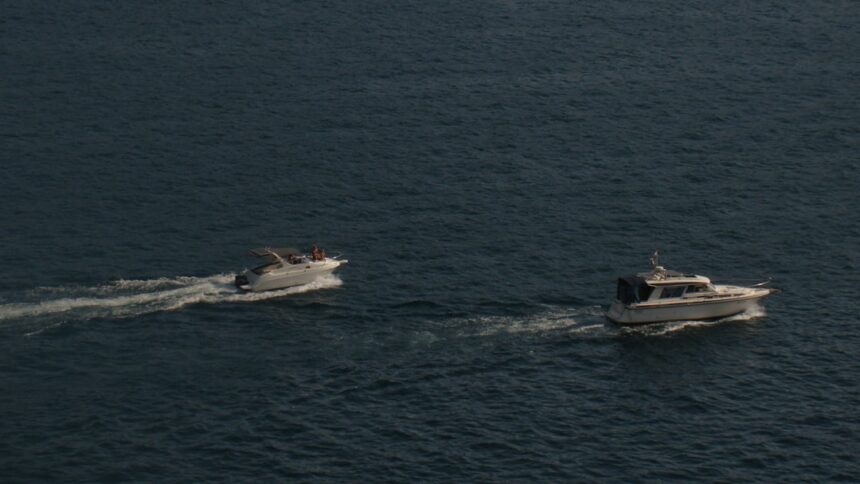
- Aerial Reconnaissance: Manned and unmanned aircraft (UAVs) provide localized, detailed imagery of specific areas of interest, often with greater flexibility and lower latency than satellites for tactical applications.
- Underwater Imagery: Specialized sonar and remotely operated vehicles (ROVs) can provide imagery of seabed structures, sunken vessels, and underwater infrastructure.
- GEOINT (Geospatial Intelligence): This integrates IMINT with other data sources to create comprehensive spatial intelligence products. It involves analyzing and visualizing geographic information to understand the operational environment, including navigational hazards, bathymetry, and potential landing zones.
- OSINT (Open Source Intelligence): This involves collecting and analyzing publicly available information. This can include news articles, academic papers, social media, commercial shipping manifests, and even publicly accessible maritime tracking data. OSINT provides a valuable, low-cost means of gathering information and cross-referencing insights gleaned from more clandestine sources.
Naval intelligence gathering methods have evolved significantly over the years, incorporating advanced technologies and strategic approaches to enhance maritime security. For a deeper understanding of these methods and their implications on modern naval operations, you can refer to a related article on the topic at In The War Room. This resource provides valuable insights into the techniques used by naval forces to collect and analyze intelligence, ensuring they remain one step ahead in an increasingly complex global landscape.
Data Collection Methodologies
The practical application of intelligence disciplines necessitates a range of sophisticated collection methodologies, each tailored to specific information requirements and environmental conditions.
Surface and Subsurface Collection Platforms
Naval intelligence heavily relies on dedicated platforms and personnel deployed across the maritime domain.
- Dedicated Intelligence Collection Vessels: Several navies operate ships specifically designed for signals intelligence (SIGINT) missions. These vessels are equipped with an array of antennae and advanced electronic systems to intercept and analyze communications and electronic emissions. Often disguised as research or fishing vessels, they operate in international waters near areas of interest.
- Submarines: Submarines are inherently stealthy and can operate undetected in contested waters, making them ideal platforms for covert intelligence gathering. They can deploy sensors to monitor underwater acoustic signatures, collect samples of water and seabed for analysis, or even serve as platforms for deploying specialized reconnaissance drones. Their ability to approach coastlines undetected makes them invaluable for clandestine missions. Think of a submarine as a silent, invisible ear and eye in the deep.
- Patrol Aircraft and UAVs (Unmanned Aerial Vehicles): Maritime patrol aircraft, such as the P-8 Poseidon, are equipped with sophisticated radar, electro-optical/infrared sensors, and sonobuoys to detect, track, and classify surface and subsurface vessels. UAVs offer persistent surveillance capabilities, extending the reach of naval forces without risking human pilots. They can provide real-time imagery and electronic intelligence over vast oceanic expanses.
Space-Based Collection Assets
Satellites orbiting the Earth provide an unparalleled vantage point for global intelligence gathering, overcoming geographical limitations and providing persistent coverage.
- Reconnaissance Satellites (IMINT/SIGINT): These satellites are equipped with high-resolution cameras for optical imagery, synthetic aperture radar (SAR) for all-weather imaging, and sensitive receivers for intercepting electronic signals. They can monitor ship movements, naval exercises, port activities, and even detect subtle changes in infrastructure or environmental conditions that could signify strategic shifts.
- Ocean Surveillance Satellites: Specifically designed to track and monitor surface vessels over vast ocean areas, these satellites utilize radar and other sensors to identify and classify ships, even in adverse weather conditions. They are crucial for maintaining maritime domain awareness and tracking potential adversaries. The sheer scale of the oceans necessitates this approach, as one cannot cover such territory with only surface vessels or aircraft.
Other Collection Techniques
Beyond traditional platforms, naval intelligence employs a variety of specialized techniques to gather information.
- Acoustic Surveillance (SONAR): Sound is the primary medium for detection and communication underwater. Naval forces utilize both active and passive sonar systems. Passive sonar involves listening for emitted sounds from vessels (propeller cavitation, machinery noise), providing discreet detection and classification. Active sonar involves emitting sound pulses and listening for echoes, which provides more precise localization but reveals the presence of the emitter. Hydrophone arrays, positioned on the seabed or towed behind ships, offer long-range acoustic detection capabilities.
- Radar and ESM (Electronic Support Measures): Radar systems on ships and aircraft detect and track surface and air contacts. ESM systems, on the other hand, passively detect and analyze electromagnetic emissions from other platforms, providing information on their identity, capabilities, and intentions without revealing the presence of the listening platform. This is akin to overhearing a conversation without being seen.
- Cyber Intelligence and Open-Source Exploitation: In the digital age, much valuable intelligence resides in the cyber realm. Naval intelligence increasingly focuses on exploiting public and non-public digital information. This includes analyzing data from ship tracking websites, monitoring maritime forums for chatter about specific routes or activities, and even investigating the online presence of individuals or organizations involved in maritime trade or naval operations. The internet has become an ocean of information, and naval intelligence must navigate its currents.
- Environmental Monitoring: Oceanographic data, such as water temperature, salinity, currents, and seabed topography, profoundly influences naval operations, particularly for submarine warfare and anti-submarine warfare (ASW). Specialized sensors and research vessels collect this data to predict acoustic conditions, plan optimal routes, and understand the impact of the environment on sensor performance. Knowledge of the ocean’s properties can be as critical as knowing an adversary’s capabilities.
Processing and Exploitation Challenges
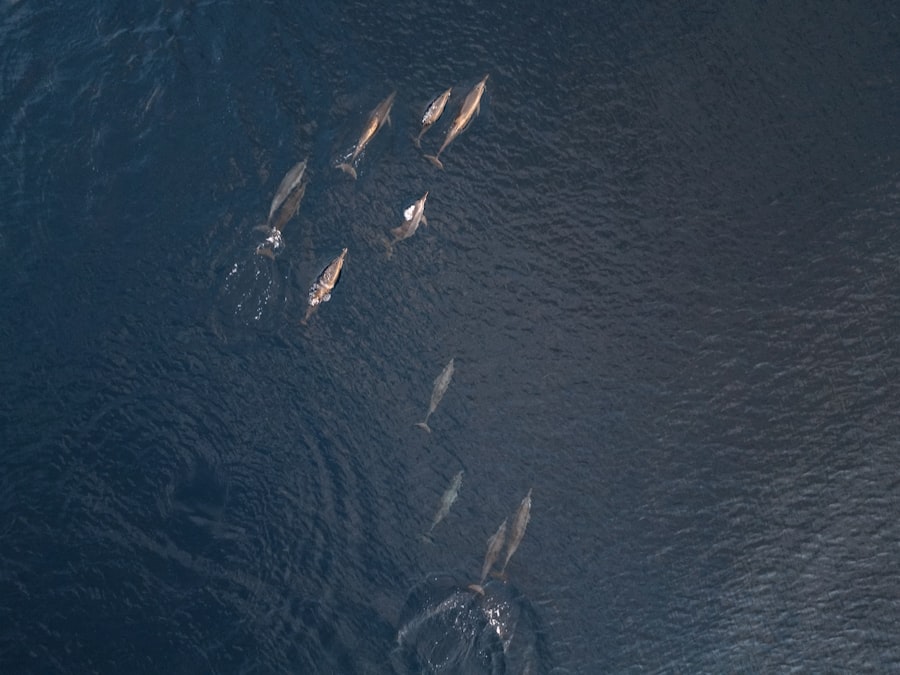
The sheer volume and diversity of collected data present significant challenges in processing, exploiting, and transforming raw information into actionable intelligence.
Big Data and Information Overload
Modern collection platforms generate enormous quantities of data, creating an “informational ocean” that can overwhelm analysts.
- Volume, Velocity, and Variety: Naval intelligence data arrives in vast quantities (volume), often in real-time (velocity), and from myriad sources (variety). This deluge of information demands advanced tools and techniques for efficient processing. Consider the constant stream of radar echoes, sonar pings, intercepted communications, and satellite images – all needing attention.
- Data Fusion: Integrating disparate data streams (e.g., combining satellite imagery with electronic intelligence and human reports) is crucial for building a holistic understanding. This involves complex algorithms and human expertise to reconcile conflicting information and identify emergent patterns. It’s like assembling a complex jigsaw puzzle where each piece comes from a different box.
Technological Demands
The effective processing and exploitation of naval intelligence data require sophisticated technological infrastructure and skilled personnel.
- Advanced Analytics and AI/ML: Artificial intelligence (AI) and machine learning (ML) algorithms are increasingly deployed to automate routine tasks, identify anomalies, predict behaviors, and even analyze complex patterns in large datasets that would be impossible for human analysts to discern manually. For instance, AI can rapidly scan satellite imagery for specific ship types or detect subtle shifts in electronic signatures.
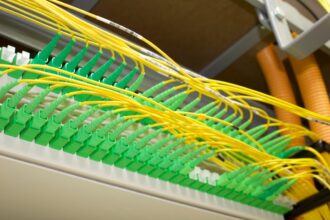
- Secure Communications and Storage: Given the sensitive nature of intelligence, robust and secure communication networks are paramount for transmitting raw data and finished intelligence products. Secure storage solutions are also critical to protect this information from cyber-attack and unauthorized access.
Analysis and Production: Crafting Actionable Intelligence
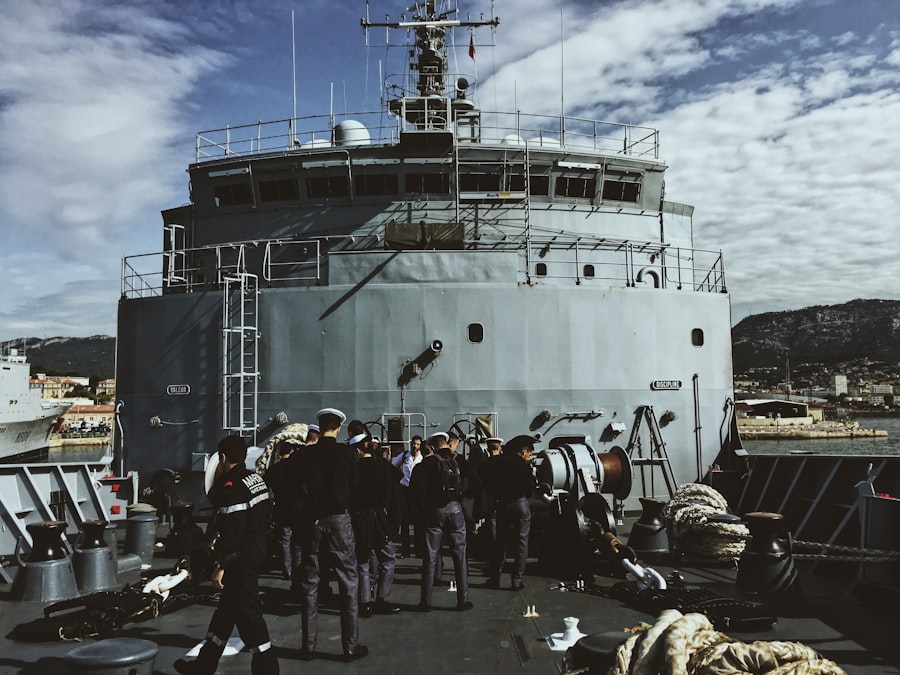
The ultimate goal of naval intelligence is to produce timely, accurate, and relevant intelligence products that support decision-making.
The Role of Human Analysts
Despite advances in automation, human analysts remain at the core of the intelligence process, providing critical thinking, contextual understanding, and nuanced judgment.
- Domain Expertise: Naval intelligence analysts specialize in areas such as specific weapon systems, regional geopolitics, maritime law, or adversary doctrine. This deep expertise allows them to interpret raw data within a broader strategic context, offering insights that machines alone cannot achieve.
- Cognitive Bias Mitigation: Analysts are trained to recognize and mitigate cognitive biases that can cloud judgment and lead to faulty conclusions. Critical self-reflection and collaborative analysis are vital in ensuring objectivity.
Intelligence Products and Dissemination
Finished intelligence takes various forms, tailored to the needs of different consumers, from tactical operators to national policymakers.
- Threat Assessments: Detailed evaluations of the capabilities, intentions, and vulnerabilities of potential adversaries, focusing on their maritime forces and activities.
- Operational Briefings: Concise, real-time intelligence updates provided to commanders and operational units to support ongoing missions, often delivered at sea or in austere environments.
- Strategic Estimates: Long-term assessments of global maritime trends, geopolitical shifts, and technological advancements that may impact naval strategy and resource allocation. These are often used by high-level policymakers to inform national security decisions.
- Mapping and Charting: Providing updated nautical charts and specialized maps that incorporate intelligence on maritime hazards, potential adversary deployments, and environmental conditions.
Naval intelligence gathering methods have evolved significantly over the years, incorporating advanced technologies and strategies to enhance maritime security. For a deeper understanding of these techniques and their implications, you can explore a related article that delves into the intricacies of modern naval operations. The article discusses various aspects of intelligence collection, including the use of unmanned systems and satellite surveillance. To read more about this topic, visit this insightful piece that sheds light on the future of naval intelligence.
Counter-Intelligence and Deception
| Method | Description | Advantages | Limitations | Typical Use Cases |
|---|---|---|---|---|
| Signal Intelligence (SIGINT) | Intercepting and analyzing electronic signals and communications. | Provides real-time data; can intercept enemy communications and radar. | Requires advanced technology; encrypted signals may be difficult to decode. | Monitoring enemy fleet movements; electronic order of battle. |
| Human Intelligence (HUMINT) | Gathering information through human sources such as spies or informants. | Can provide detailed and context-rich information. | Risky; information may be biased or inaccurate. | Identifying enemy intentions; infiltration of naval bases. |
| Imagery Intelligence (IMINT) | Using satellite or aerial reconnaissance to capture images of naval assets. | Visual confirmation of ship locations and activities. | Weather dependent; limited by satellite revisit times. | Tracking ship deployments; monitoring port activities. |
| Electronic Intelligence (ELINT) | Collecting data from non-communication electronic signals such as radar emissions. | Helps identify and classify enemy radar and weapon systems. | Requires specialized equipment; can be countered by emission control. | Assessing enemy sensor capabilities; electronic order of battle. |
| Open Source Intelligence (OSINT) | Gathering information from publicly available sources like news, social media, and maritime databases. | Cost-effective; wide range of information. | Information may be outdated or inaccurate; requires verification. | Monitoring commercial shipping; tracking naval exercises. |
| Underwater Acoustic Intelligence (ACINT) | Using sonar and hydrophones to detect and analyze underwater sounds. | Effective for submarine detection and tracking. | Limited range; affected by ocean conditions. | Submarine tracking; mine detection. |
Naval intelligence is not solely about collecting information; it also encompasses protecting one’s own secrets and countering adversary intelligence efforts.
Defensive Measures
Protecting naval assets and operations from foreign intelligence collection is a continuous and complex undertaking.
- EMCON (Emissions Control): Strict adherence to EMCON protocols minimizes the electromagnetic signature of naval vessels, making them harder to detect and track by SIGINT assets. This can involve shutting down non-essential radars, radios, and other electronic emitters.
- Acoustic Signature Reduction: Modern warships and submarines are designed with advanced noise reduction technologies to minimize their acoustic signatures, making them difficult to detect by passive sonar. This includes careful machinery placement, vibration isolation, and specialized propeller designs.
- Physical Security and Information Security: Naval bases, facilities, and communication networks are protected by stringent physical and cyber security measures to prevent espionage, sabotage, and data breaches.
Offensive Counter-Intelligence and Deception
Beyond defense, naval intelligence actively seeks to mislead adversaries and degrade their intelligence capabilities.
- Deception Operations: Naval forces employ various deception tactics, such as creating false electronic signatures, simulating larger forces than are present, or conducting feints to divert adversary attention. The goal is to confuse the enemy’s intelligence, causing them to misallocate resources or draw incorrect conclusions. This can be as simple as sending out a few small boats to look like a much larger fleet on radar.
- Denial and Decontamination: Actively denying adversaries access to critical information, for instance, through the rigorous control of access to classified documents, and “decontaminating” information channels by removing compromised data or personnel.
- Exploiting Adversary Weaknesses: Identifying and exploiting vulnerabilities in an adversary’s intelligence collection systems or processes to gather insights into their methods and capabilities, and potentially to feed them deliberately misleading information.
In conclusion, naval intelligence gathering stands as a multifaceted and indispensable component of national security. It is a constant, dynamic process, a relentless intellectual battle against uncertainty, driven by a blend of sophisticated technology and human ingenuity. From the silent depths where submarines hunt for acoustic footprints to the vast expanses where satellites observe global movements, the mission remains unwavering: to illuminate the maritime domain, protect national interests, and empower informed decision-making in an increasingly complex world. As technology continues its relentless march, so too will the methods and techniques of naval intelligence evolve, adapting to new threats and grasping new opportunities in the eternal quest for strategic advantage at sea.
FAQs
What are the primary methods used in naval intelligence gathering?
Naval intelligence gathering primarily involves methods such as signal intelligence (SIGINT), electronic intelligence (ELINT), imagery intelligence (IMINT), human intelligence (HUMINT), and open-source intelligence (OSINT). These methods help collect information on enemy movements, capabilities, and intentions.
How does signal intelligence (SIGINT) contribute to naval intelligence?
SIGINT involves intercepting and analyzing electronic communications and signals from enemy ships, submarines, and coastal installations. This method provides critical information about enemy operations, command structures, and potential threats.
What role do satellites and reconnaissance aircraft play in naval intelligence?
Satellites and reconnaissance aircraft are essential for imagery intelligence (IMINT). They capture high-resolution images and real-time video of naval activities, ship movements, and coastal defenses, enabling strategic planning and threat assessment.
How is human intelligence (HUMINT) gathered in naval operations?
HUMINT in naval operations is collected through espionage, informants, and interactions with local populations or defectors. It provides insights that technology might miss, such as intentions, morale, and internal dynamics of adversary forces.
Why is electronic intelligence (ELINT) important in naval intelligence gathering?
ELINT focuses on intercepting and analyzing non-communication electronic signals, such as radar emissions. This helps identify the location, capabilities, and operational patterns of enemy vessels and coastal defense systems, enhancing situational awareness.