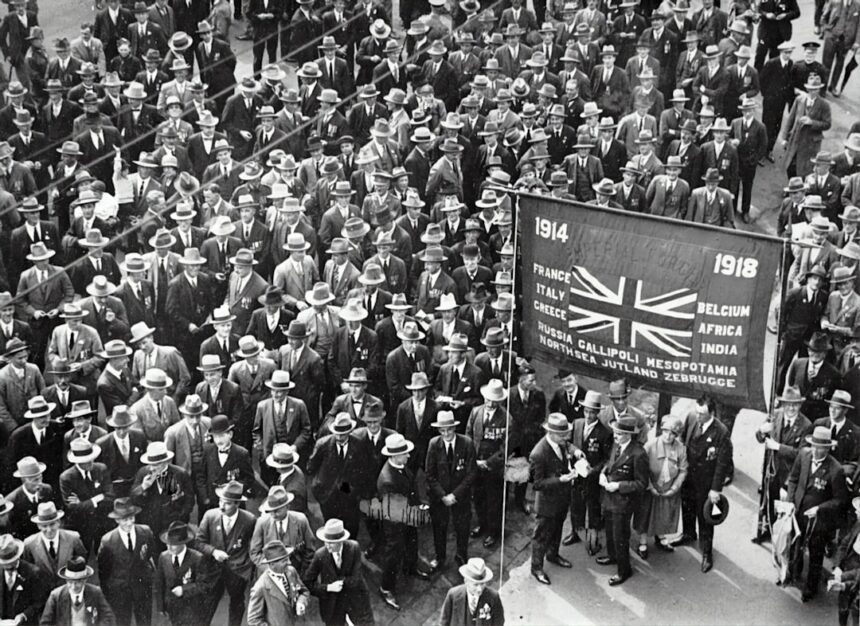
Uncovering Military History: Decoding Hidden Metadata
The digital age has revolutionized the way historical data is captured, stored, and accessed. Within the vast archives of military history reside countless documents, images, and recordings. While the primary content of these artifacts offers a direct window into the past, a deeper understanding can be unlocked by examining the metadata—the data about data—that accompanies them. This exploration into hidden metadata is akin to a detective meticulously sifting through a crime scene, looking for clues that a casual observer might overlook. By decoding these digital breadcrumbs, historians and researchers can reconstruct events with greater precision, identify biases, and reveal previously obscured narratives.
Metadata serves as the organizational scaffolding that makes information manageable. In the context of military history, this scaffolding preserves the provenance, integrity, and context of historical records. Without it, our digital archives would be an undifferentiated sea of bytes, making it impossible to discern truth from fiction, or to connect the dots between disparate pieces of information. Imagine trying to assemble a complex jigsaw puzzle without a picture on the box; metadata provides that picture, guiding the assembly process and revealing the complete image.
What Constitutes Military Metadata?
Metadata associated with military records can be broadly categorized. At its most basic level, it includes technical details about the file itself, such as its format, size, and creation date. However, for military artifacts, this technical layer often extends to include information crucial for historical analysis. This can encompass the type of document (e.g., report, dispatch, or photograph), its classification level (e.g., classified, unclassified), and the software used to create or modify it.
The Importance of Contextual Metadata
Beyond technical specifications, contextual metadata is paramount. This includes information about the origin of the document, such as the unit or individual responsible for its creation. It also encompasses the date and time of creation, the intended audience, and any associated security clearances. For visual media, metadata might include camera model, lens type, and even GPS coordinates if the image was geotagged. This contextual information acts as a vital anchor, helping to place the artifact within its specific historical moment.
Metadata as a Shield Against Information Decay
Digital information, much like physical artifacts, is susceptible to decay and degradation over time. File formats become obsolete, storage media fail, and digital signatures can become corrupted. Robust metadata, when properly managed, acts as a vital preservative. It ensures that even if the primary content becomes difficult to access due to technological shifts, the contextual information remains intact, allowing researchers to understand what the original information represented and its significance.
In exploring the intricate narratives of military history, one can gain deeper insights by examining related articles that delve into specific battles and strategies. For instance, a compelling read is available at this link, which discusses the evolution of warfare tactics throughout the centuries. This article provides a comprehensive overview of how historical events have shaped modern military practices, making it a valuable resource for enthusiasts and scholars alike.
Unearthing Truth: Metadata in Intelligence and Operations
In the realm of military intelligence and operational records, metadata is not merely an organizational tool; it is a critical component for understanding the flow of information, identifying actors, and piecing together strategic decisions. The metadata embedded within these documents can reveal the intricate pathways of communication, the urgency of specific intelligence, and the potential for deception.
Tracking Communication Flows: The Digital Footprints of Dispatches
Official military dispatches, whether encrypted or unencrypted, are rich with metadata. This includes sender and recipient information, timestamps that meticulously record the relay of messages, and routing indicators. By analyzing these metadata trails, historians can reconstruct the communication networks employed during campaigns, understand the speed at which information traveled, and identify key command and control nodes. This allows for a nuanced understanding of how decisions were communicated and disseminated across vast geographical distances.
The Temporal Significance of Timestamps
Timestamps are more than just a record of when an event occurred; they are silent witnesses to the sequence of unfolding events. In operational logs, combat reports, or debriefings, precise timestamps in metadata can resolve discrepancies, corroborate or contradict witness testimonies, and establish the exact timeline of engagements. This temporal precision is crucial for accurate historical reconstruction, especially in fast-paced combat scenarios where seconds can determine outcomes.
Identifying Information Sources and Their Biases
Metadata associated with intelligence reports can shed light on the provenance of the information. This might include information about the human intelligence (HUMINT) sources, signals intelligence (SIGINT) intercept points, or open-source intelligence (OSINT) platforms used. By analyzing the metadata related to the source, researchers can gain insights into the reliability and potential biases of the information provided. For example, metadata might indicate if a report originated from a source with known political leanings or if it was gathered under duress.
The Encryption Enigma: Metadata Beyond the Encoded Message
Even when the content of a military message is heavily encrypted and seemingly impenetrable, the metadata surrounding it can still provide valuable intelligence. The source and destination of the encrypted transmission, the frequency and duration of communication, and the specific encryption protocols used all offer clues about the intent and nature of the communication. It is like observing a coded conversation in a foreign language; even without understanding the words, the gestures, tone, and context can reveal a great deal.
Visual Evidence: Metadata in Photographs and Videos
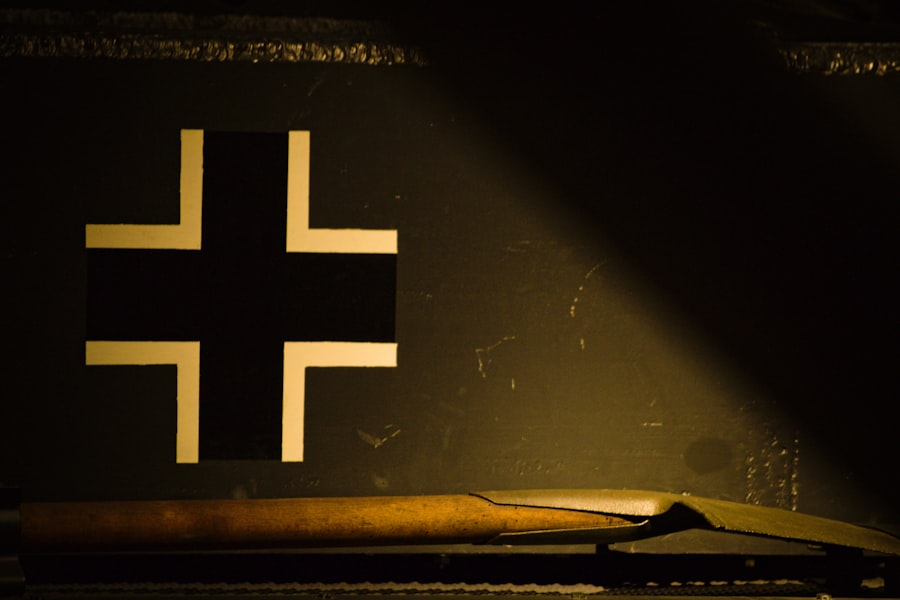
Photographs and videos are powerful tools in military history, offering immediate and visceral connections to past events. However, their interpretation is significantly enhanced through the careful examination of their embedded metadata, which can confirm authenticity, reveal context, and even expose digital manipulation.
The Camera’s Silent Testimony: EXIF Data in Historical Images
Digital photographic metadata, often referred to as EXIF (Exchangeable Image File Format) data, is a treasure trove of information. For military photographs, this can include the camera model and serial number, the date and time of capture, camera settings like aperture and shutter speed, and crucially, GPS coordinates if geotagging was enabled. This metadata can help verify the authenticity of an image, confirm its location, and provide insights into the conditions under which it was taken. Imagine a photograph purported to be from a specific battle; EXIF data can confirm if the image was indeed captured at that location and time, or if it is a doctored or misattributed image.
Unpacking Video Metadata: Beyond the Visual Frame
Video recordings, whether from body-worn cameras, drones, or reconnaissance aircraft, are complex media forms. Their associated metadata can be equally intricate, detailing camera specifications, frame rates, resolution, and audio encoding. For military operations, video metadata can confirm the duration of footage, the sequence of events captured, and potentially even the movement patterns of individuals or vehicles within the frame. This level of detail is invaluable for reconstructing tactical engagements and understanding the spatial and temporal dynamics of military actions.
Detecting Deception: Inconsistencies in Metadata Trails
The presence of digital manipulation or outright fabrication can often be betrayed by inconsistencies within the metadata. For instance, if a photograph’s EXIF data indicates it was taken at a specific time and location, but the visual content depicts elements inconsistent with that time or place (e.g., modern equipment in an ancient battle photograph), then the metadata has raised a red flag. Similarly, altered video files might exhibit unusual jumps or discrepancies in their timestamps or codec information.
The Anonymous Artifact: When Metadata is Stripped
Conversely, the absence of metadata, or the deliberate stripping of it, can itself be a significant indicator. If official military photographs or videos are released to the public with metadata meticulously removed, it can suggest an intent to control the narrative or to obscure the precise context of the visual evidence. This is akin to a witness being allowed to testify but forbidden from revealing their identity or the circumstances of their observation. The lack of information becomes a clue in itself.
Personnel and Postings: Metadata in Service Records
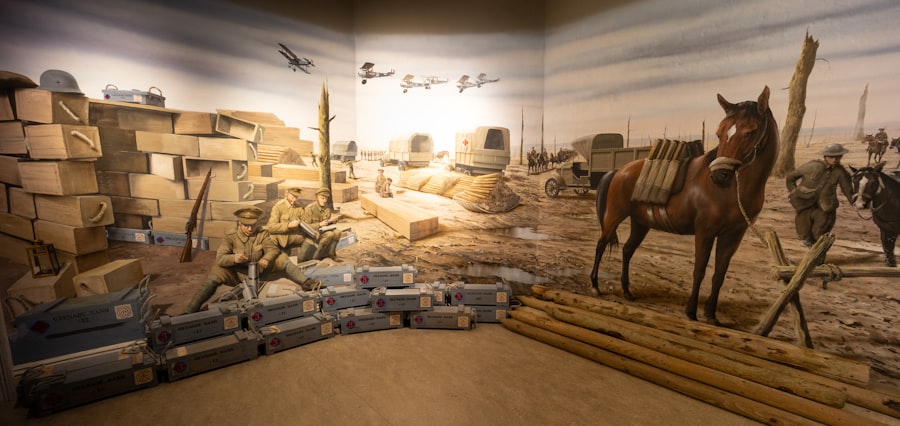
Military service records are extensive documents that detail an individual’s career within an armed force. When digitized, they become repositories of metadata that can illuminate individual contributions, career trajectories, and the broader patterns of military personnel management.
Tracing Military Careers: The Sequential Metadata of Service
Service records often contain a chronological sequence of metadata entries detailing enlistment dates, promotions, duty stations, training courses, and commendations. By analyzing this sequential metadata, historians can reconstruct the career path of individual soldiers, identify patterns of specialization, and understand the impact of specific assignments on their development. This allows for a micro-history of individual service within the macro-history of military events.
Understanding Deployment Patterns: Geographic and Temporal Metadata
Metadata within service records can reveal detailed information about where and when individuals were deployed. This includes dates of deployment, theatre of operations, and specific unit assignments. By aggregating this data across numerous service records, researchers can map out deployment patterns, understand the logistical challenges of troop movements, and analyze the impact of various conflicts on the composition and deployment of military forces.
The Shadow of Bias: Metadata and Personnel Evaluation
Metadata associated with performance reviews and evaluations can, when examined critically, reveal instances of bias or fairness in personnel management. For example, the language used in evaluations, the frequency of commendations or disciplinary actions, and the patterns of promotion can all be influenced by factors unrelated to merit. While direct evidence of bias is rare, careful analysis of the metadata can provide suggestive evidence that warrants further investigation.
The Unsung Heroes: Identifying Roles Through Metadata
Not all military roles are overtly heroic or widely documented. Metadata in service records can help identify individuals in specialized technical roles, logistical support functions, or administrative positions who were crucial to military success but whose contributions might otherwise be overlooked. By cataloging their training and assignments, historians can piece together the complete picture of a military organization’s operational capacity.
Military history offers a fascinating glimpse into the strategies and events that have shaped nations. For those interested in exploring this topic further, a related article can provide valuable insights into the complexities of warfare and its impact on society. You can read more about this intriguing subject in the article found here, which delves into various aspects of military conflicts throughout history.
The Digital Archaeology of War: Future Directions and Challenges
| Metadata Type | Description | Example | Relevance to Military History |
|---|---|---|---|
| Document Provenance | Information about the origin and custody of military documents | Author, date created, chain of custody | Helps verify authenticity and trace historical context |
| Geospatial Coordinates | Hidden location data embedded in maps or images | Latitude and longitude of battle sites | Assists in battlefield analysis and troop movement studies |
| Timestamp Metadata | Exact time and date stamps on communications or orders | Encrypted radio message sent at 03:15 GMT | Critical for reconstructing timelines of military operations |
| Technical Specifications | Details about weapons, vehicles, or equipment hidden in manuals | Caliber, range, production batch number | Provides insight into technological capabilities and logistics |
| Communication Metadata | Data about sender, receiver, and routing of military messages | Sender ID, message route, encryption method | Enables understanding of command structure and communication flow |
| Image Metadata (EXIF) | Hidden data in photographs such as camera model and settings | Camera type, date taken, GPS location | Useful for verifying authenticity and context of wartime photos |
As military history continues its migration into the digital realm, the study and application of metadata will only become more critical. However, significant challenges remain in ensuring the long-term preservation, accessibility, and accurate interpretation of this data. The ongoing evolution of technology requires a proactive approach to digital archiving and metadata management.
Preserving the Digital Past: The Imperative of Long-Term Archiving
The long-term preservation of digital military records and their associated metadata is a formidable undertaking. File formats can become obsolete, storage media degrade, and digital rights management can create access barriers. Robust digital archiving strategies, coupled with regular data integrity checks and format migration, are essential to ensure that these invaluable historical resources remain accessible for future generations. This is like ensuring that ancient manuscripts are not only protected from physical decay but are also translated into languages that future scholars can understand.
The Challenge of Standardization and Interoperability
A significant hurdle in decoding hidden metadata is the lack of universal standards across different military branches, nations, and historical periods. Different systems employ various metadata schemas, making it difficult to integrate and analyze data from disparate sources. Efforts towards standardization and the development of interoperable metadata frameworks are crucial for unlocking the full potential of digital military archives.
Ethical Considerations: Privacy and Declassification
The sensitive nature of some military metadata raises ethical considerations regarding privacy and declassification. While historians seek to illuminate the past, they must also navigate the complexities of protecting classified information and respecting the privacy of individuals whose data is contained within these records. Careful declassification processes and anonymization techniques are vital for responsible research.
The Evolving Landscape of Metadata: AI and Machine Learning
The application of artificial intelligence and machine learning to metadata analysis holds immense promise for the future of military history. These technologies can automate the extraction and interpretation of metadata, identify complex patterns that human researchers might miss, and assist in the reconstruction of fragmented information. However, it is crucial to remember that AI tools are only as good as the data they are trained on, and human oversight remains indispensable for ensuring accuracy and nuanced interpretation.
Decoding hidden metadata is not merely an academic exercise; it is an essential process for understanding the complexities of past conflicts, the motivations of historical actors, and the impact of military actions on the world. As we continue to delve into the digital archives of military history, the meticulous examination of metadata will remain a cornerstone of our quest for a more complete and objective understanding of the past. It represents a commitment to not just reading the story, but to understanding the silent language through which it was told.
FAQs
What is hidden metadata in the context of military history?
Hidden metadata refers to embedded information within digital files or documents related to military history that is not immediately visible. This data can include details such as the origin, creation date, author, editing history, and geolocation, which provide additional context and authenticity to historical records.
How can hidden metadata be useful for military historians?
Hidden metadata can help military historians verify the authenticity of documents, track the provenance of historical records, understand the timeline of events, and uncover previously unknown connections or details about military operations and personnel.
What types of military history materials commonly contain hidden metadata?
Materials such as scanned documents, photographs, maps, official reports, and digital archives often contain hidden metadata. This metadata can be embedded in file formats like PDFs, images (JPEG, TIFF), and word processing documents.
Are there any risks associated with hidden metadata in military history documents?
Yes, hidden metadata can sometimes reveal sensitive or classified information unintentionally, such as exact locations, identities, or operational details. This can pose security risks if the documents are publicly shared without proper metadata sanitization.
How can researchers access or extract hidden metadata from military history files?
Researchers can use specialized software tools designed to read and analyze metadata, such as ExifTool, Adobe Acrobat, or digital forensics applications. These tools allow users to view, extract, and sometimes remove metadata from various file types to aid in historical research or ensure privacy.