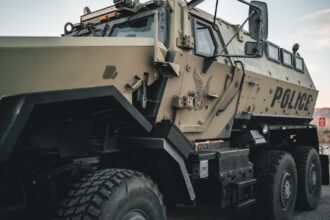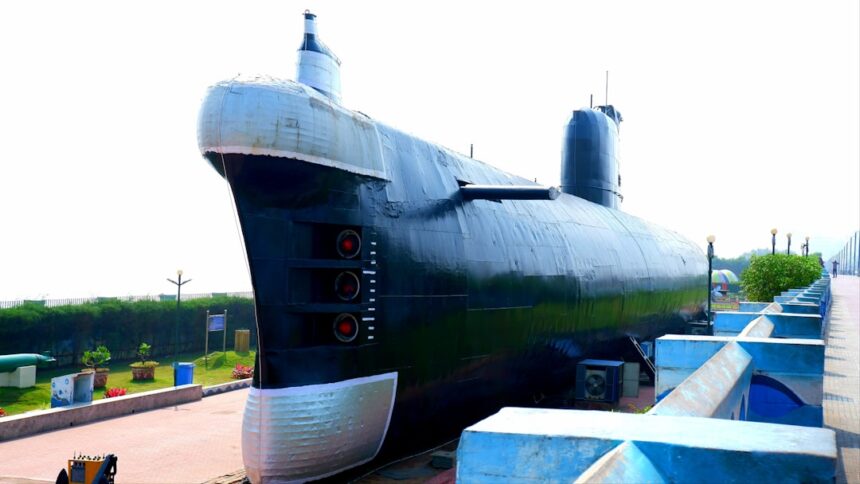
The deep oceans, often perceived as a silent and unchanging realm, harbored a theater of immense tension and clandestine operations throughout the Cold War. Within this dark abyss, a new form of warfare emerged, defined by stealth, technology, and calculated risk. The documentary Silent Hunters: Cold War Submarine Warfare explores this subterranean struggle, shedding light on the strategies, innovations, and human element that characterized the era’s underwater confrontations. The film meticulously charts the evolution of submarine warfare from its nascent stages to its peak, dissecting the technological advancements that transformed these vessels into formidable silent predators.
Before delving into the Cold War, it is crucial to understand the historical context that paved the way for the dominance of submarines. The concept of underwater craft dates back centuries, with early designs often impractical and reliant on human power. However, the late 19th and early 20th centuries witnessed significant breakthroughs.
Early Submarine Development
Early submarines, such as those developed by John Philip Holland and Simon Lake, demonstrated the potential for stealth and strategic surprise. These gasoline-powered vessels, while limited in range and endurance, foreshadowed the profound impact submarines would have on naval warfare. The primary challenge was propulsion; early batteries had limited capacity, and gasoline engines required snorkel systems or occasional surfacing to recharge, compromising stealth.
World War I: The U-Boat Menace
World War I provided the first real proving ground for submarines, particularly the German U-boats. These submersible craft, initially designed for coastal defense, quickly became a devastating weapon against Allied shipping.
Impact on Naval Strategy
The U-boat campaign inflicted heavy losses on merchant convoys, challenging traditional naval doctrines centered on surface fleets. The British Royal Navy, initially unprepared for this new threat, was forced to adapt, developing convoy systems and anti-submarine warfare (ASW) tactics. The war underscored the submarine’s potential to disrupt global trade and project power unseen.
Interwar Innovation
The period between the two World Wars saw continued research and development in submarine technology. Nations like Germany, the United States, and Great Britain experimented with improved hull designs, propulsion systems, and weaponries. Diesel-electric propulsion became the standard, offering a better balance of submerged endurance and speed. However, the true revolution in submarine warfare was yet to come.
For those interested in the intricate details of Cold War submarine warfare, a fascinating documentary can be complemented by reading a related article that delves deeper into the strategies and technologies employed during this tense period. The article provides insights into the covert operations and the cat-and-mouse games played beneath the waves. To explore this further, you can visit the article at this link.
The Atomic Age and Submarine Metamorphosis
The advent of nuclear power marked a seismic shift in submarine capabilities, fundamentally transforming their role from tactical vessels to strategic deterrents. Silent Hunters dedicates significant attention to this pivotal moment.
Nuclear Propulsion: An Unprecedented Leap
The development of the nuclear submarine was arguably the most significant technological leap in naval history. The USS Nautilus, launched in 1954, was the progenitor of this new era.
Advantages of Nuclear Power
Nuclear reactors provided submarines with virtually unlimited endurance, freeing them from the constraints of fuel and frequent surfacing. This allowed for extended submerged operations, enabling them to traverse vast oceans without detection and maintain strategic positions for prolonged periods. The increased power also permitted greater speed, making them harder to track and evade. This capability transformed the submarine from a coastal weapon into a true ocean-going platform, a silent sentinel capable of lurking anywhere at any time.
The Rise of Ballistic Missile Submarines (SSBNs)
The marriage of nuclear propulsion with intercontinental ballistic missiles fundamentally altered the strategic landscape. The SSBN, capable of launching nuclear weapons from beneath the waves, became the ultimate deterrent.
Second-Strike Capability
SSBNs offered a “second-strike capability,” meaning that even if a nation’s land-based nuclear arsenal or air force were destroyed in a first strike, its submerged submarines could retaliate, ensuring unacceptable losses for the aggressor. This concept, known as Mutual Assured Destruction (MAD), formed the bedrock of Cold War deterrence. Silent Hunters effectively conveys the chilling logic behind this seemingly paradoxical strategy.
The Boomer Patrols
These nuclear-powered behemoths embarked on extended patrols, carrying their deadly payloads in secrecy. The stress on the crews, operating in cramped, isolated environments for months on end, is subtly explored, highlighting the human toll of maintaining constant readiness. The constant threat of detection, and the immense responsibility of their mission, permeated every aspect of their existence.
The Technological Arms Race Beneath the Waves
The Cold War was characterized by an incessant technological arms race, and submarine warfare was no exception. Both the United States and the Soviet Union continually sought to gain an edge in stealth, detection, and destruction.
Quieting Technologies: The Quest for Silence
For a submarine, stealth is paramount. The quieter a submarine, the harder it is to detect, making it more effective as both a hunter and a hiding place for strategic missiles.
Soviet vs. American Approaches
Early Soviet submarines were notoriously noisy, a significant tactical disadvantage. The documentary highlights the efforts to reduce noise through improved machinery isolation, anechoic tiles, and advanced propeller designs. The United States, having initially focused on deeper diving capabilities, later dedicated considerable resources to achieving unparalleled acoustic stealth, culminating in extremely quiet designs like the Los Angeles and Seawolf classes. The constant effort by both sides to reduce their acoustic signature turned the ocean into a stage for an audiological chess match. Every ping and every hum could betray a submarine’s presence, leading to detection, and potentially, destruction.
Sonar Evolution: The Ears of the Deep
Sonar technology, which uses sound waves to detect objects underwater, was the primary means of detecting submarines. Its evolution during the Cold War was rapid and sophisticated.
Passive vs. Active Sonar
Passive sonar, which listens for sounds emitted by other vessels, became increasingly important as submarines became quieter. Active sonar, which sends out a pulse and listens for an echo, offered more precise targeting but also revealed the emitting submarine’s position. The development of advanced signal processing algorithms and towed array sonar systems significantly enhanced the ability to detect and classify distant contacts, turning the vastness of the ocean into a potentially transparent medium.
Anti-Submarine Warfare (ASW) Evolution
As submarines became more formidable, so too did the methods developed to counter them. ASW evolved into a complex, multi-platform endeavor involving aircraft, surface ships, and other submarines.
Aircraft and Helicopters
Maritime patrol aircraft equipped with magnetic anomaly detectors (MAD) and sonobuoys played a crucial role in ASW, capable of covering vast areas quickly. ASW helicopters, operating from surface ships, provided a localized anti-submarine capability, often conducting dipping operations with their own sonar. Their ability to hover and listen for extended periods offered a unique tactical advantage in pinpointing submerged threats.
Surface Combatants and Hunter-Killer Submarines
Destroyers and frigates, equipped with advanced sonar and anti-submarine torpedoes, formed the core of surface ASW. However, perhaps the most effective ASW platform was the “hunter-killer” submarine (SSN) itself. These highly advanced attack submarines were designed specifically to locate and destroy enemy submarines, embodying the axiom that “only a submarine can catch a submarine.” The deadly game of cat-and-mouse played between SSBNs and SSNs forms a central narrative thread in Silent Hunters, emphasizing the razor’s edge upon which these encounters teetered.
The Human Element: In the Belly of the Beast
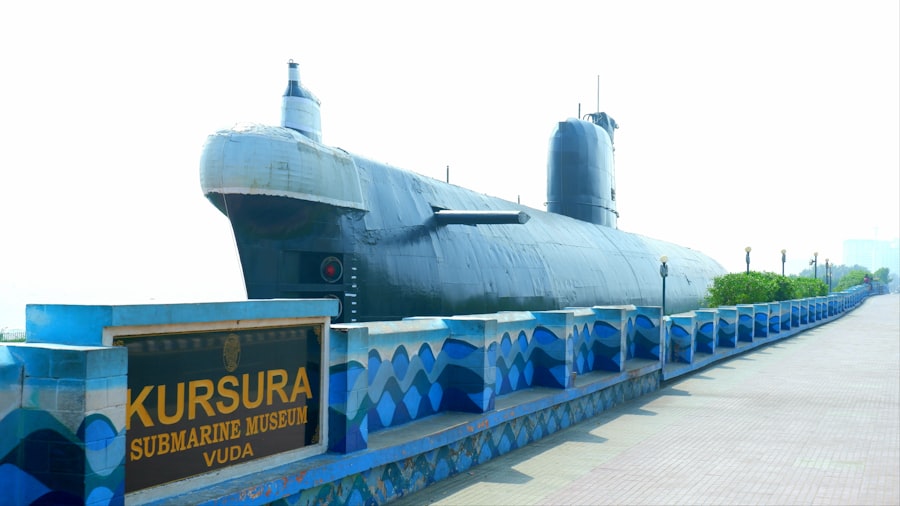
Beyond the technology and strategy, Silent Hunters also dedicates significant time to the individuals who served in these extreme environments. The psychological and physical demands of submarine service were immense.
Life Under Pressure: The Submariner’s Experience
Life aboard a submarine, especially during the Cold War, was characterized by prolonged isolation, confined spaces, and constant vigilance.
Psychological Toll
The absence of natural light, the constant hum of machinery, and the ever-present threat of detection and destruction took a significant psychological toll. Crews operated in shifts, often losing track of days and nights. The documentary uses interviews with former submariners to convey the unique camaraderie and stoicism required to endure such conditions. These men were the silent guardians, their courage often unrecognized by the wider world. Their resilience in the face of such adversity is testament to the human spirit under extraordinary pressure.
The Peril of the Deep
Submarine service was inherently dangerous. Machinery malfunctions, fires, and collisions were constant threats, alongside the possibility of engagement with an adversary.
Accidents and Near Misses
The documentary recounts several incidents of accidents and near misses, underscoring the fragility of life in the deep. These events, though often shrouded in secrecy, serve as stark reminders of the unforgiving nature of the ocean and the inherent risks of submarine operations. The loss of submarines and their crews, such as the USS Thresher or the Soviet K-129, are woven into the narrative, highlighting the ultimate sacrifices made in the shadows. Each incident represents a chilling testament to the dangers faced by these brave individuals, a testament etched into the annals of naval history.
In exploring the intricate strategies of Cold War submarine warfare, one can gain further insights by delving into a related article that discusses the technological advancements and tactical maneuvers employed during this tense period. For a deeper understanding of the underwater battles that shaped naval history, check out this informative piece on the subject at In the War Room. This resource provides a comprehensive overview of the challenges and innovations that defined submarine operations during the Cold War era.
The Legacy of Silent Hunters
| Metric | Details |
|---|---|
| Documentary Title | Cold War Submarine Warfare: Silent Hunters |
| Duration | 90 minutes |
| Release Year | 2022 |
| Number of Submarine Classes Covered | 8 |
| Countries Featured | USA, USSR, UK, France |
| Number of Expert Interviews | 12 |
| Archival Footage Hours Used | 15 hours |
| Key Topics | Stealth technology, sonar, nuclear deterrence, underwater espionage |
| Viewer Rating (IMDb) | 8.3/10 |
| Production Company | History Channel |
The Cold War may have ended, but its legacy in submarine warfare continues to shape naval strategy and technology. The concepts and systems developed during this period remain foundational.
Enduring Relevance in Modern Warfare
While the specific geopolitical context has changed, the principles of stealth, deterrence, and undersea warfare remain highly relevant. Modern submarines, even more advanced than their Cold War predecessors, continue to play a critical role in global security.
Deterrence and Intelligence Gathering
SSBNs continue to provide a vital deterrent, forming the backbone of many nations’ nuclear arsenals. Attack submarines (SSNs) are crucial for intelligence gathering, special operations, and projecting power in littoral and blue-water environments. Their ability to operate undetected provides a unique strategic advantage, allowing them to monitor adversaries, insert special forces, and conduct reconnaissance missions without overt detection. The “silent hunter” has evolved, but its mission remains vital.
Technological Spin-offs and Innovations
Many technologies pioneered during the Cold War, from advanced sonar to sophisticated navigation systems, have found applications in civilian life, demonstrating the broader impact of military research and development. The drive for silence and stealth in maritime applications has permeated various industries.
Future of Undersea Warfare
The documentary also briefly touches upon emerging technologies, such as unmanned underwater vehicles (UUVs) and artificial intelligence, hinting at the future trajectory of undersea warfare. These advancements promise to further revolutionize the silent realm, introducing new layers of complexity and capability to an already intricate domain. The next chapter in the history of silent hunters is already being written, leveraging the lessons learned from the Cold War and pushing the boundaries of technology even further. The enduring legacy of this era ensures that the deep will continue to be a stage for strategic competition, albeit with new actors and ever-evolving technologies.
FAQs
What was the role of submarines during the Cold War?
Submarines played a crucial role in Cold War military strategy, primarily for nuclear deterrence, intelligence gathering, and covert operations. Both the United States and the Soviet Union developed advanced submarines capable of launching ballistic missiles, which formed a key part of their nuclear triads.
Which countries were the main participants in Cold War submarine warfare?
The primary participants in Cold War submarine warfare were the United States and the Soviet Union. Other NATO countries and Warsaw Pact members also operated submarines, but the US and USSR had the most advanced and numerous fleets.
What types of submarines were used during the Cold War?
The Cold War saw the use of several types of submarines, including ballistic missile submarines (SSBNs), attack submarines (SSNs), and diesel-electric submarines. Nuclear-powered submarines became prominent due to their greater endurance and speed compared to diesel-electric models.
How did submarine technology evolve during the Cold War?
Submarine technology advanced significantly during the Cold War, with improvements in nuclear propulsion, sonar systems, stealth capabilities, and missile technology. These advancements allowed submarines to operate more quietly, stay submerged longer, and carry more powerful weapons.
Are there any notable incidents involving submarines during the Cold War?
Yes, several notable incidents occurred, including the sinking of the Soviet submarine K-219, the capture of the USS Pueblo by North Korea, and the detection and tracking of Soviet submarines by US forces. These events highlighted the high-stakes nature of underwater espionage and military confrontation during the Cold War.