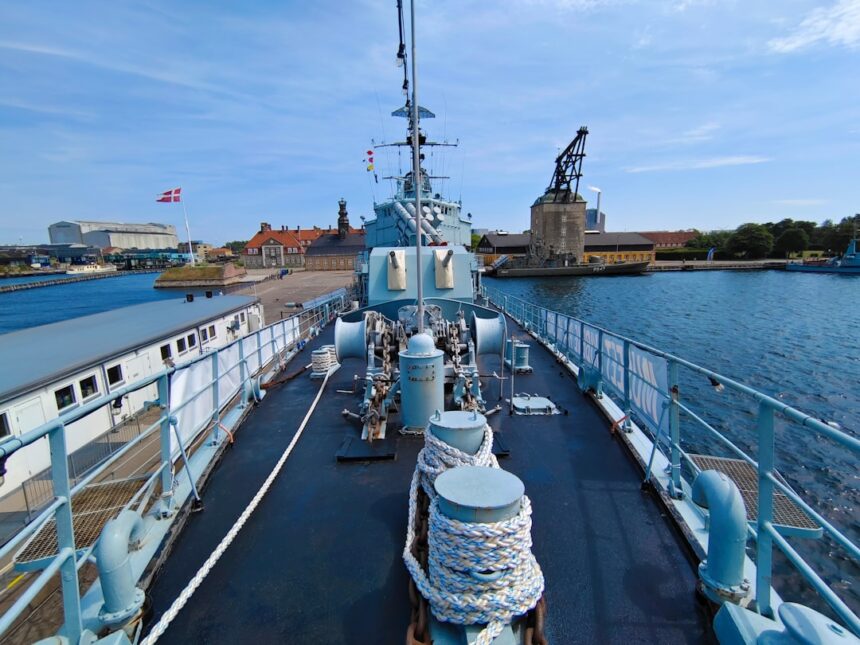
The Cold War, a period of geopolitical tension between the Soviet Union and the United States and their respective allies, was largely characterized by proxy wars, ideological conflict, and a relentless arms race. While land-based confrontations and aerial skirmishes often garnered public attention, a silent and often secretive battle raged beneath the waves and across the vast expanses of the world’s oceans. Recent declassifications of military documents have begun to shed light on the intense naval confrontations that defined this era, moving these underwater chess matches from the realm of speculation into the domain of historical fact.
The Cold War transformed naval warfare, shifting its primary focus from surface engagements to the silent, deadly struggle beneath the waves. The development of nuclear-powered submarines, armed with ballistic missiles and advanced torpedoes, introduced a new dimension to global power projection and deterrence. These vessels became both a primary means of strategic attack and a critical component of defensive strategy.
The Rise of the Nuclear Submarine
The Soviet Union’s Whiskey-class submarines and the United States’ Nautilus, the world’s first nuclear-powered submarine commissioned in 1954, marked a pivotal moment. These vessels possessed unprecedented endurance and speed, enabling them to operate independently for extended periods without surfacing, thereby dramatically reducing their vulnerability to detection. This technological leap rendered obsolete many traditional anti-submarine warfare (ASW) tactics and forced both superpowers to invest heavily in new detection and tracking technologies.
The Doctrine of Mutually Assured Destruction (MAD) and Submarines
Nuclear submarines, particularly those carrying intercontinental ballistic missiles (SSBNs), became a cornerstone of the doctrine of Mutually Assured Destruction (MAD). Their ability to survive a first strike and retaliate offered a credible second-strike capability, ensuring that any nuclear aggression would be met with devastating consequences. This underwater deterrent, often referred to as “boomers,” operated in deep ocean patrols, their locations a closely guarded secret, acting as a constant check against nuclear escalation.
The declassification of documents related to Cold War naval battles has shed new light on the strategic maneuvers and confrontations that defined this tense period in history. An insightful article discussing these revelations can be found at In The War Room, where experts analyze the implications of these newly available records and their impact on our understanding of naval warfare during the Cold War. This resource provides a comprehensive overview of the tactics employed by both sides and highlights the significance of naval power in global politics at the time.
Escalate to De-escalate: Naval Confrontations as Diplomatic Tools
Naval forces frequently served as instruments of foreign policy during the Cold War, often deployed to sensitive regions to signal intent, exert pressure, or demonstrate resolve without necessarily initiating open conflict. These deployments, even when ostensibly peaceful, often led to tense standoffs and close encounters that skirted the edge of armed conflict.
The Berlin Crisis and Naval Showdowns
The various Berlin Crises, particularly in the early 1960s, saw heightened naval activity. While a landlocked city, the surrounding geopolitical tensions manifested at sea. The deployment of U.S. aircraft carriers and naval task forces to the Atlantic and Mediterranean during these periods served as a clear message to the Soviet Union, demonstrating American commitment to Western Europe and their ability to project power globally. These naval movements were not passive; they involved increased surveillance, reconnaissance flights, and sometimes even “shadowing” operations by opposing navies.
The Cuban Missile Crisis: A Naval Blockade’s Effectiveness
Perhaps the most famous instance of naval power as a diplomatic tool was the Cuban Missile Crisis in October 1962. The U.S. Navy implemented a “quarantine” (a blockade under international law, but strategically renamed to avoid implications of war) around Cuba to prevent the delivery of further Soviet offensive weapons. This naval pressure forced a direct confrontation, with Soviet ships carrying missiles reversing course under threat of interception. Declassified documents reveal the intense back-and-forth between American destroyers and Soviet submarines whose orders, had they not been overridden by their political officers, could have plunged the world into nuclear war. Reader, consider the thin line between deterrence and catastrophe, a line often patrolled by naval vessels during this crisis.
Beneath the Waves: The Silent War of Espionage and Counter-Espionage
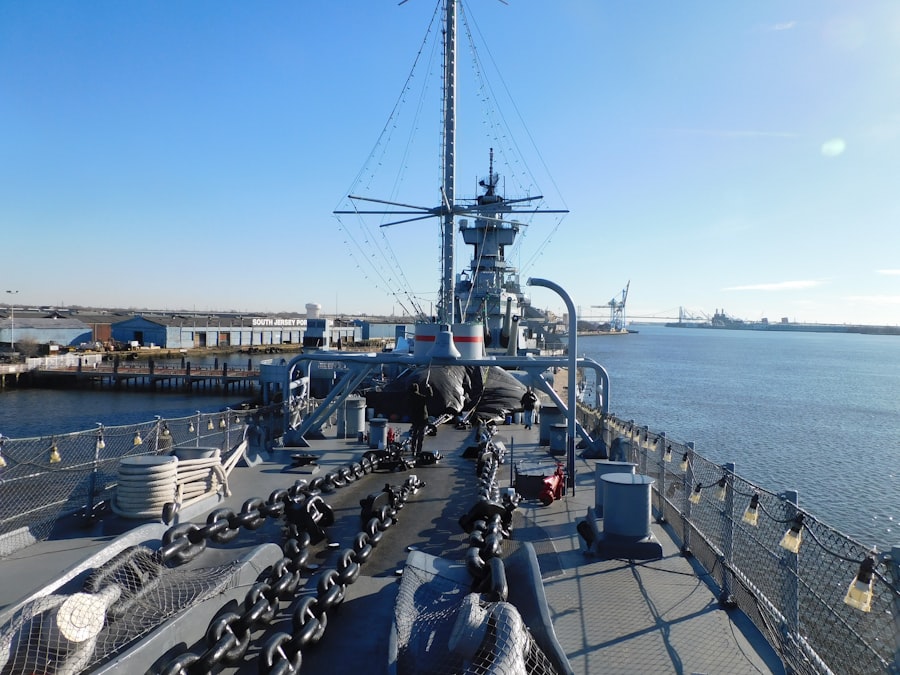
Beyond overt shows of force, a covert war of intelligence gathering and counter-intelligence was waged relentlessly beneath the ocean’s surface. Both the U.S. Navy and the Soviet Navy deployed specialized submarines for reconnaissance, wiretapping, and the monitoring of enemy naval movements.
Operation Ivy Bells: Tapping Soviet Communications
One of the most audacious acts of Cold War naval espionage was Operation Ivy Bells. From the early 1970s up to 1981, American submarines, primarily the USS Halibut, covertly tapped into a Soviet underwater communications cable in the Sea of Okhotsk, a heavily guarded Soviet maritime zone. This operation, detailed in declassified files, allowed the U.S. to intercept critical Soviet military and intelligence communications for years, providing an invaluable window into Soviet strategy and capabilities. The eventual compromise of this operation by a disgruntled former NSA employee highlighted the inherent risks of such high stakes espionage.
Submarine-on-Submarine Encounters
The oceans became a vast stage for cat-and-mouse games between opposing submarines, often operating in close proximity, each trying to detect, track, or evade the other. These “bumps” and “brushes” were common, especially in strategic choke points or near naval bases. While rarely resulting in direct combat, these encounters were fraught with danger, with the potential for collision or accidental engagement. Declassified reports detail instances where submarines scraped hulls, tangled propellers in fishing nets, or even suffered minor damage due to unforeseen contact with an adversary. These were battles of wits, technology, and nerves, fought in the crushing silence of the deep.
Technological Arms Race: Sonar, Propulsion, and Stealth
The Cold War naval arms race was characterized by a relentless drive for technological superiority. Innovations in sonar, propulsion systems, and stealth technology became critical determinants of naval power, impacting both offensive and defensive capabilities.
The Acoustic Arms Race: Sonar vs. Quietness
The development of advanced sonar systems was paramount for detecting submerged submarines. Both sides poured resources into improving active and passive sonar, aiming to detect fainter noises at longer ranges. Simultaneously, immense efforts were made to reduce the acoustic signature of submarines. Quieter propulsion systems, anechoic tiles to absorb sonar waves, and advanced baffling systems became standard. The term “silent service” reflected not just the covert nature of submarine operations but also the engineering marvels achieved in minimizing acoustic emissions. The arms race became a constant cycle of improving detection and improving stealth, a technological pendulum swinging back and forth.
Anti-Submarine Warfare (ASW) Innovations
ASW became a dedicated discipline, encompassing a range of naval platforms and sensors. Surface ships, maritime patrol aircraft (like the P-3 Orion), and specialized ASW helicopters were all equipped with various sonars, magnetic anomaly detectors (MAD), and sonobuoys to hunt down and track enemy submarines. The development of advanced torpedoes and depth charges, capable of striking deep-diving submarines, completed the ASW arsenal. Declassified records reveal the extensive research and development conducted to counter the ever-increasing threat posed by quiet, fast-moving submarines.
The declassification of documents related to Cold War naval battles has shed new light on the strategic maneuvers and confrontations that defined this tense period in history. For those interested in exploring this topic further, a compelling article can be found at this link, which delves into the intricacies of naval engagements and the implications they had on global politics. Understanding these battles not only enhances our knowledge of military strategy but also reveals the underlying tensions that shaped international relations during the Cold War era.
Close Calls and “Incidents”: The Fog of Near War
| Battle Name | Date | Location | Involved Navies | Outcome | Declassified Year | Significance |
|---|---|---|---|---|---|---|
| Operation Vantage | 1956 | North Atlantic | US Navy vs Soviet Navy | Standoff, no direct combat | 1995 | Showed early Cold War naval posturing |
| Barents Sea Incident | 1965 | Barents Sea | US Navy vs Soviet Navy | Minor skirmish, one ship damaged | 2005 | Highlighted risks of naval encounters in Arctic |
| Gulf of Tonkin Incident | 1964 | Gulf of Tonkin | US Navy vs North Vietnamese Navy | US claimed attack, led to escalation | 1997 | Triggered US escalation in Vietnam War |
| Black Sea Confrontation | 1972 | Black Sea | US Navy vs Soviet Navy | Naval blockade and show of force | 2010 | Demonstrated freedom of navigation operations |
| U-2 Incident Naval Support | 1960 | Pacific Ocean | US Navy support for U-2 flights | Recovery operations after shootdown | 1990 | Showed naval role in intelligence missions |
Beneath the veneer of diplomatic rhetoric, numerous incidents occurred at sea that brought the superpowers perilously close to open conflict. These “incidents,” often hushed up or presented as minor accidents, were in fact high-stakes confrontations, each carrying the potential for catastrophic escalation.
The USS Scorpion and the Kursk Incident
While the loss of the USS Scorpion in 1968 and the Soviet K-129 submarine in the same year are still shrouded in some mystery, declassified materials have contributed to theories regarding their demise. Some speculate about collisions with opposing submarines, although official investigations have yielded different conclusions. Regardless of the definitive cause, these losses underscored the inherent dangers of deep-sea operations and the constant risk of unforeseen incidents during the Cold War. Reader, imagine the tension among naval crews, operating in an environment where a single miscalculation could lead to disaster, with international implications.
The Black Sea Bumping Incident (1988)
One of the most widely publicized “incidents” involved the collision between the U.S. cruiser USS Yorktown and the Soviet frigate Bezzavetny in the Black Sea in February 1988. The American ships were conducting a “innocent passage” through Soviet territorial waters, a claim disputed by the Soviets. The Soviet vessels deliberately rammed the American ships, an act of ramming that was a clear and dangerous escalation of Cold War tensions. Declassified operational reports and photographic evidence confirmed the Soviet intent and the dangerous proximity of the two navies. This incident, occurring late in the Cold War, highlighted the enduring potential for direct confrontation even as détente was taking hold.
The “Dogfight” Below the Surface: Near Misses and Strategic Importance
Numerous “brush passes” occurred between American and Soviet submarines. Declassified sonar logs and after-action reports detail instances where submarines came within yards of each other, navigating blindly by sound in a three-dimensional battlespace. These near misses were not always accidental; sometimes, they were deliberate attempts to gather intelligence on an adversary’s acoustic signature or operational patterns. The stakes were always high; a misjudgment, a mechanical failure, or a moment of panic could have led to a collision with potentially catastrophic consequences, given the nuclear arsenals on board many of these vessels.
In conclusion, the newly declassified documents paint a more comprehensive and often chilling picture of Cold War naval operations. They reveal a world where silent battles were fought daily, where technological innovation was a matter of national survival, and where individual decisions beneath the waves could have altered the course of history. The oceans, far from being a passive background, were a dynamic theater of conflict, espionage, and near-misses that shaped the geopolitical landscape of the latter half of the 20th century. These revelations not only enrich our understanding of a pivotal historical period but also underscore the enduring importance of naval power in international relations.
FAQs
What were some of the most significant naval battles during the Cold War?
Significant Cold War naval battles include the Cuban Missile Crisis naval blockade, the Gulf of Tonkin incident, and various submarine confrontations between the US and Soviet navies. These engagements often involved strategic positioning and intelligence rather than direct large-scale combat.
Why were many Cold War naval battles classified for so long?
Many Cold War naval battles were classified to protect national security interests, maintain strategic advantages, and prevent revealing sensitive military technologies or tactics to adversaries. Declassification often occurs decades later when the information is deemed less sensitive.
What new information has been revealed in the declassified Cold War naval battle documents?
Declassified documents have revealed details about covert operations, submarine espionage missions, near-collisions, and the extent of naval intelligence gathering. They also provide insights into the decision-making processes and the risks involved in naval confrontations during the Cold War.
How did naval technology impact Cold War naval battles?
Advancements in submarine technology, sonar, missile systems, and electronic warfare played crucial roles in Cold War naval battles. These technologies allowed for stealthier operations, improved detection capabilities, and more effective strategic deterrence.
What role did naval battles play in the overall Cold War strategy?
Naval battles and operations were central to Cold War strategy by enabling power projection, securing sea lanes, gathering intelligence, and deterring enemy actions. Control of the seas was vital for both NATO and Warsaw Pact forces to maintain global influence and readiness.