The curtain has long since fallen on the Cold War, yet many of its most critical operations, particularly those conducted at sea, remained shrouded in secrecy for decades. The icy standoff between the United States and the Soviet Union was not just a struggle of ideologies and nuclear arsenals; it was also a sprawling, unseen conflict played out beneath and upon the waves. Understanding these clandestine naval endeavors offers a profound insight into the geopolitical dynamics of the 20th century and the constant threat of global annihilation that hung heavy in the air.
For both the American and Soviet navies, submarines were the ultimate silent sentinels of the deep. These vessels, capable of operating unseen for extended periods, formed the backbone of their nuclear deterrent and reconnaissance capabilities. The oceans became a vast, dark theater where these metal leviathans prowled, their missions often unknown even to their own governments until long after their execution. The development of increasingly sophisticated submarine technology, from nuclear propulsion to advanced sonar systems, transformed underwater warfare into a high-stakes game of cat and mouse, played out in the crushing depths and silent darkness.
Deterrence Through Stealth: Ballistic Missile Submarines
Perhaps the most critical role of submarines during the Cold War was their deployment as platforms for intercontinental ballistic missiles (ICBMs). These nuclear-armed submarines, often referred to as “boomers,” carried the awesome power to strike deep into enemy territory, offering a second-strike capability that was central to the doctrine of Mutually Assured Destruction (MAD).
The SSBN Fleets: A Sword of Damocles
The United States’ George Washington, Lafayette, James Madison, and Benjamin Franklin classes, and the Soviet Union’s Project 658, 667A Dolphin, and 667B Murena classes, represented a tangible embodiment of this terrifying deterrence. These vessels, submerged and undetectable, were veritable sword of Damocles, poised to unleash apocalyptic destruction. The constant patrols of these submarines, often near enemy coastlines, were a nerve-wracking ballet of presence and potential annihilation. The sheer scale of these SSBN fleets, though their exact numbers and patrols were classified, underscored the immense stakes of the Cold War.
The Ever-Present Threat: Tracking and Counter-Tracking
The challenge for both sides was not just to launch their missiles but to ensure their submarines’ survival and the accurate tracking of enemy submarines. This led to an intense arms race in sonar technology, submarine design, and anti-submarine warfare (ASW) capabilities. The psychological pressure on submarine crews was immense, tasked with remaining silent and undetected for months on end, knowing that their mere presence could prevent a nuclear war, or, conversely, be the trigger for it.
The Eyes and Ears of the Fleet: Reconnaissance Submarines
Beyond their deterrent role, submarines served as the primary intelligence-gathering platforms for both navies. Their ability to operate close to enemy shores, to gather electronic emissions, conduct photographic reconnaissance, and even plant listening devices on undersea cables, made them invaluable assets.
SIGINT and ELINT: Listening to the Enemy’s Whispers
Submarines equipped for Signals Intelligence (SIGINT) and Electronic Intelligence (ELINT) missions were the silent listeners to the enemy’s whispers. They would trail enemy naval vessels, eavesdrop on communications, and gather data on radar frequencies and other electronic emanations. This information was critical for understanding enemy intentions, capabilities, and movements, forming a vital layer of intelligence that complemented satellite and aerial reconnaissance. The meticulous documentation and analysis of even the faintest electronic signatures provided an unseen advantage in the complex geopolitical chess match.
Operation Ivy Bells: A Bold Gambit
One of the most audacious examples of submarine-based intelligence operations was Operation Ivy Bells. This joint U.S. Navy and National Security Agency (NSA) operation in the 1970s involved the installation of a wiretap device on a Soviet submarine communication cable on the seabed of the Sea of Okhotsk. The success of this operation, which allowed the U.S. to listen in on Soviet communications for an extended period, highlights the innovative and often daring nature of Cold War naval intelligence. The installation of this device, a metallic leech clinging to the vital artery of Soviet communication, offered an unparalleled look into their wartime planning and operational procedures.
Recent revelations about Cold War naval operations have shed light on the intricate strategies employed by both the United States and the Soviet Union during this tense period in history. For a deeper understanding of these operations, you can explore the article titled “Cold War Naval Strategies: A Deep Dive” available at In the War Room. This article provides an in-depth analysis of the naval tactics and technologies that defined the maritime confrontations of the era, highlighting the significance of naval power in shaping geopolitical outcomes.
The Surface Armada: Projection and Presence
While submarines operated in the shadows, the surface fleets of the United States and the Soviet Union were the more visible manifestations of naval power. These fleets, bristling with firepower and capable of projecting force across vast distances, were crucial for demonstrating resolve, conducting exercises, and engaging in proxy conflicts.
The Carrier Battle Groups: Mobile Air Power
U.S. Navy aircraft carrier battle groups were the undisputed queens of the seas. These self-contained mobile airfields provided a unique projection of power, capable of launching aircraft for reconnaissance, attack, and air superiority missions anywhere in the world.
Projecting Power: The ‘Gunboat Diplomacy’ of the Cold War
The presence of a carrier battle group in a region could significantly alter the geopolitical landscape. They served as a visible deterrent to Soviet aggression and a reassuring presence for allies. From the waters off Vietnam to the Mediterranean and the Indian Ocean, these floating fortresses underscored America’s global reach and commitment. Their movements were carefully choreographed displays of might, a modern iteration of ‘gunboat diplomacy’ where the threat of overwhelming force spoke louder than words.
The Carrier vs. Submarine Dynamic: An Eternal Dance
The inherent vulnerability of carriers to submarine attack also fueled a constant technological arms race in anti-submarine warfare. The dynamic between the powerful, visible surface fleet and the invisible, lurking submarine threat was a central theme in naval strategy throughout the Cold War. The carriers, like brightly lit beacons, were also giant targets, constantly aware of the unseen predators that could emerge from the abyss.
The Soviet Counterweight: A Growing Blue Water Navy
The Soviet Union, initially a land-focused power, gradually developed a formidable blue-water navy throughout the Cold War. Their focus was often on challenging the U.S. naval dominance and projecting Soviet influence into key strategic areas.
The “Fleet in Being”: Shadowing and Harassment
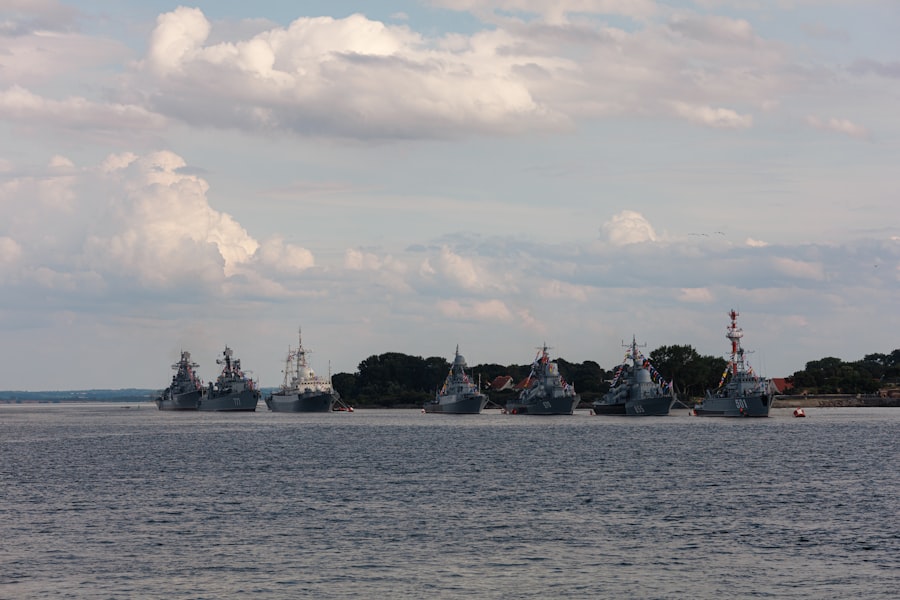
While the Soviet Union never achieved parity with the U.S. in terms of carrier power, their surface fleet, including a significant number of cruisers, destroyers, and frigates, was designed for anti-ship warfare and shadowing of Western naval forces. They aimed to create a “fleet in being,” a constant threat that forced the U.S. to dedicate significant resources to maintaining situational awareness and defense. Their goal was often harassment and a constant gnawing at the edges of American naval superiority.
The “Forward Deployment” Strategy: Reaching Out
The Soviet Union’s naval expansion was driven by a strategy of “forward deployment,” aiming to establish bases and influence in regions far from their home waters. This was evident in their efforts to gain access to ports in countries like Cuba, Vietnam, and various African nations, allowing them to project power and counter American influence globally. The strategic placement of their ships was like strategically placed chess pieces on a global board.
The Shadow Wars: Espionage and Covert Operations
The Cold War at sea was not solely about technological superiority or overt displays of power. It was also a battle of wits, conducted through espionage, sabotage, and covert operations, often with little or no public acknowledgment.
Intelligence Gathering Beyond Submarines: The Role of Other Platforms
While submarines were the stealthiest intelligence gatherers, other naval assets also played a crucial role in gathering information and conducting covert missions.
Reconnaissance Aircraft: The Eyes in the Sky
Long-range reconnaissance aircraft, such as the U.S. P-3 Orion and the Soviet II-38 May, were vital for monitoring Soviet naval movements and gathering electronic intelligence. These aircraft conducted “barrier patrols” and “armed reconnaissance” missions, always pushing the boundaries of international airspace and often encountering Soviet fighter escorts. Their flights were like probing fingers, testing the defenses and gathering vital intelligence from above.
Special Operations Forces: Elite Units in the Deep
Naval special operations forces from both sides were trained and equipped for a variety of covert missions, including reconnaissance, sabotage, and direct action. Their operations often took place in sensitive areas and were characterized by extreme secrecy. These units operated like surgical strikes, capable of precision action in denied environments.
The Arctic Frontier: A Contested Domain
The Arctic, with its strategic location and harsh environment, became a critical theater of Cold War naval operations. The icy waters were a playground for submarines and a crucial staging ground for missile launches.
The Northern Sea Route: Strategic Importance
The control and monitoring of the Northern Sea Route, a potential shortcut for shipping and a launching point for nuclear missiles, was of immense strategic importance. Both navies conducted extensive patrols and exercises in the Arctic, vying for dominance in this unforgiving environment. The melting ice caps of the modern era reveal the lasting strategic significance of this frigid frontier.
Under-Ice Operations: A Unique Challenge
Submarine operations in the Arctic presented unique challenges, requiring specialized training and equipment to navigate under the ice pack. The ability to operate and launch missiles from beneath the ice offered a significant tactical advantage, making the Arctic a constant source of tension and strategic maneuvering.
The Legacy of Secrecy: Declassification and Understanding
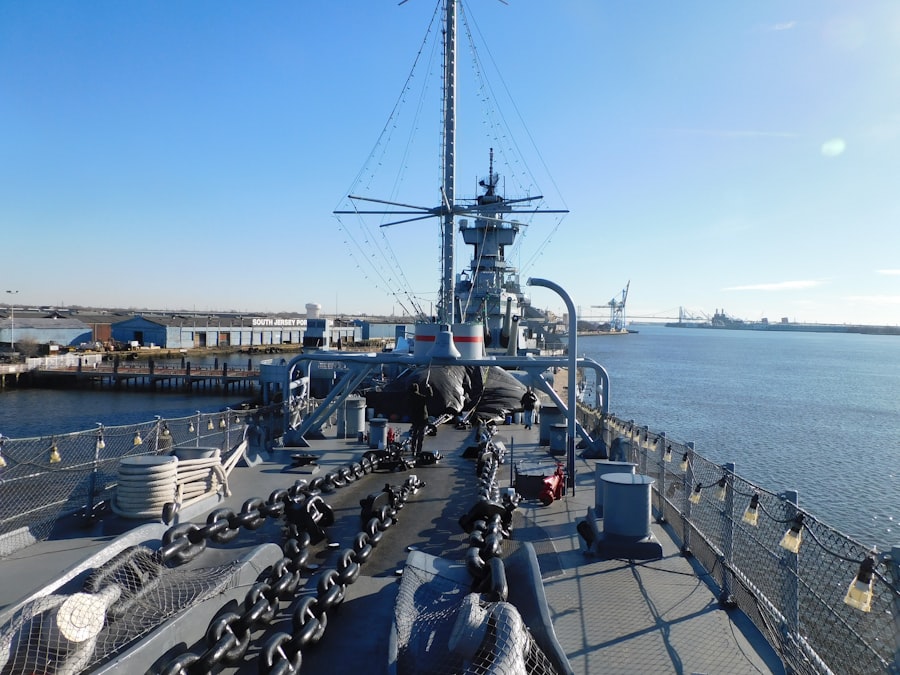
For decades, the true extent and nature of many Cold War naval operations remained locked away in classified archives. The gradual declassification of documents has begun to paint a more complete picture, revealing the intricate strategies, daring exploits, and ever-present dangers faced by those who served in the silent depths and upon the vast oceans.
The Importance of Declassification: Unlocking the Past
The ongoing process of declassification by governments worldwide is crucial for understanding the complexities of the Cold War. These released documents provide historians and the public with invaluable insights into the decision-making processes, technological advancements, and human experiences that shaped this pivotal era. Each newly declassified file is like a piece of a vast, submerged wreckage, slowly revealing its form.
The Human Element: The Sailors of the Cold War Seas
Beyond the strategic maneuvers and technological marvels, it is essential to remember the human element. The sailors who served on these submarines and surface vessels operated under immense pressure, often in isolation and in constant peril, never truly knowing the full scope of their missions. Their stories, often unwritten or only recently coming to light, are a testament to their dedication and sacrifice. They were the engines, the eyes, and the souls of these steel behemoths, carrying the weight of the world on their silent voyages.
The revelations from declassified documents continue to reshape our understanding of the Cold War, demonstrating that the conflict was a far more intricate and dangerous affair than often portrayed. The naval operations, in particular, reveal a constant, undercurrent of tension and a relentless pursuit of strategic advantage, played out in the vast and often unforgiving arenas of the world’s oceans. The depths of these oceans, once a veil of secrecy, are now beginning to yield their stories, offering crucial lessons for navigating the geopolitical landscape of today and tomorrow.
FAQs
What were the main objectives of Cold War naval operations?
Cold War naval operations primarily aimed to establish maritime dominance, gather intelligence, deter enemy naval forces, and protect sea lanes critical for military and economic purposes. Both NATO and Warsaw Pact navies sought to prevent the other side from gaining strategic advantages at sea.
Which countries were most involved in Cold War naval operations?
The United States and the Soviet Union were the principal naval powers involved in Cold War operations. Other NATO members, such as the United Kingdom, France, and West Germany, as well as Warsaw Pact countries like East Germany and Poland, also participated in various naval activities.
What types of naval vessels were commonly used during the Cold War?
Cold War navies utilized a range of vessels including aircraft carriers, submarines (both nuclear and diesel-electric), destroyers, cruisers, and frigates. Submarines, especially nuclear-powered ones, played a crucial role in intelligence gathering and strategic deterrence.
How did naval operations contribute to intelligence during the Cold War?
Naval operations involved extensive surveillance and reconnaissance missions, including tracking enemy submarines and ships, intercepting communications, and deploying spy ships. These activities provided critical intelligence that influenced military strategies and diplomatic negotiations.
Were there any significant naval confrontations during the Cold War?
While direct large-scale naval battles were rare, there were several tense incidents such as the Cuban Missile Crisis naval blockade, the USS Pueblo incident, and various submarine encounters. These confrontations underscored the high-stakes nature of naval operations during the Cold War.