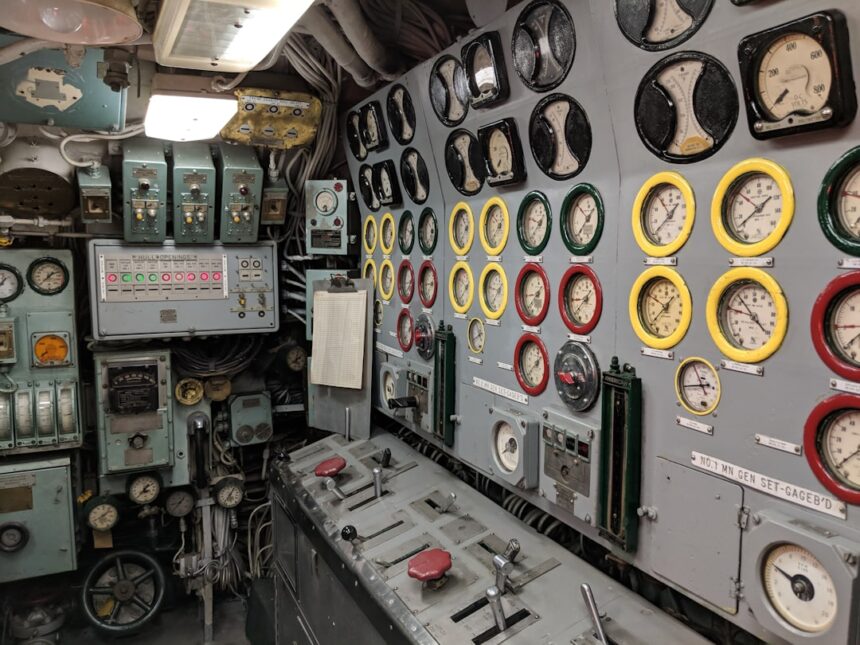
The opaque world of United States Navy submarines extends far beyond the public’s perception of underwater warfare and strategic deterrence. While the image of a ballistic missile submarine (SSBN) silently ensuring global stability or a fast-attack submarine (SSN) hunting enemy vessels is widely recognized, a deeper, more intricate tapestry of operations unfolds beneath the waves. These vessels, often referred to as the “silent service,” are engaged in a multitude of missions that are critical to national security and global power projection, yet rarely come to public attention. This article endeavors to illuminate some of these less-publicized roles, offering a glimpse into the diverse and demanding tasks undertaken by these sophisticated machines and their highly trained crews.
The United States Navy’s submarine fleet serves as one of the most potent and covert intelligence-gathering assets in the world. Operating in deep ocean environments, often in close proximity to adversaries, these platforms are effectively underwater spies, collecting invaluable data that shapes foreign policy and military strategy.
Acoustic Intelligence (ACINT) Collection
Submarines are uniquely suited for ACINT collection. Their stealth allows them to position themselves undetected in areas of interest, where they can record and analyze the unique acoustic signatures of foreign naval vessels, commercial shipping, and even land-based activities. This data forms a crucial reference library, enabling the identification and tracking of potential threats. The ocean, in this context, becomes a vast, resonant chamber, and the submarine, a highly sensitive ear, distinguishing whispers from roars.
Imagery Intelligence (IMINT) and Signals Intelligence (SIGINT)
While less commonly associated with the deep ocean, submarines are equipped with advanced mast-mounted sensors that can gather both imagery and signals intelligence when operating at periscope depth or closer to the surface. This includes visual and infrared imagery of coastal installations, radar emissions, and radio communications. The submarine acts as a clandestine eye and ear, observing and recording the hidden language of adversary systems.
Oceanographic and Hydrographic Surveys
Beyond direct adversary observation, submarines contribute significantly to oceanographic and hydrographic intelligence. They map the ocean floor, identify underwater currents, and measure water temperature and salinity, creating a detailed understanding of the maritime environment. This information is critical for safe navigation, sonar performance prediction, and planning future submarine operations. These missions are akin to meticulously charting a vast, three-dimensional wilderness, each detail potentially critical for future endeavors.
The clandestine operations of the US Navy’s submarine missions have long been a topic of intrigue and speculation. For those interested in exploring the depths of these secrets, a related article can provide valuable insights into the strategies and technologies employed by submarines in various missions. To learn more about this fascinating subject, you can read the article here: US Navy Submarine Missions Secrets.
Special Operations Support
The inherent stealth and global reach of submarines make them ideal platforms for supporting a wide array of special operations missions, extending the reach and capabilities of elite forces.
Covert Insertion and Extraction of Special Operations Forces (SOF)
Submarines regularly deploy and recover Navy SEALs and other special operations personnel. Using specialized equipment, such as Dry Deck Shelters (DDS) or Advanced SEAL Delivery Systems (ASDS), these units can be launched and recovered submerged, providing an unparalleled level of stealth and surprise. The submarine, in this role, functions as a submersible taxi, delivering its precious cargo to the doorstep of a clandestine objective.
Reconnaissance and Surveillance for SOF Missions
Before and during SOF operations, submarines can provide critical reconnaissance and surveillance. They can monitor target areas, gather real-time intelligence on enemy movements, and provide early warning of threats, significantly enhancing the safety and effectiveness of special operators. This pre-positioned intelligence asset acts as a silent guardian, providing eyes and ears where no other platform can.
Counter-Terrorism Operations
In the realm of counter-terrorism, submarines offer a unique capability for extended presence and undetected monitoring of suspect activities in coastal regions or maritime choke points. Their ability to remain concealed for long durations makes them invaluable for tracking, intercepting, or disrupting terrorist networks operating at sea. Here, the submarine is a patient hunter, watching and waiting for the opportune moment.
Strategic Deterrence and Nuclear Command and Control
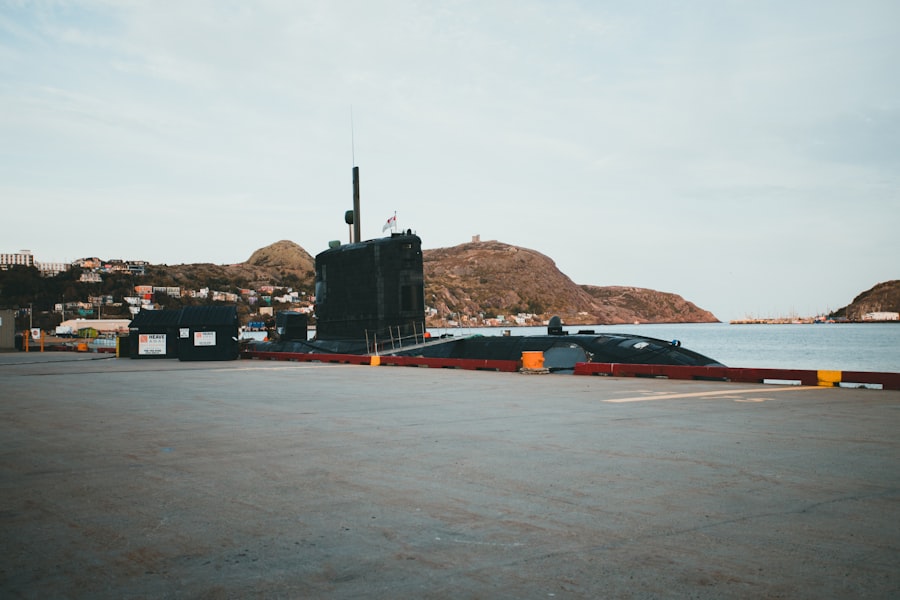
While more publicly acknowledged, the role of ballistic missile submarines (SSBNs), often called “boomers,” in strategic deterrence is paramount. Yet, even within this mission, there are nuances that extend beyond simply carrying nuclear weapons.
Ensuring Second-Strike Capability
SSBNs represent the most survivable leg of the United nuclear triad. Their continuous, undetectable patrols ensure that even in the event of a devastating first strike against the United States, a retaliatory strike would be possible. This provides an ironclad assurance of deterrence, a silent promise of overwhelming consequences.
Maintaining Nuclear Command and Control
Beyond simply delivering weapons, SSBNs are integral to the complex network of nuclear command and control. They operate with highly secure communication systems, capable of receiving launch orders even under extreme conditions. The survivability of these communication links is as vital as the missiles themselves, ensuring that the chain of command remains intact even in the direst circumstances. The submarine, in this context, is not merely a weapon platform but also a fortress of communication, a final link in a critical chain.
Flexible Deterrent Options
While their primary mission is strategic deterrence, the very existence and capability of SSBNs contribute to a broader spectrum of deterrent options. Their presence, though unseen, implicitly influences geopolitical calculations and can de-escalate potential conflicts by demonstrating unwavering resolve. The shadow they cast, though invisible, is long and extends across the globe.
Undersea Warfare and Power Projection
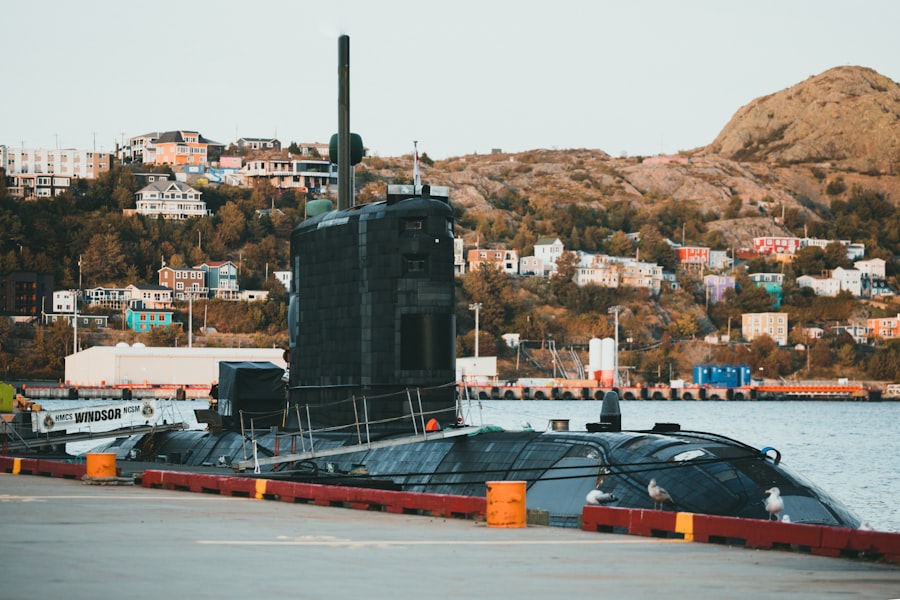
Fast-attack submarines (SSNs) are the multi-role workhorses of the fleet, executing a broad spectrum of undersea warfare missions that project U.S. power and protect maritime interests.
Anti-Submarine Warfare (ASW)
SSNs are the apex predators of the underwater domain, specifically designed to hunt and neutralize enemy submarines. Equipped with advanced sonar systems and torpedoes, they are optimized for stealthy tracking and engagement of hostile submersibles. This mission is a silent, often protracted, chess match beneath the waves, where the slightest sound or subtle maneuver can tip the scales.
Anti-Surface Warfare (ASuW)
While primarily designed for ASW, SSNs are also highly capable of anti-surface warfare. They can target and engage enemy surface combatants and merchant vessels using torpedoes and, in some cases, cruise missiles. This capability allows them to deny adversaries access to critical sea lanes and project power against surface threats. The submarine, in this instance, is a hidden sniper, capable of delivering a decisive blow from an unexpected vector.
Mine Warfare (MIW)
Submarines can participate in mine warfare operations, either by deploying mines covertly in enemy waters or by assisting in counter-mine efforts through reconnaissance and target identification. This less-known capability adds another layer to their strategic utility, allowing for the denial of sea areas or the disruption of enemy naval movements. Here, the submarine can sow unseen seeds of disruption or meticulously clear a path through a hidden minefield.
The secrecy surrounding US Navy submarine missions has always intrigued military enthusiasts and historians alike. For those interested in exploring the complexities and covert operations of these underwater vessels, a fascinating article can be found at In The War Room, which delves into the strategic importance and historical significance of submarine missions. This piece sheds light on the advanced technology and tactics employed by submarines, revealing how they play a crucial role in national defense while maintaining a shroud of mystery.
Infrastructure Protection and Data Connectivity
| Mission Type | Typical Duration | Primary Objective | Stealth Technology Used | Known Operational Areas |
|---|---|---|---|---|
| Intelligence Gathering | Several weeks to months | Collect electronic and signal intelligence | Advanced anechoic coatings, sound dampening systems | Arctic, Pacific, Atlantic Oceans |
| Special Forces Deployment | Days to weeks | Insert and extract Navy SEAL teams covertly | Lock-in/lock-out chambers, low acoustic signature | Coastal regions worldwide |
| Strategic Deterrence Patrols | 3-4 months | Maintain nuclear deterrent readiness | Quiet propulsion systems, stealth hull design | Global ocean patrol zones |
| Anti-Submarine Warfare (ASW) | Weeks | Detect and track enemy submarines | Advanced sonar arrays, towed array sonar | Key maritime chokepoints |
| Mine Laying and Countermeasures | Variable | Deploy or neutralize naval mines | Remote operated vehicles, stealth approach | Strategic waterways |
The modern submarine also plays an often-overlooked role in protecting critical undersea infrastructure and potentially contributing to data connectivity in remote areas.
Protection of Undersea Cables
The global economy and military operations are increasingly dependent on a vast network of undersea fiber optic cables. These cables are vulnerable to sabotage and surveillance. Submarines, with their ability to operate clandestinely for extended periods, can conduct surveillance and protection missions around these vital arteries of global communication. The submarine acts as a guardian of the digital lifelines that crisscross the ocean floor.
Establishing Covert Communication Nodes
In certain scenarios, submarines could be employed to establish temporary, covert communication nodes in remote or denied areas, facilitating secure data transfer for special operations forces or intelligence assets. This capability leverages their inherent stealth and ability to operate independently for long durations, acting as a submersible, mobile data hub.
Environmental Monitoring
While not their primary mission, the advanced sensors and long endurance of submarines can contribute to environmental monitoring, gathering data on ocean conditions, ice formations, and marine life in remote regions. This opportunistic data collection provides valuable insights for scientific research and understanding the changing global climate. The submarine, even in its military guise, can offer a lens into the unseen rhythms of the planet.
In conclusion, the missions of U.S. Navy submarines extend far beyond the public’s vivid imagination of warfare. They are versatile, multi-role platforms, operating as silent sentinels of national security, intelligence gatherers, special operations enablers, and the ultimate guarantors of strategic stability. Their inherent stealth and endurance make them invaluable assets in an increasingly complex and interconnected world, performing duties that are as diverse and profound as the ocean itself. To understand their full impact, one must look beyond the surface, into the deep, dark realm where these sophisticated vessels and their dedicated crews execute their hidden missions, shaping global events without ever being seen.
FAQs
What types of missions do US Navy submarines typically undertake?
US Navy submarines conduct a variety of missions including intelligence gathering, surveillance, reconnaissance, special operations support, strategic deterrence with ballistic missiles, anti-submarine warfare, and strike missions using cruise missiles.
Are the details of US Navy submarine missions publicly available?
Most details about US Navy submarine missions are classified to protect national security and operational effectiveness. Only general information is publicly shared, while specific mission details remain secret.
What makes US Navy submarines effective for covert operations?
US Navy submarines are effective for covert operations due to their stealth capabilities, ability to operate underwater for extended periods, advanced sonar and communication systems, and the capacity to deploy special forces discreetly.
How do US Navy submarines contribute to nuclear deterrence?
Certain US Navy submarines, known as ballistic missile submarines (SSBNs), carry nuclear missiles as part of the strategic triad. Their stealth and mobility ensure a credible second-strike capability, deterring potential nuclear attacks.
Can US Navy submarines launch attacks without being detected?
Yes, US Navy submarines are designed to operate silently and use advanced technology to avoid detection. This allows them to launch surprise attacks using torpedoes or cruise missiles while remaining hidden from enemy forces.