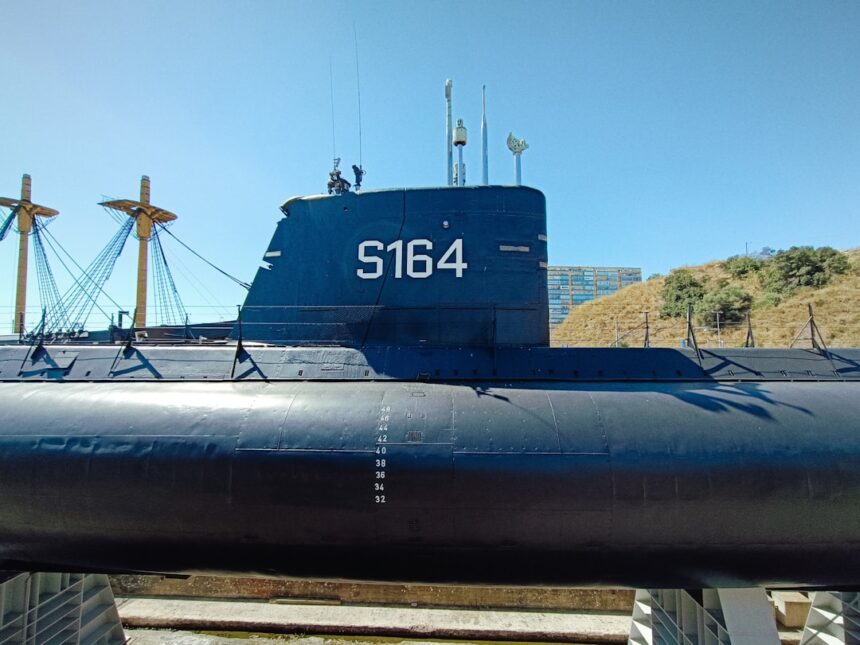
The United States submarine fleet, a silent adversary lurking in the ocean’s depths, represents a cornerstone of national security. Its capabilities, shrouded in operational secrecy and technological innovation, are critical for projecting power, gathering intelligence, and deterring potential aggressors. Uncovering the secrets of this formidable force involves delving into its layered history, its cutting-edge technologies, its strategic doctrines, and the human element that brings these complex machines to life.
The story of the US submarine fleet is not one of overnight success, but a gradual, determined evolution. From its nascent beginnings in the early 20th century to its current status as a global power projection tool, each era has brought significant advancements and strategic reorientations. Understanding this historical trajectory is like navigating a river, understanding how its course has been shaped by floods, droughts, and engineering interventions.
The Dawn of the Submersible Era
The initial forays into submersible warfare by the US Navy were tentative, marked by experimental designs and limited combat effectiveness. The early submarines, often crude and unreliable, were more akin to underwater carriages than the sleek hunters of today. However, they laid the crucial groundwork for future developments.
Early Prototypes and their Limitations
The USS Holland (SS-1), commissioned in 1900, is widely recognized as the first commissioned submarine in the U.S. Navy. Its success, however, was built upon a lineage of earlier, less successful attempts. These included John Philip Holland’s earlier designs and the experimental vessels of the U.S. Army Corps of Engineers. The limitations were stark: slow speeds, limited diving depths, poor habitability, and a reliance on manual operation for many critical functions.
World War I: A Crucible of Experience
World War I proved to be a baptism by fire for submarine warfare globally, and the U.S. submarine service gained invaluable, albeit costly, experience. While German U-boats dominated headlines, American submarines were employed in various roles, including patrol, mine-laying, and even the nascent concept of anti-submarine warfare. Their performance highlighted the need for increased reliability, better torpedo armament, and more effective communication systems.
Interwar Innovations and Strategic Shifts
The period between the World Wars was a time of critical reflection and technological leapfrogging. Naval strategists grappled with fundamental questions about the role of submarines in future conflicts, leading to a period of intense design and experimentation. This era was akin to refining the engine of a powerful vehicle, optimizing its performance for future races.
The Rise of the Diesel-Electric Submarine
The diesel-electric submarine design became the dominant paradigm during this period. Combining diesel engines for surface propulsion and battery power for submerged running allowed for significantly greater range and endurance than earlier electric-only designs. Innovations in hull design, such as the double hull, improved diving capabilities and structural integrity.
Submarine Doctrine: From Coastal Defense to Offensive Roles
Initially conceived primarily as defensive assets for coastal waters, the strategic thinking around submarines began to shift. The U.S. Navy started exploring their potential for offensive operations, including commerce raiding and reconnaissance far from American shores. This shift necessitated the development of submarines with greater cruising radii and improved survivability.
World War II: The Silent Service Finds its Voice
World War II cemented the submarine’s position as a vital component of naval warfare. The U.S. submarine force, particularly in the Pacific, inflicted devastating losses on Japanese shipping, a critical factor in strangling the island nation’s war effort. This was a period where the silent service truly found its voice, becoming a relentless predator.
The Boats of the Pacific Campaign
The Gato, Balao, and Tench-class submarines, often referred to as “fleet boats,” formed the backbone of the U.S. Pacific submarine fleet. These vessels were faster, more maneuverable, and carried a greater torpedo load than their predecessors. Their patrols, often deep into enemy territory, were characterized by daring attacks and harrowing escapes.
Technological Advancements in Torpedoes and Sonar
While the submarines themselves improved, so too did their weaponry. Advancements in torpedo design and reliability, particularly with the Mark 14 torpedo, became crucial. Furthermore, early sonar technologies, though rudimentary by modern standards, provided an essential sensory organ for detecting enemy vessels and navigating treacherous waters.
The Cold War: A Nuclear Deterrent and Intelligence Gathering Ace
The advent of nuclear power and the ideological standoff of the Cold War fundamentally reshaped the U.S. submarine fleet. Submarines transitioned from primarily anti-shipping roles to becoming integral components of the nuclear triad and sophisticated intelligence-gathering platforms. This era saw the fleet become a silent guardian of the nuclear balance, a shadow capable of delivering immense destructive power.
The Nuclear Revolution: Faster, Deeper, Longer
The introduction of nuclear propulsion in submarines, beginning with the USS Nautilus in 1954, was a paradigm shift. Nuclear-powered submarines could remain submerged for months at a time, travel at unprecedented speeds, and operate at much greater depths. This granted them unparalleled strategic mobility and survivability.
Ballistic Missile Submarines (SSBNs): The Ultimate Deterrent
The development of the Polaris, Poseidon, Trident I, and Trident II ballistic missile systems, deployed on specially designed SSBNs, created the most survivable leg of the U.S. nuclear triad. These submarines, often referred to as “boomers,” patrol the oceans silently, providing a credible and virtually undetectable second-strike capability, a key element in Cold War deterrence.
Attack Submarines (SSNs) and Intelligence, Surveillance, and Reconnaissance (ISR)
Alongside the SSBNs, the U.S. Navy continued to develop and deploy nuclear-powered attack submarines (SSNs). These vessels, like the Skipjack, Thresher, Sturgeon, and improved Los Angeles classes, were optimized for hunting other submarines and surface ships. However, their stealth and endurance also made them invaluable platforms for clandestine intelligence gathering operations, conducting electronic surveillance and photographing sensitive enemy installations.
For those interested in the intricacies of the U.S. submarine fleet and its operational secrets, a related article can be found at In the War Room. This piece delves into the strategic significance of the submarine force, exploring both historical context and current developments that shape its role in national defense.
The Technological Arsenal: Engineering the Underwater Edge
The superiority of the U.S. submarine fleet is not merely a matter of numbers but of relentless technological innovation. From the very fabric of their hulls to the sophisticated sensors that peer through the murky depths, each component is a testament to engineering prowess. This technological arsenal is what allows these vessels to operate effectively in a domain that is inherently hostile to human endeavor.
Hull Design and Hydrodynamics: The Art of Stealth
The very shape of a submarine is engineered to minimize its acoustic signature and maximize its hydrodynamic efficiency. The rounded, often teardrop-like shape of modern submarines is a far cry from the cylindrical hulls of early models. This optimization is crucial for evading detection in an environment where sound travels far and fast.
Advanced Materials and Construction Techniques
The materials used in submarine construction have evolved significantly, moving from early steel to high-strength alloys. These advanced materials allow for deeper diving capabilities and greater structural integrity, crucial for withstanding the immense pressures of the deep ocean. Modern construction techniques also focus on minimizing noise and vibration, further enhancing stealth.
Noise Reduction Technologies: The Silent Running Mandate
Minimizing the acoustic signature of a submarine is paramount. This involves a multi-faceted approach, including the use of anechoic coatings on hulls to absorb sonar pings, the design of quiet propulsion systems, and meticulous attention to isolating and dampening machinery noise. The goal is to make the submarine as quiet as the ambient ocean noise.
Propulsion Systems: Powering the Silent Hunter
The choice of propulsion system is critical for determining a submarine’s performance characteristics, particularly its speed, endurance, and stealth. The transition from diesel-electric to nuclear power represented a revolutionary leap in these capabilities.
Diesel-Electric Systems: Forerunner of Endurance
Though largely superseded by nuclear power for front-line military submarines, diesel-electric systems remain relevant and continue to be refined for certain applications. Their reliability, lower cost, and relative simplicity are advantages in specific operational contexts.
Nuclear Reactors: The Heart of Modern Submarines
The compact nuclear reactors that power U.S. submarines are marvels of engineering. They provide virtually unlimited power, allowing the submarines to operate at high speeds submerged for extended periods without needing to surface for refueling. This sustained operational capability is a key strategic advantage.
Sonar and Sensor Suites: The Eyes and Ears of the Deep
In the absence of visual cues, sonar becomes the primary means by which a submarine perceives its environment. The sophistication of these sonar systems is crucial for detecting, classifying, and tracking targets, as well as for navigating safely.
Passive and Active Sonar Systems
U.S. submarines utilize both passive and active sonar. Passive sonar listens to the ambient sounds of the ocean, including the noise generated by other vessels, providing an indication of their presence and characteristics. Active sonar emits sound pulses and listens for echoes, offering a more precise measure of range and bearing but also revealing the submarine’s presence.
Advanced Acoustic Processing and Data Fusion
Modern sonar systems employ sophisticated algorithms and processing techniques to filter out background noise and identify subtle acoustic signatures. Data fusion, integrating information from various sensors, provides a more comprehensive tactical picture to the submarine’s crew, allowing them to make informed decisions.
Weapon Systems: Projecting Power from the Depths
The offensive and defensive capabilities of U.S. submarines are delivered through a variety of advanced weapon systems, primarily torpedoes and missiles. Their submerged launch capability provides a significant tactical advantage.
Torpedoes: The Submarine’s Primary Punch
Torpedoes remain the primary armament for most U.S. submarines. These underwater projectiles can be launched from torpedo tubes and are equipped with sophisticated guidance systems, allowing them to seek out and engage targets with devastating accuracy. The development of advanced torpedoes, such as the Mark 48, has been a continuous process.
Vertical Launch Systems and Cruise Missiles
Modern U.S. submarines, particularly attack submarines, are increasingly equipped with Vertical Launch Systems (VLS). These systems allow for the rapid and flexible deployment of a variety of weapons, including cruise missiles like the BGM-109 Tomahawk. This capability enables submarines to engage land targets from the sea, significantly extending their operational reach.
Strategic Doctrine and Global Reach: The Submarine’s Role in Modern Warfare
The U.S. submarine fleet is not simply a collection of advanced technological marvels; it is a strategic instrument guided by well-defined doctrines that shape its deployment and employment across the globe. Understanding these doctrines is key to appreciating the fleet’s multifaceted contribution to national security. This is where the mechanics of the machine are translated into strategic purpose, like a skilled pilot navigating a complex flight plan.
Forward Presence and Power Projection
One of the primary roles of the U.S. submarine fleet is to maintain a forward presence in critical regions around the world. This forward deployment allows for rapid response to emerging threats and demonstrates a commitment to allies.
Deterrence and Reassurance
The mere presence of U.S. submarines in a region can serve as a powerful deterrent to potential adversaries and a reassuring signal to allies. Their ability to operate clandestily and deliver significant firepower makes them a potent symbol of American resolve.
Access and Freedom of Navigation
Submarines are essential for ensuring freedom of navigation in contested waters and for projecting power into areas where surface fleets might be vulnerable. Their ability to operate undetected allows them to gather intelligence and influence events without overt confrontation.
Intelligence, Surveillance, and Reconnaissance (ISR)
Beyond their kinetic capabilities, U.S. submarines are unparalleled platforms for intelligence gathering. Their stealth and endurance allow them to loiter in sensitive areas, collect signals intelligence, and conduct detailed reconnaissance.
Covert Operations and Special Warfare Support
Submarines can serve as covert insertion and extraction platforms for special operations forces. They can also provide vital intelligence support for a wide range of military operations, from naval interdiction to land-based assaults.
Oceanographic and Acoustic Intelligence
The deep ocean is a vast repository of information. U.S. submarines play a crucial role in collecting oceanographic data and acoustic intelligence, which is vital for understanding the maritime environment and for improving the performance of our own sonar systems.
Anti-Submarine Warfare (ASW) and Anti-Surface Warfare (ASuW)
While submarines are formidable hunters, they are also the vanguard of anti-submarine warfare. By understanding and countering enemy submarines, U.S. submarines contribute to the safety of friendly forces. They are also highly effective in anti-surface engagements.
Hunter-Killer Missions
Attack submarines are frequently employed in “hunter-killer” roles, actively seeking out and neutralizing enemy submarines. This mission is critical for protecting naval assets and maintaining sea-lane security.
Surface Warfare Operations
Modern submarines are also capable of engaging surface vessels with their torpedoes and cruise missiles. This dual capability makes them a versatile threat to both submerged and surfaced adversaries.
The Role of Ballistic Missile Submarines (SSBNs) in Strategic Deterrence
The SSBN force represents the most survivable and enduring component of the U.S. nuclear triad. Their deterrent posture is a cornerstone of global stability.
The Ultimate Second-Strike Capability
The ability of SSBNs to launch a retaliatory nuclear strike even after a devastating first strike by an adversary is a critical element of deterrence. This “second-strike” capability ensures that any nation contemplating a nuclear attack against the United States would face unacceptable consequences.
Strategic Patrols and Operational Readiness
SSBNs conduct continuous strategic patrols, maintaining a constant state of readiness. This sustained presence in international waters ensures that the nuclear deterrent remains credible and responsive to evolving geopolitical situations.
The Human Factor: The Crew of the Silent Service

Beyond the gleaming steel and advanced electronics lies the most crucial element of the U.S. submarine fleet: its human crews. These are individuals who willingly embrace an environment of confinement, constant vigilance, and immense responsibility. Their training, dedication, and courage are the lifeblood that animates these sophisticated machines. This is where the most complex technology is brought to life by the most vital component: human ingenuity and resilience.
Rigorous Training and Selection
Becoming a submariner is not for the faint of heart. It requires a demanding selection process and intensive training that prepares individuals for the unique challenges of underwater operations.
Technical Proficiency and Specialization
Submarine crews are highly specialized, with each member possessing a deep understanding of their particular system, whether it be navigation, weapons, engineering, or sonar. This technical proficiency is essential for the safe and effective operation of the submarine.
Psychological Resilience and Adaptability
Submarine life demands exceptional psychological resilience. Crews spend extended periods in close quarters, often with limited communication with the outside world. The ability to remain calm under pressure, adapt to changing circumstances, and work effectively as a team is paramount.
The Submarine Community: A Unique Bond
The shared experience of life aboard a submarine fosters a unique and powerful bond among its crew. This sense of camaraderie and mutual reliance is essential for maintaining morale and operational effectiveness.
Life Under Pressure: Confinement and Routine
Life aboard a submarine is characterized by confined spaces, strict routines, and a constant awareness of the surrounding environment. The psychological demands of this lifestyle are significant, requiring a strong sense of self-discipline and an appreciation for teamwork.
The Importance of Mateship and Trust
Trust and mutual reliance are not optional for submariners; they are essential for survival. Each individual relies on their “mates” to perform their duties flawlessly, as a single error can have cascading and catastrophic consequences.
Leadership and Decision-Making in a High-Stakes Environment
The officers and senior enlisted personnel aboard a submarine bear immense responsibility. They must make critical decisions under immense pressure, often with limited information.
Tactical Decision-Making
Submarine commanding officers are trained to make split-second tactical decisions based on real-time data from their sensors and the evolving tactical situation. The consequences of these decisions can be profound, impacting the lives of their crew and the success of the mission.
Maintaining Operational Readiness and Morale
Effective leadership also involves ensuring the continued operational readiness of the submarine and maintaining the morale of the crew. This requires a delicate balance of discipline, empathy, and strategic foresight.
The secrets surrounding the U.S. submarine fleet have long been a topic of intrigue and speculation, particularly given their strategic importance in modern warfare. For those interested in delving deeper into this subject, a related article offers insights into the advancements and challenges faced by these underwater vessels. You can explore more about this fascinating topic by visiting this article, which discusses the evolving capabilities and the crucial role submarines play in national defense.
The Future of Underwater Warfare: Innovation on the Horizon
| Metric | Details |
|---|---|
| Number of Active Submarines | Approximately 70 |
| Submarine Classes | Ohio, Virginia, Los Angeles, Seawolf |
| Primary Missions | Strategic deterrence, intelligence gathering, special operations support |
| Maximum Operating Depth | Classified, estimated over 800 feet |
| Top Speed | Classified, estimated over 25 knots submerged |
| Armament | Ballistic missiles, cruise missiles, torpedoes |
| Stealth Technology | Advanced sound dampening, anechoic coatings |
| Typical Crew Size | 130-160 personnel depending on class |
The U.S. submarine fleet is not static; it is a continuously evolving force, adapting to new threats and embracing emerging technologies. The horizon of underwater warfare is filled with exciting, and sometimes unsettling, possibilities. This forward-looking perspective ensures the fleet remains a dominant force in the years to come.
Next-Generation Submarine Designs
The development of future submarine classes is already underway, with a focus on enhanced stealth, increased automation, and improved weapon capabilities. These new vessels will be designed to operate in increasingly complex and contested environments.
Unmanned Underwater Vehicles (UUVs) and Autonomous Systems
The integration of Unmanned Underwater Vehicles (UUVs) and other autonomous systems is a significant trend. These platforms can extend the reach and capabilities of manned submarines, conducting reconnaissance, mine countermeasures, and even offensive operations without risking human lives directly.
Hypersonic Weapons and Advanced Torpedoes
The development of hypersonic missiles, capable of traveling at extreme speeds, poses a new challenge and opportunity for submarines. Submarines could become platforms for launching these weapons, extending their strike range significantly. Similarly, advancements in torpedo technology continue to enhance their speed, range, and targeting capabilities.
Cyber Warfare and Electronic Dominance
As warfare becomes increasingly digitized, cyber capabilities are becoming as crucial as traditional kinetic power. Submarines will need to contend with and exploit advancements in cyber warfare.
Protecting Against Cyber Threats
Submarines, with their reliance on complex networked systems, are vulnerable to cyberattacks. Protecting these systems from intrusion and disruption is a top priority for future submarine design and operation.
Exploiting the Cyber Domain
Conversely, submarines can also be used to exploit vulnerabilities in enemy networks, gathering intelligence and disrupting enemy communications and operations through electronic warfare tactics.
Operating in Contested and Degraded Environments
Future operating environments are likely to be increasingly contested, with adversaries employing sophisticated anti-access and area denial (A2/AD) capabilities. U.S. submarines will need to be able to operate effectively in these challenging conditions.
Multi-Domain Operations
The concept of multi-domain operations, which integrates land, sea, air, space, and cyber domains, will further shape the role of submarines. These vessels will need to seamlessly coordinate with other forces to achieve strategic objectives.
Enhanced Adaptability and Resilience
Ultimately, the future of the U.S. submarine fleet hinges on its ability to adapt and remain resilient in the face of evolving threats. Through continuous innovation in technology, rigorous training of its personnel, and the refinement of its strategic doctrine, this silent service will continue to be a critical guarantor of national security and global stability for decades to come.
FAQs
What types of submarines are included in the US submarine fleet?
The US submarine fleet primarily consists of nuclear-powered submarines, including ballistic missile submarines (SSBNs), attack submarines (SSNs), and guided missile submarines (SSGNs). These vessels serve various strategic and tactical roles.
How does the US maintain the secrecy of its submarine operations?
The US maintains secrecy through strict operational security protocols, classified communication systems, stealth technology, and limited public disclosure. Crew members undergo extensive training on confidentiality, and sensitive information is tightly controlled.
What is the strategic importance of the US submarine fleet?
The US submarine fleet plays a critical role in national defense by providing stealthy surveillance, intelligence gathering, and the capability to launch nuclear and conventional strikes. Ballistic missile submarines serve as a key component of the nuclear triad, ensuring second-strike capability.
How are US submarines equipped to remain undetected?
US submarines use advanced stealth technology, including sound-absorbing materials, quiet propulsion systems, and sophisticated sonar evasion techniques. These features minimize noise and reduce the likelihood of detection by enemy forces.
What measures are taken to protect the technological secrets of US submarines?
Protection measures include compartmentalization of information, cybersecurity protocols, restricted access to sensitive areas, and continuous monitoring for espionage threats. The US Navy also collaborates with intelligence agencies to safeguard classified submarine technologies.