The veil of secrecy surrounding Project Azorian has finally lifted, revealing a clandestine intelligence operation of unprecedented scale and ambition. For decades, whispers and speculation have swirled around this Cold War endeavor, a ghost haunting the archives of national security. Now, with the declassification of mountains of documents, the intricate tapestry of the mission is beginning to unravel, offering a tangible glimpse into a chapter of history previously confined to the shadows. This revelation is not a sudden burst of confetti, but rather a painstaking reconstruction, like piecing together a shattered mosaic, where each declassified file is a shard revealing a fragment of the larger picture.
The origins of Project Azorian are inextricably linked to the heightened tensions and technological competition of the Cold War. The United States, locked in a protracted struggle for global influence with the Soviet Union, was constantly seeking an edge. This pursuit led to increasingly bold and often covert initiatives, aiming to gather intelligence that would inform strategic decisions and potentially mitigate threats.
The Strategic Imperative: Soviet Naval Power
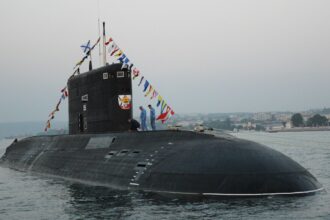
A significant driver behind Project Azorian was the growing concern over the Soviet Union’s burgeoning submarine fleet. Soviet submarines, particularly the Golf-class, were equipped with nuclear-tipped ballistic missiles. The ability to track and, if necessary, neutralize these vessels was a paramount national security interest for the United States. Understanding the capabilities, deployment patterns, and technical specifications of these submarines was akin to learning the opponent’s playbook in a high-stakes chess match.
The Technological Leap: Submersible Recovery Operations
The challenge of recovering sensitive materials from the seabed presented a formidable technological hurdle. Existing methods were insufficient for the depths and pressures involved. Project Azorian necessitated the development of entirely new engineering solutions, pushing the boundaries of what was thought possible in deep-sea operations. This was not simply about building a bigger crane; it was about inventing a new paradigm for interacting with the ocean’s deepest recesses.
The Elusive Prize: K-129’s Secrets
The primary objective of Project Azorian was the recovery of a Soviet Golf-class submarine, designated K-129, which had sunk in the Pacific Ocean in 1968. The submarine’s presumed purpose in that fateful mission, along with the potential for salvaging sensitive equipment, intelligence-gathering devices, and even nuclear warheads, made it a target of immense strategic value. The K-129 was not just a wreck; it was a potential treasure trove of Soviet military secrets, dormant beneath the waves.
The declassification of the Project Azorian mission, which aimed to recover a sunken Soviet submarine from the depths of the Pacific Ocean, has shed new light on Cold War espionage tactics. For a deeper understanding of the implications and details surrounding this mission, you can read a related article that explores its significance and the technological innovations involved. Check it out here: In the War Room.
The Unveiling of the “Glomar Explorer”: A Technological Marvel
The construction and deployment of the Glomar Explorer stand as a testament to the ingenuity and resources poured into Project Azorian. This specialized vessel was the linchpin of the entire operation, designed to overcome the immense challenges of deep-sea retrieval.
A Colossus of the Seas: The Glomar Explorer‘s Design
The Glomar Explorer was no ordinary ship. It was a purpose-built platform, a floating fortress of engineering, designed specifically for the arduous task of recovering objects from extreme depths. Its size and sophisticated equipment were a direct response to the unprecedented nature of the mission. Imagine a colossal, mobile arm capable of reaching miles into the abyss and performing delicate surgery on the ocean floor – that was the essence of the Glomar Explorer.
The ‘Catcher’s Mitt’: The Hughes Mining Barge
A critical component of the Glomar Explorer‘s operational capability was the Hughes Mining Barge, affectionately nicknamed the ‘Catcher’s Mitt’. This massive barge, towed by the Glomar Explorer, housed the sophisticated grappling mechanism. The barge was designed to be submerged beneath the Glomar Explorer, allowing the latter to maneuver above the target wreckage and initiate the recovery process. The precision required to align these two behemoths in the unpredictable ocean currents was immense.
‘Kiss the Water Goodbye’: The Recovery Mechanism
The actual recovery mechanism was a marvel of engineering. The Glomar Explorer employed a system of enormous, gimbal-mounted steel jaws, capable of encircling and lifting the submarine wreckage. The process was slow, deliberate, and fraught with peril, demanding constant electronic monitoring and adjustments. It was a dance with gravity and pressure, a delicate ballet performed hundreds of fathoms below the surface.
The Operation: A High-Stakes Ballet in the Deep
The execution of Project Azorian was a symphony of covert maneuvers, technical precision, and constant risk management. The mission unfolded over several years, marked by periods of intense activity and strategic waiting.
The Initial Reconnaissance and Planning
Before the Glomar Explorer even set sail, extensive reconnaissance and planning took place. Intelligence was gathered, the exact location of the K-129 was painstakingly triangulated, and the operational parameters were meticulously defined. Every contingency, from equipment failure to potential Soviet interference, was considered. This was not a spontaneous raid; it was a meticulously planned military campaign, albeit one waged in the silent depths.
The First Attempt and Partial Success
The initial attempts to recover the K-129 were not without their setbacks. The sheer difficulty of the operation meant that perfection was an elusive goal. The first major retrieval attempt in 1974 resulted in a partial success, salvaging some portions of the submarine but not the entire vessel. This partial success, however, provided invaluable data and spurred further refinement of the recovery techniques. It was a taste of victory, but the full prize remained just out of reach.
The Second Retrieval and the Unforeseen Complications
A subsequent retrieval attempt, shrouded in even greater secrecy, yielded more substantial results. However, the operation was not without its unforeseen complications. The immense pressure of the deep ocean and the delicate nature of the wreckage presented constant challenges. The success of these later operations is a testament to the perseverance and adaptability of the mission’s personnel.
The Political Tightrope: Maintaining Secrecy
Throughout the entire operation, maintaining the utmost secrecy was paramount. The potential for international repercussions if the mission were to be discovered by the Soviets or even leak to the public was immense. The intelligence community walked a political tightrope, balancing operational needs with the need for absolute discretion. The shadow of suspicion was a constant companion.
The Legacy of Project Azorian: A Mixed Outcome
The declassification of Project Azorian has illuminated a mission that, while technically impressive, has a multifaceted legacy, marked by both achievements and unanswered questions.
The Intelligence Gained: A Double-Edged Sword
The intelligence gathered from the salvaged K-129 was significant, providing unprecedented insights into Soviet submarine technology and naval capabilities. However, the true extent and nature of this intelligence remain largely classified, hinting at its strategic importance. It was a trove of information, but much of its value remains locked away in secure vaults.
The Financial Burden: A Costly Endeavor
Project Azorian was an incredibly expensive undertaking, consuming vast financial resources. The development of the Glomar Explorer and the execution of the recovery missions represented a significant investment, raising questions about the cost-benefit analysis of such covert operations. The financial expenditure was a hefty price for a secret.
The Human Element: The Untold Stories of the Crew
While the technology and the geopolitical implications often dominate discussions of Project Azorian, the human element is equally important. The skilled engineers, sailors, and intelligence operatives who participated in this dangerous and highly secretive mission deserve recognition. Their dedication and courage under immense pressure are a crucial part of the Azorian narrative. The faces behind the classified documents are the true heroes of this saga.
The Unanswered Questions: The Pervasive Mystery
Despite the declassification, certain aspects of Project Azorian continue to elude complete understanding. The precise nature of the K-129’s mission, the full extent of the intelligence recovered, and the ultimate fate of certain controversial elements of the project remain topics of speculation and further research. The shroud of mystery has been lifted, but not entirely dissipated.
The declassification of the Project Azorian mission has shed light on one of the most ambitious covert operations in U.S. history, revealing the complexities and challenges faced during the recovery of a sunken Soviet submarine. For those interested in exploring the intricacies of this operation further, a related article provides in-depth analysis and insights into the mission’s implications. You can read more about it in this detailed article that delves into the strategic significance of Project Azorian and its impact on Cold War dynamics.
The Broader Implications: A Window into Cold War Espionage
| Metric | Details |
|---|---|
| Project Name | Project Azorian |
| Mission Objective | Recovery of Soviet submarine K-129 |
| Mission Date | March 1974 |
| Declassification Date | 2012 |
| Declassification Agency | Central Intelligence Agency (CIA) |
| Document Release | Partial release of mission details and technical documents |
| Significance of Declassification | Provided public insight into Cold War espionage and recovery technology |
Project Azorian serves as a powerful case study, offering a unique window into the operational tempo and strategic thinking of the Cold War era. The mission’s scale, audacity, and technological innovation underscore the lengths to which nations would go to gain an advantage in the global struggle for power.
The Art of the Possible: Pushing Technological Boundaries
The project demonstrated the extraordinary lengths to which governments would go to push technological boundaries in pursuit of national security objectives. The development of the Glomar Explorer and its associated recovery systems was a significant technological leap, a testament to human ingenuity when faced with seemingly insurmountable challenges. It was a declaration that the impossible was merely an inconvenient problem waiting to be solved.
The Ethics of Intelligence Gathering: A Moral Quandary
Project Azorian also raises crucial ethical questions about the nature of intelligence gathering and state-sponsored clandestine operations. The immense secrecy, the vast expenditure, and the inherent risks involved prompt discussions about the moral justifications for such endeavors. The pursuit of knowledge is often a morally grey area, and Azorian is a stark reminder of this.
The Power of Secrecy: The Enduring Allure
The long-held secrecy surrounding Project Azorian highlights the enduring power of classified information and its ability to shape historical narratives. The gradual declassification process allows for a more informed and nuanced understanding of past events, challenging previously held assumptions and revealing the complexities of historical decision-making. The truth, like a slow tide, eventually erodes the sands of deception.
The Future of Covert Operations: Lessons Learned
The lessons learned from Project Azorian continue to inform contemporary intelligence practices and the development of future covert operations. The successes and failures of this ambitious mission provide invaluable data for strategists and policymakers, shaping the ongoing evolution of intelligence gathering techniques and the management of sensitive national security projects. The echoes of Azorian resonate in the hushed corridors of modern intelligence agencies.
WARNING: The $800 Million Mechanical Failure That Almost Started WWIII
FAQs
What was Project Azorian?
Project Azorian was a secret CIA mission during the Cold War aimed at recovering a sunken Soviet submarine from the Pacific Ocean floor.
When was Project Azorian declassified?
Details about Project Azorian were officially declassified in the 2010s, with significant information becoming publicly available around 2010.
Why was Project Azorian kept classified for so long?
The mission involved sensitive intelligence operations and advanced technology, and revealing details could have compromised national security and diplomatic relations during the Cold War.
What was the purpose of Project Azorian?
The primary goal was to recover Soviet submarine K-129 to gather intelligence on Soviet naval capabilities and technology.
Where did Project Azorian take place?
The operation took place in the Pacific Ocean, approximately 1,500 miles northwest of Hawaii, where the Soviet submarine had sunk.