The Cold War, a period of geopolitical tension that spanned from the end of World War II until the collapse of the Soviet Union, was not solely fought on land or in the air. Beneath the surface of the world’s oceans, a silent and deadly struggle unfolded, a clandestine theater of operations where submarines became the vanguard of espionage. These secret cold war submarine missions represented a perpetual game of cat and mouse, a chilling ballet of technological prowess and human daring. For the nations involved, particularly the United States and the Soviet Union, the stakes were existential, making the deep sea a critical battleground for intelligence gathering and strategic advantage.
The roots of submarine espionage can be traced back to the post-World War II environment, where the rapid advancement of naval technology, coupled with the burgeoning ideological conflict, created a fertile ground for covert operations. Both superpowers recognized the unparalleled advantages of submarines as platforms for intelligence collection.
Early Submarine Development and Capabilities
Initially, the submarines inherited from World War II were primarily designed for commerce raiding and fleet engagements. However, engineers and strategists quickly began to envision new roles. The development of snorkel technology allowed diesel-electric submarines to remain submerged for longer periods, greatly enhancing their stealth. The true revolution, however, came with the advent of nuclear propulsion.
The Nuclear Submarine Revolution
The USS Nautilus, launched in 1954, marked a paradigm shift. Nuclear power freed submarines from the constraints of frequently surfacing for air, granting them unprecedented endurance and speed. This capability transformed them into true underwater predators, capable of traversing vast distances undetected and lingering in operational areas for extended durations. This technological leap was not lost on the Soviets, who rapidly pursued their own nuclear submarine programs, triggering an arms race beneath the waves.
Cold War espionage submarine missions played a crucial role in the intelligence battles between superpowers, often involving high-stakes operations beneath the ocean’s surface. For a deeper understanding of these covert activities and their impact on international relations, you can explore the article titled “Underwater Secrets: The Espionage Submarines of the Cold War” available at this link. This article delves into the technological advancements and strategic significance of submarines during this tense period in history.
Missions of Intrigue: A Spectrum of Covert Operations
The missions undertaken by these covert submarines were diverse, ranging from the mundane to the breathtakingly audacious, all aimed at gleaning critical intelligence or disrupting enemy capabilities. Each mission carried inherent risks, requiring exceptional skill and courage from the crews.
Cable Tapping: Listening to the Enemy’s Pulse
One of the most elaborate and impactful operations was cable tapping. Submerged communication cables, laid across ocean floors, carried crucial intelligence – diplomatic communications, military orders, economic data. Tapping these cables offered a direct conduit into the adversary’s most sensitive information.
Operation Ivy Bells
Perhaps the most famous example is Operation Ivy Bells, a joint effort by the US Navy, the CIA, and the National Security Agency (NSA). Beginning in the early 1970s, US submarines, particularly the USS Halibut and later the USS Parche and USS Richard B. Russell, successfully located and tapped Soviet communication cables in the Sea of Okhotsk. These cables connected Soviet naval bases and strategic missile sites, providing an invaluable stream of intelligence. The operation involved highly specialized equipment and divers operating in extreme conditions, cementing its legend in the annals of espionage. The discovery of the operation by the Soviets due to a defector, Ronald Pelton, was a significant intelligence blow for the United States.
Reconnaissance: A Stalker in the Deep
Beyond listening in, submarines were crucial for direct reconnaissance missions. These missions involved observing enemy naval movements, mapping their coastlines, and monitoring their ballistic missile submarines (SSBNs).
Tracking the Soviet Fleet
US submarines were regularly tasked with tracking Soviet naval forces, particularly their SSBNs, which represented the most significant nuclear threat. This involved trailing them for extended periods, cataloging their operational patterns, and assessing their capabilities. The dangers were immense; a collision or detection could lead to an international incident with potentially catastrophic consequences. This was a perpetual game of hide-and-seek, where the stakes were nothing less than nuclear deterrence.
Special Operations Support: Infiltration and Extraction
Submarines also played a vital role in supporting special operations forces. Their ability to approach coastlines undetected made them ideal platforms for inserting and extracting agents, saboteurs, or specialized reconnaissance teams behind enemy lines.
Deploying Human Intelligence Assets
While specific details remain shrouded in secrecy, it is understood that submarines were used to land operatives in sensitive areas, providing a low-signature means of access that avoided radar and aerial surveillance. These missions required precise navigation, meticulous planning, and highly skilled special forces personnel, underscoring the versatility of the submarine as a covert asset.
The Technological Arms Race Underneath

The very nature of submarine espionage fueled a relentless technological arms race. Each breakthrough by one side necessitated a counter-development by the other, pushing the boundaries of engineering and scientific innovation.
Acoustic Warfare: The Science of Silence and Sound
In the underwater realm, sound is both a weapon and a vulnerability. Both sides invested heavily in developing quieter submarines and more sophisticated sonar systems to detect the enemy.
Quieting Technologies
The drive for stealth led to revolutionary advancements in anechoic coatings, propeller design, and reactor quieting. The quieter a submarine, the harder it was to detect, offering a significant tactical advantage. The Soviets, initially lagging in this area, made significant strides in the later decades of the Cold War, partly due to the Walker spy ring and the Toshiba-Kongsberg scandal, which provided them with advanced milling technology for quieting propellers.
Sonar Systems and Acoustic Signatures
Conversely, the development of powerful and sensitive sonar systems became paramount. Passive sonar, which listens for the sounds emitted by other vessels, and active sonar, which emits sound pulses and listens for echoes, were constantly refined. Understanding and identifying the unique acoustic signatures of enemy submarines became a critical intelligence discipline. This involved painstakingly recording and analyzing the “fingerprint” of each submarine, a vast library of data that was constantly updated.
Deep Ocean Technology: Exploring the Abyss
Many of these missions required operating at extreme depths and in challenging environments. This spurred the development of advanced deep submergence vehicles and specialized equipment.
Manned and Unmanned Deep Submersibles
From specialized deep-diving submarines to autonomous underwater vehicles (AUVs), the ability to access and operate in the deepest parts of the ocean became crucial for tasks like cable tapping, salvage operations, and scientific intelligence gathering disguised as oceanographic research. The recovery of parts of a Soviet submarine by the U.S. in the Glomar Explorer operation (Project Azorian) is a testament to these deep-sea capabilities.
The Human Element: Courage in the Cold War Depths
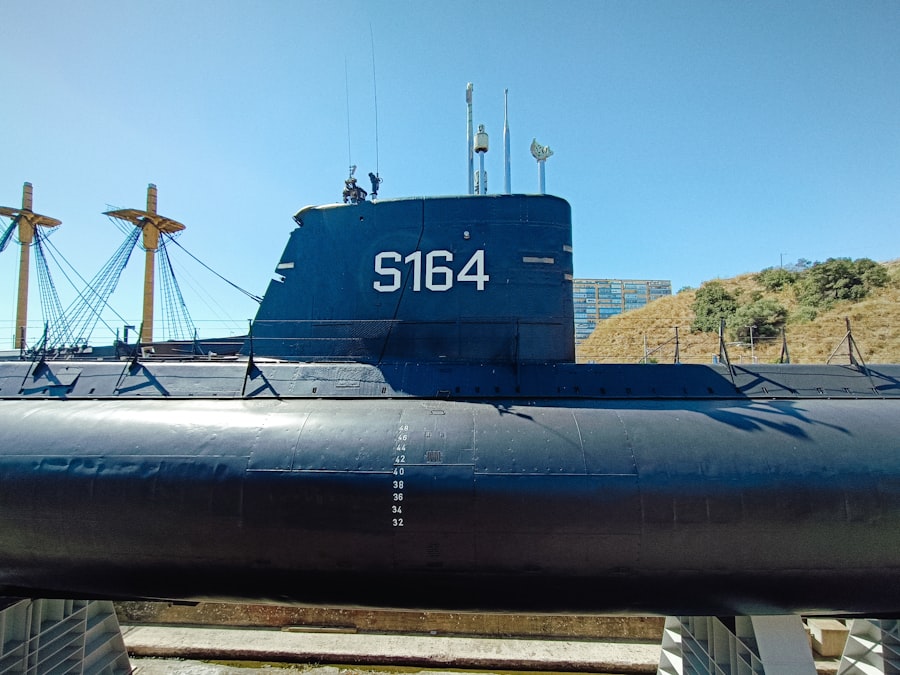
While technology was a critical enabler, the success of these secret missions ultimately rested on the shoulders of the men who volunteered for this perilous duty. Their lives were defined by long deployments, absolute secrecy, and the constant specter of discovery or disaster.
The Culture of Secrecy and Sacrifice
Submarine crews operated under an extraordinary veil of secrecy. Their missions were rarely acknowledged, their achievements often uncelebrated. They endured cramped conditions, prolonged isolation, and the inherent dangers of operating in a hostile environment, often without knowing the full implications of their work. This demanded an unparalleled level of trust, discipline, and mental fortitude.
Near Misses and Unsung Heroes
Numerous incidents, from accidental collisions to equipment failures, brought these missions to the brink of catastrophe. The “near misses” of the Cold War submarine conflict are a testament to the skill of the operators and the robustness of their vessels. Many tales of courage and ingenuity remain classified even today, the true heroes of the deep still anonymous. These individuals were the unsung gladiators of a silent war, their battles fought in the crushing darkness of the ocean floor, their victories measured in the acquisition of crucial intelligence.
Cold War espionage submarine missions played a crucial role in gathering intelligence and monitoring enemy activities beneath the waves. These covert operations often involved advanced technology and highly trained personnel, making them a fascinating aspect of military history. For those interested in exploring this topic further, an insightful article can be found at In The War Room, which delves into the intricacies of underwater espionage and its impact on global politics during that tense era.
The Legacy of Underwater Espionage
| Mission Name | Year | Submarine Class | Country | Objective | Outcome |
|---|---|---|---|---|---|
| Project Azorian | 1974 | Hughes Glomar Explorer (special vessel) | USA | Recover sunken Soviet submarine K-129 | Partial recovery, mission partially successful |
| Operation Ivy Bells | 1970s | USS Halibut (SSN-587) | USA | Tap Soviet undersea communication cables | Successful, intelligence gathered for years |
| K-219 Incident | 1986 | Yankee I-class | USSR | Ballistic missile patrol and espionage | Submarine suffered missile silo explosion, sank |
| USS Parche Missions | 1970s-1980s | Sturgeon-class | USA | Undersea reconnaissance and cable tapping | Highly successful, multiple secret missions |
| K-219 Shadowing | 1986 | Los Angeles-class | USA | Track Soviet ballistic missile submarine | Close tracking, contributed to intelligence |
The Cold War has ended, but the legacy of secret submarine missions continues to shape naval doctrine and intelligence gathering today. The capabilities developed and the lessons learned during this intense period remain highly relevant.
Enduring Relevance in Modern Warfare
Even in the age of advanced satellite surveillance and cyber warfare, the submarine retains its unique value as a stealthy platform for intelligence collection, special operations, and strategic deterrence. The inherent stealth and endurance of modern submarines still make them an indispensable asset in the complex geopolitical landscape. Nations continue to invest heavily in their submarine fleets, recognizing their enduring utility in projecting power and gathering intelligence without exposing overt forces.
The Continued Drive for Technological Superiority
The race for acoustic superiority and deeper operational capabilities persists. The development of advanced sensors, quieter propulsion systems, and sophisticated data analysis tools remains a priority for leading navies worldwide. The arms race of the Cold War has simply evolved, now embracing artificial intelligence and ever more sophisticated autonomous systems to extend the reach and effectiveness of underwater intelligence gathering.
In conclusion, the secret Cold War submarine missions were a crucial yet often overlooked dimension of that global confrontation. These operations, undertaken by highly skilled crews in advanced vessels, served as the eyes and ears of superpowers, navigating a world where the slightest misstep could ignite a global conflict. The deep ocean, once a barrier, became a silent highway for espionage, a realm where technology, human bravery, and geopolitical stakes converged in a deadly and fascinating dance. The stories of these underwater spies, though often hidden by the waves of secrecy, serve as a testament to the ingenuity and courage exhibited during one of history’s most tense standoffs.
WARNING: The $800 Million Mechanical Failure That Almost Started WWIII
FAQs
What was the primary purpose of Cold War espionage submarine missions?
Cold War espionage submarine missions were primarily conducted to gather intelligence on enemy naval capabilities, monitor submarine movements, and intercept communications. These missions aimed to gain strategic advantages without direct confrontation.
Which countries were most involved in submarine espionage during the Cold War?
The United States and the Soviet Union were the two main countries involved in submarine espionage during the Cold War. Both nations deployed specialized submarines to conduct covert surveillance and intelligence-gathering operations.
What types of submarines were used for espionage missions in the Cold War?
Specialized submarines, often called spy or reconnaissance submarines, were used for espionage missions. These included nuclear-powered submarines equipped with advanced sonar, electronic surveillance equipment, and sometimes mini-submarines for close-range operations.
How did Cold War submarines avoid detection during espionage missions?
Cold War espionage submarines used stealth technology, operated at great depths, and maintained slow, quiet speeds to avoid detection. They also utilized advanced sonar-absorbent materials and carefully planned routes to minimize the risk of being tracked by enemy forces.
What were some notable Cold War submarine espionage missions?
Notable missions include the U.S. Navy’s efforts to tap Soviet undersea communication cables, such as Operation Ivy Bells, and the Soviet Union’s attempts to shadow U.S. ballistic missile submarines. These missions often involved significant risks and contributed valuable intelligence during the Cold War.