The Cold War was a period of geopolitical tension characterized by proxy wars, an arms race, and a constant undercurrent of potential nuclear conflict. Beneath the turbulent surface of this global standoff, a silent struggle unfolded in the ocean’s depths – the hunt for submarines. The vast, unforgiving environment of the deep sea presented an immense challenge for both sides, making the detection, tracking, and, in the direst of circumstances, the recovery of submerged vessels a monumental undertaking. Today, advancements in deep-sea technology are not only enhancing our understanding of these historical events but also revolutionizing the methods by which lost submarines, particularly those from the Cold War era, can be located and, in some cases, recovered.
The inherent dangers of submarine operations, coupled with the extreme pressures and darkness of the deep ocean, meant that accidents were an ever-present risk. When a submarine was lost, especially during the tense atmosphere of the Cold War, the ensuing recovery operations were often fraught with peril, limited by the technological capabilities of the time. These missions were not merely logistical exercises; they were often critical intelligence-gathering operations, attempts to retrieve sensitive equipment or even honor fallen crews. The challenges were multifaceted: determining the exact location of a submerged wreck in an environment that can stretch for miles with no landmarks, descending to extreme depths where conventional diving is impossible, and then physically interacting with a potentially fragile wreck under immense pressure. This article will explore how modern deep-sea technology is transforming the approach to Cold War submarine recovery, offering new hope for uncovering historical truths and addressing the lingering consequences of past incidents.
The Cold War witnessed a significant increase in submarine activity for both NATO and Warsaw Pact nations. These submersible vessels, the silent hunters and sometimes hunted, were at the forefront of naval strategy. However, their operational environment, the deep ocean, is one of the most hostile frontiers on Earth. The immense pressures, the perpetual darkness, and the sheer scale of the ocean floor meant that incidents were often catastrophic, with little hope of immediate rescue or recovery.
Catastrophic Losses and the Scramble for Information
Numerous submarines from the Cold War era met tragic ends beneath the waves. These incidents, often shrouded in secrecy, represented not only a loss of life but also the potential loss of advanced military technology and vital intelligence. The nature of submarine warfare meant that when a vessel was lost, it could disappear without a trace, making subsequent recovery attempts a monumental task.
The Silent Service Under Pressure
Submarines, by their very design, operate in an environment where pressure increases exponentially with depth. Modern submarines are engineered to withstand these crushing forces to a considerable extent, but limitations exist. During the Cold War, submarines, while technologically advanced for their time, were still susceptible to hull breaches, mechanical failures, or collisions that could lead to rapid sinking. The lack of redundant safety systems or the failure of critical components could result in a swift and irreversible descent to the seabed.
Limited Search Capabilities of the Era
The search and rescue (SAR) and recovery technologies available during the Cold War were rudimentary by today’s standards. Sonar technology, while instrumental in detecting submarines, had limitations in terms of resolution and range. Locating a submerged wreck, especially in deep water, was akin to finding a needle in an ocean-sized haystack. Once a potential location was identified, the physical recovery was even more challenging.
###
Early Sonar and Acoustic Limitations
Early sonar systems, both active and passive, were the primary means of detecting submerged vessels. Active sonar emitted sound pulses and listened for echoes, while passive sonar listened for the sounds emitted by submarines themselves. However, the effectiveness of these systems was affected by factors such as seabed topography, water temperature layers (thermoclines), and the presence of other marine life. False readings and the inability to pinpoint an exact location were common issues.
The Challenge of Deep Underwater Operations
Diving to significant depths for inspection or recovery was largely impossible for human divers during the Cold War. The physiological limitations of the human body at extreme pressures, coupled with the lack of advanced saturation diving techniques or remote-operated vehicles (ROVs), meant that many wrecks remained inaccessible, resting undisturbed on the ocean floor. Recovery efforts were often limited to shallower wrecks or those salvaged through less sophisticated means.
The Role of Intelligence and Secrecy
Many Cold War submarine incidents occurred in politically sensitive areas. The urgency to recover technology or intelligence often overshadowed humanitarian concerns, leading to highly classified recovery attempts. These operations were conducted under immense pressure, with limited visibility and the constant threat of detection by adversaries. The secrecy surrounding these events has, in many cases, left historical records incomplete and fueled speculation for decades. The loss of submarines like the USS Thresher and the K-129 exemplify the complex challenges and the immense efforts involved in these early recovery missions.
During the Cold War, advancements in deep sea submarine recovery technology played a crucial role in naval operations and intelligence gathering. An insightful article that delves into this topic is available at In The War Room, where it explores the innovative techniques and equipment developed during this tense period, highlighting the strategic importance of submarine recovery missions and their impact on military tactics.
Modern Deep-Sea Technology: Unveiling the Ocean’s Secrets
The technological landscape of deep-sea exploration has undergone a seismic shift since the Cold War. What was once an insurmountable frontier is now becoming increasingly accessible, thanks to a confluence of innovations in robotics, acoustics, imaging, and material science. These advancements are not only reshaping our understanding of marine environments but are also proving instrumental in the search for and potential recovery of historical maritime casualties.
Advanced Sonar and Acoustic Imaging
The evolution of sonar technology has been a critical factor in enhancing underwater search capabilities. Modern systems offer unprecedented resolution, range, and data processing power, allowing for the detailed mapping of the seabed and the precise identification of submerged objects.
High-Resolution Multibeam Echosounders
Multibeam echosounders are now capable of generating incredibly detailed 3D bathymetric maps of the seafloor. These systems emit multiple sound beams simultaneously, providing a much denser and more accurate representation of the underwater topography than traditional single-beam sonar. This allows for the identification of subtle features that might indicate the presence of a wreck.
Side-Scan Sonar and Synthetic Aperture Sonar (SAS)
Side-scan sonar systems produce detailed images of the seabed by emitting sound pulses to the sides of a towfish or autonomous underwater vehicle (AUV). These images can reveal the shape and texture of objects on the seafloor, making it possible to distinguish between natural features and man-made debris. Synthetic Aperture Sonar (SAS) takes this a step further, using complex processing algorithms to create even higher-resolution imagery, akin to aerial photography.
Sub-Bottom Profilers
These acoustic systems are designed to penetrate the seabed sediment layer, providing information about buried objects or geological structures. This is crucial for identifying wrecks that may have been partially or fully buried over time due to currents or sediment deposition.
###
The “Eyes” of the Deep: Remotely Operated Vehicles (ROVs)
Remotely Operated Vehicles (ROVs) have become indispensable tools for deep-sea exploration and intervention. These untethered or tethered robotic submarines are equipped with high-definition cameras, powerful lights, and manipulator arms, allowing for close-up inspection and interaction with submerged objects.
High-Definition Imaging and Illumination
Modern ROVs are equipped with sophisticated camera systems that can capture stunningly clear video and still images in the absolute darkness of the deep ocean. Advanced lighting arrays ensure that even the most subtle details of a wreck are visible, providing invaluable visual evidence for identification and assessment.
Dexterous Manipulator Arms
ROV manipulator arms are increasingly precise and powerful, capable of performing a range of tasks from delicate sample collection to the manipulation of heavy debris. In the context of submarine recovery, these arms can be used for tasks such as cutting cables, securing lifting points, or carefully disassembling components.
Real-time Data Transmission
ROVs transmit data, including video, sensor readings, and operational commands, back to the surface vessel in real-time. This allows the on-board team to make informed decisions and adjust operations as needed, ensuring a more efficient and effective mission.
###
Autonomous Underwater Vehicles (AUVs) and Unmanned Systems
The development of AUVs represents another significant leap in deep-sea exploration. These pre-programmed robotic vehicles can operate independently for extended periods, covering vast areas of the ocean floor with minimal human intervention.
Large-Area Survey Capabilities
AUVs are ideal for conducting systematic surveys of large areas of the ocean. Their ability to operate without a tether allows them to navigate complex underwater terrain and collect data efficiently, making them invaluable for initial wreck detection and mapping efforts.
Data Acquisition and Processing
AUVs can be equipped with a variety of sensors, including sonar, magnetometers, and cameras, to collect a wide range of data. The data is typically processed onboard or upon recovery, providing a comprehensive overview of the surveyed area.
Swarming and Collaborative Operations
Emerging technologies are enabling the use of multiple AUVs working in coordinated “swarms.” This collaborative approach can significantly increase the speed and coverage of surveys, accelerating the process of locating submerged targets.
Revolutionizing Recovery Efforts: From Observation to Intervention
The application of these advanced deep-sea technologies has fundamentally altered the scope and feasibility of Cold War submarine recovery operations. What were once almost impossible missions are now becoming increasingly viable, shifting the focus from mere observation to active intervention.
Precise Location and Identification
The first and often most challenging step in any recovery operation is accurately locating and identifying the target wreck. Modern technologies have vastly improved the chances of success in this critical phase.
Overlaying Sonar Data with Visuals
By combining high-resolution sonar data with ROV imagery, researchers can create incredibly detailed digital models of wrecks. This allows for precise measurements, the identification of specific features, and the confirmation of the vessel’s identity, a crucial step before any recovery attempt is considered.
Digital Reconstruction of Wrecks
Sophisticated software can take the collected sonar and photographic data and create detailed 3D digital reconstructions of the submarines. These models can reveal structural integrity, potential points of damage, and the overall state of the wreck, providing invaluable information for planning recovery operations.
Identifying Key Features for Recovery Planning
Detailed visual inspection by ROVs allows for the identification of critical features, such as hatches, conning towers, or propeller assemblies. This information is vital for determining the best methods for lifting or securing the submarine, ensuring that recovery operations are as safe and effective as possible.
###
Advanced Lifting and Salvage Techniques
Once a wreck has been accurately located and assessed, the next challenge is its physical recovery. Modern engineering and robotics have introduced methods that were unimaginable during the Cold War.
Hybrid ROV/AUV Systems
The integration of ROV and AUV technologies is leading to more sophisticated salvage capabilities. AUVs can conduct extensive surveys, and once a target is identified, ROVs can be deployed for detailed inspection and intervention.
Heavy-Lift ROVs and Specialized Equipment
The development of heavy-lift ROVs, capable of exerting significant upward force, combined with specialized lifting frames and airbags, has made it possible to raise even large and heavy structures from the seabed. This is a far cry from the limited capabilities available in the mid-20th century.
Controlled Ascent and De-Reeling Systems
Modern salvage operations often employ controlled ascent techniques, using a combination of buoyancy and winches to bring the wreck to the surface slowly and deliberately. This minimizes the risk of further damage and allows for better control during the recovery process.
Underwater Welding and Cutting Capabilities
ROVs equipped with underwater welding and cutting tools can be used to prepare the wreck for lifting, such as severing any debris that might obstruct the operation or creating secure attachment points for lifting gear.
###
Environmental Considerations and Preservation
The recovery of Cold War submarines is not solely about salvaging hardware; it also involves significant environmental and ethical considerations. The deep-sea environment can act as a natural preservation medium, and meticulous planning is required to minimize the impact of recovery operations.
Minimizing Seabed Disturbance
Modern recovery techniques are designed to minimize disruption to the surrounding seabed environment during lifting operations. This includes careful positioning of recovery equipment and the use of controlled buoyancy to prevent undue scouring or sediment disturbance.
Containment of Hazardous Materials
Some Cold War submarines may contain hazardous materials, such as fuel or batteries. Advanced containment procedures and specialized equipment are employed to safely manage and dispose of any such materials encountered during recovery, mitigating potential environmental contamination.
Documentation and Archaeological Approaches
Recovery operations are increasingly being conducted with a degree of archaeological rigor. Detailed documentation of the wreck and its contents before, during, and after recovery is crucial for historical and scientific research. The goal is to preserve as much information as possible, even if physical recovery is not fully achieved.
Case Studies: Illuminating History and Honoring Crews
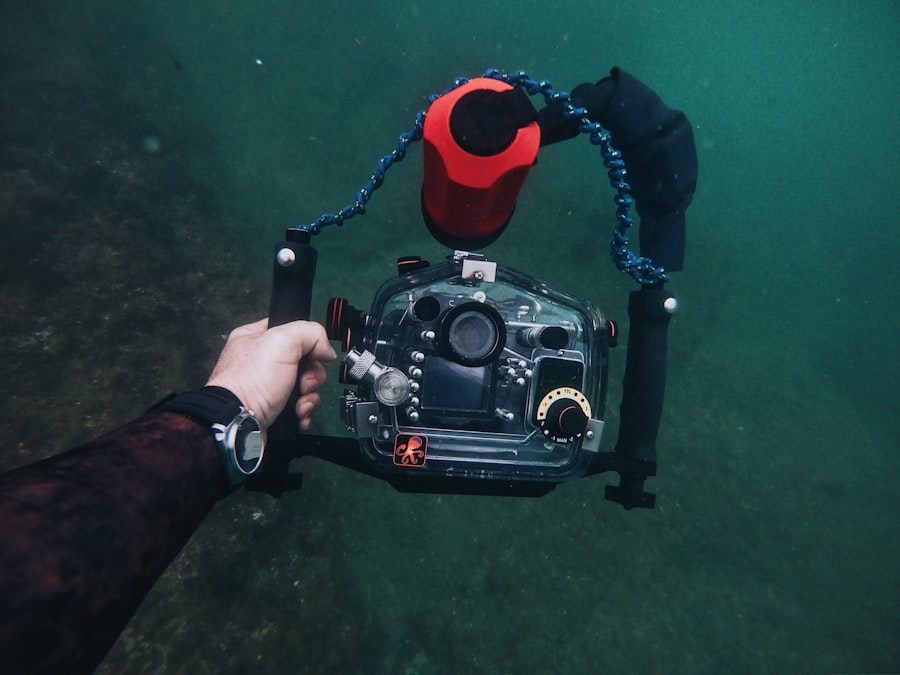
The application of advanced deep-sea technology to Cold War submarine recovery is not theoretical; it has already yielded significant results, shedding light on historical mysteries and offering closure for families and nations. These missions, like charting stormy seas with a newly developed compass, have navigated the complexities of both technical challenges and historical sensitivities.
The Search for the USS Scorpion
The USS Scorpion, a nuclear-powered attack submarine, was lost at sea in May 1968 with all 99 crew members aboard. Its disappearance, like that of its Soviet counterpart the K-129, became one of the enduring mysteries of the Cold War. While the exact cause of the sinking remains debated, modern sonar and AUV technology has played a crucial role in understanding the final resting place of the Scorpion.
Early Search Efforts and Their Limitations
Initial search efforts were extensive but were hampered by the technology of the time. The vastness of the search area and the depth at which the submarine was believed to have sunk presented formidable obstacles.
Modern Multi-National Investigations
Subsequent multinational investigations have utilized advanced sonar and imaging technologies to map the ocean floor in the suspected crash area. These surveys have helped to refine the search area and have provided crucial data for understanding the submarine’s final moments.
The “Black Boxes” of the Deep: Acoustic Signatures
While submarines don’t have literal “black boxes” in the same way as aircraft, sophisticated analysis of acoustic data, including distress signals if any were transmitted, can provide vital clues to the submarine’s final trajectory and depth. Modern acoustic detection arrays and analysis techniques are far more advanced than those available in the 1960s.
###
The Raising of the K-129: A Technological Feat and a Moral Quandary
The Soviet submarine K-129 sank in the Pacific Ocean in 1968. The United States, through a highly secret operation codenamed “Project Azorian,” attempted a partial recovery of the wreck in 1974 using a modified deep-sea mining vessel. This operation showcased the emerging capabilities of deep-sea technology but also highlighted the ethical complexities of recovering a rival nation’s lost vessel.
Project Azorian: The Bold Endeavor
Project Azorian was an ambitious and technically challenging undertaking. It involved the construction of a custom-built vessel, the Glomar Explorer, equipped with a massive lifting mechanism designed to bring a portion of the submarine to the surface. The sheer audacity of the operation, akin to plucking a jewel from the ocean’s deepest vault, demonstrated the growing confidence in deep-sea engineering.
The Limitations of the Recovery
Despite the ingenuity of Project Azorian, the recovery was only partially successful. The sheer depth of the wreck and the immense pressures involved meant that the submarine broke apart during the ascent, with only a portion of the forward section being recovered. This illustrated that even with groundbreaking technology, the ocean still held immense power.
Technological Advancements Since Azorian
The lessons learned from Project Azorian, combined with subsequent technological advancements, have paved the way for more sophisticated and successful recovery operations. The understanding gained about seabed conditions, material fatigue under pressure, and the mechanics of underwater lifting has been invaluable.
###
The Search for the USS Thresher and the USS Squalus
The USS Thresher, another nuclear submarine, sank in 1963 off the coast of Massachusetts. The USS Squalus, a diesel-electric submarine, sank in 1939, but a significant portion of its crew was rescued using early diving bells and specialized submersibles, a testament to the ingenuity of the time. Both cases underscore the long history of submarine accidents and the evolving nature of recovery efforts.
Groundbreaking Rescue of the Squalus Crew
The rescue of the Squalus crew in 1939 was a landmark event. It demonstrated the potential for specialized underwater rescue vehicles and established early protocols for such emergencies. This was the dawn of believing that the deep did not have to be a tomb.
The Search and Investigation of the Thresher
The USS Thresher disaster spurred significant safety improvements in subsequent submarine designs. Modern sonar and ROV technology have been used to study the Thresher’s wreck, providing a clearer picture of the catastrophic events that led to its loss. These investigations aim to provide definitive answers and honor the memory of the crew.
During the Cold War, advancements in deep sea submarine recovery technology played a crucial role in military strategy and intelligence gathering. One fascinating aspect of this era was the race to develop innovative methods for retrieving lost submarines and their valuable cargo. For a deeper understanding of these technological advancements and their implications, you can read more in this insightful article on the subject. The article explores various techniques and the challenges faced by nations during this intense period of competition. To learn more about these developments, visit this link.
The Future of Deep-Sea Recovery: Towards Greater Accessibility and Understanding
| Metric | Description | Cold War Context | Technological Impact |
|---|---|---|---|
| Maximum Operating Depth | Depth at which recovery submarines could operate | Typically 6,000 meters for advanced subs like the Alvin | Enabled recovery of deep-sea objects including downed submarines |
| Recovery Payload Capacity | Weight of objects that could be lifted or retrieved | Up to several tons, sufficient for submarine parts or equipment | Allowed retrieval of sensitive materials and intelligence |
| Remote Manipulator Arms | Robotic arms used for precise underwater operations | Developed and refined during Cold War for salvage missions | Improved ability to handle delicate or hazardous materials |
| Sonar and Navigation Systems | Advanced sonar for locating wrecks and navigating deep waters | Critical for locating lost submarines and objects on ocean floor | Enhanced search accuracy and mission success rates |
| Notable Recovery Missions | Examples of Cold War submarine recovery operations | USS Thresher (1963), USS Scorpion (1968), Soviet K-129 (1974) | Demonstrated strategic importance of deep-sea recovery technology |
The ongoing advancements in deep-sea technology are not only addressing past tragedies but are also laying the groundwork for future capabilities. The ocean floor, once an almost mythical realm of lost treasures and forgotten histories, is becoming increasingly accessible, promising a new era of underwater exploration and understanding.
The Rise of AI and Machine Learning in Oceanographic Surveys
Artificial intelligence (AI) and machine learning are poised to revolutionize how we process and interpret the vast amounts of data generated by deep-sea surveys. This will accelerate the identification of potential wreck sites and improve the efficiency of recovery planning.
Automated Data Analysis and Anomaly Detection
AI algorithms can be trained to identify patterns and anomalies in sonar and video data that might indicate the presence of a wreck, even in complex seabed environments. This can significantly reduce the manual effort required for data analysis.
Predictive Modeling for Wreck Stability
Machine learning can be used to analyze data on wreck condition and environmental factors to predict how a submerged vessel will behave over time and during a recovery attempt. This helps in making more informed decisions about when and how to proceed.
Enhancements in Navigation and Collision Avoidance for AUVs/ROVs
AI can improve the navigation capabilities of AUVs and ROVs, enabling them to operate more autonomously and safely in challenging underwater environments. This includes sophisticated collision avoidance systems that can react to unseen obstacles.
###
Sustainable and Environmentally Conscious Recovery
As our capabilities grow, so too does our responsibility to the marine environment. Future recovery efforts will increasingly prioritize sustainability and minimize ecological impact.
Development of Non-Intrusive Recovery Methods
Research is ongoing into non-intrusive methods of recovery that minimize disturbance to the seabed and marine ecosystems. This might involve advanced buoyancy systems or the use of directed currents to gently lift objects.
Long-Term Monitoring of Recovered Sites
Post-recovery monitoring of the sites where submarines were located will become more commonplace, allowing scientists to assess the long-term environmental impact and learn from the operations themselves.
International Collaboration and Data Sharing
Wrecks from the Cold War era often span international waters and involve multiple nations. Increased international collaboration and the open sharing of data will be crucial for comprehensive investigations and respectful recovery efforts.
###
The Ethical Imperative: Honoring Memory and Preserving History
The recovery of Cold War submarines is not simply a technical challenge; it is also an ethical undertaking. These wrecks represent not only lost technology but also the final resting places of individuals.
Providing Closure for Families and Descendants
Successfully locating and, where possible, recovering lost submarines can bring a sense of closure to the families and descendants of the deceased crew members, offering them definitive answers and the opportunity to properly commemorate their loved ones.
Educational Opportunities and Historical Preservation
The wrecks themselves are invaluable historical artifacts. Their study can provide crucial insights into Cold War naval technology, operations, and the human stories behind these tragedies. Preserving this history through careful documentation and, where appropriate, recovery is a vital undertaking.
The Ocean as a Silent Witness
The ocean has long been a silent witness to the events of the past. With the aid of increasingly sophisticated deep-sea technology, we are now beginning to unlock these underwater archives, revealing the stories of those who served and the challenges they faced in the deep, cold waters of the Cold War. The journey from the unknown depths to a known history is being actively navigated, thanks to these technological marvels.
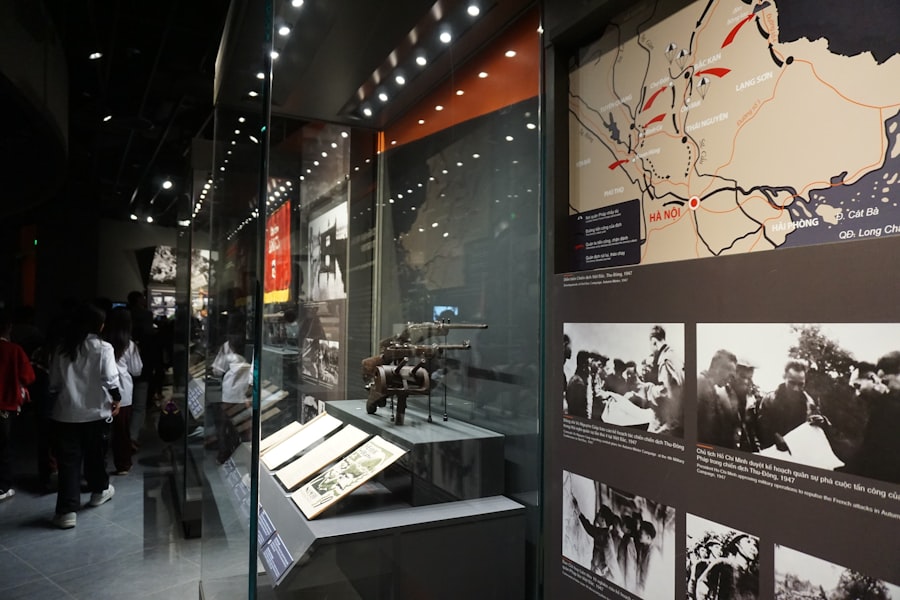
WARNING: The $800 Million Mechanical Failure That Almost Started WWIII
FAQs
What was the primary purpose of deep sea submarine recovery technology during the Cold War?
Deep sea submarine recovery technology during the Cold War was primarily developed to locate, retrieve, and salvage sunken or disabled submarines, often for intelligence gathering, rescue missions, or to prevent sensitive technology from falling into enemy hands.
Which countries were most involved in developing deep sea submarine recovery technology during the Cold War?
The United States and the Soviet Union were the two main countries involved in developing deep sea submarine recovery technology during the Cold War, as both sought to maintain naval superiority and protect their underwater assets.
What are some key technologies used in Cold War-era submarine recovery operations?
Key technologies included deep-diving submersibles, remotely operated vehicles (ROVs), sonar mapping systems, specialized lifting equipment, and underwater navigation tools designed to operate at extreme depths and under challenging conditions.
Can you name a famous Cold War submarine recovery operation?
One of the most famous operations was the recovery of the USS Thresher (SSN-593) in 1963, which involved efforts to locate and study the wreckage of the lost nuclear-powered submarine to improve safety and recovery techniques.
How did Cold War submarine recovery technology impact modern underwater exploration?
Cold War submarine recovery technology laid the groundwork for modern deep-sea exploration by advancing submersible design, underwater robotics, and sonar technology, which are now widely used in scientific research, commercial salvage, and military applications.