The vast, largely uncharted expanse of the ocean floor, a realm of perpetual twilight and immense pressure, has become a new frontier for strategic competition. Once considered immune to the overt displays of power that characterize traditional warfare, this submerged domain is increasingly the theater for “gray zone” operations. These are not outright acts of aggression, but rather a persistent, multifaceted set of activities designed to achieve strategic objectives below the threshold of armed conflict. Understanding these operations in the ocean floor context is crucial, as the consequences of unchecked encroachment in this vital global commons are profound and far-reaching.
The ocean floor is not merely a desolate seabed; it is a critical infrastructure network and a repository of immense natural resources. Its strategic importance has escalated dramatically with advancements in technology, allowing for both greater exploitation and more sophisticated, albeit clandestine, military applications.
Submarine Cables: The Digital Arteries of the World
The Ubiquitous Network of Connectivity
A crucial element of the ocean floor’s strategic value lies in its extensive network of submarine fiber-optic cables. These cables are the digital arteries of the modern world, carrying the vast majority of international internet traffic, financial transactions, and sensitive communications. disruption or compromise of these cables can have catastrophic economic and societal consequences, akin to severing the very nervous system of global commerce and information exchange.
Vulnerabilities and Opportunities for Interference
The sheer volume of data flowing through these cables makes them a prime target for intelligence gathering and potential disruption. State and non-state actors can employ a variety of methods to intercept data, from sophisticated listening devices deployed by submersibles to more direct, albeit riskier, physical interventions. The relative obscurity of the deep sea provides a degree of cover for such activities, allowing them to occur outside the immediate glare of international scrutiny.
The Economic and Geopolitical Ramifications
The potential impact of targeting these cables extends far beyond immediate communication failures. Economic stability can be shaken, financial markets disrupted, and national security jeopardized. Nations heavily reliant on these cables for their economic prosperity and global connectivity are acutely aware of this vulnerability, driving a heightened focus on securing these vital assets.
Offshore Energy Infrastructure: Powering the Globe, Amplifying Risk
The Growing Reliance on Subsea Resources
The ocean floor is dotted with the infrastructure of offshore energy extraction, from oil and gas platforms to wind farms and their associated cabling. As terrestrial resources become depleted or politically volatile, the importance of subsea energy sources grows. This infrastructure represents a significant global energy supply chain, and its disruption carries substantial economic and geopolitical weight.
Exploitable Weaknesses in Undersea Installations
The complex nature of these installations, often spread across vast areas and operating in challenging environments, presents inherent vulnerabilities. Maintaining constant, comprehensive security across all subsea components is a monumental task. Adversaries can probe these weaknesses, seeking to identify entry points for sabotage, intelligence gathering, or the deployment of disruptive technologies.
The Deterrent Effect of Potential Disruption
The very threat of compromising this energy infrastructure can serve as a potent instrument of coercion. A major disruption to global energy supplies could have cascading effects on economies and international relations, offering a significant leverage point for nations seeking to influence outcomes without resorting to overt military action.
Gray zone operations on the ocean floor have become a focal point of geopolitical strategy, as nations increasingly seek to assert their influence in these uncharted territories. A related article that delves into the complexities of underwater operations and their implications for international security can be found at this link. The article explores how various state and non-state actors engage in activities that blur the lines between peace and conflict, highlighting the strategic importance of the ocean floor in modern warfare.
The Instruments of Subsea Influence
The gray zone operations occurring on the ocean floor are not conducted with brute force but with sophisticated, often silent, tools. These instruments are designed for stealth, persistence, and deniability, embodying the clandestine nature of gray zone warfare.
Autonomous Underwater Vehicles (AUVs) and Unmanned Underwater Vehicles (UUVs): The Silent Sentinels
The Rise of Unmanned Capabilities
Autonomous Underwater Vehicles (AUVs) and their remotely operated counterparts, Unmanned Underwater Vehicles (UUVs), are becoming increasingly sophisticated, acting as the primary agents of many gray zone operations. These unmanned systems can operate for extended periods, navigate complex underwater terrain, and perform a range of tasks without direct human intervention or continuous tethering. They are the ocean floor’s equivalent of drones in the air, allowing for persistent surveillance and the execution of delicate maneuvers.
Reconnaissance, Mapping, and Covert Deployment
AUVs and UUVs excel at covert reconnaissance missions. They can map the seabed with high precision, identifying features of strategic interest, such as cable landing points, pipeline routes, and potential areas for infrastructure development or harassment. Furthermore, they can be employed to deploy and retrieve sensors, acoustic countermeasures, or even potentially disruptive payloads, all while maintaining a low profile.
Endurance and Stealth: The Advantage of Automation
The ability of these vehicles to operate for extended durations allows for persistent monitoring and the gradual accumulation of intelligence. Their quiet operation, coupled with the acoustic masking properties of the ocean, makes them incredibly difficult to detect, providing a crucial advantage for actors seeking to operate below the radar of conventional military or civilian monitoring.
Advanced Sensor Technology: The Eyes and Ears of the Deep
Beyond Simple Sonar: A Multi-Spectral Approach
Modern gray zone operations rely on increasingly advanced sensor technologies that go far beyond traditional sonar. These can include: high-resolution synthetic aperture sonar (SAS) for detailed seabed imaging, magnetic anomaly detectors (MAD) to identify metallic objects, and even gravimetric sensors to detect subtle changes in mass that might indicate hidden structures.
Acoustic Monitoring and Signature Analysis
The acoustic environment of the ocean is a critical domain for both detection and deception. Sophisticated sensor arrays can be deployed to monitor the acoustic signatures of vessels, submersibles, and even the subtle sounds of infrastructure. Conversely, actors can employ acoustic decoys, noise-making devices, or techniques to mask their own activities, creating “acoustic fog” to confound adversaries.
Intelligence Gathering and Environmental Awareness
These sensors are not solely for offensive purposes. They can also be used for passive intelligence gathering, amassing data on the movement of naval assets, the deployment of foreign underwater infrastructure, and changes in the marine environment. This comprehensive environmental awareness is a cornerstone of strategic planning in the gray zone.
Mine Warfare and Improvised Explosive Devices (IEDs): The Hidden Threat
The Peril of Unseen Ordinances
While not always associated with gray zone operations, the potential for the covert placement of mines and improvised explosive devices (IEDs) on the seabed presents a significant threat. These can range from conventional naval mines designed to target shipping to more sophisticated devices tailored for specific infrastructure or the disabling of underwater vehicles.
Deniability and Escalation Control
The advantage of using mines or seabed IEDs in a gray zone context is the inherent deniability. If deployed subtly, their origin can be difficult to ascertain, allowing an actor to sow fear and disruption without direct attribution. This also provides a degree of escalation control, as the immediate impact might be localized without triggering a full-blown armed response.
Deterrence and Psychological Impact
The mere knowledge of potential mines or IEDs can have a significant deterrent effect on maritime activities and the expansion of subsea infrastructure. This psychological impact can be as effective as the physical threat, shaping the behavior of other nations and companies operating in contested areas.
The Stealthy Domain: Challenges in Detection and Attribution
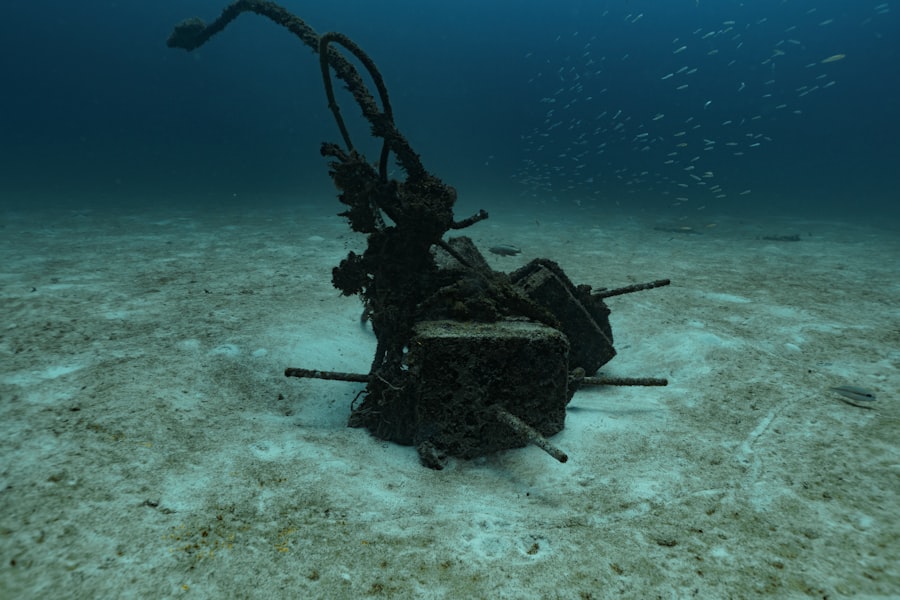
The very nature of the deep ocean makes it an ideal environment for clandestine activities. The vastness, the pressure, and the limited visibility create significant hurdles for those seeking to monitor and deter gray zone operations.
The Vastness and Opacity of the Ocean: A Natural Cloak
An Incomprehensible Scale of Operation
The ocean covers over 70% of the Earth’s surface, and its depths remain largely an enigma. This sheer scale acts as a natural cloak for covert operations. Military and civilian assets designed for surveillance are stretched thin when trying to cover even a fraction of this immense domain. Imagine trying to find a single dropped coin in a football stadium; this analogy only scratches the surface of the challenge.
Limited Visibility and Acoustic Dominance
Sunlight penetrates only the upper layers of the ocean, leaving the vast majority in perpetual darkness. Acoustic waves, while capable of traversing water, are subject to distortion, attenuation, and interference, making pinpoint detection and identification particularly difficult. This duality of darkness and ambiguous sound creates a perfect environment for stealth.
The Layered Nature of Detection: A Complex Puzzle
Detecting underwater activity is not a simple matter of pointing a radar gun. It involves a layered approach, combining sonar, magnetic detection, thermal imaging (where applicable), and vessel tracking. Each layer has its limitations, and attackers can exploit these blind spots to remain undetected.
The Technological Arms Race: Staying Ahead of the Curve
Constant Advancements in Stealth Technology
The nations and organizations engaged in gray zone operations are continuously investing in technologies designed to mask their presence. This includes quieter propulsion systems for submersibles, advanced stealth coatings for vehicles, and sophisticated jamming or deception techniques to neutralize enemy sensors. It’s a perpetual game of cat and mouse.
Counter-Technology Development: The Need for Innovation
In response, the nations seeking to counter these operations must engage in their own technological arms race. This involves developing more sophisticated sonar systems, advanced signal processing capabilities to filter out noise and identify subtle signatures, and improved methods for autonomous underwater tracking and identification. The development of AI-powered analysis tools is becoming increasingly critical.
The Difficulty of Attribution: The Ghost in the Machine
The Challenge of Pinpointing the Perpetrator
One of the most significant challenges in gray zone operations is attribution. When a submarine cable is severed or a sensor is deployed, determining precisely who is responsible can be incredibly difficult. The vastness of the ocean, the potential for false flags, and the sophisticated methods employed to conceal identity all contribute to this ambiguity.
The “Plausible Deniability” Factor
This lack of clear attribution allows actors to operate with a degree of plausible deniability. They can engage in actions that undermine an adversary’s interests without triggering a direct military response, as the evidence might be too circumstantial or easily refutable. This is a key feature of gray zone tactics.
The Role of Intelligence and Forensics
Deterring and responding to these operations requires robust intelligence gathering capabilities and meticulous forensic analysis of any incidents. Understanding the operational patterns, technological fingerprints, and potential motivations of various actors is crucial for piecing together the puzzle of who is behind these clandestine activities.
The Strategic Implications: A Shifting Global Landscape
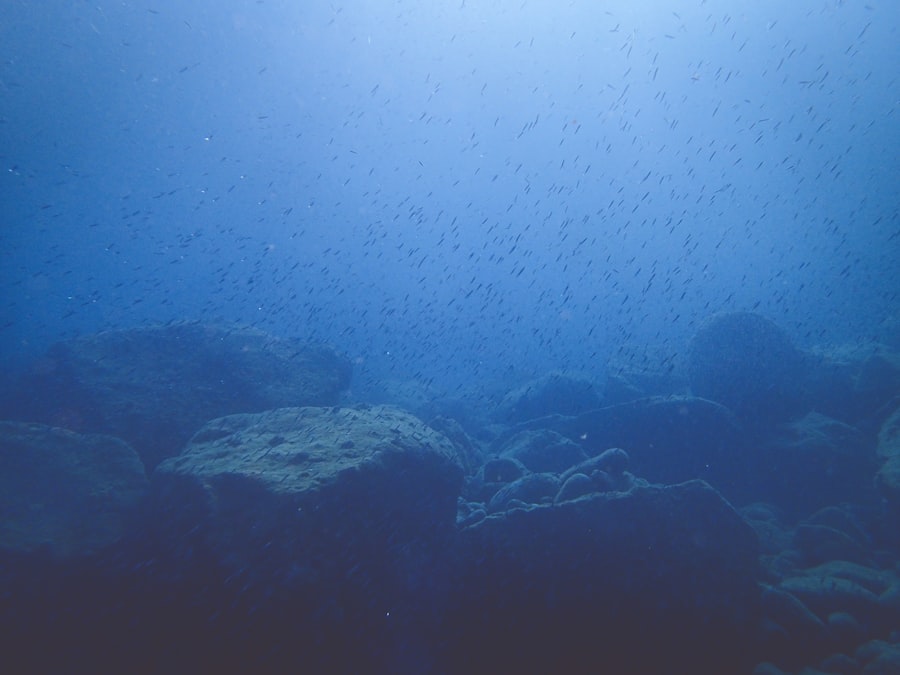
The proliferation of gray zone operations in the ocean floor is not merely a technical challenge; it represents a fundamental shift in the nature of global power dynamics and strategic competition. The consequences of inaction or miscalculation are substantial.
The Erosion of Maritime Norms and Stability
Undermining Freedom of Navigation and Passage
The covert deployment of sensors, the clandestine mapping of critical infrastructure, or the potential for mine-laying directly challenges the established norms of maritime freedom of navigation and passage. When the seabed becomes a littered field of potential threats or a zone of constant surveillance, the unimpeded use of the seas for legitimate commercial and military purposes is jeopardized.
Creating Zones of Uncertainty and Influence
Gray zone operations are designed to create an environment of uncertainty. They allow actors to exert influence and achieve strategic goals without the explicit declaration of conflict, effectively redrawing the boundaries of territorial influence in a subtle yet impactful manner. This can lead to a patchwork of contested zones across the global oceans.
The Incremental Gain for Aggressors
For those employing these tactics, incremental gains are the objective. Each successful covert operation, each piece of intelligence gathered, or each piece of infrastructure subtly compromised contributes to a broader strategic advantage. This slow, persistent erosion of the status quo can be more damaging in the long run than a sudden, overt attack.
The Economic and Commercial Risks
Increased Insurance Premiums and Investment Hesitation
The growing risks associated with subsea infrastructure lead to increased insurance premiums for shipping, cable laying, and offshore energy operations. This can deter investment in new projects and make existing operations more costly. The economic lifeblood of global trade flows through these submerged arteries, and fear of disruption can dampen economic activity.
The Threat to Global Supply Chains
Many global supply chains rely heavily on the uninterrupted flow of goods via maritime transport and the constant connectivity provided by submarine cables. Any disruption, whether accidental or intentional, can have cascading effects, leading to shortages, price spikes, and economic instability. The ocean floor, in this context, is an integral part of the global logistical network.
The Amplification of Geopolitical Tensions
A New Arena for Great Power Competition
The ocean floor has become a new arena for great power competition, where nations can test each other’s resolve and technological capabilities without risking outright war. This can lead to increased tensions and a more complex geopolitical landscape, as traditional diplomatic channels may struggle to address these clandestine activities.
The Challenge for International Law and Governance
Existing international law and governance frameworks are often ill-equipped to deal with the nuances of gray zone operations. Establishing clear jurisdiction, defining prohibited activities, and enforcing international norms in the vastness of the deep sea presents a significant challenge. This gap in governance creates opportunities for exploitation.
The Need for a Proactive and Cooperative Response
Robust Maritime Domain Awareness
To effectively counter gray zone operations, a significant investment in robust Maritime Domain Awareness (MDA) is essential. This involves the integration of intelligence from various sources, including satellites, aerial patrols, surface vessels, and underwater sensors, to build a comprehensive picture of activity in the world’s oceans.
International Cooperation and Information Sharing
No single nation can effectively address the challenge of subsea gray zone operations alone. Enhanced international cooperation and information sharing are crucial. This includes joint patrols, intelligence exchanges, and collaborative efforts to develop common standards and protocols for subsea security.
Developing Clear Red Lines and Deterrence Strategies
Clearly defining unacceptable activities and developing credible deterrence strategies are paramount. This might involve diplomatic pressure, economic sanctions, or demonstrating the capacity for swift and decisive response should red lines be crossed. The goal is to make the risks of engaging in gray zone operations in the ocean floor outweigh any perceived benefits. The silent depths of the ocean floor are no longer a sanctuary; they are a contested frontier, and understanding the nature of these operations is the first step toward ensuring its continued stability and accessibility for all.
STOP: The Fake Mining Ship That Almost Started WW3
FAQs
What are gray zone operations on the ocean floor?
Gray zone operations on the ocean floor refer to activities that fall between peacetime and open conflict, involving covert or ambiguous actions such as undersea surveillance, infrastructure sabotage, or resource exploitation without triggering full-scale military responses.
Why are gray zone operations significant in maritime security?
These operations are significant because they allow states or non-state actors to advance strategic interests, gather intelligence, or assert control over maritime areas while avoiding direct confrontation, complicating traditional defense and diplomatic responses.
What types of technologies are used in gray zone operations on the ocean floor?
Technologies include autonomous underwater vehicles (AUVs), remotely operated vehicles (ROVs), underwater sensors, communication cables, and seabed mining equipment, which can be used for surveillance, data collection, or interference with undersea infrastructure.
Which regions are most vulnerable to gray zone operations on the ocean floor?
Regions with strategic maritime routes, contested territorial claims, or valuable underwater resources—such as the South China Sea, the Arctic Ocean, and parts of the Indian Ocean—are particularly vulnerable to gray zone activities.
How do international laws address gray zone operations on the ocean floor?
International laws like the United Nations Convention on the Law of the Sea (UNCLOS) provide frameworks for maritime rights and responsibilities, but gray zone operations often exploit legal ambiguities, making enforcement and attribution challenging in these undersea contexts.