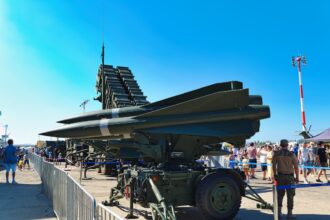
Naval intelligence operations are a crucial, albeit often clandestine, aspect of modern warfare. For any major maritime power, understanding the strengths and weaknesses of adversaries, as well as protecting one’s own capabilities, is paramount. The Soviet Union, with its vast coastline and strategic ambitions, invested heavily in naval intelligence and, consequently, in the equally vital countermeasures required to safeguard its own naval assets and operations. This article delves into the multifaceted world of Soviet naval intelligence countermeasures, exploring the strategies, technologies, and philosophies that underpinned their efforts to operate effectively in the shadows and protect their vital maritime interests.
The Soviet Union’s naval doctrine, particularly during the Cold War, was characterized by a dichotomy. On one hand, there was a clear ambition to project power globally and challenge the dominance of the United States Navy. On the other, a deep-seated distrust of Western intelligence capabilities and a recognition of the vulnerability of large, centralized fleets led to a strong emphasis on secrecy and deception. Soviet naval planners understood that their technological gaps in certain areas compared to the West could be partially bridged by denying their adversaries information. This made countermeasures not an afterthought, but a foundational element of their naval strategy.
The “Silent Service” Ethos
A significant portion of Soviet naval operations, especially those involving submarines, was steeped in an ethos of extreme secrecy, often referred to metaphorically as the “Silent Service.” This wasn’t merely about operational discipline; it was a proactive effort to minimize any detectable signature. Submarines, by their very nature, were designed for stealth, but their operational environment—the open ocean—is a vast, yet ultimately measurable, space. Every propeller turn, every ping of active sonar, every emission of electronic signals could potentially be a breadcrumb leading to their location.
Strategic Ambitions and Vulnerabilities
The Soviet Union’s strategic ambitions, which included projecting power into the Atlantic and Pacific, maintaining a strong nuclear deterrent through its submarine-launched ballistic missile (SLBM) forces, and supporting its global allies, placed its navy in a position of constant tension with NATO navies. This tension, while creating opportunities for intelligence gathering, also amplified the need for countermeasures. A successful intelligence coup against their naval forces could have had profound strategic implications, undermining deterrence or revealing crucial operational plans.
The “Iron Curtain” at Sea
Conceptually, Soviet naval countermeasures aimed to extend the “Iron Curtain” beyond territorial borders, creating zones of denial and ambiguity for potential adversaries. This involved not just physical concealment but also the active manipulation of the information environment, making it difficult for Western intelligence to assess Soviet naval strengths, deployment patterns, and technological advancements accurately.
Soviet naval intelligence countermeasures played a crucial role during the Cold War, as they sought to protect their maritime assets from Western surveillance and potential attacks. An insightful article that delves into the intricacies of these countermeasures can be found on In The War Room, which discusses various strategies employed by the Soviet navy to enhance their operational security. For more in-depth information, you can read the article here: Soviet Naval Intelligence Countermeasures.
Electronic Warfare: A Digital Shield and Sword
The realm of electronic warfare (EW) was a cornerstone of Soviet naval countermeasures. In an era of burgeoning radar, sonar, and communications technologies, controlling the electromagnetic spectrum was as important as controlling the seas themselves. Soviet EW capabilities were designed to disrupt, deceive, and deny the effectiveness of enemy sensors and communication systems, while simultaneously protecting their own.
Jamming and Deception Techniques
Soviet naval forces employed sophisticated jamming techniques to blind enemy radar systems. This could involve flooding enemy frequencies with noise, creating false targets, or mimicking friendly signals to confuse analysis. For instance, during exercises, Soviet vessels might emit signals designed to mimic those of more advanced Western systems, leading to misinterpretations of their technological capabilities. The goal was to present a fog of electronic warfare, a digital labyrinth, through which enemy intelligence would struggle to find a clear path.
Radar Signature Reduction
Beyond active jamming, significant efforts were made to reduce the radar cross-section (RCS) of Soviet naval vessels. This involved the use of radar-absorbent materials (RAM) in hull construction and the strategic shaping of ship designs to deflect radar waves away from their source. Think of it like an athlete wearing specialized gear designed to absorb and deflect incoming projectiles; the goal was to make their vessels “slippery” to radar detection. This was particularly important for their submarine fleet, where any surface alert could be catastrophic.
Communications Security and Deception
Protecting naval communications was another critical aspect. The Soviets employed encryption, frequency hopping, and directional antennas to make their transmissions difficult to intercept and decipher. Furthermore, they actively engaged in communications deception, broadcasting false information or using decoys to lure enemy electronic intelligence assets away from sensitive operations. This was akin to a chess player creating diversions on one side of the board to mask a decisive move on the other.
Acoustic Concealment: The Submarine’s Shadow Play
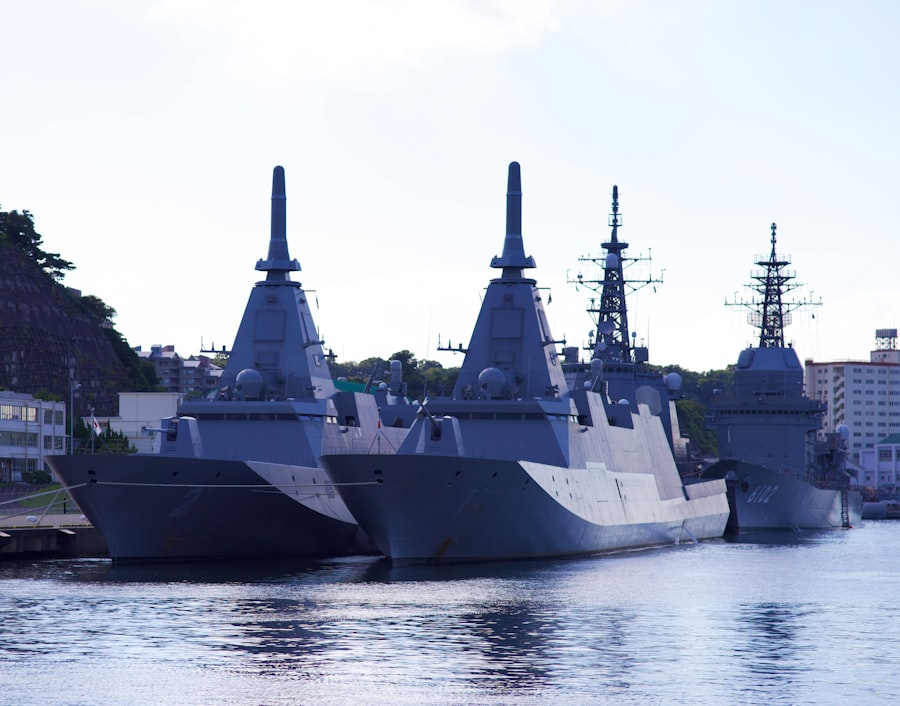
For the Soviet submarine force, acoustic concealment was the ultimate form of naval intelligence countermeasure. The vast majority of submarine detection relies on sound, making acoustic signatures the primary vulnerability. Soviet engineers and operators dedicated immense resources to minimizing the sounds emitted by their submarines and to deceiving enemy sonar systems.
Quieting Technologies for Submarines
Soviet submarine designers meticulously worked on reducing noise generated by machinery, propellers, and hull flow. Advanced acoustic materials were used to damp vibrations. Cavitation, the formation of vapor bubbles behind propellers that creates noise, was a particular focus, leading to the development of quieter propeller designs and operational techniques that minimized its occurrence. The aim was to make their submarines move through the water like ghosts, leaving only the faintest whisper in their wake.
Sonar Decoys and Evasion
Soviet submarines were equipped with sophisticated sonar decoys designed to mimic the acoustic signatures of other vessels or to create false targets. These decoys could be launched to draw away pursuing torpedoes or to confuse sonar operators about the submarine’s true position or type. Evasive maneuvers, coupled with the ability to operate at extreme depths, were also key components of their acoustic countermeasure strategy. Understanding the “ears” of the enemy and finding ways to blind them or feed them misinformation was paramount.
Operating in “Sound Shadows”
Furthermore, Soviet submarine commanders were trained to exploit the acoustic environment. They understood how sound propagates through water under different conditions and actively sought out “sound shadows”—areas where sound is attenuated or distorted—to further enhance their stealth. This involved a deep understanding of oceanography and an intuitive feel for the underwater battlespace.
Deception and Misinformation: The Art of the Unseen
Beyond technological countermeasures, the Soviets were masters of deception and misinformation, a strategic art form that aimed to sow confusion and misdirect their adversaries. This was about manipulating the perception of reality, making their true intentions and capabilities as opaque as the deepest ocean trench.
False Declarations and Exercises
The deliberate leaking of false information or the staging of elaborate military exercises designed to mislead Western intelligence agencies was a common tactic. For example, a large-scale naval exercise conducted in a remote location might be intended to draw attention away from a more significant, clandestine operation elsewhere. Metaphorically, this was like a magician waving a brightly colored cloth to distract the audience from the sleight of hand occurring in their other hand.
Decoy Vessels and Operations
The use of decoy vessels, both at sea and in military planning, was another effective measure. These could be vessels designed to mimic the radar or acoustic signatures of more valuable or sensitive assets, drawing enemy attention and resources. False intelligence reports suggesting the deployment of specific weapon systems or fleet concentrations were also disseminated to manipulate enemy strategic planning.
Intelligence “Bleed-Out” Operations
In some instances, the Soviets might have intentionally allowed carefully curated pieces of intelligence to “bleed out” to the West, designed to instill a false sense of understanding of their capabilities. This could involve showcasing certain technologies while deliberately obscuring others, leading to an incomplete and potentially misleading picture for Western analysts.
Soviet naval intelligence countermeasures played a crucial role in the Cold War, as they sought to protect their maritime assets from Western surveillance and attacks. A fascinating exploration of this topic can be found in a related article that delves into the strategies employed by the Soviet Union to enhance their naval capabilities. For more insights, you can read the full article here. Understanding these countermeasures provides a deeper appreciation of the intricate cat-and-mouse games that characterized naval operations during this tense period in history.
Counter-Intelligence and Operational Security
| Countermeasure | Description | Effectiveness | Implementation Period | Notes |
|---|---|---|---|---|
| Signal Encryption | Use of advanced cryptographic systems to secure naval communications | High | 1960s – 1980s | Included one-time pads and machine ciphers like Fialka |
| Electronic Countermeasures (ECM) | Jamming and deception techniques to disrupt enemy radar and sonar | Moderate to High | 1970s – 1980s | Used on surface ships and submarines to reduce detection |
| Operational Security (OPSEC) | Strict control of information and movement to prevent intelligence leaks | High | Throughout Cold War | Included compartmentalization and surveillance of personnel |
| Decoy Deployment | Use of false signals and physical decoys to mislead enemy sensors | Moderate | 1970s – 1980s | Included inflatable decoys and radar reflectors |
| Counter-Surveillance | Detection and neutralization of enemy reconnaissance and spy activities | Moderate | 1960s – 1980s | Included monitoring of foreign vessels and aircraft near Soviet waters |
The final, and perhaps most overarching, layer of Soviet naval intelligence countermeasures involved robust counter-intelligence and operational security measures designed to protect their own intelligence activities and personnel.
Protecting Agents and Sources
The Soviet intelligence apparatus was deeply concerned with protecting its agents and sources, both within its own forces and among potential sympathizers abroad. Rigorous vetting, compartmentalization of information, and sophisticated counter-surveillance techniques were employed to prevent infiltration and compromise. The metaphorical “walls” around their intelligence networks needed to be thicker than any submarine hull.
Secure Data Transmission and Storage
Ensuring the secure transmission and storage of sensitive intelligence data was paramount. This involved heavily encrypted communication channels, secure data storage facilities, and strict protocols for handling classified information. The thought of enemy hands getting hold of their secrets was a constant specter.
Denial and Deception of Enemy Intelligence Gathering
Ultimately, Soviet naval intelligence countermeasures were about creating an environment where Western intelligence gathering was as difficult and unproductive as possible. This involved not only actively deceiving the enemy but also proactively denying them the opportunities to gather intelligence in the first place. It was a continuous game of cat and mouse, or perhaps more accurately, a deep-sea predator artfully blending into its environment, making itself all but invisible to the hunting sonar of its adversary. The success of these measures, while never fully quantifiable, undoubtedly played a significant role in shaping the strategic landscape of the Cold War and influencing naval operations for decades.
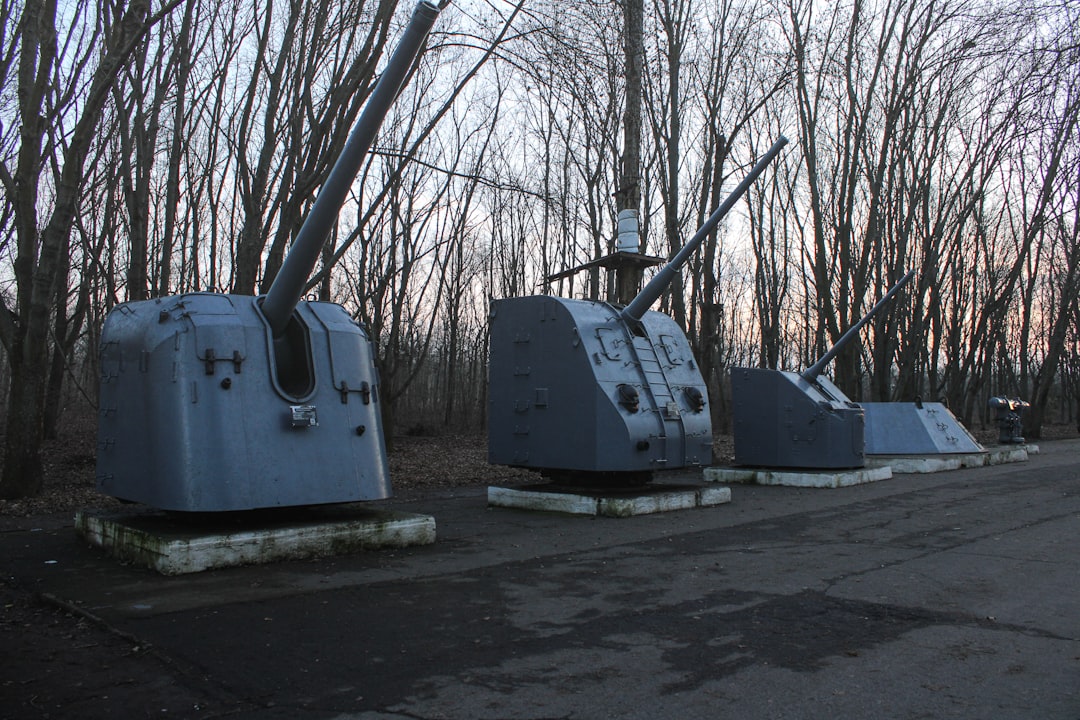
STOP: The Fake Mining Ship That Almost Started WW3
FAQs
What was the primary role of Soviet naval intelligence during the Cold War?
Soviet naval intelligence was primarily responsible for gathering information on the naval capabilities, movements, and strategies of potential adversaries, particularly NATO forces, to support the Soviet Navy’s operational planning and strategic decision-making.
What types of countermeasures did the Soviet Navy employ against foreign naval intelligence?
The Soviet Navy used a variety of countermeasures including electronic warfare techniques such as jamming and deception, strict communication security protocols, the use of camouflage and stealth technology on vessels, and deploying decoys to mislead enemy surveillance and reconnaissance efforts.
How did the Soviet Union protect its naval communications from interception?
The Soviet Union employed advanced encryption methods, frequency hopping, and secure communication channels to protect naval communications. They also used physical security measures and compartmentalization of information to minimize the risk of interception and intelligence leaks.
Did the Soviet naval intelligence use any specific technology to detect foreign submarines?
Yes, the Soviet Navy developed and deployed sophisticated sonar systems, underwater listening devices, and magnetic anomaly detectors to track and monitor foreign submarines. They also utilized maritime patrol aircraft and surface ships equipped with anti-submarine warfare (ASW) technology.
What impact did Soviet naval intelligence countermeasures have on Cold War naval operations?
Soviet naval intelligence countermeasures complicated NATO’s intelligence-gathering efforts, enhancing the Soviet Navy’s operational security and effectiveness. These measures contributed to a strategic balance by reducing the vulnerability of Soviet naval assets and increasing the difficulty for adversaries to gain accurate intelligence.