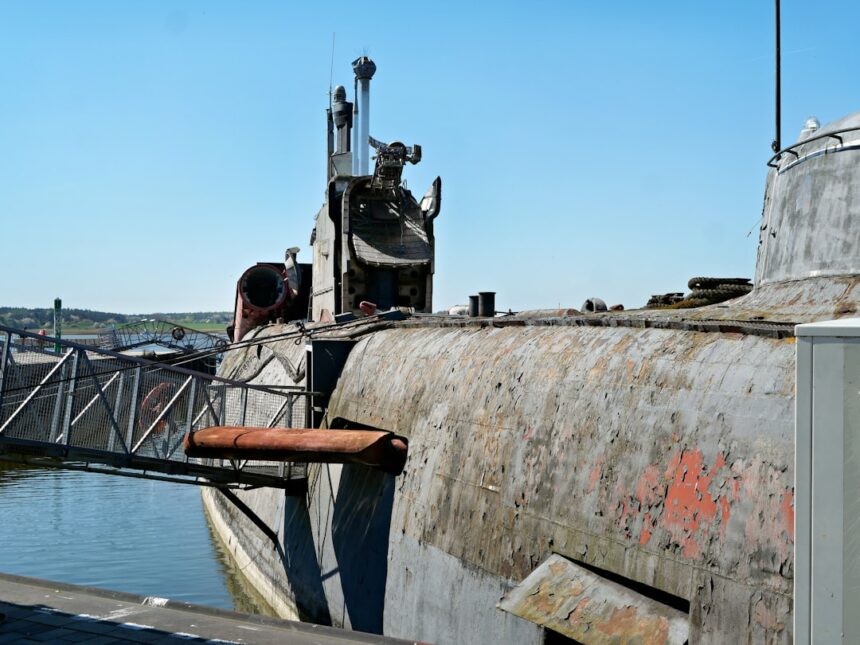
The Cold War was an era of unprecedented espionage and clandestine operations, a subterranean battle waged beneath the surface of international diplomacy. Among the most audacious of these covert endeavors was a mission shrouded in secrecy for decades, a true testament to the lengths to which intelligence agencies would go to gain a strategic advantage. This was Operation Deep Dive, a daring CIA initiative to salvage a sunken Soviet submarine, an operation so audacious it verged on the fantastical.
The ideological struggle between the United States and the Soviet Union manifested not only on land and in the skies but also in the murky depths of the global oceans. Both superpowers heavily invested in their submarine fleets, recognizing their potential as stealthy platforms for nuclear deterrence and intelligence gathering. These underwater behemoths became symbols of national power and technological prowess, their movements meticulously tracked and their secrets jealously guarded.
The K-129 Incident: A Prelude to Deep Dive
The catalyst for Operation Deep Dive was the mysterious disappearance of the Soviet Golf II-class ballistic missile submarine, K-129. In March 1968, the K-129, bearing nuclear-armed ballistic missiles, vanished without a trace in the Pacific Ocean, approximately 1,560 nautical miles northwest of Hawaii. The Soviet Navy launched an extensive, albeit ultimately fruitless, search operation. Their inability to locate the vessel provided a critical window of opportunity for their adversaries.
Intelligence Gathering and Initial Detection
The United States, through its sophisticated network of underwater acoustic surveillance systems, including the Sound Surveillance System (SOSUS), detected anomalies consistent with a submarine implosion in the vicinity of the K-129’s presumed patrol area. This was the first thread that, when pulled, would unravel into a complex tapestry of subterfuge and technological innovation. The initial detection was a critical triumph of intelligence, confirming the location of a potential goldmine of Soviet naval secrets.
The recent declassification of CIA documents revealing a daring submarine heist has captivated the public’s imagination, shedding light on covert operations during the Cold War. For those interested in exploring more about this intriguing subject, a related article can be found at In The War Room, which delves into the complexities of underwater espionage and the strategic significance of such missions.
Project Azorian: The Covert Salvage Operation
Recognizing the immense intelligence value of a sunken Soviet submarine, particularly one potentially armed with nuclear missiles and cryptographic equipment, the Central Intelligence Agency (CIA) initiated Project Azorian. This was no ordinary salvage effort; it was an undertaking of monumental scale and unprecedented ambition, demanding the development of bespoke technologies and an intricate web of deception.
The Glomar Explorer: A Ship Born of Secrecy
To execute Project Azorian, a vessel of singular design was required. The result was the Hughes Glomar Explorer, a marvel of Cold War engineering. Ostensibly a deep-sea mining ship owned by eccentric billionaire Howard Hughes, the Glomar Explorer was in reality a highly specialized intelligence collection platform. Its design incorporated a massive internal moon pool, a retractable claw, and a substantial lifting capacity, all necessary for retrieving a multi-thousand-ton submarine from extreme depths.
Concealment and Misdirection
The cover story for the Glomar Explorer‘s true purpose was meticulously crafted. The narrative of mining manganese nodules from the Pacific seabed served as a convincing façade. This allowed the vessel to operate in international waters for extended periods without arousing significant suspicion, a metaphorical smoke screen obscuring the true objective. The very existence of such a sophisticated deep-sea mining operation was plausible enough to deter close scrutiny.
Technological Hurdles and Engineering Innovations
Salvaging a submarine from depths exceeding 16,000 feet presented a formidable array of engineering challenges. The extreme pressures, frigid temperatures, and corrosive environment demanded innovative solutions. The development of specialized lifting mechanisms, robust submersible cameras, and advanced navigational systems were paramount to the mission’s success. These technological breakthroughs, often born under intensely classified conditions, foreshadowed later advancements in deep-sea exploration.
The Operation in Action: A Game of Cat and Mouse
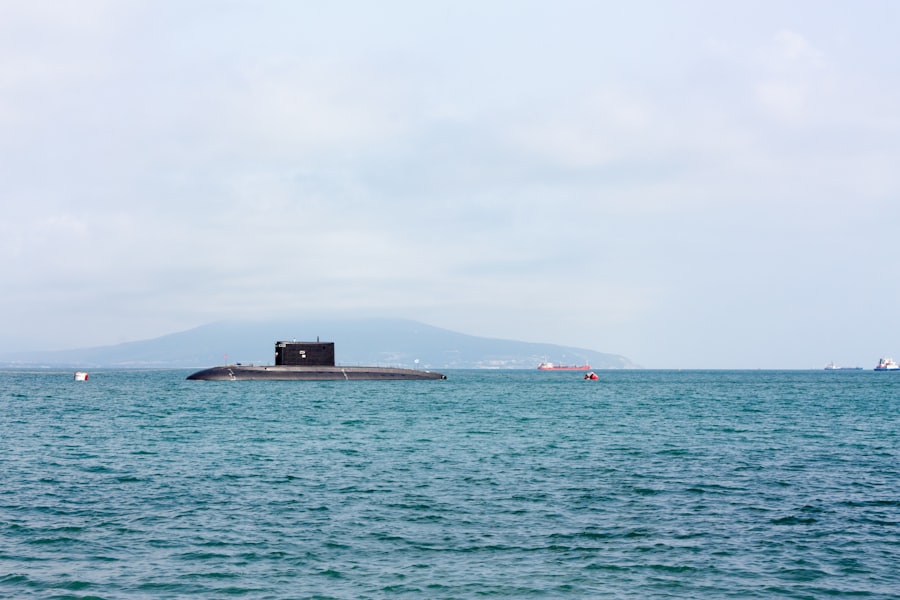
The deployment of the Glomar Explorer and the commencement of the salvage efforts were not without their own intricate dance of espionage and counter-espionage. The Soviet Union, aware of the general area of the K-129’s disappearance, maintained a presence in the region, their naval vessels observing the Glomar Explorer‘s activities with growing suspicion.
Soviet Surveillance and American Evasion
Soviet trawlers and naval intelligence ships, colloquially known as “tattletales,” diligently shadowed the Glomar Explorer. Their presence created a constant tension, a palpable sense of being observed. The American crew employed various evasive maneuvers and counter-surveillance techniques to maintain the illusion of their cover story, a high-stakes game of observation and deception played out on the vast expanse of the Pacific Ocean.
The “Rough Seas” Incident
One particularly tense moment involved a Soviet naval vessel approaching the Glomar Explorer during a critical phase of the salvage. The American crew deliberately simulated mechanical difficulties and severe weather conditions to discourage the Soviet ship from getting too close, a strategic maneuver to prevent direct observation of the recovery process. This was a classic intelligence tactic of misdirection, using environmental factors as a shield.
The Partial Recovery and Its Significance
Despite the immense challenges and the constant threat of discovery, Project Azorian achieved a partial success. In the summer of 1974, a section of the K-129, estimated to be about 38 feet long, was successfully recovered. This section reportedly contained two nuclear-armed torpedoes, cryptographic equipment, and other valuable intelligence materials.
The Intelligence Harvest
The recovered section of the K-129 provided invaluable insights into Soviet submarine design, weaponry, and naval capabilities. analysis of the torpedoes offered crucial data on Soviet nuclear warhead technology and targeting mechanisms. The cryptographic equipment, even if partially damaged, could have offered clues into Soviet communications and encryption methods, potentially compromising their strategic advantage. This intelligence harvest was a significant victory in the ongoing information war.
The Exposure and Aftermath: Cracks in the Secrecy
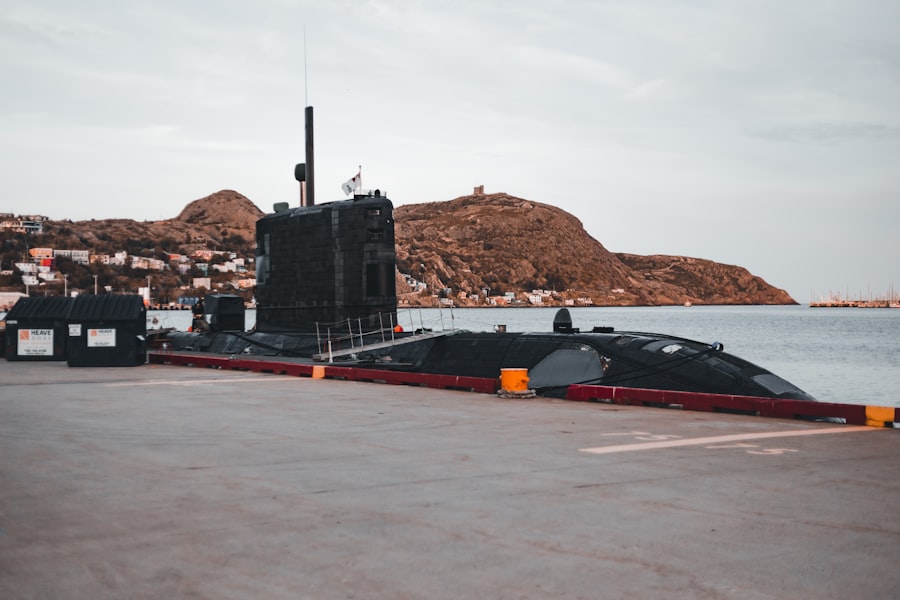
The veil of secrecy surrounding Project Azorian was eventually pierced, not by Soviet intelligence, but by an unauthorized disclosure within the United States. This leak profoundly altered the public perception of the operation and triggered a robust debate about government transparency and the ethics of classified intelligence operations.
The Los Angeles Times Revelation
In February 1975, the Los Angeles Times broke the story of Project Azorian, revealing the true purpose of the Glomar Explorer and the CIA’s audacious attempt to salvage the Soviet submarine. The leak sent shockwaves through the intelligence community and sparked a media frenzy. The revelation exposed the incredible secrecy maintained by the CIA and raised questions about accountability and public oversight.
The Church Committee Investigations
The exposure of Project Azorian coincided with a period of intense scrutiny of US intelligence agencies by the Church Committee in the Senate and the Pike Committee in the House. These investigations, prompted by revelations of past abuses and covert operations, aimed to reform and regulate the intelligence community. Project Azorian became another focal point in this broader examination of government secrecy and power.
Diplomatic Repercussions and Cold War Tensions
The public disclosure of Project Azorian caused significant diplomatic fallout. The Soviet Union, while outwardly downplaying the incident, undoubtedly viewed it as a blatant act of espionage and a serious breach of international norms. The episode further exacerbated Cold War tensions, providing additional fuel for the narrative of a covert, aggressive United States.
The recent declassification of CIA documents revealing a submarine heist has sparked significant interest in covert operations during the Cold War. This intriguing story sheds light on the lengths to which intelligence agencies would go to achieve their objectives. For those interested in exploring more about the complexities of espionage and underwater missions, a related article can be found here, which delves deeper into the strategies employed by the CIA during this tumultuous period.
The Legacy of Operation Deep Dive: A Double-Edged Sword
| Metric | Details |
|---|---|
| Operation Name | Operation Ivy Bells |
| Year of Heist | 1970 |
| Location | Sea of Okhotsk, near Soviet Union |
| Target | Soviet Undersea Communication Cable |
| Agency Involved | Central Intelligence Agency (CIA) and National Security Agency (NSA) |
| Method | Submarine retrieval and tapping of communication cable |
| Duration of Operation | Several years (early 1970s to late 1970s) |
| Outcome | Successful interception of Soviet military communications |
| Declassification Year | 1997 |
Operation Deep Dive, or Project Azorian as it is officially known, remains a compelling chapter in the annals of Cold War intelligence. It exemplifies the extraordinary ingenuity, audacious risk-taking, and significant resource allocation dedicated to gaining even the slightest advantage in the bipolar struggle. Its legacy, however, is a complex tapestry woven with threads of triumph, controversy, and enduring mystery.
A Triumph of Engineering and Intelligence
From an engineering perspective, Project Azorian was an undeniable triumph. The design and construction of the Glomar Explorer and its specialized equipment pushed the boundaries of deep-sea technology. The intelligence gathered, though partial, provided crucial insights into Soviet capabilities, demonstrating the value placed on even fragmented pieces of the puzzle when the stakes were so high. It serves as a benchmark for what can be achieved through concerted technological and organizational effort.
Ethical Quandaries and Public Scrutiny
The exposure of Project Azorian sparked a protracted debate about the ethics of covert operations and the appropriate level of secrecy in a democratic society. Critics argued that such operations, while potentially yielding valuable intelligence, could undermine public trust and lead to abuses of power. The incident reinforced the idea that the intelligence community, operating in the shadows, required significant oversight and accountability. This remains a relevant dialogue even today.
Enduring Mysteries and Speculations
Despite the declassification of numerous documents, certain aspects of Project Azorian remain shrouded in mystery. The precise contents of the recovered section of the K-129, the exact intelligence derived from it, and the full extent of the operation’s financial cost are still subjects of speculation and scholarly debate. The very nature of such highly classified undertakings ensures that some details will forever remain beyond public reach, a testament to the persistent allure of the unknown.
In conclusion, Operation Deep Dive stands as a monumental illustration of the Cold War’s clandestine intensity. It was a perilous journey into the deep, not merely to recover a sunken vessel, but to plumb the depths of an adversary’s capabilities. It served as a stark reminder that beneath the calm facade of international relations, a relentless game of strategic chess was being played, with the oceans as their board and sunken secrets as their most coveted prizes.
STOP: The Fake Mining Ship That Almost Started WW3
FAQs
What was the Declassified CIA submarine heist?
The Declassified CIA submarine heist refers to a covert operation during the Cold War in which the CIA recovered a sunken Soviet submarine from the ocean floor. The mission was highly secretive and involved advanced underwater technology to retrieve sensitive Soviet intelligence.
When did the CIA submarine heist take place?
The operation occurred in the early 1970s, with the most notable event being the recovery of the Soviet submarine K-129 in 1974. This mission was part of a broader effort to gather intelligence on Soviet naval capabilities.
How did the CIA manage to recover the submarine?
The CIA used a specially designed ship called the Hughes Glomar Explorer, equipped with a large mechanical claw to lift the submarine from the ocean floor. The operation was complex and required precise engineering and secrecy to avoid detection by the Soviet Union.
What was the purpose of the submarine heist?
The primary goal was to obtain Soviet military technology, cryptographic materials, and intelligence documents from the submarine. This information was valuable for understanding Soviet naval operations and enhancing U.S. national security during the Cold War.
Has the CIA officially acknowledged the submarine heist?
Details of the operation remained classified for decades. The CIA officially declassified information about the mission in the 2010s, revealing the extent of the operation and its significance in Cold War intelligence efforts.