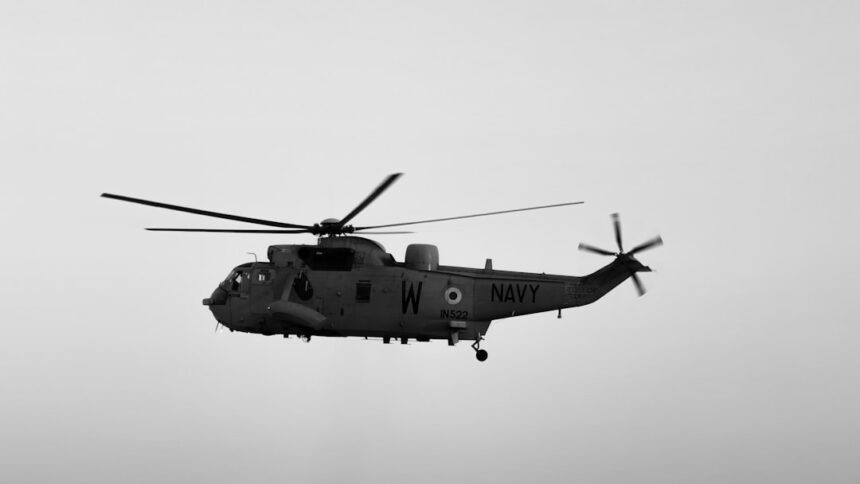
The immense shadow of the Soviet Union, a global superpower for much of the 20th century, ultimately crumbled, succumbing to a complex interplay of internal and external pressures. While many factors contributed to its dissolution in 1991, a significant and often overlooked architect of its demise was the relentless drain of military overspending, a self-inflicted wound that hollowed out its economy and fueled popular discontent. This article will delve into how the insatiable appetite of the Soviet military-industrial complex became a ravenous beast, devouring resources that could have been invested in the well-being of its citizens and ultimately leading to the collapse of the communist behemoth.
The Cold War, a protracted ideological and geopolitical struggle between the Soviet Union and the United States, was defined by an unprecedented and costly arms race. From the outset, the Soviet leadership viewed military strength as the ultimate guarantor of national security and the ideological victor in the global contest. This perception, born from the trauma of World War II and the perceived existential threat from the capitalist West, instilled a deep-seated belief that superiority in military might was paramount, even at the expense of domestic prosperity.
The Ideological Imperative of Military Might
The communist ideology, in its Soviet interpretation, was inherently confrontational. It posited a zero-sum game, where the triumph of socialism necessitated the weakening or defeat of capitalism. This ideological lens naturally translated into a constant need to match, and ideally surpass, the military capabilities of the United States and its allies. The Soviet Union’s leaders believed that projecting an image of unassailable military power was essential to deter aggression and to inspire revolutionary movements worldwide. In this worldview, military spending was not merely an expenditure; it was an investment in the very survival and propagation of the communist system.
The Geopolitical Chessboard and its High Stakes
The global geopolitical landscape during the Cold War was a high-stakes chessboard. The Soviet Union juggled numerous commitments and perceived threats across the globe. From supporting socialist revolutions in Africa and Latin America to maintaining a vast military presence in Eastern Europe and facing off against NATO on the European continent, the demands on its military resources were immense. Each proxy conflict, each new weapons system developed by the West, triggered a reciprocal escalation, a cycle of action and reaction that proved ruinous. It was like a perpetual arms race where both sides kept pouring fuel on the fire, convinced they could outlast the other, without realizing the fire was consuming them both from within.
The Shadow of Nuclear Annihilation
The advent of nuclear weapons irrevocably altered the calculus of warfare and profoundly influenced military spending. The concept of Mutually Assured Destruction (MAD) necessitated the maintenance of massive, sophisticated, and constantly modernized nuclear arsenals on both sides. For the Soviet Union, this meant diverting colossal resources towards missile development, submarine fleets, bombers, and the intricate command and control systems required to manage such a destructive force. The technological race to possess the most advanced and devastating weaponry became a significant driver of military expenditure, a chilling testament to the lengths to which ideological rivalry could push nations. The constant threat of global annihilation, while a deterrent, also imposed an enormous and unsustainable financial burden.
One significant factor that contributed to the bankruptcy of the Soviet Union was its inability to keep pace with advancements in military technology, particularly during the arms race of the Cold War. An insightful article on this topic can be found at In the War Room, which explores how the overwhelming costs associated with developing and maintaining a competitive military arsenal ultimately strained the Soviet economy. The article delves into the technological innovations of the West and how the Soviet Union’s response led to unsustainable expenditures, highlighting the critical intersection of military strategy and economic viability.
The Military-Industrial Complex: A Leviathan Emerges
The sheer scale of Soviet defense spending gave rise to a powerful and deeply entrenched military-industrial complex. This complex, mirroring its American counterpart, comprised not only the armed forces but also a vast network of state-owned defense enterprises, research institutes, and scientific institutions. This symbiotic relationship between the military and industry created a self-perpetuating engine of demand, where innovation and production within the defense sector were prioritized above all else.
The Architects of Defense: Bureaucracy and Power
Within the Soviet system, the Ministry of Defense and its affiliated agencies wielded immense political and economic influence. These powerful bureaucracies were responsible for setting military requirements, allocating resources, and overseeing the production of weaponry. Their vested interests lay in maintaining and expanding their own power, which in turn meant advocating for continued, and often increased, military expenditure. Career advancement and political prestige were often tied to the perceived strength and technological prowess of the Soviet armed forces, creating a powerful incentive to perpetuate the cycle of spending. This bureaucratic machinery, once set in motion, was incredibly difficult to divert or dismantle.
The Engine of Production: Defense Factories and Innovation
The Soviet Union boasted an extensive network of defense factories, employing millions of workers and consuming a disproportionate share of the nation’s industrial capacity. These enterprises, often the most technologically advanced in the country, were dedicated to the production of aircraft, tanks, submarines, missiles, and a plethora of other military hardware. The drive to innovate and stay ahead in the arms race spurred continuous research and development in the defense sector, often at the expense of civilian industries. The sheer scale of this industrial apparatus meant that the economic health of entire regions and cities was tied to the fortunes of the defense industry, creating a powerful inertia that resisted any calls for demilitarization.
The Hidden Cost of Secrecy and Inertia
The Soviet military-industrial complex operated largely in secrecy, shielded from public scrutiny and economic accountability. This lack of transparency allowed for inefficiencies, waste, and the unchecked growth of spending. Furthermore, the inertia of a centrally planned economy made it incredibly difficult to pivot resources away from the entrenched defense sector. Shifting production or retraining workers for civilian industries would have been a monumental undertaking, met with resistance from vested interests and the inherent inflexibility of the Soviet economic model. The entire system was like a massive, rusted cog; it turned, but with immense effort and little finesse.
The Economic Strangulation: A Self-Inflicted Wound
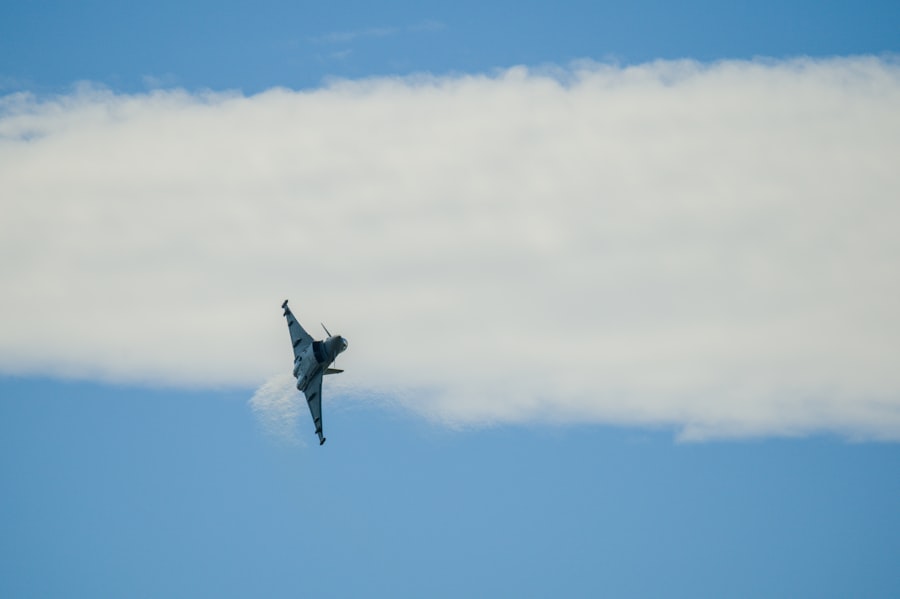
The relentless drain of military spending had a crippling effect on the Soviet economy. Resources that could have been invested in improving living standards, modernizing infrastructure, or developing consumer goods were instead channeled into the insatiable maw of the defense sector. This diversion of wealth created a stark dichotomy: a technologically advanced military capable of projecting power globally, juxtaposed with a citizenry often struggling with shortages of basic goods and a stagnant standard of living.
Depleted Consumer Goods and Stagnant Living Standards
As the Soviet Union poured its lifeblood into its military machine, the civilian economy suffered from chronic underinvestment. The production of consumer goods lagged far behind the West, leading to widespread shortages, long queues, and a general sense of deprivation among the population. While often lauded on the international stage for its military might, the average Soviet citizen experienced a daily reality of limited choices, poor quality goods, and a perpetual struggle to meet basic needs. This stark contrast between military prowess and domestic hardship bred a deep sense of frustration and disillusionment. The shining military parades masked a hollowed-out reality for most.
The Distortion of Industrial Priorities
The overwhelming focus on military production distorted the priorities of the entire Soviet industrial apparatus. Resources, skilled labor, and scientific talent were disproportionately allocated to the defense sector. This meant that other crucial areas of the economy, such as agriculture, manufacturing of essential goods, and infrastructure development, were starved of necessary investment. The result was a lopsided economy, highly capable of producing sophisticated weaponry but woefully inadequate in meeting the basic needs of its population. It was like building a magnificent castle while neglecting the foundations of the village that supported it.
The Burden of Third-World Military Aid
Beyond its own massive military expenditures, the Soviet Union also bore the considerable financial burden of supporting allied socialist regimes and revolutionary movements around the world. This military aid, often provided in the form of weapons, training, and financial assistance, stretched Soviet resources even thinner. While these commitments served ideological and geopolitical goals, they represented a significant drain on an already strained economy, further exacerbating the problem of military overspending. Each distant conflict, each distant ally, added another stone to the already heavy weight on the Soviet economic cart.
The Cracks Begin to Show: Gorbachev and Perestroika
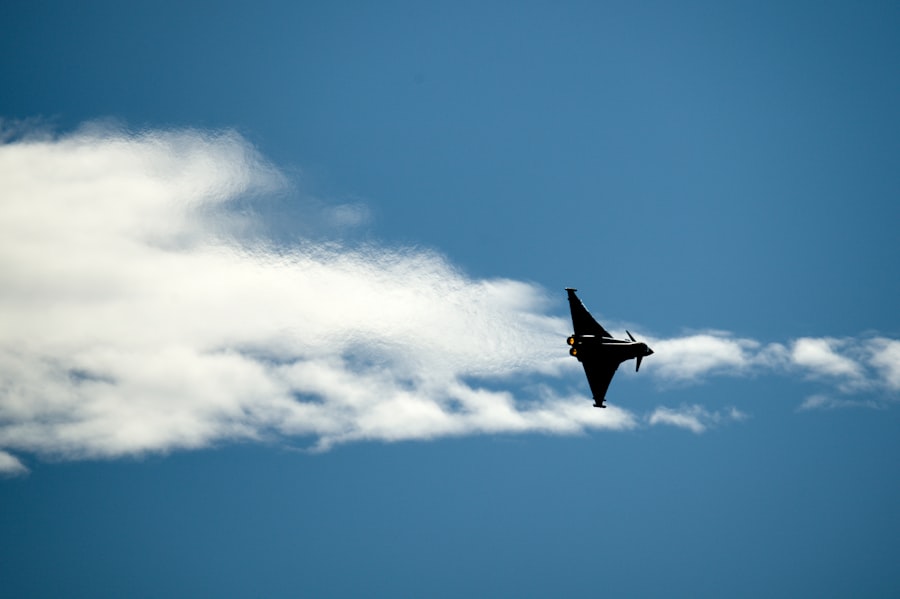
By the 1980s, the unsustainability of the Soviet economic model, heavily burdened by military spending, was becoming increasingly apparent. Mikhail Gorbachev’s ascension to power in 1985 marked a turning point, as he recognized the urgent need for reform. His policies of perestroika (restructuring) and glasnost (openness) aimed to revitalize the Soviet economy and society, but they inadvertently exposed the deep-seated problems, including the crippling effects of military overspending.
The Illusion of Military Parity
Despite the economic strains, the Soviet Union maintained the facade of military parity with the United States throughout much of the Cold War. This was achieved through sheer brute force of production and a willingness to endure lower living standards. However, this parity came at an immense cost, masking the underlying economic fragility. The continuous investment required to keep pace with America’s technological advancements acted as a slow poison, gradually weakening the Soviet economic body.
The Growing Disconnect Between Rhetoric and Reality
As glasnost began to lift the veil of secrecy, the stark contrast between the official rhetoric of Soviet strength and the everyday realities of its citizens became increasingly difficult to ignore. The pervasive shortages, the dilapidated infrastructure, and the relative poverty of the general population stood in sharp relief to the lavish military parades and the boasts of technological superiority in defense. This growing disconnect eroded public trust and fueled a sense of disillusionment with the communist system.
The Unraveling of the Economic Fabric
Gorbachev’s attempts at economic reform, while well-intentioned, revealed the extent to which the Soviet economy had been distorted by decades of military dominance. The centrally planned system, designed to prioritize defense production, proved stubbornly resistant to change. Attempts to reallocate resources from the military sector met with fierce resistance from the entrenched defense establishment. The economic fabric, stretched thin by military obligations, began to fray, leading to widespread shortages and economic instability.
The collapse of the Soviet Union can be attributed to various factors, one of which was the overwhelming financial burden of military technology development during the Cold War. The relentless arms race with the United States forced the Soviet economy to allocate vast resources to keep pace, ultimately leading to its downfall. For a deeper understanding of how military expenditures contributed to this economic strain, you can read a related article that explores these dynamics in detail at this link.
The Inevitable Collapse: The Weight of the Sword
| Military Technology | Description | Impact on Soviet Economy | Time Period |
|---|---|---|---|
| Intercontinental Ballistic Missiles (ICBMs) | Long-range missiles capable of delivering nuclear warheads across continents. | High development and maintenance costs strained the defense budget. | 1960s-1980s |
| Strategic Bomber Fleet | Large fleet of nuclear-capable bombers designed to penetrate enemy airspace. | Expensive to produce and maintain, diverting resources from civilian economy. | 1950s-1980s |
| Submarine-Launched Ballistic Missiles (SLBMs) | Nuclear missiles launched from submarines, enhancing second-strike capability. | Costly submarine construction and upkeep increased military expenditure. | 1970s-1980s |
| Space-Based Reconnaissance and Early Warning Systems | Satellites and radar systems for missile launch detection and intelligence gathering. | High technological investment added to economic burden. | 1970s-1980s |
| Advanced Tank and Armored Vehicle Development | Continuous upgrades to tanks like the T-72 and T-80 to maintain battlefield superiority. | Heavy industrial focus limited consumer goods production. | 1970s-1980s |
| Development of the MiG-29 and Su-27 Fighter Jets | High-performance aircraft designed to counter Western air forces. | Research and production costs contributed to budget deficits. | 1980s |
The relentless drain of military overspending was not the sole cause of the Soviet Union’s collapse, but it was an indispensable factor that fundamentally weakened its economic and social foundations. The immense resources diverted to the military starved the civilian economy, bred public discontent, and ultimately rendered the Soviet system unsustainable.
The Arms Race as an Economic War of Attrition
The Cold War, in many respects, became an economic war of attrition, with the Soviet Union ultimately proving unable to sustain the financial burden of the arms race. The United States, with its more dynamic and robust capitalist economy, was better equipped to absorb the costs of military expenditure without sacrificing living standards to the same degree. The Soviet Union, on the other hand, found itself in a perpetual state of economic strain, forced to choose between military might and the well-being of its citizens, a choice it ultimately could not afford to make indefinitely. It was a marathon where one runner was forced to carry an ever-increasing weight on their back.
The Final Straw: Discontent and Demonstrations
The economic hardships directly traceable to military overspending played a significant role in fueling the growing popular discontent that ultimately swept away the Soviet regime. As citizens became increasingly aware of their relative deprivation compared to the West and the internal inefficiencies of their own system, the appeal of change grew. The inability of the government to provide basic necessities, while simultaneously projecting immense military power, became an untenable contradiction. This dissatisfaction manifested in protests, demands for reform, and ultimately, the dismantling of the Soviet empire.
The Legacy of the Red Giant’s Sword
The downfall of the Soviet Union serves as a stark historical lesson on the economic consequences of unchecked military overspending. The immense power and influence of the Soviet military-industrial complex, while perhaps born from a perceived need for security, ultimately became a suffocating weight that crushed its economic potential and paved the way for its eventual demise. The ambition to wield the heaviest sword on the global stage proved to be too great a burden, leading to the shattering of the red giant. The echoes of this historical experience continue to resonate, offering valuable insights into the delicate balance between national security and economic prosperity.

SHOCKING: How Stealth Technology Bankrupted An Empire
FAQs
What types of military technology contributed to the financial strain on the Soviet Union?
The Soviet Union invested heavily in advanced military technologies such as intercontinental ballistic missiles (ICBMs), nuclear submarines, stealth aircraft, and space-based weapons systems. The high costs of research, development, and production of these technologies significantly strained the Soviet economy.
How did the arms race with the United States impact the Soviet economy?
The arms race with the United States forced the Soviet Union to allocate a large portion of its GDP to military spending in order to keep pace with American technological advancements. This diversion of resources from consumer goods and infrastructure contributed to economic stagnation and eventual financial collapse.
Did military technology alone cause the bankruptcy of the Soviet Union?
No, military technology was a major factor but not the sole cause. The Soviet Union’s economic problems were also due to systemic inefficiencies, poor agricultural output, political issues, and declining oil revenues. However, excessive military spending exacerbated these problems and accelerated the collapse.
What role did the Strategic Defense Initiative (SDI) play in the Soviet Union’s financial difficulties?
The U.S. Strategic Defense Initiative, announced in the 1980s, aimed to develop missile defense systems that threatened to undermine the Soviet nuclear deterrent. In response, the Soviet Union increased its military spending to develop countermeasures, further straining its already fragile economy.
When did military spending peak in the Soviet Union before its collapse?
Military spending in the Soviet Union peaked during the early to mid-1980s, particularly under the leadership of Leonid Brezhnev and later Mikhail Gorbachev. This period saw the highest allocation of resources to defense, which contributed to the economic difficulties leading up to the Soviet Union’s dissolution in 1991.