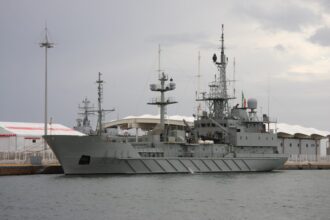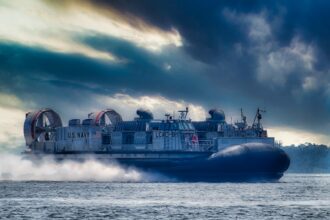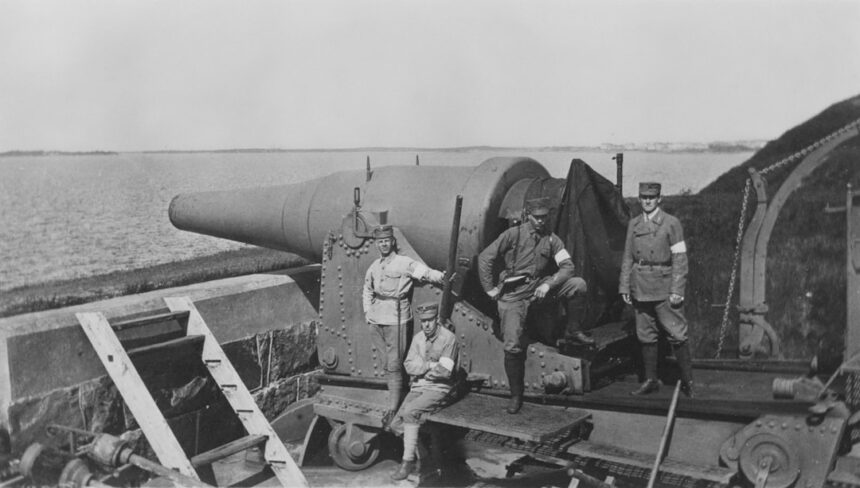
War Room: Military History Analysis occupies a niche within the broader field of military studies, offering a structured approach to understanding past conflicts and their implications. As a discipline, it transcends mere recounting of events, delving into the underlying causes, conduct, and consequences of warfare. This area of study is less about the celebratory grand narratives of victory and defeat, and more about the dispassionate dissection of strategic decisions, tactical execution, and logistical realities.
Before the advent of formalized military history, accounts of war often served as chronicles of kings and heroes, imbued with nationalistic bias or epic mythology. The methodical study of warfare emerged as a distinct intellectual pursuit, moving beyond mere narrative to analytical frameworks.
Early Precursors: From Thucydides to Machiavelli
- Thucydides and the Peloponnesian War: Often cited as the “father of scientific history,” Thucydides’ History of the Peloponnesian War is remarkable for its objective reporting, analysis of cause and effect, and exploration of human nature in conflict. His work set a precedent for examining rational motives and strategic blunders, rather than simply attributing outcomes to divine intervention. For the modern analyst, Thucydides provides a foundational understanding of how to interrogate primary sources and discern underlying patterns.
- Sun Tzu and the Art of War: While not a historical account in the conventional sense, Sun Tzu’s Art of War offers profound insights into strategy and military philosophy. Its enduring relevance lies in its timeless principles concerning deception, intelligence, and the avoidance of direct confrontation. This text, in the context of War Room analysis, serves as a blueprint for understanding strategic thinking, offering a conceptual framework against which historical campaigns can be measured.
- Machiavelli and the Prince: Niccolò Machiavelli’s writings, particularly The Prince and Discourses on Livy, demonstrate a pragmatic and often ruthless approach to military and political power. His emphasis on virtù (skill, prowess, and determination) and fortuna (fortune or luck) provides a lens through which to analyze the interplay of human agency and external circumstances in warfare.
The Enlightenment and the Professionalization of Military History
The Enlightenment era brought with it a greater emphasis on reason, empirical observation, and systematic classification. This intellectual shift profoundly influenced the study of war, moving it closer to a scientific endeavor.
- Antoine-Henri Jomini: Jomini’s systematization of military principles, particularly his emphasis on interior lines and the concentration of force, transformed military history into a didactic tool. His works, while later criticized for their rigidity, provided a vocabulary and a conceptual framework for analyzing campaigns. Through Jominian lenses, War Room analysts can deconstruct historical battles to identify the application (or misapplication) of these “eternal” principles.
- Carl von Clausewitz: Often considered the most profound military theorist, Clausewitz’s On War offers a nuanced and philosophical exploration of warfare. His seminal concept of war as “a continuation of political intercourse with the admixture of other means” is a cornerstone of modern military analysis. For the War Room, Clausewitzian analysis involves understanding the political objectives of a conflict, the role of chance and uncertainty (“fog and friction”), and the dynamic interplay between the trinity of passion, chance, and reason.
For those interested in a deeper understanding of military strategy and historical analysis, the article “The Evolution of War Rooms: From Ancient Times to Modern Warfare” on In The War Room provides an insightful exploration of how war rooms have shaped military decision-making throughout history. This piece delves into the technological advancements and strategic shifts that have influenced the design and function of these critical spaces. You can read the article here: The Evolution of War Rooms: From Ancient Times to Modern Warfare.
Methodologies in Military History Analysis
The “War Room” approach to military history analysis employs a diverse toolkit of methodologies, each designed to peel back layers of complexity and reveal the operational mechanics of conflict. It is not merely a chronicle of events, but an interrogation of decisions and their consequences.
Archival Research and Primary Source Analysis
- Declassification and Access: The availability of declassified government documents, military reports, and personal correspondence is paramount. These primary sources, often locked away for decades, provide unfiltered insights into the planning, execution, and aftermath of campaigns. The astute analyst understands that these documents are not always objective and can be shaped by institutional bias or individual perspectives. Therefore, cross-referencing and critical evaluation are essential.
- Memoirs and Oral Histories: While potentially subjective, memoirs of participants, from senior commanders to rank-and-file soldiers, offer invaluable human perspectives on the experience of war. Oral histories, captured through interviews, provide a direct link to lived experiences, uncovering details often absent from official records. The challenge lies in discerning embellishment from factual recall.
Quantitative and Qualitative Approaches
- Statistical Analysis: Leveraging data, where available, allows for quantitative analysis of various aspects of warfare. This can include casualty rates, equipment losses, logistical consumption, and the effectiveness of different weaponry or tactics. Statistical patterns can reveal trends and highlight deviations from expectations. For example, analyzing resupply rates against operational tempo can illuminate logistical bottlenecks.
- Case Studies and Comparative Analysis: In-depth case studies of specific battles, campaigns, or wars provide granular detail. By comparing and contrasting different case studies, military historians can identify recurring patterns, unique circumstances, and the impact of varying factors (e.g., terrain, technology, leadership). This comparative lens allows for the development of broader theoretical constructs regarding military effectiveness.
Interdisciplinary Perspectives
- Geopolitics and International Relations: War is intrinsically linked to the broader geopolitical landscape. Analyzing historical conflicts requires an understanding of the prevailing international power dynamics, alliances, rivalries, and ideological clashes. The War Room must consider how these external forces shaped strategic objectives and war aims.
- Sociology and Psychology: The human element is central to warfare. Sociological factors, such as societal structures, conscription policies, and national morale, significantly influence a nation’s capacity and will to fight. Psychological insights into leadership, decision-making under stress, and the impact of trauma are equally crucial for a holistic understanding. Examining the psychological impact of trench warfare in WWI, for instance, offers profound insights into its prolonged and attritional nature.
- Technology and Logistics: Technological advancements have consistently reshaped the face of battle, from the advent of gunpowder to modern cyber warfare. Analyzing the impact of new weaponry, communication systems, and transportation infrastructure is vital. Logistics, often called the “bloodstream of an army,” is frequently overlooked but foundational to military success or failure. A sophisticated War Room analysis meticulously traces the movement of supplies, personnel, and equipment, understanding that a failure in logistics can unravel the most brilliant strategic plans.
The Role of Simulation and Wargaming
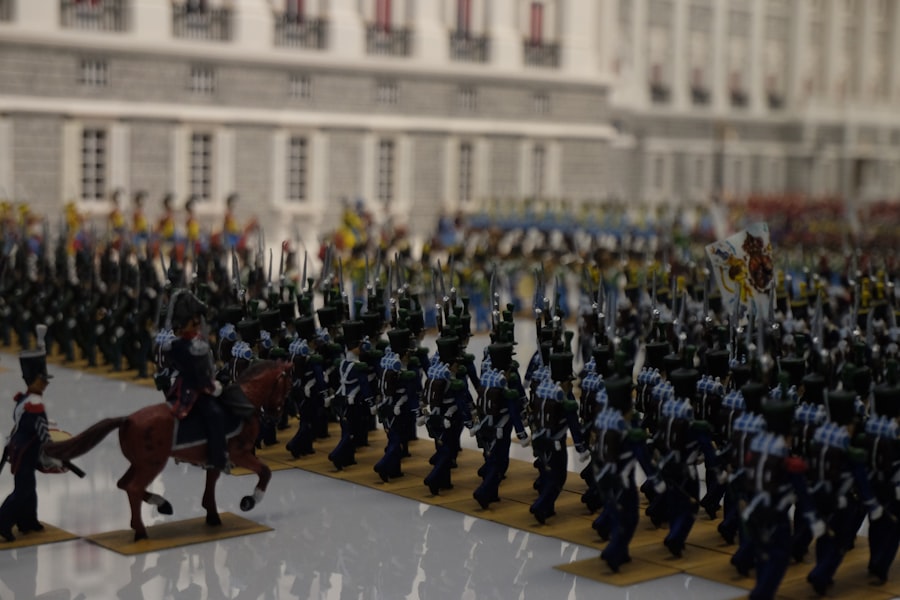
In a modern War Room devoted to historical analysis, the traditional tools of academic research are increasingly augmented by interactive and dynamic methods. These approaches offer a unique opportunity to test hypotheses and gain a deeper, more visceral understanding of past conflicts.
Reconstructing Historical Scenarios
- Scenario Development: Based on exhaustive archival research and primary source analysis, detailed historical scenarios are developed. These scenarios meticulously define the forces involved, their capabilities, the terrain, weather conditions, and the political objectives at play. They are the scaffolding upon which the simulation is built, aiming for fidelity to the historical record.
- Parameter Identification: Crucial parameters, often expressed as probabilities or numerical values, are identified. These might include troop morale, communication effectiveness, weapon accuracy, logistical constraints, and the impact of leadership decisions. The challenge lies in quantifying the qualitative aspects of historical conflict.
Wargaming as an Analytical Tool
- Tabletop Wargames: These traditional wargames, often using physical maps and miniatures, allow participants to role-play historical commanders and make decisions under simulated pressure. The iterative nature of turns and the immediate feedback on tactical choices can reveal the complexities and often agonizing dilemmas faced by historical figures. It helps in understanding the temporal dimension and the unfolding of events in a more tangible way.
- Computer Simulations: Advanced computer simulations offer a more sophisticated and scalable approach. They can model complex interactions between large forces, incorporate environmental factors, and run numerous iterations to explore different outcomes based on varying input parameters. These simulations allow for the testing of “what-if” scenarios, such as “What if Rommel had received more supplies before El Alamein?” or “What if the weather had been different on D-Day?” They are particularly valuable for testing logistical vulnerabilities and the cumulative effects of attrition.
- Insights into Decision-Making: Wargaming and simulations are not predictive tools for the past, but rather analytical instruments. By engaging with these methods, researchers gain a deeper appreciation for the cognitive burdens on commanders, the limitations of information, and the role of chance. They can highlight the critical junctures in a campaign where a different decision might have radically altered the course of history. The process itself can illuminate the “fog of war” by forcing participants to act on incomplete information.
Ethical Considerations and Biases
The pursuit of objective historical analysis is perpetually challenged by inherent human biases and the ethical responsibility of the historian. The War Room, as a crucible of critical thought, must constantly self-evaluate its methodologies and interpretations.
The Historian’s Subjectivity
- Selection Bias: The very act of choosing which sources to prioritize, which events to highlight, and which narratives to construct introduces a degree of subjectivity. Historians, like all individuals, are products of their time and culture, and their intellectual frameworks can inadvertently shape their interpretations.
- Interpretation and Narrative Construction: Facts do not speak for themselves; they are interpreted and woven into narratives. Different historians, even when presented with the same evidence, may arrive at differing conclusions. The War Room acknowledges this inherent plurality of interpretation and encourages robust academic debate, not the espousal of a single “truth.”
Overcoming Nationalistic and Ideological Biases
- Deconstructing National Myths: Military history is often intertwined with national identity and myths. A critical War Room approach actively challenges these nationalistic narratives, seeking to uncover inconvenient truths and counter triumphant or victimhood-oriented histories that often obscure the full complexity of a conflict. This involves scrutinizing sources for inherent political agendas.
- Acknowledging Diverse Perspectives: War affects all parties involved, combatants and civilians alike. A comprehensive analysis incorporates the perspectives of all belligerents, rather than solely focusing on the viewpoint of one’s own nation or alliance. This includes examining the experiences of occupied populations, marginalized groups, and those who bore the brunt of conflict.
The Responsibility of Interpretation
- Avoiding Presentism: Presentism is the anachronistic application of present-day values and knowledge to historical events. While it is natural to reflect on lessons learned, the analyst must resist judging historical actors solely by contemporary moral standards. Understanding the context, constraints, and prevailing norms of the past is crucial for accurate interpretation.
- Implications for Future Conflict: While the primary goal is historical understanding, military history analysis often tacitly informs contemporary strategic thinking and policy development. The War Room, therefore, carries a responsibility to present its findings with intellectual rigor and clarity, understanding that these insights can contribute to discussions about future military doctrine, procurement, and international relations. The lessons from past conflicts are not crystal balls for the future, but rather navigational charts to avoid previously charted dangers.
In exploring the intricate strategies employed during significant military conflicts, one can gain valuable insights from the analysis presented in the war room military history article. This piece delves into the decision-making processes and tactical maneuvers that shaped the outcomes of various battles. For a deeper understanding, you can read the full article here: war room military history analysis. By examining these historical contexts, we can better appreciate the complexities of warfare and the lessons that continue to resonate today.
The Future of War Room: Military History Analysis
| Metric | Description | Example Data | Source |
|---|---|---|---|
| Battle Duration | Length of time the battle lasted | 3 days (Battle of Gettysburg) | The War Room Archives |
| Troop Strength | Number of soldiers involved | 75,000 Union vs 70,000 Confederate | Military Records |
| Casualties | Total number of killed, wounded, or missing | Approximately 51,000 (Gettysburg) | Historical Analysis |
| Strategic Outcome | Result and impact on the war | Union Victory, turning point in Civil War | War Room Reports |
| Commanders | Leaders involved in the battle | Gen. George Meade (Union), Gen. Robert E. Lee (Confederate) | Military History |
| Terrain Analysis | Impact of geography on battle tactics | High ground advantage at Cemetery Ridge | War Room Tactical Reviews |
| Logistics Efficiency | Effectiveness of supply and communication | Delayed Confederate reinforcements | Operational Reports |
The field is not static but continues to evolve, adapting to new technologies, emerging methodologies, and shifts in global strategic thought. The “War Room” of tomorrow will likely be even more dynamic and interdisciplinary.
Digital Humanities and Big Data
- Text Mining and Natural Language Processing: The digitization of vast archival collections opens new avenues for analysis. Text mining techniques can identify patterns, themes, and correlations across millions of documents, revealing insights that would be impossible through traditional manual review. Natural Language Processing (NLP) can be used to analyze the sentiment and tone of historical reports, offering granular insights into morale and perceptions.
- Geographic Information Systems (GIS): GIS technology allows for the detailed mapping and analysis of historical battlefields, troop movements, and logistical routes. Overlaying historical data onto precise geographical information provides a powerful visual and analytical tool, allowing for spatial analysis of terrain advantages, strategic positioning, and the impact of environmental factors. For example, understanding the impact of specific choke points or river crossings takes on new dimensions with GIS.
Interdisciplinary Expansion
- Cognitive Science and Decision Theory: Future analysis will likely delve deeper into the cognitive processes of commanders and decision-makers under pressure. Insights from cognitive science can illuminate the biases, heuristics, and psychological factors that influence choices in high-stakes environments. Decision theory can provide models for evaluating strategic rationality and the impact of incomplete information.
- Environmental History of War: A growing area of study focuses on the reciprocal relationship between warfare and the environment. This includes analyzing the environmental impact of military operations (e.g., resource extraction, ecological destruction) and how environmental factors (e.g., climate, disease, natural resources) have shaped military campaigns. This perspective adds a critical layer to understanding the long-term consequences of conflict.
Public Engagement and Accessible Analysis
- Democratization of Knowledge: As more historical data becomes digitized and accessible, the War Room’s outputs can reach a wider audience beyond academic and military circles. This includes producing accessible articles, documentaries, podcasts, and interactive visualizations that convey complex historical analysis to the general public.
- Ethical AI in Historical Research: While potentially powerful, the use of Artificial Intelligence (AI) in historical research presents ethical challenges. The War Room must carefully consider issues of algorithmic bias, the potential for AI to reinforce existing narratives, and the imperative to maintain human oversight in interpretation. The goal is to leverage AI as a tool for inquiry, not as an arbiter of historical truth.
The “War Room” of military history analysis is, therefore, a dynamic and evolving intellectual enterprise. It is a space where the past is rigorously questioned, not simply recounted. For the serious student of conflict, it offers a pathway to understanding the immutable dynamics of war and the enduring lessons forged in the Crucible of human aggression and ingenuity. It serves as a continuous intellectual exercise, a perpetual “after-action review” of history’s most defining moments.

SHOCKING: How the KGB Read Our Nuclear Codes for 18 Years
FAQs
What is a war room in military history?
A war room is a centralized command center used by military leaders to plan, coordinate, and monitor operations during a conflict. It serves as a strategic hub where intelligence, communications, and decision-making converge.
How has the concept of a war room evolved over time?
Originally, war rooms were physical spaces with maps and communication equipment. Over time, they have evolved to incorporate advanced technology such as computers, real-time data feeds, and secure communication networks to enhance situational awareness and decision-making.
What role does a war room play in military strategy?
A war room facilitates the analysis of battlefield information, coordination of troop movements, and rapid response to changing conditions. It enables commanders to make informed strategic and tactical decisions by providing a comprehensive overview of the operational environment.
Can you give examples of famous war rooms in history?
Notable examples include the British Cabinet War Rooms during World War II, where Winston Churchill and his staff directed the war effort, and the Pentagon’s National Military Command Center, which serves as the U.S. Department of Defense’s primary war room.
How do modern war rooms differ from those used in earlier conflicts?
Modern war rooms utilize digital technology, satellite imagery, and real-time communication systems, allowing for faster data processing and more precise coordination. Earlier war rooms relied heavily on physical maps, radio communication, and manual data analysis.