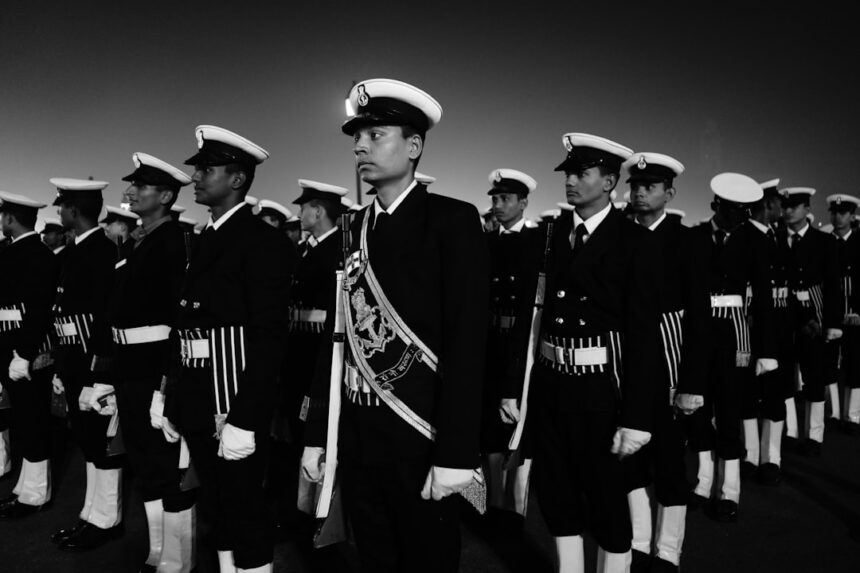
The naval radio room, a vital nexus of communication and intelligence, has undergone profound transformations throughout history. From its nascent beginnings as a spark-gap transmitter shack to its contemporary incarnation as a high-tech digital command center, the security of this space has remained paramount. This article explores the historical evolution of naval radio room security, examining the challenges faced, the countermeasures implemented, and the enduring principles that have guided its safeguarding.
The advent of wireless telegraphy at the turn of the 20th century revolutionized naval communication, enabling ships to communicate across vast distances without the need for visual signals or unreliable cable connections. However, this nascent technology also introduced novel security vulnerabilities.
The Problem of Eavesdropping
Early radio signals were inherently broadcast, meaning anyone with a receiver tuned to the correct frequency could intercept communications. This posed a significant threat, as enemy forces could gain crucial intelligence on fleet movements, strategic intentions, and logistical details. The air, once a barrier, became a highway for information, open to all.
Absence of Cryptographic Standards
In the early days, cryptographic practices were rudimentary or non-existent. Messages were often sent “in the clear” or encrypted using simple substitution ciphers that were easily broken. This lack of robust encryption meant that even if communications were intercepted, their meaning was readily discernible. Imagine sending a secret message written in plain sight—the intent was noble, but the execution flawed.
Physical Vulnerabilities of Early Radio Rooms
Early radio rooms were often makeshift affairs, integrated into existing ship structures without dedicated security considerations. Equipment was bulky, exposed, and vulnerable to sabotage or unauthorized access. The concept of a secure, dedicated space was yet to fully materialize.
The history of naval radio room security protocols is a fascinating topic that highlights the evolution of communication and security measures in maritime operations. For a deeper understanding of this subject, you can explore an insightful article that discusses the various advancements and challenges faced in securing naval communications over the years. To read more about this topic, visit the following link: Naval Radio Room Security Protocols History.
The World Wars: A Catalyst for Enhanced Security (1914 – 1945)
The two World Wars proved to be crucible moments for radio room security, driving rapid innovation and the formalization of security protocols. The stakes were incredibly high, with intelligence gleaned from radio intercepts often dictating the course of battles and entire campaigns.
The Rise of Cryptography and Codebreaking
The sheer volume and strategic importance of wartime radio traffic necessitated sophisticated cryptographic solutions. This era saw the development of more complex ciphers, including polyalphabetic ciphers, rotor machines like the Enigma, and one-time pads. The cat-and-mouse game between code makers and code breakers became a defining feature of naval warfare. The security of these systems was paramount, a digital lock guarding the nation’s secrets.
Physical Security Hardening
Naval radio rooms began to be designed with security in mind. They were often located deep within the ship, protected by armored plating and multiple bulkheads. Access was restricted, typically requiring specific clearances and often involving the use of dedicated watchstanders. The radio room transformed from an open workshop to a fortified vault for information.
Personnel Security and Compartmentalization
The human element of security became increasingly critical. Personnel assigned to radio rooms underwent stricter vetting procedures, and the concept of “need-to-know” was rigorously applied. Information was compartmentalized, meaning individuals only had access to the information necessary for their specific duties. This limited the potential damage if any one individual were compromised. Loyalty and discretion became as important as technical skill.
Counter-Intelligence Measures
Alongside active protection, passive counter-intelligence measures were employed. These included message authentication procedures, the use of dummy traffic to mislead enemy intelligence, and strict radio silence protocols during sensitive operations. The airwaves became a battlefield of deception as much as communication.
The Cold War and the Information Age (1945 – 2000s)
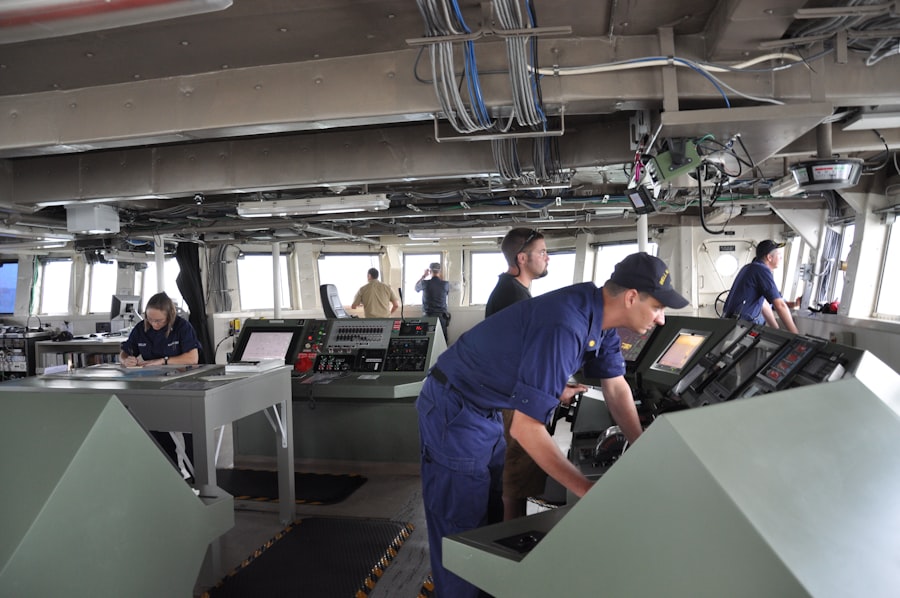
The Cold War ushered in an era of heightened technological sophistication and an enduring ideological standoff, further escalating the importance of naval radio room security. The transition to the digital age brought both new capabilities and new vulnerabilities.
Electronic Warfare and SIGINT Challenges
The development of sophisticated electronic warfare (EW) capabilities, including advanced jamming, direction-finding, and signal intelligence (SIGINT) systems, posed significant threats. Enemy forces could not only intercept but also disrupt and analyze radio communications with unprecedented accuracy. The invisible battlefield of electromagnetic waves became more complex and dangerous.
Embracing Digital Encryption and Secure Communications
The shift from analog to digital communication brought with it the promise of vastly more secure encryption. Digital ciphers, often implemented in hardware, became the standard. Secure voice (STE) systems and secure data links (e.g., SATCOM) were introduced, theoretically offering impenetrable communication channels. The digital fortress began to take shape, layer by layer.
Redundancy and Resilience
Recognizing the potential for systemic failure or targeted attack, naval radio rooms incorporated redundancy in equipment, power sources, and communication pathways. Ships often carried multiple radio systems, some operating on different frequencies and with varying transmission methods, ensuring resilience in the face of adversary actions. This redundancy served as an insurance policy against the chaos of digital warfare.
The Insider Threat: A Persistent Challenge
Despite technological advancements, the insider threat remained a pervasive concern. Disgruntled personnel, spies, or inadvertently compromised individuals could bypass even the most robust technical controls. Strict adherence to security protocols, continuous monitoring, and psychological evaluations became integral to mitigating this risk. The human element, while essential, remained the weakest link in the chain.
Modern Naval Radio Rooms: A Multi-Layered Defense (2000s – Present)
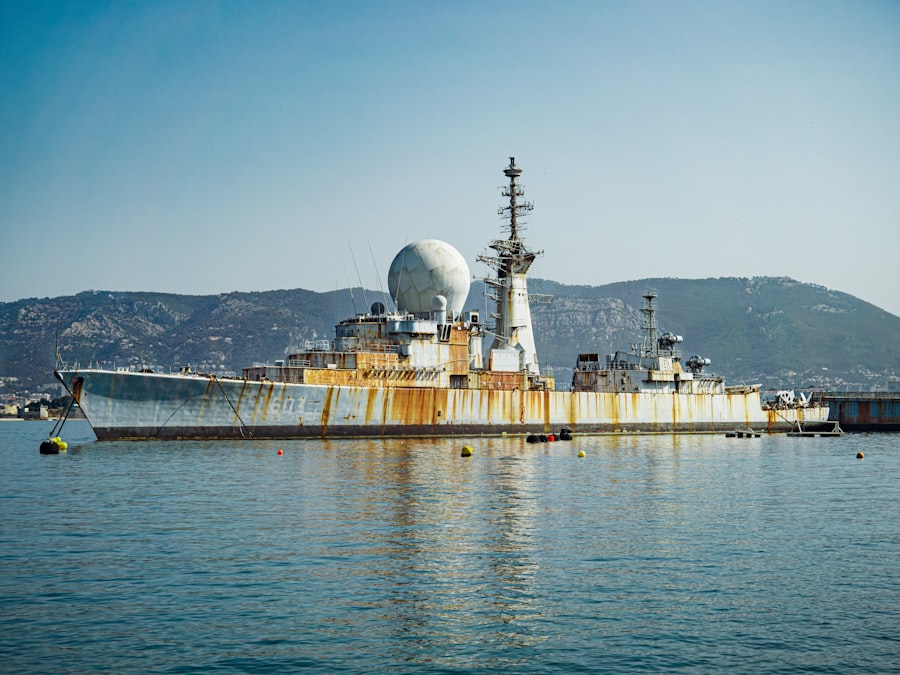
Contemporary naval radio rooms are complex, integrated systems protected by a multi-layered defense strategy that encompasses technological, physical, and human elements. They operate in an environment where cyber threats are as significant as kinetic ones.
Cyber Security at the Core
With the increasing reliance on networked systems, cybersecurity has become paramount. Naval radio rooms are protected by sophisticated firewalls, intrusion detection systems (IDS), intrusion prevention systems (IPS), and robust access controls. Regular penetration testing and vulnerability assessments are conducted to identify and patch weaknesses. The network perimeter becomes as critical as the ship’s hull.
TEMPEST and Emission Security
The threat of compromising emanations, known as TEMPEST, has led to stringent design and shielding requirements for modern radio rooms. Equipment is often placed in Faraday cages or specially designed enclosures to prevent accidental leakage of electromagnetic signals that could be intercepted and analyzed by adversaries. The walls of the radio room become not just physical barriers, but also electromagnetic shields.
Biometric Access Control and Dedicated Spaces
Access to modern naval radio rooms is severely restricted, often utilizing multi-factor authentication, including biometric scanners (e.g., fingerprint or retinal scans) in addition to traditional keycards and specialized codes. These spaces are typically windowless, isolated environments with dedicated environmental controls and power supplies, further enhancing their security profile. The vault metaphor is fully realized—a bastion of classified information.
Education and Training: The Human Firewall
Despite all technological safeguards, human error remains a significant vulnerability. Therefore, ongoing security awareness training for all personnel, from operators to maintenance staff, is crucial. This training covers topics such as phishing awareness, proper handling of classified information, reporting suspicious activity, and adherence to established protocols. The human mind, when properly trained, becomes the ultimate firewall.
The evolution of naval radio room security protocols has been a crucial aspect of maritime operations, ensuring the integrity and confidentiality of communications. A fascinating exploration of this topic can be found in a related article that delves into the historical context and advancements in these protocols. For those interested in understanding the significance of these developments, you can read more about it in this insightful piece on naval communications at In The War Room.
Enduring Principles of Naval Radio Room Security
| Year | Protocol/Policy | Description | Impact on Security |
|---|---|---|---|
| 1917 | Introduction of Radio Silence | Implemented to prevent enemy interception during WWI by limiting radio transmissions. | Reduced risk of enemy triangulation and eavesdropping. |
| 1939 | Enforcement of Cryptographic Procedures | Mandated use of encryption devices like the SIGABA and Enigma for secure communications. | Enhanced confidentiality and integrity of naval messages. |
| 1942 | Restricted Access to Radio Rooms | Implemented physical security measures limiting personnel access to radio equipment. | Prevented unauthorized access and potential sabotage. |
| 1960 | Introduction of Electronic Security Measures | Use of electronic locks and alarms in radio rooms to monitor and control entry. | Improved detection of unauthorized access attempts. |
| 1980 | Standardization of Communication Security (COMSEC) Training | Mandatory training programs for radio operators on secure communication protocols. | Increased operator awareness and reduced human error. |
| 2000 | Implementation of Network Security Protocols | Integration of cybersecurity measures to protect digital radio communications. | Mitigated risks from cyber attacks and data breaches. |
| 2015 | Use of Biometric Access Controls | Adoption of fingerprint and retina scanners for radio room entry. | Enhanced authentication and reduced unauthorized access. |
Throughout its storied history, the safeguarding of naval radio rooms has been guided by several fundamental principles that transcend technological change.
The Principle of Least Privilege
Personnel are granted only the minimum access necessary to perform their duties. This limits the potential for unauthorized actions or the compromise of sensitive information by individuals who do not require it. Like a meticulously designed maze, access is granted only to those who truly need to reach its core.
Defense in Depth
Security is never reliant on a single control but rather on multiple layers of protection, each designed to slow down or deter an adversary. Should one layer be breached, others remain to provide continued defense. This multi-layered approach creates a formidable obstacle, akin to concentric rings of fortification.
Continuous Vigilance and Adaptation
The threat landscape is constantly evolving, requiring continuous monitoring, threat intelligence gathering, and adaptation of security measures. What is secure today may be vulnerable tomorrow, necessitating a proactive and dynamic approach to security. The battle for information security is an ceaseless one, demanding constant innovation and unwavering watchfulness.
The Human Factor
Ultimately, the most sophisticated technology is only as secure as the people who operate and maintain it. Trust, training, and strict adherence to protocol remain irreplaceable elements in preventing breaches and maintaining the integrity of naval communications. The human element, though a potential vulnerability, is also the ultimate guardian of the nation’s secrets.
The naval radio room, from its humble origins to its current state as a technological marvel, serves as a testament to humanity’s ingenuity in both communication and defense. Its security evolution mirrors the historical progression of warfare itself, driven by constant innovation, adaptation, and an unwavering commitment to protecting vital national interests. The lessons learned in safeguarding these critical spaces continue to inform and shape modern cybersecurity practices across all domains.

SHOCKING: How the KGB Read Our Nuclear Codes for 18 Years
FAQs
What is the primary purpose of naval radio room security protocols?
Naval radio room security protocols are designed to protect sensitive communications and prevent unauthorized access to classified information transmitted via naval radio systems.
When did naval radio room security protocols first become formalized?
Formal naval radio room security protocols began to take shape during World War I and were further developed throughout World War II as radio communication became critical to naval operations.
What are some common security measures used in naval radio rooms?
Common security measures include strict access controls, encryption of transmitted messages, regular monitoring for unauthorized transmissions, and adherence to communication discipline to prevent information leaks.
How have naval radio room security protocols evolved with technology?
As technology advanced, protocols evolved from manual encryption and physical security to include digital encryption, electronic surveillance, and cybersecurity measures to protect against modern threats.
Why is maintaining radio room security important for naval operations?
Maintaining radio room security is crucial to ensure operational secrecy, protect strategic information from enemy interception, and maintain the integrity and effectiveness of naval communications during missions.