Naval espionage during the Cold War was a high-stakes game of shadows and signals, played out on the vast stage of the world’s oceans. Both the United States and the Soviet Union poured immense resources into clandestine operations, seeking to decipher each other’s naval capabilities, intentions, and vulnerabilities. This was not a war of direct confrontation, but rather an intricate dance of deception and intelligence gathering, where the slightest misstep could have cascading geopolitical consequences. The silent, unseen competition beneath the waves was as critical to the balance of power as any bomber or tank.
The Soviet Union’s naval expansion during the Cold War was a primary driver for American intelligence efforts. From a coastal defense force in World War II, the Soviets rapidly transformed their navy into a global blue-water force, capable of projecting power and challenging Western dominance at sea. This transformation was viewed with considerable alarm in Washington, and understanding the true extent and nature of this newfound Soviet naval might became a paramount objective.
The Rise of the Red Fleet: A Strategic Shift
The immediate post-war period saw a significant reorientation of Soviet naval doctrine. No longer solely focused on defense of its extensive coastline, the Soviet leadership began to envision a navy that could operate far from its shores, capable of interdicting Western supply lines and supporting global communist expansion. This was a stark departure from previous strategic thinking and caught many Western analysts by surprise. The construction of large, modern warships, including aircraft carriers, submarines, and cruisers, signaled this ambitious intent. It was as if a sleeping giant, previously content with its immediate surroundings, had awakened and begun to cast an ambitious gaze across the horizon.
Submarine Warfare: The Invisible Sword
Perhaps the most significant component of the Soviet naval buildup, and subsequently the focus of intense espionage, was its submarine force. The Soviets invested heavily in both conventional and nuclear-powered submarines, developing a formidable array of vessels designed for various missions, from ballistic missile deterrence to anti-ship warfare. The sheer number of submarines, coupled with advancements in their sonar capabilities and weapon systems, presented a potent and unsettling threat to NATO’s maritime arteries. These underwater predators were the phantom menace, constantly probing and testing the defenses of their adversaries.
Surface Fleet Capabilities: Projecting Power
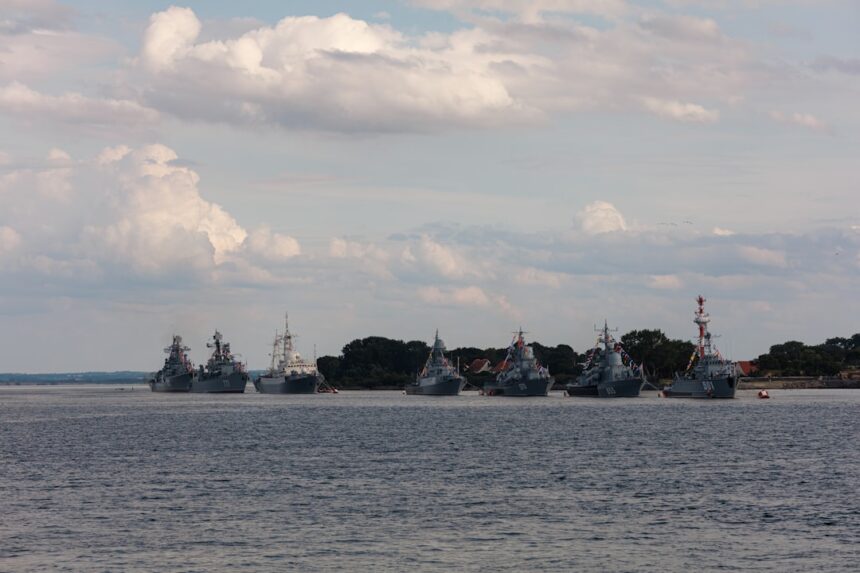
While submarines were a major concern, the Soviet Union also modernized and expanded its surface fleet. The construction of Kirov-class battlecruisers, Sovremenny-class destroyers, and other modern warships offered the Soviets the ability to project power into regions far from their own waters. Intelligence was sought on their combat effectiveness, operational doctrines, and the technological sophistication of their weaponry, including advanced anti-ship missiles. Understanding the capabilities of these powerful surface combatants was crucial for NATO navies to develop effective counter-strategies.
Strategic Nuclear Submarines (SSBNs): The Ultimate Deterrent
The development of Soviet ballistic missile submarines (SSBNs) represented the ultimate naval threat. These silent, nuclear-armed vessels served as a key leg of the Soviet Union’s nuclear triad, capable of launching a devastating retaliatory strike from the relative safety of the ocean. Intelligence gathering on the number of SSBNs, their operational areas, the types of missiles they carried, and their patrol patterns was of the highest importance for strategic planning and arms control efforts. The location of these submerged arsenals was akin to knowing the precise coordinates of the Cold War’s most dangerous doomsday devices.
During the Cold War, naval tactics and espionage played a crucial role in the strategic maneuvers of both the United States and the Soviet Union. The intricate cat-and-mouse games at sea not only involved the deployment of advanced submarines and aircraft carriers but also relied heavily on intelligence gathering and covert operations. For a deeper understanding of these complex interactions and their implications on global politics, you can read more in this insightful article on Cold War naval strategies and espionage at In the War Room.
Unmasking the Enemy: Intelligence Gathering Methods
The pursuit of this critical naval intelligence was a multifaceted endeavor, employing a diverse range of tools and techniques. From the high-tech realm of electronic surveillance to the low-tech methods of human intelligence, every avenue was explored to gain an edge. The success of naval operations often depended on knowing what the adversary was doing, where they were doing it, and what their ultimate intentions were.
Signals Intelligence (SIGINT): Eavesdropping on the Airwaves
Signals intelligence, or SIGINT, played a pivotal role in naval espionage. This involved intercepting and analyzing electromagnetic transmissions from Soviet naval vessels, aircraft, and shore facilities. Radio communications, radar emissions, and even navigational signals provided a wealth of information about ship movements, operational readiness, and communication patterns. Specialized listening posts, aboard submarines, dedicated surveillance aircraft, and even clandestine shore-based facilities, were tasked with this vital work. It was like tuning into a secret broadcast, deciphering coded messages hidden within the electromagnetic spectrum.
Electronic Warfare (EW) Operations: Passive and Active Measures
Electronic warfare operations encompassed both passive listening (intercepting signals) and active measures (jamming or deception). US and Soviet naval forces engaged in constant cat-and-mouse games, attempting to jam enemy radar and communication systems while simultaneously protecting their own from interference. Understanding the enemy’s EW capabilities and vulnerabilities was a crucial aspect of combat readiness. This often involved precisely timed maneuvers to exploit brief windows of opportunity for interception or to disrupt enemy targeting.
Radar Intercepts: Tracking the Beams
Intercepting radar signals provided invaluable information about the presence and type of Soviet warships. By analyzing the frequency, pulse repetition rate, and power of these radar emissions, intelligence analysts could often determine the specific class of ship, its operational status, and its approximate location. This was a constant struggle, as both sides sought to optimize their radar systems for detection while also trying to make them harder to intercept.
Human Intelligence (HUMINT): The Eyes and Ears on the Ground ( and Sea)
While technology offered unparalleled reach, human intelligence remained a critical, albeit more perilous, component of naval espionage. This involved cultivating sources within Soviet naval facilities, shipyards, and even among defecting personnel. Agents could provide intimate details about vessel construction, operational plans, crew morale, and technological advancements that were difficult to obtain through other means. The risks associated with HUMINT were immense, with captured agents facing severe repercussions. Nevertheless, the unique insights gained often proved invaluable.
Defectors and Dissidents: Priceless Insights
Defectors from the Soviet navy, particularly officers and highly skilled technicians, often provided the most detailed and nuanced intelligence. These individuals, motivated by various factors, could offer firsthand accounts of Soviet naval doctrine, technological capabilities, and classified operational procedures. Their testimony could corroborate or challenge findings from technical intelligence, painting a more complete picture of the Soviet naval threat. Each defector was a living encyclopedia, holding secrets that could reshape strategic thinking.
Clandestine Sources in Ports and Shipyards
Establishing clandestine sources in key Soviet naval ports and shipyards offered continuous reporting on the construction, refit, and deployment of vessels. These sources could provide information on the progress of new ship classes, the types of modernization programs underway, and the overall tempo of naval activity. The meticulous observation of ship movements and the clandestine documentation of technological innovations were vital functions of these operatives.
Imagery Intelligence (IMINT): Seeing is Believing
Imagery intelligence, primarily gathered through reconnaissance aircraft and later satellites, provided visual confirmation of Soviet naval activities. High-resolution photographs and videos could reveal the types of ships in port, their formations at sea, and the deployment of naval bases. The development of increasingly sophisticated aerial and space-based reconnaissance platforms allowed for persistent monitoring of key naval areas.
Reconnaissance Aircraft: The Aerial Watchdogs
Dedicated reconnaissance aircraft, such as the U-2 and later the SR-71 Blackbird, were instrumental in gathering imagery intelligence. These aircraft, flying at extreme altitudes, could capture detailed images of Soviet naval bases and operating areas without being easily detected. Their ability to loiter over strategic locations provided a continuous stream of visual data. These were the high-flying eagles of the intelligence world, observing without being seen.
Satellite Surveillance: The Unblinking Eye
The advent of reconnaissance satellites revolutionized imagery intelligence. These orbiting platforms could provide near-real-time imagery of Soviet naval assets, allowing for the tracking of ship movements and the monitoring of naval construction projects on a global scale. The ability of satellites to cover vast areas systematically made them an indispensable tool for understanding the global disposition of naval forces.
The Shadow War at Sea: Submarine Espionage
The constant struggle to locate, track, and identify Soviet submarines was a defining feature of naval espionage during the Cold War. The silent, stealthy nature of submarines made them incredibly difficult to detect, and the ability to do so was paramount for maintaining freedom of navigation and preventing surprise attacks. Both sides invested heavily in anti-submarine warfare (ASW) technologies and intelligence-gathering techniques focused on their underwater adversaries.
Hunting the Silent Hunters: ASW Intelligence
The development of effective anti-submarine warfare capabilities was a critical imperative for NATO. This required not only advanced detection technologies but also a deep understanding of Soviet submarine sonar characteristics, acoustic signatures, and operational patterns. Intelligence efforts were intensely focused on unraveling the mysteries of the Soviet underwater fleet.
Hydroacoustic Surveillance: Listening to the Depths
Hydroacoustic surveillance, through the use of sonar arrays, buoys, and towed sonar systems, was the primary method for detecting submarines. The intelligence gathered from these systems was analyzed to identify distinct acoustic signatures of different submarine classes. Understanding the nuances of these sounds was akin to deciphering a secret language spoken only in the deep.
SOSUS and Other Fixed Arrays: Permanent Listeners
The Sound Surveillance System (SOSUS), a network of underwater hydrophones deployed across the ocean floor, was a remarkably successful initiative. This system provided a continuous listening capability, allowing the US to track Soviet submarines as they traversed major ocean passages. The vastness of the ocean was effectively transformed into a monitored domain by these hidden sentinels.
Mobile ASW Platforms: Trawling the Seas
Naval vessels, including destroyers, frigates, and specialized ASW aircraft and helicopters, were equipped with active and passive sonar systems to detect and track submarines. Intelligence gathered from these mobile platforms was essential for tracking individual submarines and for understanding the broader context of Soviet submarine operations. These were the active hunters, diligently sweeping the depths for elusive prey.
Submarine-to-Submarine Intelligence: The Ultimate Duel
Perhaps the most daring and direct form of naval espionage involved submarines secretly shadowing and observing each other. These clandestine encounters, often conducted at great risk, allowed for direct assessment of enemy submarine capabilities, operational tactics, and even the visual identification of specific vessels. These were the stealthiest of duels, fought in the abyssal plains where visibility was zero and detection meant disaster.
Shadowing Soviet Patrols: The Silent Pursuit
American and Soviet submarines would routinely engage in shadowing operations, following enemy patrols for extended periods. This allowed intelligence officers to gather firsthand data on sonar performance, maneuverability, weapon system testing, and the overall operational tempo of the opposing submarine force. These extended periods of silent pursuit were akin to an extended, high-stakes reconnaissance mission.
Identifying and Analyzing Soviet Submarines: In-Situ Intelligence
Direct observation by submarines allowed for the detailed analysis of Soviet submarine designs, propulsion systems, and sensor configurations. This intelligence was invaluable for developing countermeasures and for understanding the technological parity (or disparity) between the two naval forces. The ability to get a close-up look at the enemy’s underwater hardware provided insights that no other method could easily match.
Deception and Counter-Espionage: The Art of Misdirection
In the intricate game of naval espionage, deception and counter-espionage were as crucial as the intelligence itself. Both sides actively employed measures to mislead the enemy, protect their own secrets, and sow confusion. The strategic advantage often lay not only in what you knew, but also in what your adversary thought you knew.
Fleet Exercises and Maneuvers: A Double-Edged Sword
Naval exercises were frequently used as a cover for intelligence gathering, allowing for the testing of new equipment and doctrines under simulated combat conditions. However, these exercises also presented opportunities for the opposing side to conduct their own intelligence operations, observing fleet deployments, communication patterns, and tactical responses. The grand rehearsals of war were also ripe for clandestine observation.
Operation LANTEX and Similar Drills: Observing the Big Picture
Large-scale exercises like the US Navy’s “LANTEX” (Atlantic Fleet Exercise) provided a valuable snapshot of naval readiness and operational capabilities. Soviet intelligence would diligently monitor these exercises, seeking to glean insights into US naval strategies, fleet composition, and the effectiveness of their combat systems. The staged battles were always attended by unseen observers.
Deceptive Ingress and Egress Routes: Masking Intentions
Navies would employ deceptive tactics during exercises, such as using unconventional ingress and egress routes for their vessels, or feigning certain operational objectives. The goal was to mask their true intentions and prevent the enemy from accurately assessing their strengths and weaknesses. This was about controlling the narrative of naval movements, painting a picture that served their strategic interests.
Operational Security (OPSEC) and Counter-Intelligence
Maintaining strict operational security was paramount to protecting sensitive naval information. This involved a range of measures designed to prevent the compromise of classified data, from rigorous personnel vetting to the careful control of communications. Counter-intelligence efforts were dedicated to identifying and neutralizing enemy agents and preventing the infiltration of espionage networks.
Compartmentalization of Information: Layers of Secrecy
Information regarding sensitive naval projects and operational plans was heavily compartmentalized. This meant that individuals typically only had access to the information they absolutely needed to perform their duties, thus limiting the damage if any single individual was compromised. It was like building a fortress with progressively deeper layers of security, each requiring a different key to access.
Deception by Design: False Trails and Dummy Assets
Sometimes, entire naval assets or operational plans were fabricated or deliberately designed to mislead. This could involve creating decoys, disseminating false intelligence reports, or even constructing mock naval facilities to draw enemy attention away from real capabilities. The creation of phantom fleets and fake operational plans was a sophisticated game of illusion.
During the Cold War, naval tactics and espionage played a crucial role in shaping the strategies of both the United States and the Soviet Union, as each sought to gain an upper hand in the global power struggle. A fascinating exploration of these tactics can be found in a related article that delves into the intricacies of submarine warfare and intelligence gathering during this tense period. For more insights, you can read the article here. The use of advanced technology and covert operations not only influenced naval engagements but also had lasting implications for international relations in the decades that followed.
The Legacy of Cold War Naval Espionage
| Aspect | Metric/Data | Description |
|---|---|---|
| Submarine Patrols | 100+ per year (US & USSR) | Number of strategic submarine patrols conducted annually during peak Cold War years |
| Naval Espionage Missions | 200+ documented cases | Known instances of naval espionage including signal interception and covert operations |
| Electronic Surveillance Ships | 50+ deployed | Number of specialized ships used for electronic intelligence gathering |
| Underwater Listening Devices | Thousands deployed | Number of hydrophones and underwater sensors placed in strategic locations |
| Naval Blockades | 5 major incidents | Significant naval blockades or standoffs during the Cold War period |
| Covert Naval Operations | 30+ confirmed operations | Covert missions involving sabotage, reconnaissance, and intelligence gathering |
| Signal Interception | Millions of messages intercepted | Volume of intercepted naval communications and encrypted messages |
| Naval Intelligence Agencies | 2 primary agencies (US & USSR) | Key organizations responsible for naval intelligence and espionage |
The intense period of naval espionage during the Cold War left an indelible mark on naval doctrine, intelligence collection methods, and the relationship between military power and information. The lessons learned from this era continue to inform naval strategies and intelligence practices today, even as the geopolitical landscape has shifted.
Technological Advancements Driven by Competition
The relentless competition in naval espionage spurred significant advancements in a wide range of technologies, from sonar and radar systems to satellite reconnaissance and cryptography. The drive to outwit and outmaneuver the adversary pushed the boundaries of what was technologically possible. This was a race where innovation was the ultimate weapon.
The Enduring Importance of Maritime Intelligence
Even in a post-Cold War world, the importance of maritime intelligence remains undiminished. The control of sea lanes, the projection of power, and the security of global trade all depend on a comprehensive understanding of naval activities worldwide. The principles of deception, surveillance, and analysis honed during the Cold War continue to be relevant in addressing contemporary maritime security challenges. The silent, strategic importance of the oceans has not diminished, and neither has the need to understand who controls their depths and surface.
FAQs
What were the primary naval tactics used during the Cold War?
During the Cold War, naval tactics focused on submarine warfare, carrier strike groups, and anti-submarine warfare. Both NATO and Warsaw Pact navies emphasized stealth, surveillance, and the ability to launch nuclear or conventional strikes from the sea.
How did espionage influence naval operations in the Cold War?
Espionage played a critical role by providing intelligence on enemy fleet movements, technological developments, and strategic plans. Spy satellites, underwater listening devices, and human intelligence helped navies anticipate and counter adversary actions.
What role did submarines play in Cold War naval strategy?
Submarines were central to Cold War naval strategy, especially nuclear-powered ballistic missile submarines (SSBNs) that provided a secure second-strike capability. Attack submarines (SSNs) were used for tracking enemy subs, gathering intelligence, and protecting carrier groups.
How did technology impact Cold War naval tactics and espionage?
Advancements in sonar, radar, cryptography, and satellite reconnaissance significantly enhanced naval tactics and espionage. These technologies improved detection, communication security, and the ability to conduct covert operations at sea.
Were there any notable naval espionage incidents during the Cold War?
Yes, several incidents stand out, such as the capture of the Soviet submarine K-129 by the U.S. (Project Azorian), and the use of underwater listening posts like the U.S. SOSUS network. These operations provided valuable intelligence and demonstrated the high stakes of naval espionage.