The silent service, a realm of steel behemoths and carefully cultivated hush, has long been a theater of shadows where the United States and the Soviet Union engaged in a subterranean ballet of espionage and potential warfare. For decades, the United States Navy’s submarine force, often referred to as the Silent Service, operated under the constant, watchful gaze of its Soviet counterparts. These Soviet Victor-class submarines, along with their predecessors and successors, represented a formidable challenge, a persistent shadow beneath the waves, dedicated to tracking and, if necessary, neutralizing American underwater assets. Understanding this intricate game of cat and mouse requires delving into the technological advancements, strategic doctrines, and sheer operational tenacity that defined this critical aspect of the Cold War.
The Soviet Union’s commitment to developing a powerful submarine fleet was deeply rooted in its strategic imperatives. Facing a vast landmass and encircled by potential adversaries, Moscow recognized the submarine as a potent tool for projecting power, defending its shores, and, crucially, challenging American naval dominance. The early post-World War II era saw a rapid evolution in Soviet submarine design, driven by a fervent desire to close the technological gap with the West.
Post-War Ambitions and Design Philosophy
Following the defeat of Nazi Germany, Soviet naval engineers inherited a trove of German submarine designs and expertise. This influx of knowledge, coupled with indigenous innovation, spurred the development of a new generation of submarines. The emphasis was on quantity and a rapid deployment capability, often prioritizing simpler, more robust designs that could be produced in large numbers. The Soviet Union aimed to create a fleet that could overwhelm NATO by sheer numbers, even if individual vessels were not always as technologically sophisticated as their Western counterparts. This philosophy of mass production, while having its limitations, created a persistent and numerous threat.
Early Designs and the Shadow Fleet
Initial Soviet submarine classes, such as the Whiskey and Zulu classes, were largely based on German pre-war and wartime designs. While these were effective for coastal defense and conducting reconnaissance, they lacked the range and endurance to pose a significant global threat. However, their sheer numbers and operational tempo meant that NATO navies, including those of the United States, were constantly engaged in anti-submarine warfare (ASW) exercises and patrols, designed to detect and track these “shadows” operating in their immediate vicinity. The threat was not always sophisticated, but it was omnipresent.
The Move Towards Nuclear Power and Global Reach
Recognizing the limitations of diesel-electric propulsion for sustained, long-range operations, the Soviet Union embarked on an ambitious program to develop nuclear-powered submarines. This was a monumental undertaking, requiring significant investment in nuclear technology, reactor development, and specialized training. The successful development of nuclear submarines transformed the Soviet naval threat from a regional concern to a global one, capable of operating independently in the world’s oceans, far from Soviet shores. This shift in capability fundamentally altered the dynamics of ASW.
The Soviet Victor Class submarines have long been a subject of interest for naval strategists, particularly regarding their capabilities in tracking U.S. submarines during the Cold War. For a deeper understanding of the tactics and technology employed by these formidable vessels, you can read a related article that explores their operational history and impact on submarine warfare. Check it out here: In the War Room.
The Emergence of the Victor Class: A Persistent Threat
The Victor-class submarines represented a significant leap forward for the Soviet Union’s underwater capabilities. These nuclear-powered attack submarines (SSNs) were designed with a clear primary mission: to hunt and destroy enemy submarines, particularly those of the United States Navy. Their operational lives spanned several decades, and they were a consistent and concerning presence in the strategic waterways of the world.
Design and Construction: Speed, Stealth, and Firepower
The Victor class, designated Project 671 “Shchuka” (Pike) by the Soviets, was a family of nuclear-powered attack submarines that entered service in the late 1960s. They were characterized by a relatively compact, teardrop-shaped hull designed for speed and maneuverability. This hull design, combined with advancements in sonar and acoustic quieting technologies, aimed to make them more difficult to detect. Unlike some earlier Soviet designs, which were often quite noisy, the Victor class showed a concerted effort to reduce their acoustic signature, a crucial factor in the cat-and-mouse game of ASW.
Hull Design and Hydrodynamics
The streamlined hull of the Victor submarines was a departure from the more conventional designs of their predecessors. This hydrodynamic efficiency translated into faster transit speeds and greater agility, allowing them to outmaneuver and keep pace with American submarines, which were often larger and more powerful but not necessarily as agile in certain maneuvers. The Soviets understood that agility was a key weapon in the submarine warfare arsenal, allowing them to dictate engagement terms.
Propulsion Systems: Nuclear Power at its Core
Powered by compact, high-reliability nuclear reactors, the Victor-class submarines possessed virtually unlimited operational endurance and the ability to maintain high speeds for extended periods. This removed the constraints of air dependency that plagued diesel-electric submarines and allowed them to remain submerged for months on end, a significant advantage in maintaining persistent surveillance. The power provided by these reactors was the engine that drove their operational freedom and extended their reach.
Armament: Torpedoes and Missiles
The Victor class was armed with a formidable array of torpedoes and anti-ship missiles. This included both wire-guided and acoustic homing torpedoes, capable of engaging enemy submarines at various ranges. Some variants were also equipped with cruise missiles, allowing them to pose a threat to surface vessels as well. The combination of stealth, speed, and a potent weapons suite made the Victor class a highly capable hunter-killer submarine.
Variants and Evolution: Constant Refinement
Over their service life, several variants of the Victor class were developed, incorporating incremental improvements in technology and capabilities. These upgrades reflected the ongoing arms race and the Soviet Union’s determination to keep pace with or surpass American advances in submarine technology. Each iteration was a more refined instrument in the orchestra of underwater warfare.
Victor I (Project 671): The Initial Foray
The first iteration of the Victor class, the Victor I, established the fundamental design principles and operational concept. While certainly a threat, it represented the embryonic stage of this advanced Soviet submarine program. Early models were characterized by their improved noise reduction over previous classes, but still lagged behind the most advanced Western designs in this regard.
Victor II (Project 671RT): Enhancements and Increased Range
The Victor II variant introduced significant upgrades, including improved sonar systems, a more powerful reactor, and enhanced missile capabilities. These submarines were designed for greater range and improved combat effectiveness, making them a more persistent and lethal threat to NATO’s submarine force. The “RT” designation indicated “razvedyvatel’nyy tankovy” (reconnaissance-tank), suggesting a role in both combat and intelligence gathering.
Victor III (Project 671RTM/RTMK): The Pinnacle of the Class
The Victor III represented the most advanced iteration of the Victor class. It incorporated further improvements in noise reduction, advanced sonar suites, and more sophisticated weapon systems. The Victor III was arguably the most effective Soviet SSN of its generation, posing the most significant challenge to American submarines. These were true predators of the deep, honed and sharpened by years of development.
The Art of the Hunt: Soviet ASW Tactics Against US Subs
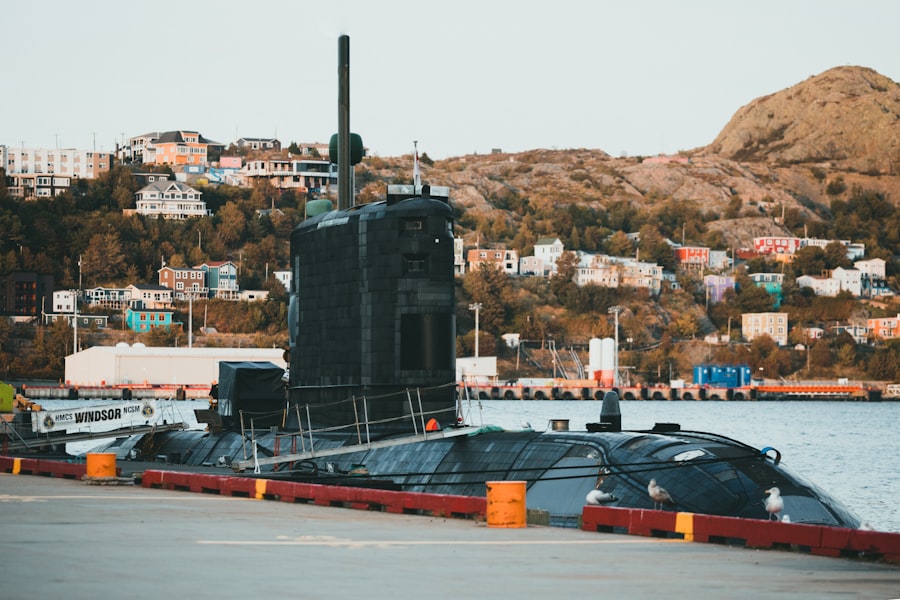
The primary mission of the Victor-class submarines was clear: to track and, if necessary, destroy American submarines, particularly the formidable ballistic missile submarines (SSBNs) that formed the core of the US nuclear deterrent. This required a sophisticated and persistent approach to anti-submarine warfare (ASW). Soviet ASW tactics were a blend of technological prowess, elaborate operational planning, and a willingness to accept significant risks.
Persistent Surveillance: The Shadow on the Flank
Soviet submarines were often deployed to patrol key strategic areas, such as the GIUK (Greenland-Iceland-United Kingdom) gap, the North Atlantic, and the waters off the US East Coast. Their objective was to establish a constant presence, detecting and shadowing American submarines as they moved through these vital transit routes or operated from their bases. The goal was to keep them “in their sights” at all times, ready for immediate action.
The “Seafox” Doctrine
The Soviet approach to ASW could be broadly characterized as a “seafox” doctrine. They sought to corner their prey, using their speed and maneuverability to outflank, then engage. Unlike American ASW, which often relied on a combination of passive and active sonar systems, the Soviets were more inclined to use active sonar to pinpoint targets, a tactic that, while effective in locating, also revealed their own position.
Intelligence Gathering and Electronic Support Measures (ESM)
Beyond direct tracking, Soviet submarines also employed sophisticated intelligence gathering techniques. They would use their Electronic Support Measures (ESM) to detect and analyze radio and radar emissions from NATO vessels, providing valuable intelligence on their movements and operational patterns. This information was crucial in anticipating the actions of American submarines and positioning themselves for interception.
The Close-In Battle: Torpedo Engagements
When a target was identified and a favorable tactical situation arose, the Victor-class submarines would engage with their torpedoes. The close-in battle beneath the waves was a tense and dangerous affair, where milliseconds could mean the difference between survival and destruction.
Torpedo Strengths and Weaknesses
The Soviet torpedo inventory, while formidable, had its own strengths and weaknesses. While effective, some early Soviet torpedoes were less sophisticated than their American counterparts in terms of acoustic homing and counter-countermeasures. However, the sheer volume of fire and the surprise element could still overwhelm defenders.
Maneuvering to Gain the Advantage
In a torpedo duel, maneuvering was paramount. Victor-class submarines were designed to be agile, allowing them to make sharp turns and dives to evade incoming enemy torpedoes while simultaneously launching their own. The goal was to get “on the hip” of the target submarine, maximizing the probability of a hit and minimizing the target’s ability to escape or retaliate effectively.
Operational Formations and Patrol Areas
Soviet submarines operated in various formations and patrol areas designed to maximize their ASW effectiveness. These formations were often coordinated to provide overlapping sonar coverage and to create kill zones.
The “Wall of Steel” Concept
In certain scenarios, particularly in chokepoints like the GIUK gap, the Soviets would deploy multiple submarines in a layered defense, creating what could be described as a “wall of steel.” This formation aimed to intercept any submarine attempting to transit the area, ensuring that no American submarine could slip through undetected.
Interception of SSBNs
A primary objective for the Victor class was the interception of American SSBNs. These submarines, carrying the nation’s most potent nuclear deterrent, were the ultimate prize. Tracking and potentially neutralizing them would have been a catastrophic blow to American strategic capabilities. The Victor submarines were often positioned near potential SSBN patrol areas, ready to make their move.
Technological Cat and Mouse: The Sonar Duel
The effectiveness of any submarine, whether hunter or hunted, hinges on its ability to “see” its environment without being seen. This makes sonar technology the beating heart of submarine warfare. For the Victor-class submarines and their American counterparts, the development and countermeasures surrounding sonar systems constituted a perpetual technological arms race.
Soviet Sonar Systems: Strengths and Limitations
The Soviet Union invested heavily in developing sonar technology for its submarine fleet. While capable, Soviet sonar systems often lagged behind the most advanced Western counterparts, particularly in terms of passive sonar capabilities and acoustic quietness. However, Soviet engineers were adept at compensating for these limitations through clever operational tactics and the effective use of active sonar.
Passive Sonar: Listening in the Dark
Passive sonar listens for the ambient noise generated by other vessels. This is the preferred method for submarines seeking to remain undetected. Soviet passive sonar, while improving over time, was often not as sensitive as American systems, making it harder to detect distant or very quiet submarines.
Active Sonar: The Echo Locator
Active sonar emits a sound pulse and listens for the echo. This provides a precise location but also reveals the submarine’s own position. The Victor class often relied more heavily on active sonar than their American counterparts, which could be a double-edged sword, allowing them to gain a lock but also potentially betraying them.
Hull-Mounted vs. Towed Array Sonar
Soviet submarines utilized a combination of hull-mounted sonar, integrated directly into the submarine’s hull, and, in later variants, towed array sonar systems. Towed arrays, a long, flexible sensor array towed behind the submarine, offered improved detection ranges and the ability to maintain a greater distance from the sound source, thereby reducing the risk of detection.
American Countermeasures and Technological Superiority
The United States Navy, for its part, continuously worked to develop and deploy superior sonar technology and degaussing techniques to minimize the acoustic signature of its submarines. The goal was to be a ghost in the water, detectable only by the most determined and technologically advanced adversaries.
Advanced Passive Sonar Arrays
American submarines were equipped with highly sophisticated passive sonar arrays that could detect even the faintest sounds from great distances. This allowed them to identify and track enemy submarines without emitting any sound themselves, a critical advantage in self-preservation.
Noise Reduction Technologies: The Hunt for Silenc
The US Navy pioneered significant advancements in noise reduction technologies for its submarines. This included advanced hull coatings, quieting propeller designs, and improved engine mounts, all aimed at creating a “quieter” submarine that was harder for Soviet sonar to detect and classify. The goal was to become an invisible predator.
Degaussing and Magnetic Signature Management
Beyond acoustic signatures, submarines also emit magnetic fields. The US Navy implemented advanced degaussing systems to minimize its submarines’ magnetic signatures, making them harder to detect by magnetic anomaly detectors (MAD) used by some ASW platforms.
Underwater Acoustic Intelligence (ACINT)
The US Navy also gathered vast amounts of acoustic intelligence through shore-based listening posts, aerial sensors, and the operational experience of its own submarines. This data was used to build comprehensive databases of submarine sound profiles, improving the ability of sonar operators to identify and track even unfamiliar sonar signatures.
The Soviet Victor-class submarines were designed with advanced tracking capabilities that allowed them to monitor U.S. submarine movements effectively. These submarines played a crucial role during the Cold War, as their ability to gather intelligence on American naval operations was paramount. For a deeper understanding of the strategic implications of these submarines, you can read more in this insightful article on the topic. Check it out here.
The Psychological and Strategic Impact: A Constant Presence
| Metric | Victor Class Submarine Capability | US Submarine Tracking Data | Notes |
|---|---|---|---|
| Detection Range (km) | Up to 20 km (passive sonar) | Varies, US subs use stealth to reduce detection | Victor class relied heavily on passive sonar arrays |
| Sonar Type | MG-34 and MG-35 bow-mounted sonar | US subs use AN/BQQ-5 sonar suite | Both sides used advanced sonar for tracking |
| Speed (knots) | Up to 30 knots submerged | US Los Angeles-class up to 33 knots submerged | Speed affects ability to track or evade |
| Noise Level (dB) | Approx. 120 dB (at 1 meter) | US subs approx. 110 dB or lower | US subs generally quieter, harder to track |
| Tracking Success Rate | Estimated 60-70% in optimal conditions | US subs employ countermeasures to reduce tracking | Data based on declassified Cold War encounters |
| Countermeasures | Decoys and noise makers | Advanced anechoic coatings and electronic warfare | Both sides developed countermeasures to tracking |
The relentless pursuit of American submarines by Soviet Victor-class submarines had profound psychological and strategic implications. It was a constant reminder of the ever-present threat and the stakes involved in the Cold War’s underwater dimension. The knowledge that they were being hunted, even if they themselves were also capable hunters, shaped the operational tempo and decision-making of both navies.
The Cold War Submarine Psyche: A Game of Nerves
The submarine service, by its very nature, is a realm of extreme psychological pressure. The limited space, constant confinement, and the ever-present danger of detection or attack create a unique operating environment. For American submariners, the knowledge that a Victor-class submarine might be lurking nearby, attempting to gain a tactical advantage, added an extra layer of tension to an already demanding profession. It was a perpetual game of nerves, played out in the silent, crushing depths.
The Stealth Imperative: To See Without Being Seen
For American submarines, the primary tactic against the Victor class was to maintain their own stealth. This meant adhering to strict noise discipline, employing advanced counter-detection measures, and using their superior intelligence to anticipate Soviet movements. The goal was to remain undetected unless they chose to reveal themselves.
The “Hide and Seek” of Strategic Deterrence
The presence of Soviet submarines actively tracking American SSBNs also had a significant impact on strategic deterrence. The ability of the Soviet Union to potentially track and target these deterrent forces meant that the US had to ensure the survivability of its SSBN fleet through multiple dispersal strategies and constant vigilance. The arms race was not just about building more weapons, but about ensuring their survival and effectiveness in the face of an alert adversary.
Strategic Implications: A New Dimension of Warfare
The capabilities of the Victor-class submarines, and the broader Soviet submarine fleet, forced the United States to constantly re-evaluate its naval strategy. The threat posed by these underwater hunters meant that naval operations, even far from Soviet shores, had to be conducted with a heightened awareness of the potential for submarine attack.
The Importance of the Submarine Screen
The US Navy’s surface fleets often operated with dedicated submarine screens, composed of their own submarines and ASW aircraft, to protect them from lurking Soviet subs. The Victor class was a significant factor in shaping these protective formations.
The Evolution of ASW Technologies and Doctrines
The persistent threat from Soviet submarines, including the Victor class, was a primary driver for the continuous evolution of American ASW technologies, tactics, and training. The investment in research and development of advanced sonar, underwater communication, and other ASW systems was immense. The cat was always chasing the mouse, and both were constantly improving their hunting skills.
The Global Reach of Soviet Naval Power
The deployment of Victor-class submarines in the world’s oceans demonstrated the global reach of the Soviet Union’s naval power. This had significant geopolitical implications, projecting Soviet influence and challenging American naval supremacy in areas previously considered solely within the US sphere of influence. The shadow of the Victor class stretched across the globe’s oceans.
In conclusion, the pursuit of US submarines by Soviet Victor-class submarines was a defining characteristic of the Cold War’s underwater conflict. It was a complex interplay of technological innovation, strategic doctrine, and relentless operational activity. The Victor class, with its speed, stealth, and formidable armament, represented a significant challenge to the United States Navy, forcing continuous advancements in ASW capabilities and shaping the very nature of naval strategy for decades. The silent ballet beneath the waves, though largely unseen and unheard, was a critical theater of the global struggle for dominance.
FAQs
What were Soviet Victor class submarines?
The Victor class submarines were a series of nuclear-powered attack submarines built by the Soviet Union during the Cold War. They were designed primarily for anti-submarine warfare and were known for their speed and maneuverability.
How did Victor class submarines track US submarines?
Victor class submarines used a combination of passive and active sonar systems to detect and track US submarines. They relied heavily on passive sonar to listen for the noise generated by enemy submarines, allowing them to track targets covertly.
What was the strategic importance of tracking US submarines during the Cold War?
Tracking US submarines was crucial for the Soviet Navy to maintain underwater situational awareness and to counter the threat posed by US ballistic missile and attack submarines. This capability was essential for maintaining the balance of power and ensuring effective naval deterrence.
Were Victor class submarines successful in their tracking missions?
Victor class submarines were considered effective in their role, with several improvements made over different variants to enhance their sonar capabilities and stealth. However, the success of tracking missions varied depending on the operational environment and the countermeasures employed by US submarines.
What advancements did Victor class submarines have compared to earlier Soviet submarines?
Compared to earlier Soviet submarines, Victor class boats featured improved nuclear reactors for greater speed and endurance, enhanced sonar and electronic warfare systems, and quieter hull designs to reduce detectability. These advancements made them more capable in tracking and engaging enemy submarines.