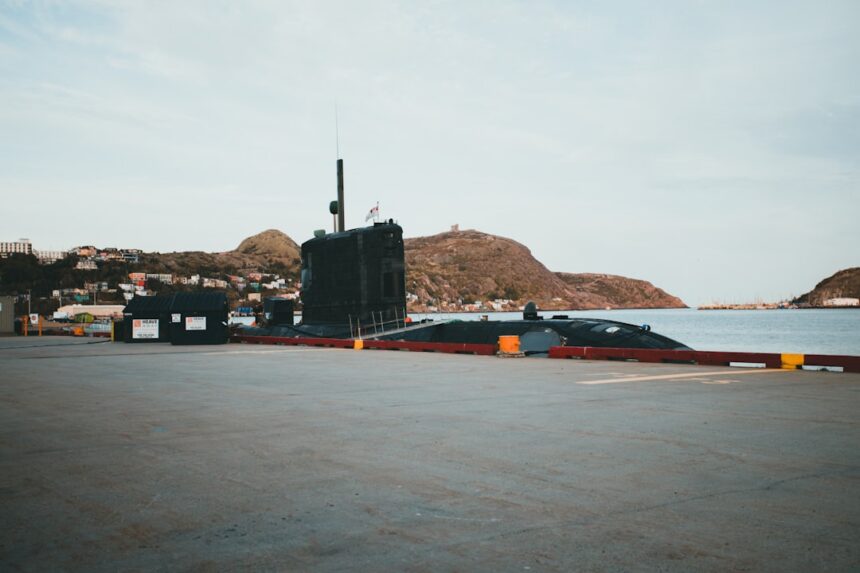
The silent hunter of the deep, the submarine, relies fundamentally on its ability to operate undetected. This ‘acoustic signature,’ or rather, its lack thereof, is paramount to its effectiveness in modern naval warfare. Over the past several decades, naval forces worldwide have embarked on a continuous, often clandestine, endeavor to refine and reduce the noise emanating from their underwater vessels. This article explores the remarkable efforts undertaken by the Navy in addressing this critical aspect of submarine warfare, a persistent challenge that demands ingenuity, rigorous testing, and a deep understanding of hydrodynamics and acoustic physics.
The strategic value of submarine stealth cannot be overstated. From reconnaissance and intelligence gathering to anti-submarine warfare and the projection of power, the ability of a submarine to remain unseen and unheard is its greatest asset. The evolution of sonar technology, both active and passive, has driven a constant arms race beneath the waves, where the slightest mechanical vibration or fluid dynamic disturbance can betray a vessel’s presence.
The Acoustic Arms Race
Historically, crude hydrophones could detect the clanking of engines and the churning of propellers from miles away. As detection capabilities improved, so too did the efforts to mitigate these sounds. This ongoing acoustic arms race signifies a perpetual struggle to gain the upper hand in the silent domain.
Operational Security and Survivability
For any submarine crew, the peace of mind that comes with knowing their vessel is acoustically stealthy is invaluable. This not only enhances their ability to conduct missions effectively but also dramatically increases their survivability in hostile waters. The ability to evade detection directly translates to avoiding engagement, a fundamental aspect of submarine doctrine.
The U.S. Navy has made significant advancements in enhancing submarine stealth capabilities, focusing on innovative technologies that minimize noise and improve operational effectiveness. A related article that delves deeper into these developments can be found on In The War Room, which discusses the strategies and engineering breakthroughs that have contributed to the Navy’s efforts in rebuilding submarine silence. For more insights, you can read the article here: In The War Room.
Engineering a Quieter Future: Design Innovations
The journey towards quieter submarines begins long before a single bolt is turned. It is embedded in the very philosophy of design, encompassing every component and system aboard the vessel.
Hull Form Optimization
The shape and structure of a submarine’s hull play a crucial role in its acoustic signature. Hydrodynamic noise, generated by the flow of water around the hull, can be a significant contributor to overall radiated noise.
An Anechoic Skin
Modern submarines often feature anechoic coatings, which are specialized tile-like materials applied to the outer hull. These coatings are designed to absorb incoming sonar pings and reduce the reflection of sound, effectively making the submarine “acoustically invisible” to active sonar. Think of it as a camouflage pattern for sound waves.
Fairings and Flow Control
Designers meticulously craft fairings and other flow control devices to minimize turbulence and cavitation around various protrusions on the hull, such as periscopes, antennae, and weapon hatches. Even minor irregularities can create vortices that generate noise detectable by sensitive passive sonar systems.
Propulsion System Revolution
The primary source of noise in early submarines was often their propulsion system. The transition from noisy steam turbines and diesel engines to advanced electric propulsion has been a cornerstone of silencing efforts.
Electric Drive Systems
Integrated electric propulsion (IEP) systems, where engines generate electricity to power electric motors that drive the propeller, offer significant acoustic advantages. These systems allow for the physical separation of the noisy prime movers from the propeller shaft, facilitating more effective acoustic isolation.
Pump-Jet Propulsors
Traditional propellers can generate significant cavitation noise, particularly at higher speeds. Pump-jet propulsors, which are shrouded propellers, mitigate this issue by controlling the flow of water more effectively, reducing turbulence and the formation of noise-generating vacuum bubbles. This innovation is akin to refining a musical instrument to produce a purer, less jarring tone.
Internal Machinery Isolation
Even with advanced hull forms and propulsion, the internal machinery of a submarine presents a complex acoustic challenge. Every pump, valve, and motor vibrates, and these vibrations can propagate through the hull and into the water.
Rafted Foundations
One of the most significant advancements in internal noise reduction is the use of rafted foundations. Instead of mounting machinery directly to the hull, sensitive or noisy components are placed on isolated rafts, which in turn are mounted to the hull via specialized resilient mounts. This creates a multi-layered barrier, much like a soundproof room within a soundproof room.
Active Noise Cancellation (ANC)
While still in its nascent stages for military applications, actively cancelling specific frequencies of noise is a promising area of research. ANC systems detect unwanted sound waves and generate opposing sound waves to neutralize them, creating pockets of localized silence. Imagine a surgeon using a precise instrument to eliminate unwanted whispers within a critical operational theater.
The Art of Operation: Crew Training and Operational Procedures
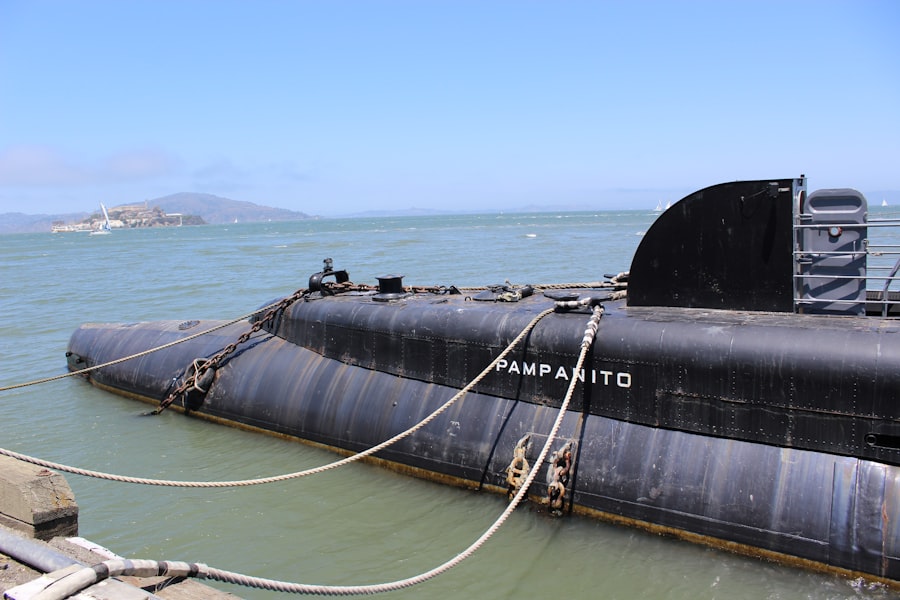
Even the most technologically advanced silent submarine can be compromised by poor crew training or improper operational procedures. The human element remains a critical factor in maintaining acoustic stealth.
Acoustic Awareness and Discipline
Every sailor aboard a submarine must be acutely aware of their acoustic responsibilities. Dropping tools, speaking loudly, or improper equipment operation can all contribute to detectable noise.
The “Silent Service” Ethos
The submarine community cultivates a unique “silent service” ethos, where acoustic discipline is ingrained from the earliest stages of training. This extends to every aspect of life onboard, from how doors are opened and closed to the careful handling of equipment. It is a culture of vigilance, a constant reminder of the unseen enemy listening in the vast ocean.
Procedural Acoustic Signatures
Certain operational procedures, such as flooding ballast tanks or operating specific pumps, inevitably generate noise. Crews are rigorously trained to minimize these signatures through careful timing and controlled execution. Understanding the acoustic impact of each action is paramount.
Sonar System Proficiency
The effectiveness of a submarine’s own sensors in detecting other vessels and avoiding potential threats is directly linked to the mastery of its sonar systems.
Passive Sonar Interpretation
Operating passive sonar systems effectively requires highly skilled operators who can differentiate between diverse acoustic signatures, from marine life to distant enemy vessels. The ability to identify, classify, and track targets based solely on faint acoustic cues is a highly specialized skill.
Environmental Acoustics
The ocean itself is a dynamic acoustic environment, with varying temperatures, salinities, and depths affecting sound propagation. Submarine crews must understand these environmental factors to optimize their sonar performance and exploit the ocean’s acoustic “shadows” to their advantage. This understanding is akin to a hunter knowing the terrain and wind patterns to stalk prey effectively.
Maintenance and Upgrades: Sustaining Silence
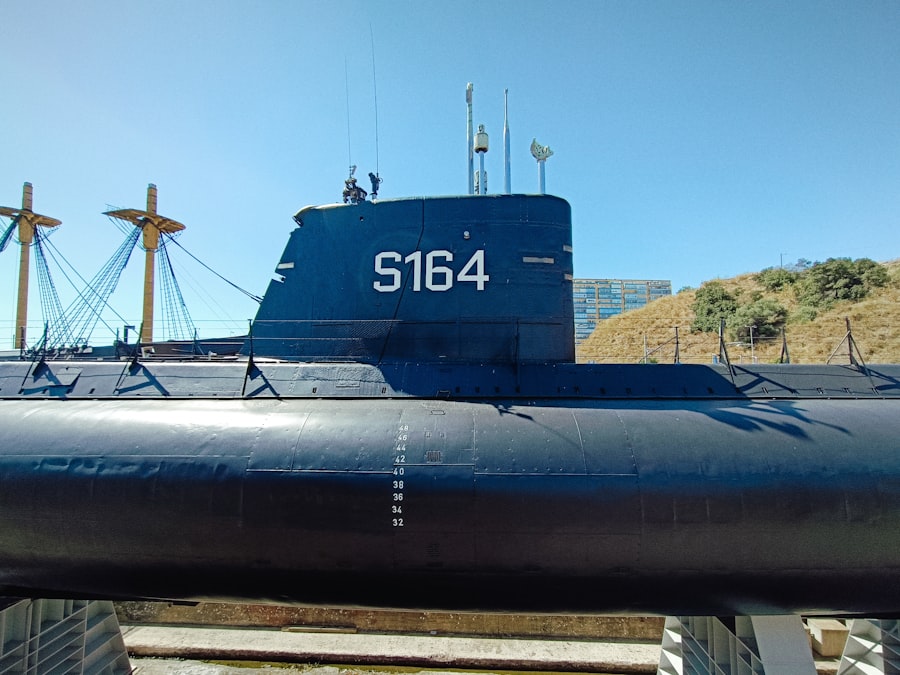
The pursuit of submarine silence is not a one-time endeavor but a continuous cycle of maintenance, upgrades, and modernization. The acoustic profile of a submarine degrades over time, making diligent upkeep essential.
Predictive Maintenance and Condition Monitoring
Employing advanced sensors and data analytics to monitor the condition of machinery allows for predictive maintenance, addressing potential noise-generating issues before they become significant. This proactive approach prevents unexpected acoustic signatures from revealing a submarine’s presence.
Acoustic Signatures Baseline
Each submarine has a unique acoustic baseline, a “fingerprint” of its operational noise. Regular acoustic trials measure deviations from this baseline, indicating potential problems that require attention. This is akin to a medical doctor routinely checking a patient’s vital signs for any abnormalities.
Material Fatigue and Noise
Over time, components can wear down, fastenings can loosen, and materials can fatigue, all of which contribute to increased noise levels. Regular inspections and replacement programs are crucial to mitigating these effects.
Modernization Programs
As new technologies emerge, older submarines undergo modernization programs to incorporate the latest silencing advancements. This ensures that even aging vessels can maintain a competitive acoustic edge.
Software-Defined Sonar
The shift towards software-defined sonar systems allows for rapid upgrades and adaptation to new threats and acoustic environments without requiring extensive hardware modifications. This flexibility is vital in a rapidly evolving acoustic battlespace.
Stealth Material Enhancements
Advances in anechoic coatings and other stealth materials continually improve the ability of submarines to evade detection. Research into meta-materials with unprecedented sound-absorbing properties holds significant promise for future generations of silent hunters.
The advancements in submarine technology have significantly enhanced the stealth capabilities of naval forces, as detailed in a related article on the topic. The Navy’s efforts to rebuild submarine silence have focused on innovative materials and design strategies that minimize noise, ensuring that these vessels can operate undetected. For more insights on this subject, you can read the full article here. This ongoing evolution in submarine engineering not only improves operational effectiveness but also plays a crucial role in maintaining maritime security.
The Future of Submarine Silence: Emerging Technologies
| Metric | Before Rebuild | After Rebuild | Improvement | Notes |
|---|---|---|---|---|
| Acoustic Signature (dB) | 120 dB | 90 dB | 30 dB Reduction | Significant noise reduction achieved through hull modifications and machinery isolation |
| Propeller Cavitation Noise | High | Low | Major Reduction | New propeller design minimized cavitation noise |
| Machinery Vibration Levels (mm/s) | 15 mm/s | 5 mm/s | 66% Reduction | Advanced vibration dampening systems installed |
| Sonar Detection Range by Enemies (km) | 15 km | 7 km | 53% Reduction | Lower noise signature reduced detection range |
| Operational Endurance (hours) | 72 hours | 96 hours | 33% Increase | Improved battery and power management systems |
The quest for ultimate stealth is unending. Research and development continue to push the boundaries of what is acoustically possible, exploring new frontiers in material science, propulsion, and detection avoidance.
Quantum Sensors and Beyond
The development of quantum sensors promises unprecedented sensitivity in detecting subtle changes in magnetic fields and gravitational anomalies, potentially offering new ways to detect even the most silent submarines. This poses a new challenge for designers, compelling them to consider not just acoustic but also other physical signatures.
Bio-Inspired Solutions
Nature itself offers a wealth of inspiration for silencing technologies. Research into the acoustic properties of natural organisms, such as the silent flight of owls or the anechoic structures of certain deep-sea creatures, could lead to revolutionary advancements. Imitating nature’s genius could be the key to unlocking the next generation of stealth.
Artificial Intelligence and Machine Learning
AI and machine learning are increasingly being employed to analyze vast amounts of acoustic data, identifying subtle patterns and anomalies that human operators might miss. This technology can enhance threat detection and classification, providing a powerful tool in the acoustic battlespace. It also holds potential for optimizing operational parameters to maintain the lowest possible acoustic signature.
The Hyperscale Computing Revolution
The processing power required for advanced sonar systems, AI-driven analysis, and complex acoustic modeling demands state-of-the-art computing capabilities. The relentless march of hyperscale computing is enabling new levels of acoustic understanding and counter-detection strategies.
The journey to rebuild submarine silence is a testament to human ingenuity and perseverance. It is a continuous, multifaceted endeavor, a complex interplay of cutting-edge engineering, meticulous operational discipline, and an unwavering commitment to maintaining a decisive advantage beneath the waves. The future of naval power will undoubtedly continue to be shaped by those who master the art of the silent hunt.
FAQs
What was the main challenge the Navy faced in rebuilding submarine silence?
The main challenge was reducing the noise generated by submarines to enhance stealth capabilities, which involved addressing mechanical vibrations, propeller noise, and machinery sound emissions.
What technologies were implemented to improve submarine silence?
The Navy incorporated advanced sound-dampening materials, improved hull designs, quieter propulsion systems, and vibration isolation techniques to minimize noise.
Why is submarine silence important for naval operations?
Submarine silence is crucial for stealth, allowing submarines to avoid detection by enemy sonar and enhancing their effectiveness in reconnaissance, surveillance, and combat missions.
How did the Navy test the effectiveness of the rebuilt submarine silence?
The Navy conducted extensive sea trials using sonar detection equipment and acoustic sensors to measure noise levels and verify the improvements in stealth capabilities.
What impact did rebuilding submarine silence have on naval strategy?
Improved submarine silence enhanced the Navy’s underwater warfare capabilities, allowing for more covert operations and increasing the strategic advantage in maritime security and deterrence.