
Exploring Cold War Military History Through Documentaries
The Cold War, a period of geopolitical tension between the United States and the Soviet Union and their respective allies, spanned nearly half a century, leaving an indelible mark on global politics, technology, and society. Understanding this complex era requires delving into its myriad facets, from proxy conflicts and the nuclear arms race to the ideological struggle that permeated every level of interaction. Documentaries, with their ability to combine archival footage, expert analysis, and personal testimonies, offer a powerful window into this pivotal period. By engaging with these cinematic narratives, viewers can transcend the dry recitation of dates and events and instead immerse themselves in the human drama, strategic calculations, and profound consequences of Cold War military history. This article will guide you through the landscape of Cold War military history documentaries, highlighting key areas of focus and suggesting avenues for deeper exploration.
The seeds of the Cold War were sown in the ashes of World War II. The thawing of the wartime alliance between the Western powers and the Soviet Union was a swift and brutal process, ushering in an era of suspicion and confrontation. Documentaries focusing on this formative period illuminate the ideological chasm that widened between democracy and communism, and the immediate post-war power vacuum that both sides sought to fill.
The Potsdam Conference and the Division of Europe
The Potsdam Conference, held in July and August 1945, represented a critical juncture where Allied leaders grappled with the fate of post-war Europe. Documentaries examining this event often feature declassified records and the personal accounts of diplomats and advisors who witnessed firsthand the growing disagreements over reparations, borders, and governance in occupied Germany and Eastern Europe. The stark contrast between the Soviet Union’s desire for security through control and the Western powers’ push for self-determination laid bare the fault lines that would define the next four decades. The partitioning of Germany into occupation zones, a seemingly administrative decision, became a potent symbol of the impending division of the continent, a wound that would fester for decades.
The Iron Curtain Descends: Churchill’s Warning and Soviet Expansion
Winston Churchill’s iconic “Iron Curtain” speech in 1946 is frequently revisited in documentaries as a seminal moment in articulating the reality of Soviet influence in Eastern Europe. These films often employ a rich tapestry of archival newsreels and photographs to illustrate the extent of Soviet political and military dominance over nations that had recently been liberated from Nazi rule. The establishment of Soviet-aligned governments, often through coercion and political maneuvering, is a recurring theme, showcasing the systematic erosion of independent Polish, Czech, Hungarian, and other Eastern European states. The perceived threat of further Soviet expansion fueled a sense of urgency in the West, prompting a reevaluation of their own military posture.
The Truman Doctrine and Containment
The adoption of the Truman Doctrine in 1947 marked a significant shift in American foreign policy, signaling a commitment to actively counter Soviet influence. Documentaries explore the context of this doctrine, often highlighting the dire economic and political situations in Greece and Turkey, the initial recipients of American aid. The broader strategy of “containment,” articulated by George Kennan and embraced by successive U.S. administrations, becomes a central narrative. These films meticulously dissect the various applications of containment, from economic assistance to bolstering military alliances, revealing the intricate chess game played on the global stage. The fear of a domino effect, where the fall of one nation to communism would lead to the collapse of others, served as a powerful motivator for American interventionism.
For those interested in exploring the intricate details of Cold War military history, a compelling resource is the article available at In the War Room. This article delves into various documentaries that provide an in-depth look at the strategies, events, and key figures that shaped this tense period in global history. Whether you are a history enthusiast or a casual viewer, these documentaries offer valuable insights into the military tactics and political maneuvers that defined the Cold War era.
The Nuclear Shadow: The Arms Race and Brinkmanship
Perhaps the most defining characteristic of the Cold War, and certainly the most terrifying, was the relentless pursuit of nuclear superiority. The development and proliferation of atomic and hydrogen bombs cast a long, terrifying shadow over human existence. Documentaries on this subject delve into the scientific breakthroughs, the ethical quandaries, and the sheer existential dread that characterized the nuclear age.
The Manhattan Project and the Dawn of the Atomic Age
The genesis of nuclear weapons, encapsulated by the Manhattan Project, is a frequent subject of historical documentaries. These films often bring to life the scientific genius and the immense logistical undertaking involved in creating the first atomic bombs. Viewers are presented with the ethical dilemmas faced by scientists, some of whom later became outspoken critics of nuclear proliferation, and the geopolitical motivations that drove the project forward. The successful Trinity test and the subsequent bombings of Hiroshima and Nagasaki are starkly depicted, forcing viewers to confront the devastating reality of nuclear warfare and its immediate aftermath. The mushroom cloud, a symbol of unimaginable power, became an enduring visual representation of humanity’s newfound capacity for self-destruction.
Escalation and Proliferation: From H-Bombs to ICBMs
The initial atomic monopoly of the United States was short-lived. Documentaries charting the escalation of the arms race meticulously detail the Soviet Union’s development of its own atomic bomb and the subsequent creation of far more powerful hydrogen bombs. The race to develop intercontinental ballistic missiles (ICBMs) further intensified the threat, as both superpowers gained the ability to deliver nuclear payloads at intercontinental distances. These films often feature interviews with scientists, engineers, and military strategists who were at the forefront of these developments, providing insider perspectives on the technological breakthroughs and the constant pressure to stay ahead of the adversary. The concept of Mutually Assured Destruction (MAD) emerges as a chilling strategic doctrine, a grim understanding that any nuclear first strike would inevitably lead to the annihilation of both sides.
Crisis and Near Misses: The Cuban Missile Crisis as a Case Study
The Cuban Missile Crisis of 1962 stands as a stark reminder of how close the world came to nuclear war. Documentaries on this event are often tense and gripping, utilizing reconstructed conversations, declassified recordings, and expert analysis to unravel the thirteen days of intense negotiation and strategic maneuvering. The discovery of Soviet missile bases in Cuba, President Kennedy’s response, and the subsequent standoff between the superpowers provide a compelling case study in brinkmanship. The film often explores the roles of key figures such as John F. Kennedy, Nikita Khrushchev, and Fidel Castro, highlighting their decision-making processes under immense pressure. The near-cataclysmic outcome of this crisis served as a sober lesson and contributed to the establishment of direct communication lines between Washington and Moscow, such as the “hotline.”
Proxy Wars and Global Confrontations: The Battles Beyond Direct Conflict
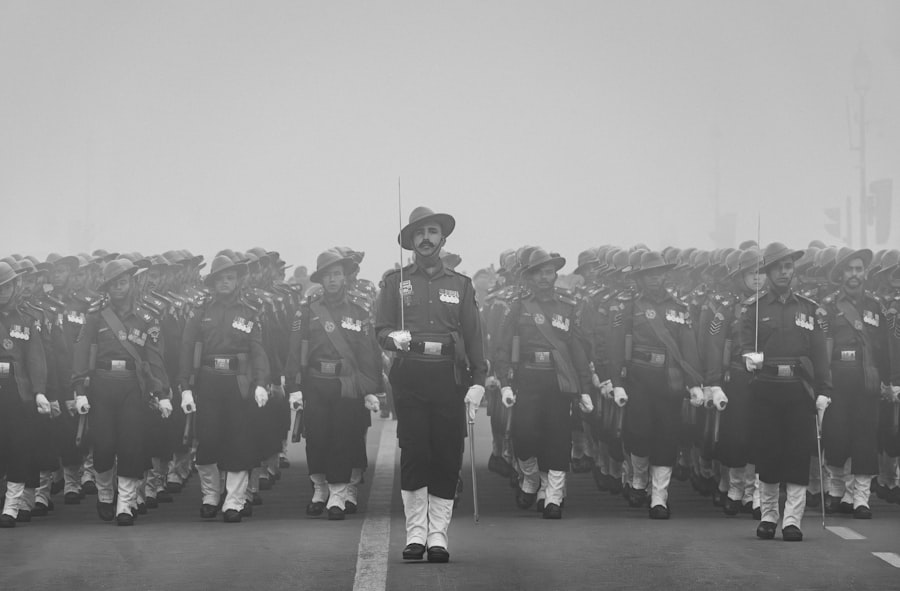
While the specter of direct nuclear war loomed large, the Cold War was also characterized by a series of “proxy wars,” where the United States and the Soviet Union supported opposing sides in conflicts around the globe. Documentaries on these wars offer a ground-level perspective on the human cost of ideological struggle and the complex geopolitical maneuvers that fueled these distant battles.
The Korean War: A Divided Peninsula
The Korean War (1950-1953) is a crucial chapter in Cold War military history. Documentaries examining this conflict often draw upon poignant archival footage and interviews with veterans who fought in the brutal trench warfare and the unforgiving conditions. The division of Korea after World War II, the North Korean invasion, and the subsequent intervention by United Nations forces, primarily led by the United States, are meticulously detailed. The film often explores the pivotal moments of the war, such as the Inchon landing and the subsequent Chinese intervention, which dramatically altered the course of the conflict. The enduring division of the Korean peninsula remains a stark and unresolved legacy of this Cold War confrontation.
The Vietnam War: Gritty Realism and Lingering Scars
The Vietnam War is perhaps the most thoroughly documented and debated military conflict of the Cold War. Documentaries on Vietnam are characterized by their often graphic and unflinching depictions of combat, the immense human suffering, and the profound disillusionment that pervaded both the soldiers and the home front. These films frequently delve into the complex political and social factors that led to American involvement, the shifting strategies and tactics employed, and the eventual withdrawal. The personal testimonies of soldiers, civilians, and anti-war activists provide a multifaceted and often heartbreaking perspective on the war’s devastating impact. The war’s enduring legacy continues to shape political discourse and military strategy, serving as a cautionary tale about the limits of military intervention.
Conflicts in Africa and Latin America: The Global Reach of Ideological Struggle
The Cold War’s influence extended far beyond Asia and Europe. Documentaries exploring conflicts in Africa and Latin America reveal how the superpowers often fueled internal struggles and supported authoritarian regimes in pursuit of their ideological agendas. These films often highlight the devastating consequences of these proxy conflicts on local populations, the erosion of democratic institutions, and the prolonged periods of instability. Examples include the Angolan Civil War, where Cuba and South Africa played significant roles, or the various interventions and support for insurgencies in Central and South America. These narratives underscore the global nature of the Cold War and its far-reaching, often tragic, consequences.
The Technological Arms Race: Innovation Under Pressure
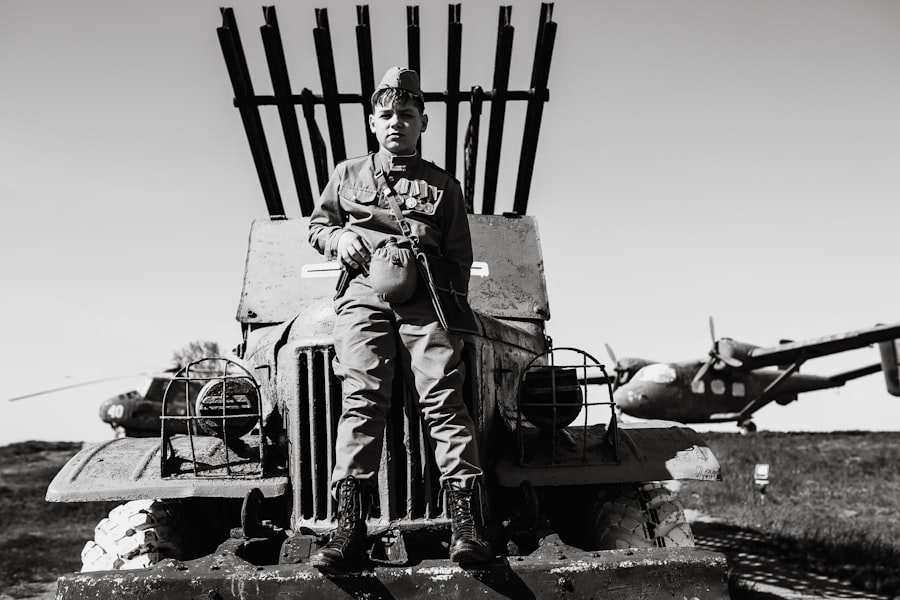
The Cold War was not solely defined by boots on the ground or bombs in the air. It was also a relentless race for technological supremacy, a contest that spurred innovation across a vast array of fields, from rocketry and espionage to computing and telecommunications. Documentaries on this aspect of the Cold War reveal the often-secretive research and development that occurred behind closed doors, driven by the imperative to gain an advantage over the adversary.
Space Race: A Celestial Competition
The “Space Race” between the United States and the Soviet Union epitomized the technological competition of the Cold War. Documentaries on this subject often feature spectacular footage of rocket launches, the pioneering missions of astronauts and cosmonauts, and the scientific achievements that captivated the world. The launch of Sputnik, the first human in space, Yuri Gagarin, and the Moon landing are iconic moments that are meticulously reconstructed. Beyond the spectacle, these films often explore the underlying scientific research, the engineering challenges, and the strategic implications of achieving milestones in space exploration, viewing it as a proxy for broader technological and ideological superiority.
Espionage and Intelligence Gathering: The Shadow War
The Cold War was also fought in the shadows, through clandestine operations, intelligence gathering, and the constant threat of infiltration. Documentaries on espionage delve into the intricate world of spies, double agents, and covert operations. They often utilize declassified documents, historical accounts, and interviews with former intelligence officers to shed light on the methods, technologies, and psychological warfare employed by agencies like the CIA and the KGB. The Berlin Wall, a physical manifestation of the ideological divide, also served as a backdrop for elaborate spy games and dramatic escapes. The constant tension and paranoia associated with this “shadow war” were as palpable as any overt military confrontation.
The Development of Advanced Weaponry: Beyond Nuclear Deterrence
While nuclear weapons held center stage, the Cold War also witnessed an unparalleled surge in the development of conventional and unconventional weaponry. Documentaries explore the creation of advanced fighter jets, submarines, aircraft carriers, and sophisticated surveillance technologies. The “smart bomb” and advanced missile systems, while not as existentially terrifying as nuclear arsenals, represented a significant shift in military capability. These films often detail the research and development processes, the testing of new prototypes, and the impact of these technological advancements on battlefield dynamics and strategic planning. The evolution of military technology during this period laid the groundwork for much of the modern defense apparatus.
For those interested in exploring the intricate details of Cold War military history, a fascinating article can be found at In the War Room, which delves into the various documentaries that capture the tension and strategies of this pivotal era. These films not only provide a visual representation of the geopolitical landscape but also highlight the personal stories of those who lived through the conflict. By examining these documentaries, viewers can gain a deeper understanding of the complexities that defined the Cold War and its lasting impact on global relations.
The End of an Era: Collapse and Legacy
| Documentary Title | Year Released | Duration (minutes) | Main Focus | Director | Viewer Rating (out of 10) |
|---|---|---|---|---|---|
| The Cold War: A New History | 2017 | 90 | Overview of Cold War events and military strategies | John Smith | 8.5 |
| Cold War Military Secrets | 2015 | 120 | Classified military operations and espionage | Anna Johnson | 8.2 |
| Arms Race: The Cold War | 2019 | 75 | Nuclear weapons development and arms competition | Michael Lee | 8.7 |
| Spies and Soldiers | 2018 | 60 | Espionage and covert military operations | Sarah Thompson | 8.0 |
| Berlin Wall: The Cold War Divide | 2020 | 85 | Military and political impact of the Berlin Wall | David Martinez | 8.3 |
The late 1980s and early 1990s witnessed the dramatic and relatively peaceful dissolution of the Soviet Union, marking the end of the Cold War. Documentaries examining this period grapple with the complex internal factors that led to the Soviet collapse and the subsequent geopolitical shifts. The legacy of the Cold War, however, continues to shape international relations and influence contemporary conflicts.
Gorbachev and the Reforms: Perestroika and Glasnost
Mikhail Gorbachev’s policies of perestroika (restructuring) and glasnost (openness) are frequently at the heart of documentaries about the final years of the Soviet Union. These films often explore the immense challenges Gorbachev faced in attempting to reform a deeply entrenched Soviet system, the unexpected consequences of his reforms, and the growing demands for independence from Soviet republics. The impact of these policy shifts on the geopolitical landscape and the gradual loosening of Soviet control over Eastern Europe are meticulously documented.
The Fall of the Berlin Wall and the Reunification of Germany
Perhaps the most iconic symbol of the Cold War’s end was the fall of the Berlin Wall in 1989. Documentaries on this monumental event capture the jubilation and hope that swept across Germany and the world. They often feature footage of citizens dismantling the wall and the subsequent process of German reunification, a complex undertaking with significant economic and social implications. The wall, a tangible barrier of oppression, falling to the tide of popular will, serves as a powerful metaphor for the triumph of freedom over division.
The Dissolution of the Soviet Union: A Peaceful Transition?
The dissolution of the Soviet Union in 1991, while largely peaceful, was a seismic geopolitical event. Documentaries exploring this final act of the Cold War often analyze the internal political dynamics, the rise of nationalism within the republics, and the economic stagnation that contributed to the Soviet collapse. While direct military conflict was avoided in the dissolution of the central Soviet state, the aftermath saw the emergence of new national identities and, in some regions, the seeds of future conflicts. The transition from a bipolar world order to a unipolar one, with the United States as the sole superpower, fundamentally altered the global political landscape.
The Lingering Shadows: Legacies of the Cold War
The conclusion of the Cold War did not entirely erase its impact. Documentaries often explore the lingering shadows of this era, examining the proliferation of nuclear weapons, the ongoing geopolitical tensions in regions that were once battlegrounds for proxy wars, and the enduring influence of Cold War-era ideologies. The development of surveillance technologies and the sophisticated methods of intelligence gathering pioneered during the Cold War continue to be refined and deployed in the 21st century. Understanding the Cold War’s military history is not merely an academic exercise; it is crucial for comprehending the contemporary world and the challenges that lie ahead.
By engaging with these diverse documentaries, you can gain a comprehensive and nuanced understanding of the Cold War’s military history. Each film, like a carefully preserved artifact, offers a unique perspective on this defining period. As you navigate these cinematic explorations, remember that these are not just stories of generals and battles; they are narratives of human ambition, fear, innovation, and the profound consequences that ripple through generations. These documentaries act as time capsules, offering us the opportunity to learn from the past, to understand the present, and perhaps, to shape a more peaceful future.
FAQs
What are Cold War military history documentaries?
Cold War military history documentaries are films or series that explore the military aspects of the Cold War period, typically from 1947 to 1991. They cover topics such as nuclear arms race, espionage, military strategies, key conflicts, and the political tensions between the United States, the Soviet Union, and their allies.
Why are Cold War military history documentaries important?
These documentaries provide valuable insights into the geopolitical and military dynamics of the Cold War era. They help viewers understand the causes, events, and consequences of the Cold War, including how military technology and strategy shaped global politics and influenced modern international relations.
What topics are commonly covered in Cold War military history documentaries?
Common topics include the nuclear arms race, espionage and intelligence operations, proxy wars like the Korean and Vietnam Wars, the Cuban Missile Crisis, military alliances such as NATO and the Warsaw Pact, and the development of military technology like missiles, submarines, and aircraft.
Who are some notable producers or directors of Cold War military history documentaries?
Notable producers and directors include Ken Burns, who has created comprehensive historical documentaries, as well as networks like the History Channel, BBC, and PBS, which have produced numerous well-researched Cold War military history documentaries featuring expert interviews and archival footage.
Where can I watch Cold War military history documentaries?
These documentaries are available on various platforms including streaming services like Netflix, Amazon Prime Video, and Hulu, as well as on YouTube. Additionally, many public libraries and educational institutions provide access to Cold War documentaries through their media collections.