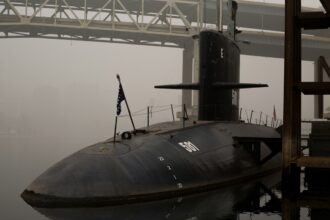
Here is an article about enhancing operations with US Navy Intelligence Support Group, written in the third person, with a factual style, and avoiding excessive flattery.
Naval operations, from routine patrols to complex expeditionary deployments, are intrinsically reliant on a comprehensive understanding of the operational environment. In this intricate theater, the United States Navy Intelligence Support Group (ISG) serves as a crucial force multiplier, providing the foresight and actionable intelligence necessary to navigate the fog of war and achieve strategic objectives. This organization acts as the eyes and ears of naval commanders, transforming raw data into coherent, exploitable intelligence that underpins decision-making across all levels of command. Without the dedicated work of the ISG, naval forces would be akin to a ship sailing without a chart, vulnerable to unseen reefs and unpredictable currents.
The ISG’s mandate is broad, encompassing the collection, analysis, and dissemination of intelligence across a vast spectrum of threats and adversaries. This includes monitoring the activities of foreign navies, non-state actors, and the broader geopolitical landscape that could impact U.S. maritime interests. The success of any naval operation, whether it is projecting power, maintaining freedom of navigation, or conducting humanitarian assistance, is directly correlated with the quality and timeliness of the intelligence provided by the ISG. They are the quiet architects behind the scenes, ensuring that when the steel hits the sea, the commanders are armed with the most complete and accurate picture of the battlefield possible. Understanding the ISG’s structure, capabilities, and operational integration is paramount for comprehending the modern effectiveness of U.S. naval power.
The effectiveness of the Intelligence Support Group (ISG) is built upon several critical foundational pillars, each contributing to its ability to deliver vital intelligence to naval forces. These pillars are not static; they are continually refined and adapted to meet the evolving demands of the global security environment. The ISG, in essence, acts as the central nervous system for naval intelligence, receiving stimuli from a myriad of sources and transmitting actionable insights to the operational limbs of the Navy.
Mission and Mandate
The ISG operates under a clearly defined mission and mandate, established by higher naval commands and U.S. intelligence agencies. This core directive dictates the scope of their activities, the types of intelligence they are tasked to gather, and the end users of their products. It is the compass that guides their intricate operations, ensuring that their efforts are aligned with national security objectives and the immediate needs of deployed naval units.
Strategic Intelligence Requirements
At the highest level, the ISG is tasked with supporting overarching strategic intelligence requirements. This involves analyzing long-term trends and potential threats that could impact U.S. maritime dominance and national interests. These analyses inform strategic planning, force structure decisions, and resource allocation, shaping the future direction of naval power. For example, understanding the projected growth of a rival nation’s submarine fleet requires long-term intelligence gathering and predictive analysis, a core function of the ISG’s strategic role.
Operational Intelligence Needs
The ISG maintains a direct conduit to operational commanders, providing the intelligence necessary for the planning and execution of specific missions. This can range from identifying enemy positions and capabilities in a designated area of operations to assessing the risks associated with conducting operations in a particular region. This level of detail is crucial for commanders to make informed decisions in dynamic and often rapidly changing circumstances. It is the difference between entering a potential conflict zone blindfolded or with a detailed map of known hazards.
Tactical Intelligence Integration
Furthermore, the ISG plays a vital role in integrating tactical intelligence, which is the most immediate and granular level of information. This involves understanding the disposition of forces, identifying specific threats to naval vessels, and providing real-time updates during engagements. This constant flow of tactical intelligence allows for agile responses and the adaptation of tactics to counter evolving enemy actions, ensuring that naval assets can react effectively to immediate dangers.
Organizational Structure and Components
The ISG is not a monolithic entity but rather a complex organization comprising various specialized units and personnel. This structure is designed to maximize efficiency and expertise in intelligence collection, analysis, and dissemination. Each component plays a distinct, yet interconnected, role in the overall intelligence cycle.
Collection Assets and Platforms
The ISG leverages a diverse array of collection assets and platforms to gather intelligence. These can include sophisticated electronic intelligence (ELINT) and signals intelligence (SIGINT) gathering systems, imagery intelligence (IMINT) from satellites and aircraft, human intelligence (HUMINT) sources, and open-source intelligence (OSINT) compiled from publicly available information. The effective deployment and coordination of these assets are critical to ensuring comprehensive coverage. For instance, a dedicated signals intelligence platform might monitor enemy communications in a specific maritime choke point, while a reconnaissance aircraft provides visual confirmation of vessel movements.
Analytical Divisions and Desks
Within the ISG, specialized analytical divisions and desks are responsible for processing and interpreting the raw intelligence collected. These divisions are often organized by geographic region, functional area (e.g., naval warfare, weapons systems), or threat type. Analysts within these divisions transform disparate pieces of data into coherent assessments, identifying patterns, predicting adversary behavior, and highlighting potential threats or opportunities. Imagine a vast river of data; these analysts are the skilled engineers who build dams, canals, and reservoirs to manage and direct its flow into usable reservoirs of knowledge.
Dissemination and Production Centers
The ISG’s analytical efforts culminate in the production of finished intelligence products that are disseminated to the appropriate naval commands. These products can take various forms, including intelligence reports, briefings, threat assessments, and alert messages. The speed and accuracy of dissemination are paramount, ensuring that commanders receive the information they need when they need it to make critical decisions.
The US Navy Intelligence Support Group plays a crucial role in enhancing the operational capabilities of the Navy through effective intelligence gathering and analysis. For those interested in learning more about the strategic importance of naval intelligence and its impact on military operations, I recommend reading a related article that delves into these themes. You can find it here: Intelligence in Naval Operations.
The Engine of Insight: Intelligence Collection Capabilities
The Intelligence Support Group’s primary function is to gather information, transforming the vast, often chaotic, maritime domain into a comprehensible operational picture. This requires a sophisticated and multifaceted approach to intelligence collection, employing a range of methods and technologies to penetrate the often-opaque nature of adversarial activities. The ISG acts as the vanguard, reaching out into the unknown to retrieve the pieces of the puzzle that will illuminate the path forward for naval operations.
Signals Intelligence (SIGINT) Dominance
Signals Intelligence forms a cornerstone of the ISG’s collection capabilities. By intercepting and analyzing electromagnetic emissions, the ISG can gain invaluable insights into enemy communications, radar systems, navigation aids, and other electronic activities. This information provides a low-probability-of-intercept and low-probability-of-detection method for understanding an adversary’s intentions, order of battle, and operational tempo.
Electronic Intelligence (ELINT)
ELINT focuses on non-communications emitters, such as radar systems. By analyzing the characteristics of these emissions – frequency, pulse repetition frequency, pulse width, and modulation – analysts can identify the type of radar, its range, its purpose, and potentially its location. This allows naval forces to understand adversary surveillance capabilities, identify potential threats from ground-based or airborne radar systems, and develop electronic warfare countermeasures.
Communications Intelligence (COMINT)
COMINT involves the interception and analysis of all forms of voice and data communications. This can range from tactical radio traffic between naval units to high-frequency diplomatic or strategic communications. Decrypting and understanding these communications can reveal enemy plans, troop movements, logistical arrangements, and even morale. The ISG’s COMINT capabilities are akin to having listening posts in the very nerve centers of adversary command and control.
Imagery Intelligence (IMINT) and Geospatial Intelligence (GEOINT)
Imagery and geospatial intelligence provide the visual confirmation and contextual understanding of the operational environment. The ISG utilizes a variety of platforms to acquire high-resolution imagery and precise location data, which are crucial for situational awareness and targeting.
Satellite and Aerial Reconnaissance
Satellites and aerial platforms, equipped with advanced sensors such as electro-optical, infrared, and radar imagers, provide persistent surveillance over vast areas. The ISG analyzes this imagery to identify naval vessels, port facilities, airfields, and other critical infrastructure. Changes in patterns of activity, the appearance of new equipment, or unusual deployments can all be detected and reported, providing early warnings of potential threats.
Maritime Domain Awareness Fusion
Geospatial intelligence, often fused with IMINT, provides the precise geographic coordinates and contextual information needed to understand the operational landscape. This includes mapping of underwater features, identifying choke points, charting shipping lanes, and understanding the terrain around coastal installations. This fused intelligence is essential for planning amphibious assaults, mine countermeasures, and route planning for naval vessels to avoid known hazards.
Other Critical Collection Disciplines
Beyond SIGINT and IMINT/GEOINT, the ISG employs a range of other collection disciplines to build a comprehensive intelligence picture.
Human Intelligence (HUMINT)
While often challenging to acquire in the maritime environment, HUMINT remains a critical component. This involves eliciting information from individuals with direct knowledge of adversary activities. This could range from debriefings of defectors to intelligence gathered through clandestine operations, offering unique insights that may not be obtainable through technical means.
Open-Source Intelligence (OSINT)
In the modern era, vast amounts of relevant information are publicly available. The ISG’s OSINT capabilities focus on identifying, collecting, and analyzing information from the internet, social media, academic publications, news media, and commercial databases. This can provide early indicators of intent, public sentiment, and economic factors that influence geopolitical stability. For instance, monitoring shipping manifests or satellite imagery of ports accessible online can provide clues about naval activity.
The Crucible of Understanding: Intelligence Analysis
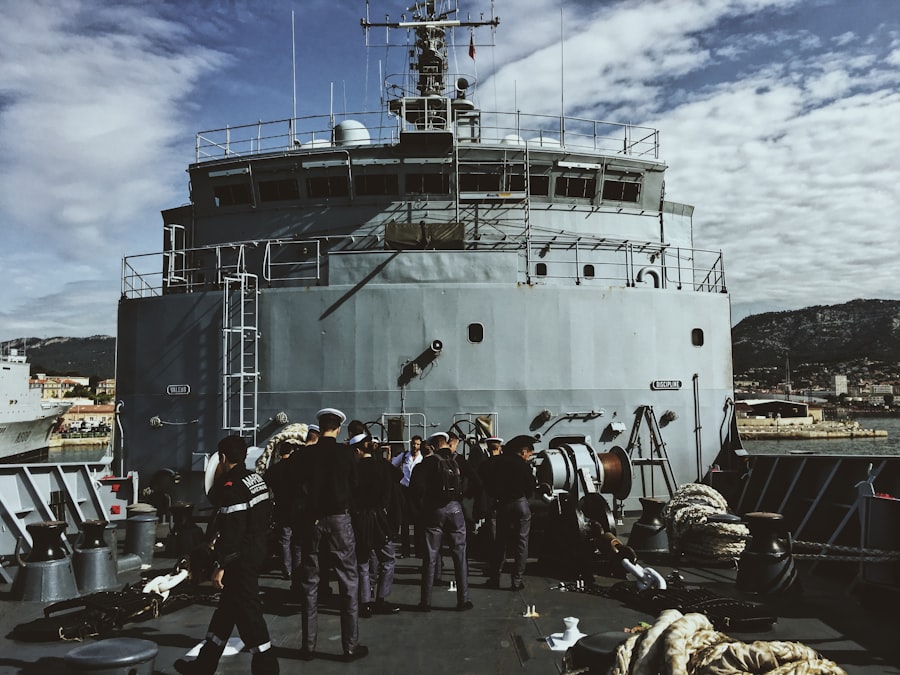
Intelligence collection is only the first step; the true power of the ISG lies in its ability to transform raw data into actionable intelligence through rigorous analysis. This is where the disparate pieces of information are woven together, shaped by expertise and critical thinking, to reveal patterns, predict adversary behavior, and provide commanders with the insights they need to succeed. The analytical process is akin to a skilled alchemist, taking base elements of data and forging them into the gold of actionable intelligence.
From Raw Data to Finished Intelligence
The journey from raw sensor output to a finished intelligence product is a complex and iterative process. The ISG’s analysts are the navigators of this journey, applying a systematic approach to ensure accuracy, relevance, and timeliness.
Data Validation and Verification
Before any analysis can begin, the collected data must be validated and verified. This involves cross-referencing information from multiple sources, checking for consistency, and identifying potential sources of error or bias. This foundational step ensures that the intelligence product is built upon a solid bedrock of truth, mitigating the risk of acting on misinformation.
Pattern Recognition and Correlation
Analysts employ sophisticated techniques to identify patterns and correlations within the collected data. This can involve statistical analysis, behavioral modeling, and the application of historical precedents. By recognizing recurring themes or anomalies, analysts can identify emerging trends, anticipate adversary actions, and uncover hidden intentions. For example, a consistent pattern of increased submarine activity in a specific region, correlated with an increase in specific communication intercepts, could signal an impending exercise or deployment.
Predictive Analysis and Threat Assessment
A key output of the ISG’s analytical process is predictive analysis. Based on current intelligence, historical trends, and understanding of adversary doctrine, analysts attempt to forecast future adversary behavior and assess potential threats. This proactive approach allows naval commanders to anticipate challenges and develop strategies to mitigate risks before they materialize.
Specialized Analytical Domains
The ISG’s analytical capabilities are further refined through specialized domains, each focusing on a particular aspect of the operational environment or adversary.
Order of Battle (OB) Analysis
OB analysis focuses on understanding the structure, composition, strength, and disposition of adversary forces. This includes identifying naval units, their capabilities, their geographic location, and their likely mission. Accurate OB analysis is fundamental for effective force planning and tactical decision-making, allowing commanders to understand the opposing forces they may encounter.
Threat Intelligence
Threat intelligence endeavors to identify, assess, and understand specific threats to U.S. naval operations. This can include the capabilities and intentions of opposing navies, the potential for asymmetric threats from non-state actors, or the specific risks posed by particular weapons systems. Developing a comprehensive understanding of these threats allows for the development of appropriate countermeasures and defensive strategies.
Geopolitical and Strategic Analysis
Beyond immediate military threats, the ISG also provides analysis of the broader geopolitical and strategic landscape. This involves assessing the political, economic, and social factors that influence regional stability and could impact U.S. maritime interests. Understanding these macro-level drivers of conflict or cooperation is essential for informing strategic decision-making and diplomatic efforts.
Dissemination: Bridging the Intelligence Gap
Even the most insightful intelligence is of little value if it cannot be effectively communicated to those who need it, when they need it. The Intelligence Support Group’s dissemination capabilities are designed to bridge the gap between intelligence production and operational execution, ensuring that commanders have the knowledge necessary to make informed decisions in real-time. This is the crucial final mile of the intelligence journey, transforming understanding into decisive action.
Timeliness and Relevance as Paramount Concerns
In the fast-paced world of naval operations, timeliness and relevance are not merely desirable attributes; they are critical requirements. The ISG employs sophisticated communication networks and standardized reporting formats to ensure that intelligence products reach the right stakeholders with maximum efficiency. Delay can lead to missed opportunities or increased risk.
Real-time Intelligence Feeds
For certain operational environments, real-time or near-real-time intelligence feeds are essential. The ISG facilitates the continuous flow of critical information, allowing commanders to adapt their plans and responses to rapidly evolving situations. This can involve the provision of live updates on enemy movements, the status of threats, or changes in the operational environment.
Tailored Intelligence Products
Recognizing that different commanders and units have varying intelligence needs, the ISG produces tailored intelligence products. This means that intelligence is not disseminated as a one-size-fits-all package but is adapted to the specific requirements of the recipient. This can involve focusing on particular geographic areas, threat types, or operational phases. A carrier strike group commander might receive a broad overview of regional threats, while a submarine commander might receive highly detailed intelligence on the patrol patterns of specific enemy submarines.
Bridging the Command and Control Network
The ISG is intrinsically linked into the Navy’s robust command and control (C2) network. This integration allows for seamless communication and intelligence sharing across different echelons of command.
Intelligence Briefings and Reports
Regular intelligence briefings and reports are a primary means of disseminating finished intelligence. These can range from daily operational summaries to in-depth analytical assessments presented to senior leadership. The clarity and conciseness of these presentations are crucial for conveying complex information effectively.
Intelligence Support to Operations Planning
The ISG actively participates in the operational planning process. Analysts provide input during the mission planning phases, helping commanders to identify potential intelligence gaps, assess risks, and develop appropriate contingency plans. This proactive involvement ensures that intelligence considerations are integrated from the outset of any operation.
Alerting Mechanisms for Immediate Threats
For immediate and critical threats, the ISG maintains sophisticated alerting mechanisms. These systems are designed to rapidly disseminate urgent intelligence to relevant units, enabling them to take immediate defensive or offensive actions. This could involve warnings of incoming missile attacks, the presence of minefields, or the detection of hostile naval formations.
The US Navy Intelligence Support Group plays a crucial role in enhancing maritime security and providing vital intelligence to support naval operations. For those interested in exploring the broader implications of military intelligence and its impact on modern warfare, a related article can be found at In the War Room, which delves into the evolving strategies and technologies that shape intelligence operations today. This resource offers valuable insights into how organizations like the Navy Intelligence Support Group adapt to new challenges in a rapidly changing global landscape.
The Future of Naval Intelligence Support
| Metric | Details |
|---|---|
| Unit Name | US Navy Intelligence Support Group (ISG) |
| Established | 2001 |
| Primary Mission | Provide intelligence support to Navy SEALs and other special operations forces |
| Headquarters | Dam Neck, Virginia, USA |
| Personnel | Classified, estimated several hundred |
| Key Capabilities | Signals intelligence, human intelligence, cyber operations, geospatial intelligence |
| Operational Theaters | Global, with focus on Middle East, Asia-Pacific, and Africa |
| Parent Command | Naval Special Warfare Command |
| Notable Operations | Support in Operation Neptune Spear, various counterterrorism missions |
As the global security landscape continues to evolve, so too must the capabilities of the Intelligence Support Group. The ISG is not a static organization but a dynamic entity that must continuously adapt to new technologies, emerging threats, and changing geopolitical realities. The future of naval intelligence support is one of ever-increasing sophistication, integration, and foresight.
Embracing Emerging Technologies
The rapid advancement of technology presents both challenges and opportunities for intelligence gathering and analysis. The ISG is actively exploring and integrating new technologies to enhance its capabilities.
Artificial Intelligence (AI) and Machine Learning (ML)
AI and ML hold immense potential for revolutionizing intelligence analysis. These technologies can sift through vast datasets at unprecedented speeds, identifying subtle patterns and anomalies that might be missed by human analysts. AI can automate repetitive tasks, freeing up analysts to focus on higher-level cognitive functions, such as critical thinking and strategic assessment. For instance, AI could be used to rapidly analyze satellite imagery for changes in port activity or to process intercepted communications for key phrases.
Big Data Analytics and Fusion
The sheer volume of data being generated today is staggering. The ISG is investing in big data analytics capabilities to process and fuse disparate data sources, creating a more comprehensive and nuanced understanding of the operational environment. This fusion of data from SIGINT, IMINT, HUMINT, OSINT, and other sources is essential for developing a holistic intelligence picture.
Enhancing Multi-Domain Intelligence Integration
Modern conflicts are increasingly characterized by operations across multiple domains – sea, air, land, space, and cyberspace. The ISG is evolving to provide intelligence support that seamlessly integrates these domains.
Cyber Intelligence Capabilities
The cyber domain has become a critical battleground. The ISG is enhancing its cyber intelligence capabilities to understand adversary cyber threats, identify vulnerabilities in networked systems, and support offensive and defensive cyber operations. Protecting naval networks and understanding how adversaries might exploit them is a growing area of focus.
Space-Based Intelligence
The reliance on space assets for communication, navigation, and intelligence gathering continues to grow. The ISG is focused on understanding threats to space-based assets, the exploitation of space-based intelligence by adversaries, and the broader implications of space operations for naval warfare.
The Human Element in a Technological Age
Despite the increasing reliance on technology, the human element remains indispensable. The ISG is committed to developing and retaining highly skilled intelligence professionals who can leverage technology effectively and apply critical thinking to complex intelligence problems.
Talent Management and Training
Ensuring a continuous pipeline of skilled intelligence analysts, collectors, and disseminators is a key priority. This involves robust training programs, career development opportunities, and the recruitment of individuals with diverse backgrounds and expertise. The ability to interpret complex data, understand adversary motivations, and communicate effectively remains a uniquely human capability.
Collaboration and Information Sharing
In an increasingly interconnected world, collaboration and information sharing with interagency partners and allied nations are crucial. The ISG emphasizes building strong relationships and establishing secure channels for sharing intelligence to create a more robust and unified intelligence picture. This collaborative approach amplifies the effectiveness of individual intelligence efforts, creating a stronger, more resilient defense network.
In conclusion, the United States Navy Intelligence Support Group stands as a vital, though often unsung, pillar of modern naval power. By meticulously collecting, rigorously analyzing, and efficiently disseminating intelligence, the ISG empowers naval commanders with the understanding necessary to navigate complex operational environments, mitigate risks, and achieve strategic objectives. As technology advances and the global threat landscape shifts, the ISG’s commitment to adaptation, innovation, and the cultivation of human expertise ensures its continued relevance as the critical intelligence advantage for the U.S. Navy.
FAQs
What is the US Navy Intelligence Support Group?
The US Navy Intelligence Support Group (NISG) is a specialized unit within the United States Navy that provides intelligence support and analysis to naval operations. It plays a critical role in gathering, processing, and disseminating intelligence to enhance mission effectiveness.
What are the primary functions of the US Navy Intelligence Support Group?
The primary functions of the US Navy Intelligence Support Group include collecting and analyzing intelligence data, supporting naval commanders with actionable intelligence, conducting surveillance and reconnaissance, and assisting in planning and executing naval missions.
Who can be a member of the US Navy Intelligence Support Group?
Members of the US Navy Intelligence Support Group are typically highly trained intelligence specialists, including officers and enlisted personnel with expertise in areas such as signals intelligence, human intelligence, imagery analysis, and cyber operations. Candidates usually undergo rigorous training and security clearance processes.
How does the US Navy Intelligence Support Group contribute to national security?
The US Navy Intelligence Support Group contributes to national security by providing timely and accurate intelligence that supports naval operations, helps identify potential threats, and informs strategic decision-making. Their work ensures that the Navy can operate effectively in various global environments.
Where is the US Navy Intelligence Support Group based?
The US Navy Intelligence Support Group is headquartered at Fort Meade, Maryland, which is also home to other key intelligence agencies. The group may also have personnel deployed at various naval bases and operational theaters worldwide to support ongoing missions.