Exploring the Depths: Saturation Diving at 400 Feet
The ocean, a vast and enigmatic realm, has always beckoned humanity to its underwater frontiers. While recreational diving unlocks glimpses of this submerged world, the true pioneers who push the boundaries of exploration and industry often venture far beyond the recreational limit. Saturation diving, a specialized technique, allows humans to inhabit the deep ocean for extended periods, pushing the envelope of what is physiologically and technologically possible. This article delves into the intricacies and challenges of saturation diving at a depth of 400 feet (approximately 122 meters), a significant threshold that opens up new avenues for scientific research, underwater construction, and resource extraction.
To understand the capabilities and limitations of saturation diving, it is crucial to grasp the physiological impacts of increased ambient pressure on the human body. At 400 feet, the pressure exerted by the water column is substantial, approximately 13 times greater than atmospheric pressure at sea level. This immense pressure has profound effects, primarily driven by gas laws that govern the behavior of gases under pressure.
Understanding Boyle’s Law and Its Implications
Boyle’s Law, a fundamental principle in physics, states that for a fixed amount of gas at a constant temperature, the pressure and volume are inversely proportional. As a diver descends, the ambient pressure increases, causing the volume of gases within their body to decrease proportionally. This compression affects the air spaces within the body, such as the lungs, sinuses, and middle ears. Without proper equalization techniques, this can lead to barotrauma, causing significant pain and potential injury. Furthermore, the air breathed by the diver under pressure becomes denser, meaning more gas molecules are inhaled with each breath.
The Ascent of Nitrogen Narcosis
One of the most significant challenges of deep diving is nitrogen narcosis, often referred to as “Rapture of the Deep.” Nitrogen, a primary component of the air we breathe, acts as an anesthetic under high pressure. As divers descend deeper, the partial pressure of nitrogen in their inhaled gas mixture increases, leading to a state of impaired judgment, euphoria, and a reduced ability to perform complex tasks. At 400 feet, nitrogen narcosis can be a serious impediment, making it imperative to manage the breathing gas mixture carefully.
Managing Gas Mixtures: Beyond Air
To mitigate the effects of nitrogen narcosis and oxygen toxicity, divers at depths like 400 feet do not breathe standard compressed air. Instead, they utilize a carefully formulated breathing gas mixture known as “trimix.” Trimix is typically composed of oxygen, nitrogen, and helium. Helium is substituted for a portion of the nitrogen because it is less narcotic and has a lower density, making it easier to breathe at higher pressures. The precise ratio of these gases is meticulously calculated based on the dive depth and planned bottom time, ensuring the diver’s safety and cognitive function. The selection of the correct heliox or trimix blend is a critical element in the planning and execution of any deep saturation dive.
The Specter of Oxygen Toxicity
While essential for life, oxygen becomes a toxic substance at elevated partial pressures. Oxygen toxicity can manifest in two primary forms: central nervous system (CNS) toxicity and pulmonary toxicity. CNS toxicity, particularly dangerous during dives, can lead to convulsions, which, at depth, are virtually unsurvivable. Pulmonary toxicity affects the lungs over prolonged exposure to higher partial pressures of oxygen. Dive planners must carefully manage the partial pressure of oxygen in the breathing gas to remain within safe limits, a delicate balancing act that becomes more intricate with increasing depth.
Saturation diving at 400 feet is a fascinating topic that delves into the complexities and challenges faced by deep-sea divers. For those interested in exploring this subject further, a related article can be found at In the War Room, which discusses the technological advancements and safety measures that have been developed to support divers operating at such extreme depths. This resource provides valuable insights into the underwater environment and the rigorous training required for saturation diving.
The Principles of Saturation Diving
Saturation diving is a method that allows divers to remain at depth for extended periods by saturating their bodily tissues with the gases from their breathing mixture. This technique is diametrically opposed to “bounce” diving, where divers ascend and descend relatively quickly, with mandatory decompression stops to prevent decompression sickness.
Reaching Saturation: A Gradual Process
When a diver breathes a gas mixture at a constant pressure for a sufficient duration, the inert gases (primarily nitrogen and helium) in the breathing mixture begin to dissolve into the diver’s tissues. This process is governed by Henry’s Law, which states that the amount of dissolved gas is directly proportional to its partial pressure in the surrounding environment. At a specific depth, after a certain period, the concentration of these dissolved gases in the diver’s tissues reaches equilibrium with the concentration in the breathing gas. At this point, the diver is considered “saturated” with respect to the inert gases.
The Advantage of Extended Stays
The primary advantage of saturation diving is that once saturation is achieved, the time spent at that depth for subsequent dives does not significantly increase the decompression obligation. This allows for long working periods on the seafloor. A diver working at 400 feet might spend days or even weeks on the bottom, returning to the surface only once their planned mission is complete. This is a paradigm shift from the short bottom times permissible in non-saturation diving.
The Decompression Obligation: A Long Wait
The flip side of achieving saturation is the lengthy decompression process required to safely return to surface pressure. Because the diver’s tissues are saturated with inert gases, they must be brought back to the surface gradually, allowing these dissolved gases to be expelled from the body without forming bubbles. This decompression can take days, even weeks, for divers who have spent extended periods at depth. During this period, the divers reside in a pressurized habitat, often a surface-based chamber or a subsea dwelling, where the ambient pressure is maintained at the working depth.
The Surface Support Labyrinth
Saturation diving operations are complex undertakings that rely heavily on a sophisticated network of surface support. This includes a specialized dive support vessel or platform, which houses the decompression chambers, gas storage and management systems, and communication equipment. A highly trained surface team, including dive supervisors, medics, and technicians, monitors the divers’ progress and well-being around the clock. The coordination and precision required for these operations are akin to a well-oiled machine in motion, where every component plays a vital role.
The Underwater Habitat: A Deep-Sea Home
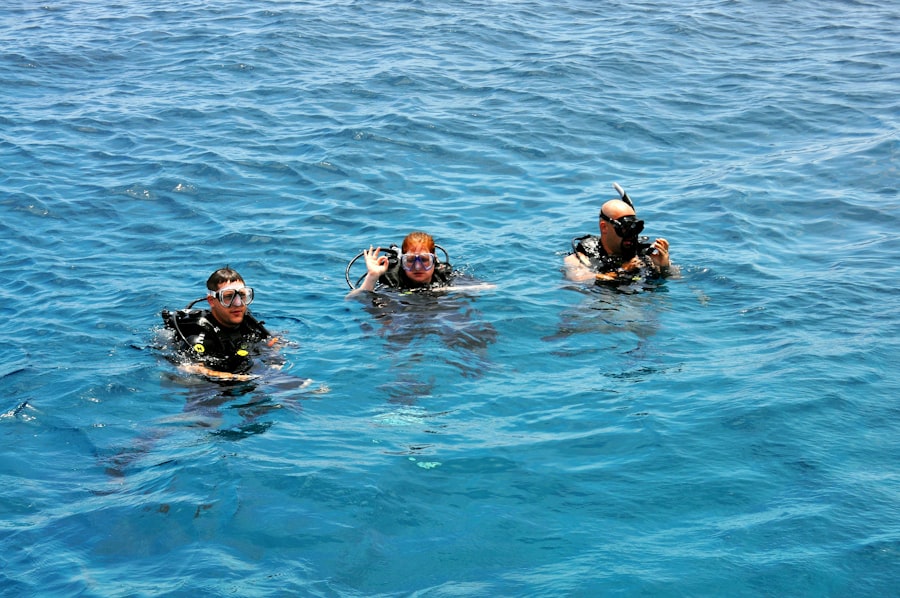
For saturation divers working at 400 feet, the concept of “going home” takes on a new meaning. They live and work from a pressurized underwater habitat, a miniaturized engineered environment that replicates surface conditions within the crushing embrace of the deep.
The Main Deck Chamber: The Surface Link
The main decompression chamber, often referred to as the “hotel” or “living chamber,” is the primary residence of the saturation diving team. This chamber is designed to withstand the immense pressures of the working depth and is maintained at that pressure for the duration of the saturation period. Inside, divers have living quarters, a galley, hygiene facilities, and recreational areas, offering a semblance of normalcy in an extraordinary environment. Communication systems link the habitat to the surface support vessel, allowing for constant monitoring and interaction.
The Transfer Capsule: Navigating the Pressure Gradient
To access the underwater habitat from the surface, or to descend to the working depth, divers utilize a submersible decompression chamber (SDC), often called a transfer capsule or bell. This robust vessel is lowered from the surface support vessel and mates with the habitat. Divers enter the bell, which is then lowered to the working depth, or pressurized to match the habitat’s pressure for transfer. The bell also serves as a crucial safety device, acting as a temporary refuge in emergency situations, allowing divers to return to a safe pressure environment.
The Transition to the Worksite
Once the transfer capsule reaches the diver’s working depth, a diver donning their specialized diving gear will exit the bell. The bell remains at the working depth, pressurized to the same level as the habitat, allowing the divers to return for breaks and to begin their decompression journey when their work is complete. The careful engineering of these systems ensures a seamless transition between the pressurized environments, minimizing physiological stress on the divers.
The Diver’s Role: Architects of the Abyss
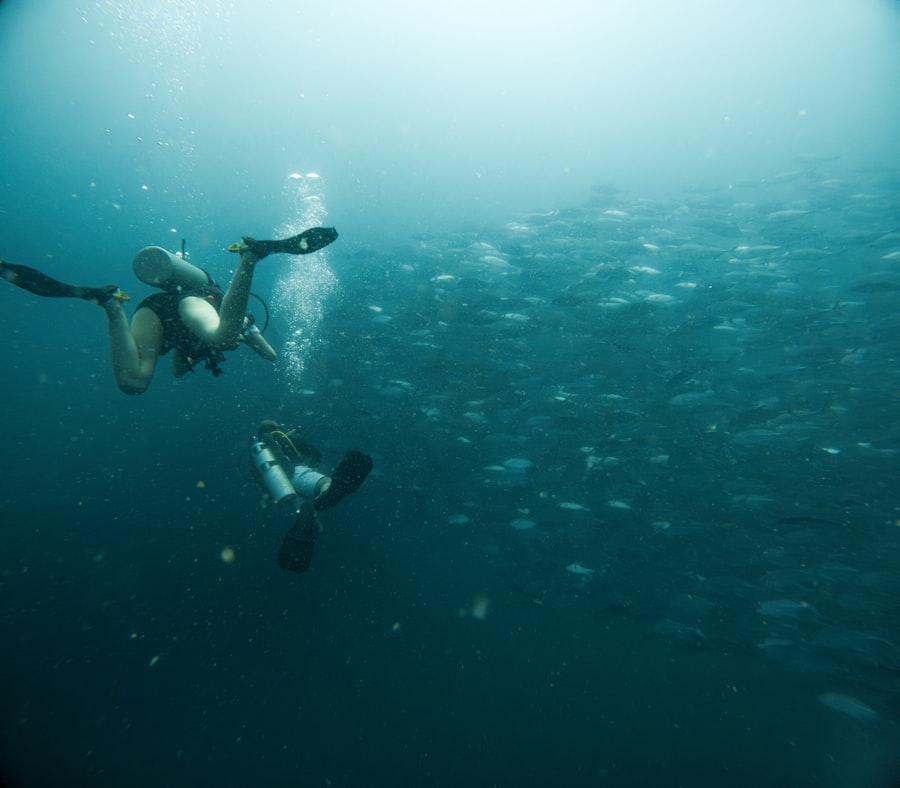
The individuals who undertake saturation diving at 400 feet are not simply swimmers; they are highly skilled professionals who combine technical expertise with an exceptional level of physical and mental fortitude. Their roles are pivotal in unraveling the mysteries of the deep and undertaking demanding underwater tasks.
Task-Oriented Operations: Building and Maintaining the Infrastructure
At 400 feet, saturation diving is most commonly employed for tasks that cannot be easily accomplished or performed by remotely operated vehicles (ROVs) or autonomous underwater vehicles (AUVs). This includes the construction and maintenance of offshore infrastructure such as oil and gas platforms, pipelines, and subsea power generation facilities. Divers work with heavy equipment, welding, cutting, and assembling components in a highly demanding and unforgiving environment. They are the hands-on engineers of the abyss.
Scientific Exploration: Unlocking Subsea Secrets
Beyond industrial applications, saturation diving plays a crucial role in scientific research. Researchers can spend extended periods at depth, conducting detailed geological surveys, biological studies, and archaeological investigations. This allows for direct interaction with the marine environment, the collection of delicate samples, and the observation of phenomena that are inaccessible to surface-based researchers or limited by the short duration of conventional dives. They become the eyes and hands of science in a realm rarely seen.
The Importance of Teamwork and Communication
The success of any saturation dive hinges on the seamless collaboration between the divers and the surface support team. Clear, concise, and constant communication is paramount. Divers rely on their surface team for essential information, logistical support, and critical emergency response. Within the habitat, the divers themselves form a tightly knit team, dependent on each other for safety and mission accomplishment. This creates a bond forged in shared experience and mutual trust.
Saturation diving at 400 feet presents unique challenges and requires specialized training and equipment to ensure the safety of divers. For those interested in exploring the intricacies of this underwater profession, a related article can provide valuable insights into the techniques and technologies used in deep-sea exploration. You can read more about it in this informative piece that discusses the various aspects of saturation diving and its applications in the industry. For further details, check out the article here.
Challenges and Risks of Deep Saturation Diving
| Parameter | Value | Unit | Notes |
|---|---|---|---|
| Depth | 400 | feet | Operational depth for saturation diving |
| Equivalent Depth (Sea Water) | 122 | meters | Converted metric depth |
| Bottom Time | 24-72 | hours | Typical duration of bottom work |
| Decompression Time | 48-72 | hours | Time required to safely decompress after saturation |
| Gas Mixture | Heliox or Trimix | – | Breathing gas used to reduce nitrogen narcosis and oxygen toxicity |
| Pressure in Habitat | 130-140 | psig | Pressure maintained in living chambers to match depth |
| Partial Pressure of Oxygen (PPO2) | 0.4-0.6 | ata | Maintained to avoid oxygen toxicity |
| Water Temperature | 4-10 | °C | Typical temperature at 400 feet depth |
| Risk Factors | Nitrogen Narcosis, Oxygen Toxicity, Decompression Sickness | – | Common hazards associated with saturation diving |
| Typical Equipment | Diving Bell, Saturation Habitat, Life Support Systems | – | Essential gear for saturation diving operations |
Despite the advanced technology and meticulous planning, saturation diving at 400 feet remains an inherently risky endeavor. The deep ocean presents a formidable environment, and the human body, even when supported by technology, is pushed to its physiological limits.
Decompression Sickness (The Bends)
The most well-known risk associated with diving is decompression sickness, commonly known as “the bends.” This occurs when dissolved inert gases in the body form bubbles during ascent if decompression is too rapid. At 400 feet, the partial pressure of inert gases is significantly higher, increasing the potential for bubble formation and the severity of the illness. Symptoms can range from joint pain and skin rashes to neurological damage and paralysis, and in severe cases, can be fatal. Modern decompression schedules and strict adherence to protocols are designed to minimize this risk, but it remains a constant consideration.
Equipment Malfunction: A Constant Threat
The complex life support systems, breathing apparatus, and habitat environments are susceptible to malfunction. A failure in the gas supply, heating or cooling systems, or communication equipment could have catastrophic consequences for the divers. Rigorous maintenance schedules, redundant systems, and contingency plans are essential to mitigate these risks. The equipment is the lifeline in this hostile environment; its reliability is paramount.
Psychological Stress and Isolation
Living and working in a confined, pressurized environment for extended periods, with limited contact with the outside world, can take a significant psychological toll. Isolation, monotony, and the inherent risks of the profession can lead to stress, anxiety, and fatigue. Careful crew selection, recreational activities, and regular psychological evaluations are crucial components of managing the mental well-being of saturation divers. The mind, like the body, must be nurtured under pressure.
The Unforeseen Encounters of the Deep
While not a direct physiological risk, the deep ocean is home to a variety of marine life, some of which can pose a hazard. Encounters with large marine animals or venomous creatures, though rare, are a possibility. Divers are trained to be aware of their surroundings and to avoid unnecessary interaction with wildlife. The unknown elements of the deep are always a factor to consider.
The Cost of the Abyss
Saturation diving operations are incredibly expensive, requiring specialized vessels, equipment, and highly trained personnel. The financial investment reflects the complexity and inherent risks of operating in such extreme environments. The rewards, however, in terms of access to resources and scientific knowledge, can often justify this substantial expenditure.
In conclusion, saturation diving at 400 feet represents a pinnacle of human endeavor in exploring and working within the deep ocean. It demands an intricate understanding of physiology, cutting-edge engineering, and an unwavering commitment to safety. These pioneers of the deep push the boundaries of human capability, allowing us to delve into realms previously inaccessible, forging a path for future exploration and unlocking the profound secrets that lie beneath the waves. The deep sea, once a mythical frontier, is increasingly becoming a tangible reality, thanks to the bravery and ingenuity of saturation divers.
FAQs
What is saturation diving at 400 feet?
Saturation diving at 400 feet involves divers living and working under pressure in a specialized habitat or diving bell at a depth of approximately 400 feet (about 120 meters). This technique allows divers to remain underwater for extended periods while minimizing decompression time.
Why is saturation diving used at depths like 400 feet?
Saturation diving is used at depths like 400 feet because it enables divers to work safely for long durations in deep water environments. By saturating the body’s tissues with inert gases, divers only need to decompress once at the end of their mission, reducing the risk of decompression sickness.
What equipment is necessary for saturation diving at 400 feet?
Essential equipment includes a pressurized diving habitat or chamber, a diving bell for transport to and from the work site, specialized breathing gas mixtures (such as heliox or trimix), and life support systems to regulate pressure, temperature, and gas composition.
What are the risks associated with saturation diving at 400 feet?
Risks include decompression sickness if decompression protocols are not properly followed, nitrogen narcosis, oxygen toxicity, equipment failure, and psychological stress due to confinement and extended time under pressure.
How long can divers stay underwater during saturation diving at 400 feet?
Divers can stay underwater for several days to weeks during saturation diving missions at 400 feet, depending on the project requirements. The saturation process allows them to work continuously without multiple decompressions, with decompression occurring only once at the end of the mission.