
The vast, rugged landscape of the Russian Far East, a territory stretching from the shores of the Sea of Okhotsk to the Pacific Ocean, is more than just a geographical expanse. It is also a vital artery in the nation’s communication network. Hidden beneath its permafrost and shadowed by taiga forests lies a sophisticated, and largely undisclosed, system of underwater communication cables. This article delves into the historical development, present-day significance, and potential implications of Russia’s “secret cable tap” connecting its strategically vital ports from Petropavlovsk-Kamchatsky to Vladivostok.
The story of Russia’s communication infrastructure in the Far East is intrinsically linked to its geopolitical ambitions and military imperatives. For centuries, maintaining control and communication across this immense and sparsely populated region presented a formidable challenge. Early attempts focused on telegraph lines, a slow and vulnerable method of transmitting information across vast distances.
The Nineteenth-Century Telegram Era
The late 19th century saw the initial push to connect the remote corners of the Russian Empire. The Trans-Siberian Railway, a monumental undertaking, was paralleled by efforts to establish telegraphic links. These early cables, often laid in segments and requiring frequent maintenance, represented the nascent stages of long-distance communication.
Challenges of Early Telegraphy
- Environmental Extremes: The harsh climate of Siberia and the Far East, with its extreme temperatures and permafrost, posed significant engineering hurdles for burying and protecting telegraph lines.
- Vulnerability to Sabotage: Overland telegraphs were susceptible to natural disasters, acts of sabotage, and simple wear and tear, leading to frequent disruptions.
- Limited Capacity: The capacity of early telegraph systems was extremely low, capable of transmitting only a limited amount of data at a slow pace.
The Soviet Era’s Strategic Imperative
Under Soviet rule, the need for robust and secure communication channels in the Far East intensified. The region’s strategic importance, particularly its proximity to Asia and its role as a naval base, demanded reliable links for military command and control, as well as for economic development.
The Rise of Underwater Cables
The development of underwater telegraph and later, telephone cables, offered a more resilient and secure alternative to overland lines. While the initial investments were substantial, the advantages of undersea routes, particularly for connecting island territories like Kamchatka, became undeniable. The Soviet Union, much like other global powers, recognized the strategic value of controlling its telecommunications backbone. The laying of these cables was not merely an engineering feat; it was a strategic territorial assertion, ensuring that Moscow’s voice could reach its furthest outposts with a degree of certainty.
The recent developments surrounding the Petropavlovsk to Vladivostok cable tap have raised significant concerns about cybersecurity and international relations in the region. For a deeper understanding of the implications of such incidents, you can read a related article that explores the broader context of cyber warfare and its impact on global security. Check it out here: In the War Room.
The Petropavlovsk-Vladivostok Link: A Modern Lifeline
The route connecting Petropavlovsk-Kamchatsky on the Kamchatka Peninsula to Vladivostok, a major Pacific port city, represents a critical artery in Russia’s Far Eastern communication network. This connection is not a single, monolithic cable but rather a network of interconnected terrestrial and submarine segments, each playing a vital role.
Submarine Cables: The Silent Arteries
The most critical component of this linkage is the submarine cable that traverses the Sea of Okhotsk and the northern Pacific. These cables are the silent arteries of information, carrying the digital lifeblood of the region. Laying and maintaining these cables is a complex and expensive undertaking, requiring specialized vessels and extensive expertise.
Advantages of Submarine Cables
- Security: Submarine cables are inherently more difficult to tap or sabotage compared to overland lines, offering a greater degree of security for sensitive transmissions.
- Capacity: Modern fiber-optic submarine cables possess immense data-carrying capacity, enabling high-speed internet, voice, and video communications.
- Reliability: Once laid, well-protected submarine cables offer a more stable and reliable communication pathway, less susceptible to surface-level disruptions.
- Direct Connectivity: They provide direct, high-bandwidth connections between geographically distinct locations, bypassing multiple relay points.
Technical Challenges of Submarine Cable Deployment
- Depth and Pressure: Cables must withstand immense water pressure at significant depths.
- Seafloor Topography: Navigating complex and often unpredictable seafloor topography requires precise surveying and cable-laying techniques.
- Geological Activity: Seismic activity and underwater landslides pose risks that must be mitigated through careful route selection and cable protection.
- Marine Environment: Corrosion, biofouling, and entanglement with marine life are constant concerns that necessitate robust cable sheathing and protective measures.
Terrestrial Networks: The Supporting Framework
The submarine segments are integrated with extensive terrestrial fiber-optic networks that extend from the coastline inland. These terrestrial networks connect the points where the submarine cables make landfall to critical infrastructure hubs, military installations, and population centers across the vast expanse of the Russian Far East.
Interconnectivity with Inland Systems
- Last-Mile Delivery: Terrestrial networks provide the “last mile” of connectivity, ensuring that the data reaching the shore can be distributed to its intended recipients within the terrestrial network.
- Integration with National Backbone: These terrestrial links are crucial for integrating the Far Eastern communication system with Russia’s national communication backbone, enabling seamless data flow across the entire country.
- Redundancy and Resilience: Multiple terrestrial routes can be established to provide redundancy, ensuring that if one path is disrupted, communication can be rerouted through alternative channels.
Data Flow and Bandwidth: The Digital River
The bandwidth available through this network determines the volume and speed of data that can be transmitted. In the modern era, this translates to the availability of high-speed internet, essential for everything from scientific research and economic transactions to military operations and daily life.
Bandwidth Allocation and Usage
- Civilian vs. Military Demand: Understanding the allocation of bandwidth between civilian and military users is crucial for assessing the network’s overall capacity and priorities.
- Economic Impact: The availability of sufficient bandwidth is a significant factor in the economic development of the region, attracting businesses and enabling digital services.
- Geopolitical Implications: The capacity of this network also has geopolitical implications, influencing the speed and effectiveness of information dissemination in times of international tension.
The “Secret Tap”: Surveillance and Intelligence
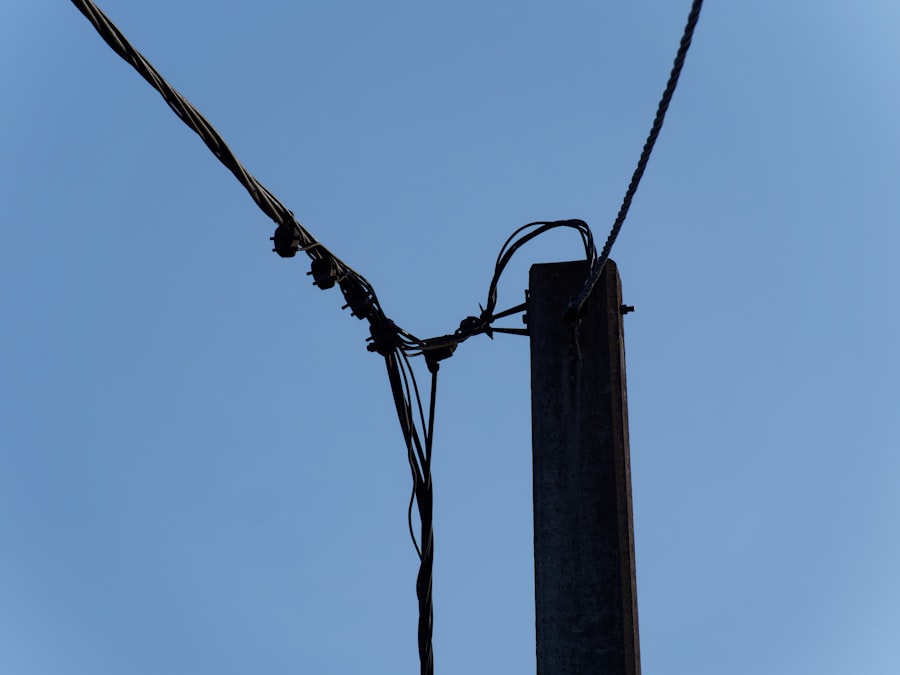
The term “secret cable tap” evokes images of covert operations and clandestine intelligence gathering. In the context of Russia’s Far Eastern communication network, this concept relates to the potential for the state to monitor and intercept communications flowing through its infrastructure.
The State’s Oversight Capabilities
Russia, like many nations, possesses advanced capabilities to monitor telecommunications. The control over critical infrastructure, including submarine and terrestrial cables, provides a significant advantage in this regard.
SORM (System for Operative Investigative Activities)
SORM is the legislative framework in Russia that mandates telecommunications providers to implement technical capabilities enabling security agencies to intercept communications. While primarily designed for domestic law enforcement within Russia, its principles can be extrapolated to the monitoring of data transiting through national infrastructure.
Key Features of SORM
- Mandatory Implementation: Telecommunication operators are legally obligated to install and maintain the necessary hardware and software for lawful interception.
- Direct Access: Security agencies are intended to have direct access to communications data, bypassing the need for physical access to user devices in many cases.
- Scope of Interception: SORM can, in principle, capture a wide range of communications, including voice calls, internet traffic, and messaging.
Interception Points and Technical Means
The physical landing points of submarine cables on the coast and key terrestrial switching centers are logical locations where interception capabilities could be integrated. The specific technical means employed by Russia remain largely classified, but it is reasonable to assume a multi-layered approach.
Potential Interception Technologies
- Passive Listening Devices: Sophisticated devices can be attached to cables or integrated into the network infrastructure to passively copy data streams without disrupting the flow.
- Active Interception: More advanced techniques might involve redirecting traffic or actively mirroring specific data packets for analysis.
- Data Analysis and AI: The sheer volume of data necessitates the use of advanced analytics and artificial intelligence to sift through intercepted communications and identify relevant information.
- Insider Threats: The possibility of individuals within the telecommunication companies facilitating unauthorized access cannot be discounted.
Strategic Information Gathering
The primary motivation behind such capabilities is strategic information gathering for national security, intelligence, and law enforcement purposes. This includes monitoring potential threats, tracking adversaries, and understanding regional dynamics.
Targets of Surveillance
- Foreign Military Communications: In a strategically sensitive region like the Far East, monitoring the communications of foreign military forces would be a high priority.
- Intelligence Agencies of Other Nations: Information gathered about the activities and intentions of foreign intelligence services operating in or around Russia’s sphere of influence is invaluable.
- Dissident Groups and Opposition Movements: Like in many authoritarian states, the monitoring of internal opposition is a common practice.
- Economic Espionage Targets: Russia may also be interested in gaining economic advantages through the monitoring of commercial communications.
Geopolitical Ramifications and International Concerns

The existence and utilization of a sophisticated communication network with the potential for state-sponsored surveillance carry significant geopolitical weight. This is particularly true in the context of Russia’s interactions with its neighbors and global powers.
Regional Power Dynamics
The Far East is a region of increasing geopolitical competition, with major powers like China, Japan, and the United States all having significant interests. Russia’s control over its communication infrastructure in this region allows it to maintain a degree of information dominance and exert influence.
The Arctic and Pacific Nexus
- Arctic Routes: As the Arctic opens up due to climate change, new submarine cable routes are being considered. Russia’s existing infrastructure in the Far East is strategically positioned to play a role in future Arctic communication networks.
- Pacific Power Balance: The continuous flow of information to and from Vladivostok, a key Pacific port, directly impacts Russia’s ability to project power and influence in the broader Indo-Pacific region.
Global Surveillance Debates
The concept of national governments having the ability to tap into global communication networks, especially those that carry international traffic, is a contentious issue. Russia’s actions in its own territory, when interconnected with global networks, inevitably draw international attention.
Espionage and Counter-Espionage
- Mutual Suspicion: The potential for Russia to conduct surveillance naturally leads to heightened suspicion among other nations, fostering a climate of counter-espionage efforts.
- Cybersecurity Concerns: The security of global underwater cables is a paramount concern for all nations, and allegations of state-sponsored tapping erode trust in the integrity of these vital digital pathways.
- International Law and Treaties: The legal framework surrounding state surveillance and the tapping of international communications remains a complex and evolving area of international law.
The Role of China
Russia’s increasingly close relationship with China adds another layer of complexity. The two nations share extensive borders and engage in significant economic and military cooperation. The interoperability and potential shared use or monitoring of communication infrastructure between them is a subject of international scrutiny.
Sino-Russian Communication Cooperation
- Joint Projects: There is potential for collaboration on future submarine cable projects, with both nations seeking to expand their digital connectivity and influence.
- Intelligence Sharing: The possibility of intelligence sharing, including from communications intercepts, between Russia and China is a significant concern for Western intelligence agencies.
The recent incident involving the Petropavlovsk to Vladivostok cable tap has raised significant concerns about cybersecurity and the vulnerability of critical infrastructure. This event highlights the growing importance of safeguarding communication networks against potential threats. For a deeper understanding of the implications of such incidents, you can read a related article that discusses the broader context of cybersecurity challenges in the region. Check it out here.
Future Trajectories and Technological Advancements
| Metric | Details |
|---|---|
| Incident | Petropavlovsk to Vladivostok Cable Tap |
| Date Discovered | 2023 |
| Location | Undersea cable between Petropavlovsk and Vladivostok, Russia |
| Type of Cable | Submarine fiber optic communication cable |
| Purpose of Cable | Telecommunications and internet data transmission |
| Nature of Tap | Unauthorized interception of data traffic |
| Suspected Perpetrators | Unknown (potential state or non-state actors) |
| Impact | Potential data breach, compromised communications security |
| Response Measures | Investigation, cable monitoring, increased security protocols |
| Length of Cable | Approximately 1,000 kilometers |
The landscape of communication infrastructure is in constant flux, driven by rapid technological advancements. Russia’s “secret cable tap” is unlikely to remain static and will evolve alongside these global trends.
The Next Generation of Cables
The development of new generations of submarine fiber-optic cables promises even greater bandwidth and faster transmission speeds. This will further enhance the importance of the Petropavlovsk-Vladivostok link and its vulnerabilities.
Enhanced Capacity and Speed
- Terabits per Second: Future cables will likely support speeds measured in terabits per second, transforming global data exchange.
- Increased Resilience: Innovations in cable design and laying techniques will aim to improve resilience against physical damage and environmental factors.
- Quantum Communication: While still in its nascent stages, the potential for quantum communication technologies could fundamentally alter the nature of secure data transmission in the long term.
The Evolving Nature of Surveillance
As communication technologies advance, so too do the methods of surveillance. The challenge for intelligence agencies will be to keep pace with encrypted communications and decentralized networks.
Encryption and Decryption Challenges
- End-to-End Encryption: The widespread adoption of end-to-end encryption by messaging apps and online services presents a significant challenge for interception.
- AI-Powered Analysis: The sophistication of AI in analyzing vast datasets will become even more critical for extracting meaningful intelligence from encrypted or obfuscated communications.
- The “Black Box” Problem: As networks become more complex and their functions more opaque, understanding precisely what data is flowing and how it can be intercepted becomes increasingly difficult.
The Strategic Importance of Connectivity
The strategic importance of robust and controlled communication networks in the Far East will likely only increase. As Russia seeks to assert its influence and secure its vast territory, its digital infrastructure will remain a critical component of its national power. The Petropavlovsk to Vladivostok connection, a vital conduit of information, will continue to be a focal point of both national strategy and international intrigue. The question of who controls the flow of information, and for what purpose, remains a central theme in the geopolitical theater of the Russian Far East.
FAQs
What is the Petropavlovsk to Vladivostok cable tap?
The Petropavlovsk to Vladivostok cable tap refers to an incident or operation involving the interception or unauthorized access to a communication cable connecting the cities of Petropavlovsk and Vladivostok in Russia.
Where are Petropavlovsk and Vladivostok located?
Petropavlovsk and Vladivostok are cities in the Russian Far East. Petropavlovsk-Kamchatsky is located on the Kamchatka Peninsula, while Vladivostok is a major port city near the borders with China and North Korea.
What type of cable is involved in the Petropavlovsk to Vladivostok cable tap?
The cable involved is typically a submarine or terrestrial fiber-optic communication cable that carries internet, telephone, and data traffic between the two cities.
Why is the cable tap significant?
Cable taps are significant because they can compromise the security and privacy of communications, potentially allowing unauthorized parties to monitor or intercept sensitive information transmitted between the connected locations.
What measures are taken to protect communication cables like the one between Petropavlovsk and Vladivostok?
Protection measures include physical security, encryption of data transmitted over the cables, regular monitoring for tampering, and legal regulations to prevent unauthorized access or interception of communication infrastructure.