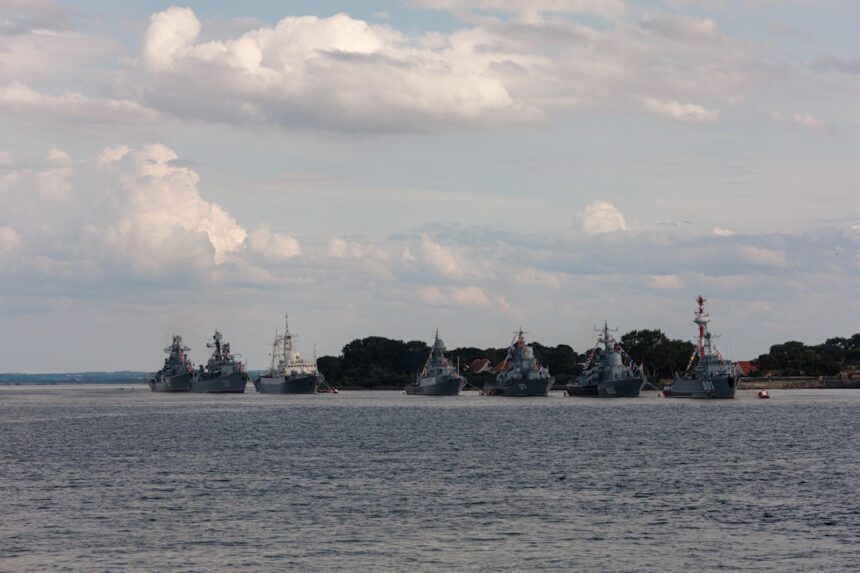
Naval operations, by their very nature, are complex and dynamic. The vast expanse of the ocean, the inherent unpredictability of weather, and the strategic demands of modern warfare necessitate a level of coordination and information flow that is nothing short of extraordinary. At the heart of this intricate ballet of vessels and aircraft lies naval communication: the indispensable nervous system that transmits orders, intelligence, and status updates, ensuring that the entire force acts as a cohesive unit. However, the consistent and reliable functioning of this communication network, often termed operational predictability, is a constant pursuit, a critical factor that can mean the difference between mission success and failure. This article explores the multifaceted strategies and technological advancements aimed at enhancing operational predictability in naval communications.
To enhance predictability, one must first possess a deep understanding of the environment in which naval communications operate. This involves a critical assessment of the existing infrastructure, the inherent vulnerabilities, and the evolving threat landscape. Imagine a ship at sea; its communication systems are its lifeline, but this lifeline is exposed to a myriad of environmental and adversarial stresses. Understanding these stresses is the first step in reinforcing that lifeline and making its function more dependable.
The Electromagnetic Spectrum: A Crowded and Contested Domain
The electromagnetic spectrum, a vast ocean of invisible waves, is the medium through which naval communications travel. This spectrum is not an empty void; it is a highly contested and increasingly crowded domain. From commercial broadcasting and civilian aviation to military satellite uplinks and radar systems, countless users vie for bandwidth. Moreover, adversaries actively seek to disrupt, jam, or exploit these transmissions, turning the electromagnetic spectrum into a battlefield in itself. The predictability of naval communication hinges on mastering this domain, ensuring that vital messages can cut through the noise and interference.
The Evolving Threat Landscape: From Jamming to Cyber-Attacks
The threats to naval communication have evolved beyond simple jamming. Modern adversaries employ sophisticated techniques, including spoofing, denial-of-service attacks, and advanced cyber warfare capabilities. These threats are not static; they adapt and improve, mirroring the advancements in communication technology itself. Understanding the evolving threat landscape is akin to anticipating a storm’s path; foresight allows for proactive mitigation and the development of resilient communication strategies. The predictability of communication relies on building defenses that can weather these evolving storms.
Environmental Factors: The Unseen Adversaries
Beyond man-made threats, the natural environment presents its own set of challenges. Ionospheric disturbances can refract or absorb radio waves, impacting long-range communication. Storms can disrupt satellite signals, and the very curvature of the Earth limits line-of-sight radio communication. These environmental factors, though not malicious, are powerful forces that can degrade communication performance. Acknowledging and mitigating the impact of these unseen adversaries is crucial for maintaining operational predictability.
Operational predictability in naval communications is crucial for ensuring effective mission planning and execution. A related article that delves deeper into this topic can be found at In the War Room, where it discusses the challenges and advancements in naval communication systems that enhance situational awareness and decision-making processes. This resource provides valuable insights into how improved predictability can lead to more successful naval operations.
Enhancing Network Resilience: Building Robust Communication Infrastructure
Resilience is the bedrock of predictability. A communication network that can withstand disruptions and continue to function, even under duress, is inherently more predictable. This involves investing in redundant systems, employing adaptive technologies, and developing robust fallback mechanisms. A resilient network is like a ship with multiple watertight compartments; if one section is compromised, the entire vessel does not sink.
Redundancy and Diversity: No Single Point of Failure
A fundamental principle for enhancing resilience is the implementation of redundancy and diversity in communication systems. This means having multiple independent communication paths and technologies to transmit the same information. For instance, utilizing both satellite communication and secure high-frequency radio, alongside tactical data links, ensures that if one mode of communication is degraded, others can take over. This layered approach minimizes the risk of a single point of failure, a common Achilles’ heel in less robust systems.
Adaptive Waveforms and Frequency Hopping: Dancing Through Interference
Modern naval communication employs adaptive waveforms and frequency hopping techniques to overcome interference and jamming. Adaptive waveforms can adjust their parameters in real-time based on the prevailing electromagnetic conditions, optimizing signal reception. Frequency hopping, on the other hand, rapidly switches communication frequencies in a pseudo-random manner, making it incredibly difficult for adversaries to jam the signal effectively. This is akin to a nimble dancer weaving through a crowded ballroom, constantly changing steps to avoid collisions.
Spectrum Management and Sharing: Efficiently Utilizing the Airwaves
Effective spectrum management is critical for maximizing the utility of available radio frequencies and ensuring interoperability. This involves sophisticated tools and protocols for allocating bandwidth, identifying and mitigating interference, and even sharing frequencies with other entities where appropriate. Efficient spectrum utilization ensures that naval forces can communicate reliably without encroaching on vital civilian services or leaving themselves vulnerable due to a lack of available channels.
Improving Situational Awareness: Knowing the Communication Environment
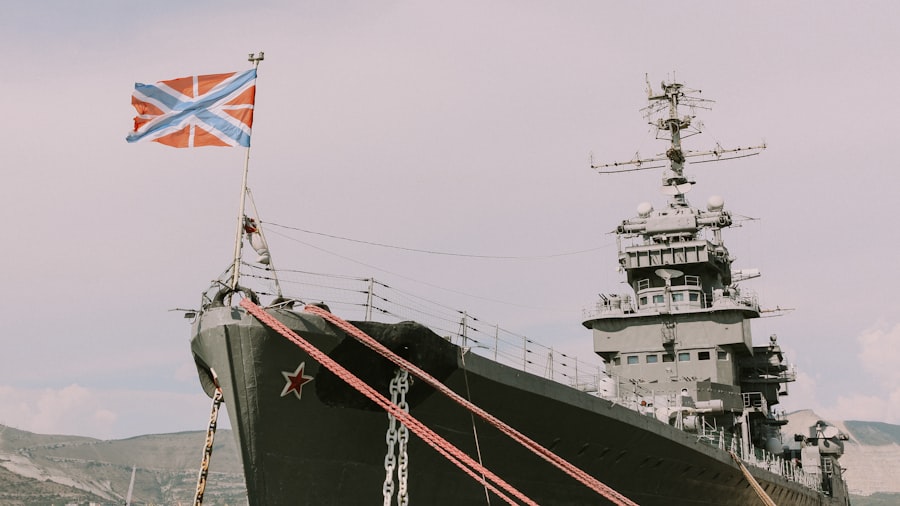
Predictability is also deeply intertwined with situational awareness – understanding the current state and potential future states of the communication environment. This involves real-time monitoring of network performance, threat detection, and accurate forecasting of environmental conditions. A commander who understands the health and vulnerabilities of their communication network is better equipped to make informed decisions.
Real-Time Network Monitoring and Performance Analysis
Comprehensive real-time monitoring of communication network performance is essential. This involves tracking signal strength, data throughput, latency, and error rates across all communication nodes. Advanced analytics can then identify anomalies indicative of jamming, equipment malfunction, or impending congestion. This constant vigilance allows for proactive intervention before a minor issue escalates into a mission-critical failure.
Integrated Threat Detection and Warning Systems
The integration of threat detection and warning systems is paramount. These systems analyze signals for known jamming patterns, sophisticated spoofing attempts, and other adversarial activities. When a threat is detected, immediate alerts are issued to relevant personnel, allowing for rapid response and the implementation of countermeasures. This proactive approach to threat identification transforms potential communication disruptions into manageable challenges.
Predictive Modeling for Electromagnetic and Environmental Conditions
Predictive modeling, utilizing historical data and real-time sensor inputs from satellites and ground stations, can forecast ionospheric conditions, weather patterns, and even potential adversaries’ electronic warfare deployment. This foresight allows naval forces to pre-emptively adjust communication strategies, optimize antenna configurations, or reroute traffic to avoid predicted disruptions. It is like having a weather forecast for the electromagnetic spectrum.
Enhancing Command and Control (C2) Integration: Seamless Information Flow
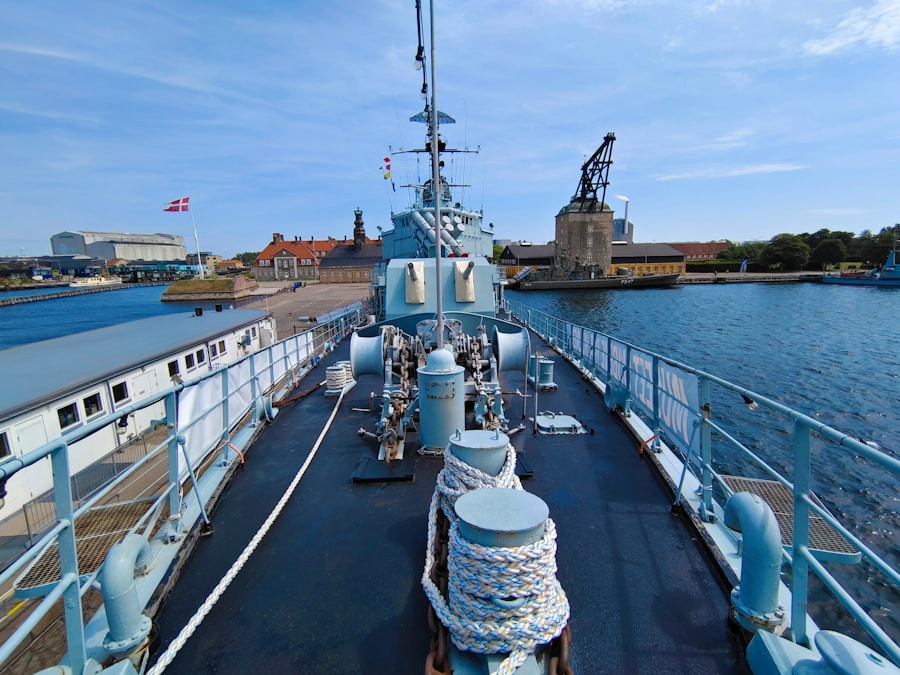
Naval communication is not an end in itself; it is a means to enable effective command and control. The predictability of communication directly impacts the predictability of C2 operations, ensuring that orders are received, understood, and acted upon in a timely and accurate manner. Seamless integration between communication systems and C2 platforms is therefore a critical objective.
Interoperability Standards and Protocols: Speaking the Same Language
For communication to be predictable across different platforms, units, and even allied forces, interoperability is key. This is achieved through adherence to standardized communication protocols and formats. When all systems can “speak the same language,” information flows freely and reliably, eliminating the friction and potential for misinterpretation that can arise from incompatible systems. Without interoperability, a force can be like a group of people speaking different dialects, unable to understand each other’s vital messages.
Secure and Encrypted Communications: Protecting Sensitive Information
In the realm of naval operations, the confidentiality and integrity of communications are paramount. Secure and encrypted communication channels are essential to prevent adversaries from intercepting, altering, or exploiting sensitive intelligence, orders, and operational plans. Robust encryption algorithms act as a fortified vault for vital data, ensuring that only authorized recipients can access its contents. The predictability of operations depends on the assurance that information remains secure.
User Interface Design and Training: Empowering the Human Element
Even the most sophisticated communication systems are only as effective as the humans who operate them. Intuitive user interface design and comprehensive training are critical for ensuring that naval personnel can operate these systems efficiently and reliably under pressure. A complex system with a confusing interface can become a bottleneck, introducing unpredictability and errors. Well-trained operators, on the other hand, become extensions of the communication network, able to adapt and troubleshoot effectively.
In the realm of naval communications, operational predictability plays a crucial role in ensuring mission success and enhancing situational awareness. A recent article discusses the importance of improving communication systems to achieve better predictability in naval operations. For those interested in exploring this topic further, you can read the insightful piece on naval comms and their impact on operational effectiveness. By understanding the challenges and advancements in this field, naval forces can better prepare for the complexities of modern warfare.
The Human Factor and Future Trends: Adapting to Evolving Needs
| Metric | Description | Unit | Typical Value | Importance to Operational Predictability |
|---|---|---|---|---|
| Signal Latency | Time delay between sending and receiving a message | Milliseconds (ms) | 50-200 ms | Low latency ensures timely communication and decision-making |
| Packet Loss Rate | Percentage of data packets lost during transmission | Percentage (%) | 0.1% – 1% | Lower packet loss improves message integrity and reliability |
| Signal-to-Noise Ratio (SNR) | Ratio of signal power to background noise power | Decibels (dB) | 20-30 dB | Higher SNR improves clarity and reduces errors |
| Communication Availability | Percentage of time communication systems are operational | Percentage (%) | 99.5%+ | High availability ensures continuous operational communication |
| Bandwidth Utilization | Percentage of communication channel capacity used | Percentage (%) | 60-80% | Optimal utilization prevents congestion and delays |
| Error Rate | Frequency of errors in transmitted data | Errors per 10,000 bits | Less than 1 | Low error rate ensures message accuracy and predictability |
| Jitter | Variation in packet arrival time | Milliseconds (ms) | 5-30 ms | Low jitter maintains smooth and predictable communication flow |
While technology plays a crucial role, the human element remains at the core of naval communication. Furthermore, the future of naval operations will undoubtedly bring new challenges and opportunities for communication. Embracing these evolving needs is essential for maintaining long-term predictability.
Cognitive Load Management for Operators
The increasing complexity of communication systems can lead to high cognitive load for operators, potentially impacting their performance and decision-making. Strategies to manage this cognitive load, such as intelligent automation and simplified interfaces, are becoming increasingly important. Reducing the mental burden on operators allows them to focus on the critical task of communication and situational awareness, thereby enhancing predictability.
The Role of Artificial Intelligence (AI) and Machine Learning (ML)
Artificial intelligence and machine learning are poised to revolutionize naval communications. AI can be used to optimize spectrum allocation, detect sophisticated threats, predict communication failures, and even assist operators in making real-time decisions. ML algorithms can learn from vast datasets of communication traffic and performance, enabling them to anticipate and adapt to future challenges. These technologies are like skilled navigators, charting a course through the ever-changing seas of information.
Quantum Communications and Future Resilience
Looking further ahead, quantum communication technologies offer the potential for unbreakable encryption and highly secure communication channels. While still in their nascent stages, these technologies represent a paradigm shift in communication security and resilience, promising an unprecedented level of predictability in an increasingly uncertain future. The exploration and integration of such nascent technologies are vital for maintaining a strategic advantage and ensuring the long-term viability of naval communication.
In conclusion, enhancing operational predictability in naval communications is not a single solution but a continuous process of innovation, adaptation, and strategic investment. By understanding the intricacies of the communication landscape, building resilient networks, improving situational awareness, seamless C2 integration, and embracing the human factor alongside emerging technologies, naval forces can forge a communication infrastructure that is not only robust and reliable but also predictable, ensuring their effectiveness in the dynamic and complex operating environments of today and tomorrow.
FAQs
What is operational predictability in naval communications?
Operational predictability in naval communications refers to the ability to anticipate and reliably manage communication patterns, protocols, and behaviors within naval operations to ensure seamless and secure information exchange.
Why is operational predictability important in naval communications?
Operational predictability is crucial because it enhances coordination, reduces the risk of miscommunication, and improves the efficiency and security of naval missions by ensuring that communication systems behave as expected under various operational conditions.
What factors influence operational predictability in naval communications?
Factors include the consistency of communication protocols, the reliability of hardware and software systems, environmental conditions, the training and discipline of personnel, and the integration of advanced technologies such as encryption and automated signal processing.
How is operational predictability achieved in naval communication systems?
It is achieved through standardized communication procedures, rigorous testing and validation of systems, continuous monitoring and maintenance, use of secure and resilient technologies, and comprehensive training programs for naval personnel.
What challenges affect operational predictability in naval communications?
Challenges include electronic warfare threats, signal interference, hardware malfunctions, unpredictable environmental factors like weather or sea conditions, and the complexity of coordinating multiple communication platforms across diverse naval units.