
The theft of naval codes represents a critical breach of security, a cascading failure that can ripple outwards with devastating consequences. This article will explore the multifaceted nature of such incidents, examining the methods employed by adversaries, the vulnerabilities that permit such breaches, and the profound implications for national security, maritime operations, and international relations. Understanding this threat is not merely an academic exercise; it is a vital imperative for anyone invested in the stability and security of the global maritime domain.
Naval codes are the silent language of the sea, the intricate ciphers and keys that allow naval forces to communicate securely, coordinate operations, and transmit sensitive intelligence. They are the unseen threads that bind a fleet together, ensuring that orders are understood, movements are synchronized, and critical data remains confidential. Their significance cannot be overstated; they are the backbone of modern naval warfare and operations.
What Constitutes Naval Codes?
Naval codes encompass a broad spectrum of cryptographic and communication security measures.
Cryptographic Keys
At the most fundamental level, these are the secret algorithms and numerical sequences used to encrypt and decrypt messages. The strength and modernity of these keys directly dictate the security of communications.
Communication Protocols
These are the established procedures and formats governing how information is transmitted between naval assets. A breach in protocol can reveal vulnerabilities even if the underlying encryption remains robust.
Operational Plans and Strategies
While not strictly “codes” in a cryptographic sense, the dissemination and protection of operational plans are as vital as code security. Unauthorized access to these documents can be equally catastrophic.
Intelligence Data and Sensor Information
The transmission of real-time intelligence, including radar readings, sonar data, and electronic warfare intercepts, relies heavily on secure coding to prevent adversaries from exploiting this knowledge.
The Critical Role of Code Security
The integrity of naval codes is paramount for several interconnected reasons, forming a complex ecosystem of defense.
Maintaining Operational Secrecy
The ability to conduct operations without the enemy knowing your intentions, positions, or strengths is a fundamental advantage. Leaked codes can strip away this veil of secrecy, turning a well-planned maneuver into a predictable disaster.
Ensuring Command and Control
Effective command and control (C2) are vital for any military operation. If communication channels are compromised by code theft, the chain of command can be broken, leading to fractured operations and potential chaos.
Protecting Sensitive Intelligence
Naval forces collect vast amounts of intelligence. The compromise of the codes used to transmit or store this data can expose critical intelligence assets, sources, and methods to adversaries.
Preventing Misinformation and Deception
Adversaries might use stolen codes to inject false information into naval communication networks, creating confusion and leading naval forces into traps.
The theft of naval codes has been a significant concern for military security, as highlighted in a related article discussing the implications of such breaches on national defense strategies. This article delves into the methods used by adversaries to infiltrate secure communication channels and the potential consequences for naval operations. For more insights on this topic, you can read the full article at In The War Room.
Methods of Code Theft: The Adversary’s Toolkit
The methods employed by state and non-state actors to acquire naval codes are as diverse as they are insidious. Adversaries are constantly innovating, seeking to exploit the human element, technological vulnerabilities, and the sheer complexity of modern naval systems. A breach is rarely a single event but often a culmination of sustained effort.
Espionage and Human Intelligence
The classic espionage playbook remains disturbingly effective, targeting the human element within naval command structures.
Insider Threats
Individuals with authorized access, driven by ideology, financial gain, or coercion, can become conduits for stolen information. A single disaffected individual can be the weak link that unknots an entire security system.
Recruitment and Manipulation
Adversaries may identify and groom individuals within naval organizations, slowly cultivating relationships and eventually extracting sensitive information. This is a patient game, a slow burn of calculated infiltration.
Coercion and Blackmail
Individuals under duress, facing threats to themselves or their families, can be compelled to betray their nation and compromise naval codes.
Cyber Intrusion and Digital Warfare
The digital realm offers a vast landscape for adversaries to exploit, utilizing sophisticated cyberattack vectors.
Phishing and Social Engineering
Tricking personnel into revealing credentials or downloading malicious software is a common entry point into secure networks, opening the digital door.
Malware and Spyware Deployment
Once a foothold is established, malware can be deployed to silently exfiltrate data, including cryptographic keys and communications logs. This is akin to an invisible poison seeping into the system.
Exploitation of Software Vulnerabilities
Unpatched software, misconfigured systems, and zero-day exploits provide attackers with pathways into naval networks. The digital frontier is littered with potential landmines.
Advanced Persistent Threats (APTs)
These are long-term, sophisticated attacks designed to remain undetected for extended periods, slowly gathering intelligence and compromising systems. They are the ghosts in the machine, operating in the shadows.
Physical Infiltration and Material Acquisition
While cyberspace is a primary battleground, traditional methods of physical infiltration and asset seizure are not obsolete.
Direct Theft of Devices
Stealing laptops, smartphones, encrypted drives, or communication equipment that contains or can access naval codes is a direct, albeit often risky, approach.
Interception of Physical Media
The interception of data stored on physical media, such as hard drives or USB drives, during transit or at storage facilities, can yield valuable intelligence.
Compromise of Supply Chains
Targeting the manufacturers or suppliers of naval technology can provide adversaries with backdoors or pre-compromised components, embedding vulnerabilities before the system is even deployed.
Vulnerabilities Leading to Code Breaches: Cracks in the Armor

The most sophisticated codes and security protocols can be rendered obsolete by underlying vulnerabilities, often stemming from systemic oversights, technical limitations, or human fallibility. These vulnerabilities are the Achilles’ heels that adversaries relentlessly probe.
Technological Deficiencies and Outdated Systems
The relentless march of technology often leaves older systems struggling to keep pace, creating inherent weaknesses.
Legacy Systems
Naval forces may operate systems that are decades old, utilizing cryptographic algorithms or communication protocols that have long been broken or are susceptible to modern computational power. This is like defending a castle with medieval walls against modern artillery.
Interoperability Challenges
Integrating new technologies with existing legacy systems can create complex vulnerabilities and necessitate compromises in security standards. The desire for seamless connection can inadvertently create chokepoints.
Insufficient Cryptographic Strength
The use of encryption that is not sufficiently robust for the current threat landscape can lead to easy decryption by adversaries. The perceived strength of a lock does not guarantee its security against a determined locksmith.
Human Factors and Procedural Lapses
Even the most advanced technological defenses can be undermined by human error or negligence.
Lack of Training and Awareness
Personnel may not be adequately trained in security protocols, leading to unintentional errors that compromise code security. A soldier unaware of the danger is a soldier easily exploited.
Complacency and Routine
Over time, personnel can become complacent, neglecting security protocols due to familiarity or a perceived lack of threat. The guard who stops watching the gate opens it to intruders.
Inadequate Security Clearances and Access Control
Granting access to sensitive information to individuals who do not require it, or failing to revoke access when necessary, creates significant risks. The keys to the kingdom should only be held by those who need them.
Interconnectedness and Network Complexity
Modern naval operations rely on intricate networks, and the interconnectedness, while efficient, can also be a vector for compromise.
Weaknesses in Network Segmentation
Lack of proper segmentation within naval networks can allow an intrusion into one system to spread rapidly to others. A single spark can ignite a forest if there are no firebreaks.
Third-Party Access and Vendor Risks
Granting access to external vendors or contractors for system maintenance or support can introduce vulnerabilities if those parties have inadequate security themselves. Entrusting a sensitive task to someone with a shaky foundation is risky.
Vulnerabilities in Communication Hardware and Software
The components used in communication systems, from microchips to software, can have inherent vulnerabilities that are exploited by adversaries. Even the smallest cog can cause the entire machine to seize.
Consequences of Naval Code Theft: A Chain Reaction of Damage
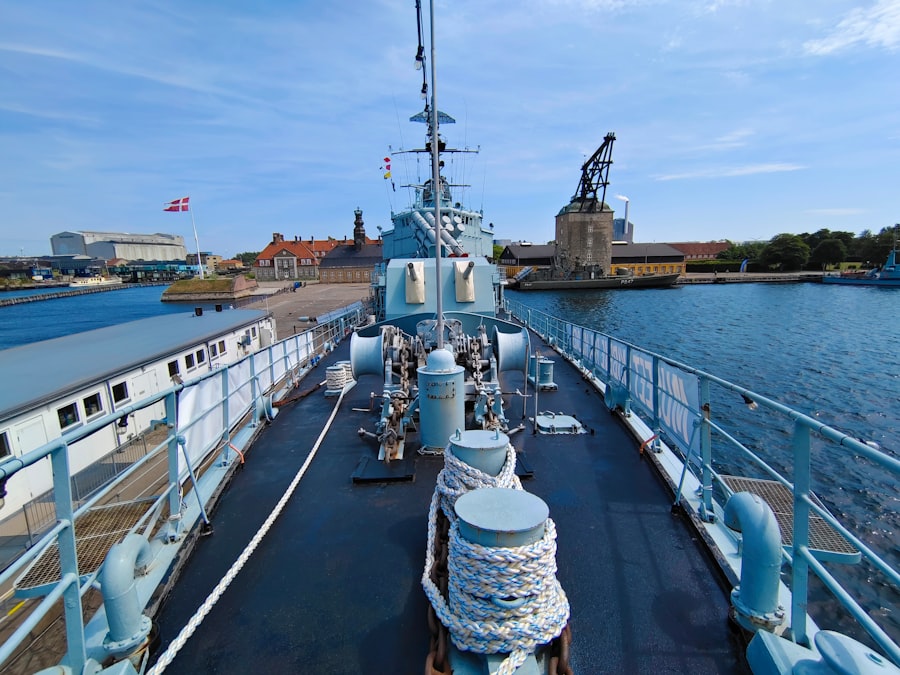
The ramifications of naval code theft extend far beyond an immediate operational setback, potentially triggering a cascade of detrimental effects on national security, military effectiveness, and international stability.
Operational Disruption and Military Disadvantage
The most immediate impact is felt on the battlefield, where compromised codes can lead to catastrophic operational failures.
Compromised Fleet Movements and Positions
Adversaries, armed with knowledge of fleet movements and positions, can ambush, intercept, or outmaneuver naval forces, turning advantage into vulnerability. The element of surprise becomes a double-edged sword.
Failure to Coordinate Operations
Loss of secure communication can prevent the synchronized execution of complex naval operations, leading to disarray and missed opportunities. The orchestra plays out of tune when the conductor’s signals are lost.
Inability to Receive or Transmit Orders
Critical orders or intelligence updates may not reach their intended recipients, rendering forces ineffective or leading them into danger. The message never arrives, leaving the recipient adrift.
Intelligence Failures and Strategic Setbacks
Beyond tactical disruptions, code theft can lead to profound intelligence failures and long-term strategic disadvantages.
Compromise of Sensitive Intelligence Sources and Methods
The methods used to gather intelligence can be exposed, leading to the loss of valuable sources and a significant reduction in future intelligence-gathering capabilities. The wellspring of information can be poisoned.
Foreknowledge of Strategic Objectives
Adversaries gaining insight into future naval deployments or strategic objectives can prepare countermeasures, negating planned operations and shifting the strategic balance. The chessboard is revealed to the opponent before the first move.
Erosion of Trust in Communication Systems
A confirmed breach can erode confidence in the security of naval communication systems among allies and partner nations, hindering joint operations and intelligence sharing. The foundation of trust can crumble.
Political and Diplomatic Repercussions
The impact of such breaches often transcends military concerns, reverberating through the political and diplomatic arenas.
International Condemnation and Sanctions
A significant breach of naval codes by a state actor can lead to international condemnation, diplomatic isolation, and the imposition of economic sanctions. The global community reacts to such egregious violations of security.
Escalation of Tensions and Potential Conflict
The discovery of espionage and code theft can significantly escalate regional or international tensions, potentially pushing nations closer to outright conflict. The embers of mistrust can ignite a conflagration.
Damage to National Reputation and Credibility
A nation’s reputation for security and trustworthiness can be severely damaged, impacting its standing on the global stage and its ability to forge alliances. The shield of credibility can be dented.
The theft of naval codes has been a significant concern for military security, as highlighted in a recent article that delves into the methods used by adversaries to gain access to sensitive information. This incident underscores the importance of safeguarding classified materials and the potential consequences of their exposure. For more insights on this topic, you can read the full article here. The implications of such breaches not only affect national security but also raise questions about the effectiveness of current protective measures in place.
Countermeasures and Future Security: Fortifying the Digital and Physical Walls
| Incident | Year | Method of Theft | Type of Naval Codes Stolen | Impact | Response |
|---|---|---|---|---|---|
| Walker Spy Ring | 1980s | Insider espionage by Navy officer | Cryptographic keys and naval communication codes | Compromised US naval communications security | Increased counterintelligence measures and code upgrades |
| Chinese Cyber Espionage | 2010s | Cyber hacking and network infiltration | Encrypted naval operational codes and tactical data | Potential exposure of naval strategies and movements | Enhanced cybersecurity protocols and system hardening |
| John Anthony Walker Jr. | 1985 | Passing codes to Soviet Union | Naval cipher keys and communication codes | Severe breach of US naval intelligence | Revamped encryption systems and personnel vetting |
| Operation Ivy Bells | 1970s | Undersea wiretapping by Soviet agents | Naval communication cables and codes | Long-term intelligence advantage to Soviets | Improved physical security of communication lines |
Addressing the threat of naval code theft requires a comprehensive and evolving approach, integrating technological advancements with robust human security protocols and proactive threat mitigation strategies. The fight for security is an ongoing battle, not a single victory.
Enhancing Cryptographic Technologies and Protocols
The continuous advancement of encryption is a cornerstone of modern defense.
Quantum-Resistant Cryptography
Developing and implementing cryptographic algorithms that are impervious to the computational power of future quantum computers is a critical long-term goal. Preparing for the next wave of computational power is essential.
Modernization of Encryption Standards
Regularly updating and replacing outdated encryption algorithms with state-of-the-art methods to maintain a cutting edge against evolving decryption capabilities. The lock must be re-keyed as the tools to pick it improve.
Stronger Authentication and Access Management
Implementing multi-factor authentication, stricter access controls, and continuous monitoring of user activity to prevent unauthorized access. The gatekeepers must be vigilant and discerning.
Strengthening Human Security and Personnel Vetting
The human element remains a prime target, necessitating rigorous security measures.
Enhanced Insider Threat Programs
Developing sophisticated programs to identify, monitor, and mitigate insider threats through behavioral analysis and proactive intelligence gathering. Watching the watchers and the watched.
Comprehensive Security Awareness Training
Providing continuous and engaging training for all personnel on security best practices, recognizing phishing attempts, and understanding the ramifications of security breaches. Ignorance is a vulnerability.
Rigorous Personnel Screening and Vetting
Implementing thorough background checks, psychological evaluations, and periodic re-vetting of personnel in sensitive positions. Trust, but verify.
Cyber Resiliency and Network Defense
Building robust cyber defenses is paramount in an increasingly digital world.
Advanced Threat Detection and Response Systems
Deploying sophisticated intrusion detection and prevention systems, coupled with rapid response capabilities to neutralize threats effectively. A swift and decisive defense is crucial.
Network Segmentation and Micro-segmentation
Implementing strict network segmentation to contain potential breaches and limit lateral movement within naval networks. Creating firewalls within firewalls.
Regular Security Audits and Penetration Testing
Conducting frequent security audits and red team exercises to identify and address vulnerabilities before they can be exploited by adversaries. Proactive probing to uncover weaknesses.
International Cooperation and Information Sharing
Collaboration with allies and partners is crucial in combating a global threat.
Joint Intelligence Sharing Initiatives
Establishing secure channels for sharing threat intelligence and best practices with allied and partner nations to build a collective defense. A united front is a stronger defense.
Harmonization of Security Standards
Working towards common security standards and protocols across allied naval forces to improve interoperability and reduce vulnerabilities in joint operations. Speaking a common language of security.
Collaborative Cybersecurity Exercises
Engaging in joint cybersecurity exercises with allies to test defenses, refine response strategies, and build trust in shared security architectures. Practicing the dance of defense together.
The theft of naval codes is not a singular event but a persistent threat that demands constant vigilance, adaptation, and investment. The battle for maritime security is waged not only with ships and weapons but also with the integrity of information and the security of communication. As technology evolves and adversaries innovate, the defenses must evolve in kind, ensuring that the silent language of the sea remains a bastion of security, not a conduit for disaster.
FAQs
What are naval codes and why are they important?
Naval codes are encrypted communication systems used by naval forces to securely transmit sensitive information. They are important because they protect strategic and tactical data from being intercepted and understood by adversaries, ensuring operational security.
How were naval codes typically stolen historically?
Historically, naval codes were stolen through espionage, interception of communications, codebreaking efforts, and sometimes by capturing codebooks or cipher machines during military operations or covert missions.
What impact did the theft of naval codes have on military operations?
The theft of naval codes often gave adversaries critical intelligence, allowing them to anticipate naval movements, plan counterattacks, and gain strategic advantages, which could alter the outcomes of battles or entire campaigns.
Can you give an example of a famous incident involving stolen naval codes?
One famous example is the breaking of the Japanese naval code by Allied cryptanalysts during World War II, which played a crucial role in the victory at the Battle of Midway by allowing the U.S. Navy to anticipate Japanese plans.
What measures have navies taken to protect their codes from being stolen?
Navies have implemented advanced encryption technologies, regularly changed codes and ciphers, used secure communication channels, conducted counterintelligence operations, and trained personnel in strict security protocols to prevent code theft.