The SOSUS Detection Network: Cold War Surveillance
The Cold War, a period of geopolitical tension and ideological rivalry between the United States and the Soviet Union, was characterized by a constant undercurrent of fear and suspicion. Each superpower sought to gain an advantage over the other, not just on the battlefield or in the halls of diplomacy, but also from the silent depths of the ocean. In this clandestine struggle, a remarkable and largely secret technology emerged: the Sound Surveillance System, or SOSUS. This article will delve into the history, capabilities, and significance of the SOSUS Detection Network, unveiling how it served as one of the United States’ most crucial, albeit hidden, intelligence-gathering tools throughout the Cold War.
The development of SOSUS was not a sudden eureka moment, but rather a gradual evolution driven by necessity and a growing understanding of acoustics. The Second World War laid the groundwork for much of the sonar technology that would later be refined and deployed in the Cold War. However, the specific challenges of tracking the nascent Soviet submarine fleet, which was rapidly expanding and posing an increasing threat, necessitated a new approach.
The Underwater Threat Emerges
As the Soviet Union began to build a substantial submarine force after World War II, American naval planners recognized a new and formidable challenge. The vastness of the oceans offered submarines an almost unparalleled advantage – the ability to hide in plain sight. Traditional methods of detection, while improving, struggled to provide consistent oversight in such an expansive and three-dimensional environment. The perceived vulnerability of American naval assets, particularly its carrier strike groups, to submerged missile-armed submarines fueled a sense of urgency.
Early Acoustic Insights
The fundamental principle behind SOSUS is the detection and analysis of sound waves traveling through water. For centuries, mariners understood that sound traveled underwater, but it was the advent of World War II sonar technology that truly began to harness this phenomenon for military purposes. Early sonar systems, using active pinging to detect objects, were often detectable themselves, compromising the stealth of the user. The concept of passive sonar – listening for sounds rather than emitting them – offered a pathway to greater stealth and longer detection ranges.
The “Silent Service” and its Countermeasures
The submarine, affectionately dubbed the “Silent Service” by the US Navy, was by its very nature designed for stealth. However, no submarine is truly silent. The operational sounds of a submarine – the hum of its engines, the cavitation generated by its propellers, the ping of its own rudimentary sonar, and even the movement of its crew – create a unique acoustic signature. The challenge was to pick out these faint whispers from the cacophony of the ocean.
The Accidental Discovery and its Implications
A pivotal moment in the development of SOSUS, and indeed in the understanding of long-range underwater sound propagation, came from unexpected sources. Research into underwater explosions during the war, particularly those conducted by the U.S. Navy, revealed that sound waves could travel for thousands of miles in the ocean under certain conditions. This phenomenon, known as the SOund Fixing and Ranging (SOFAR) channel, or the deep sound channel, acted like an acoustic highway. It was within this channel that SOSUS would eventually find its most effective deployment. The idea emerged: if we can hear distant explosions, could we also listen for the far-off hum of an enemy submarine?
The SOSUS (Sound Surveillance System) detection network played a crucial role during the Cold War, providing the United States with vital underwater surveillance capabilities to monitor Soviet submarine activity. For a deeper understanding of the strategic implications and technological advancements of SOSUS during this period, you can read a related article on this topic at In the War Room. This resource offers insights into how SOSUS shaped naval warfare and intelligence gathering during one of history’s most tense geopolitical standoffs.
The Architecture of Secrecy: How SOSUS Worked
SOSUS was not a single monolithic system, but rather a vast, interconnected network spread across the globe. Its ingenious design leveraged the physics of sound propagation in the ocean to create an unblinking, albeit unseen, eye and ear beneath the waves. The network’s effectiveness stemmed from its strategic placement, sensitive hydrophones, and sophisticated analysis capabilities.
Hydrophones: The Ears of the Deep
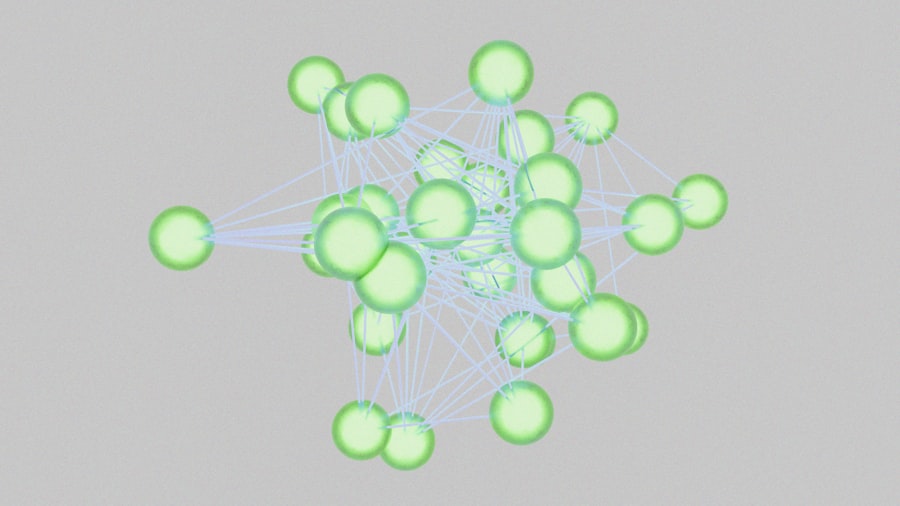
At the heart of SOSUS were thousands of hydrophones – underwater microphones. These devices were specifically designed to be incredibly sensitive, capable of detecting the faintest acoustic signals from great distances. They were often deployed in arrays, meaning multiple hydrophones were placed together. This arrangement allowed for triangulation – determining the location of a sound source by comparing the arrival times of the sound at different hydrophones. The hydrophones were hardy, designed to withstand the immense pressures of the deep ocean and the corrosive effects of saltwater. They were typically anchored to the seafloor or suspended at specific depths within the SOFAR channel.
Strategic Placement: Listening Posts in the Abyss
The placement of SOSUS arrays was critical. They were strategically positioned in key oceanic choke points and along probable submarine transit routes. This included areas like the Greenland-Iceland-United Kingdom (GIUK) gap, a crucial strait connecting the North Atlantic to the Arctic Ocean, and along the coastlines of continents. These locations were chosen because they offered the best chance of intercepting Soviet submarines as they sailed from their bases. Imagine these arrays as vast, invisible nets cast across the ocean’s deepest channels.
The SOFAR Channel: The Acoustic Superhighway
The SOFAR channel plays a vital role in the understanding of SOSUS. This layer of the ocean, typically found between depths of about 700 to 1,500 meters, is characterized by a minimum sound velocity. Sound waves traveling within this channel become refracted, or bent, back towards the center of the channel. This effect creates a phenomenon where sound can travel hundreds, even thousands, of miles with minimal loss of energy. SOSUS hydrophones were often positioned within or below this channel to maximize their listening range. It was like having an auditory eavesdropping post that could hear whispers from across continents, carried on the currents of the deep.
Data Transmission and Analysis: Making Sense of the Murmur
Once the hydrophones detected sounds, the raw data had to be transmitted to shore-based facilities for processing and analysis. This transmission was a significant technical challenge, as laying cables across the vast ocean floor was a complex and expensive undertaking. However, the strategic importance of SOSUS justified the investment. The data was then fed into sophisticated computer systems that were cutting-edge for their time. Analysts, often referred to as “linguists of the ocean,” would pore over the acoustic signatures, identifying the distinct sounds of different submarine classes, their operational modes, and their direction of travel. The difference between the whine of a Soviet Delta-class submarine and the growl of an American Los Angeles-class submarine was, to these trained ears, as distinct as human voices.
The Silent War: SOSUS in Action
SOSUS was not just a theoretical concept; it was a deployed and active intelligence-gathering system that played a significant role throughout the Cold War. Its existence, though heavily classified, undoubtedly influenced the strategic calculations of both sides.
Tracking the Bear’s Underwater Cubs
The primary mission of SOSUS was to monitor the movements of Soviet submarines. This intelligence was crucial for the U.S. Navy and its allies. Knowing the location and disposition of Soviet submarines allowed for the effective deployment of naval assets, the protection of vital shipping lanes, and the deterrence of potential Soviet aggression. Imagine SOSUS as a vast, invisible sonar grid, its operators meticulously charting the silent passage of the Soviet “Bear” as it moved its underwater “cubs” across the globe.
The GIUK Gap: A Crucial Listening Post
The Greenland-Iceland-United Kingdom (GIUK) gap was a particularly vital area for SOSUS operations. This strategically important strait served as a primary transit route for Soviet submarines operating out of their northern bases. By placing SOSUS arrays in and around the GIUK gap, the U.S. Navy could effectively monitor much of the Soviet submarine traffic entering or leaving the North Atlantic. This position allowed them to “listen in” on the Soviet fleet’s movements into waters where they posed a direct threat to allied naval forces and supply lines.
The Arms Race Under the Waves
SOSUS was a critical component of the ongoing arms race, particularly in the naval domain. The ability to track Soviet submarines informed the design and deployment of American anti-submarine warfare (ASW) capabilities. It also provided intelligence on the capabilities of Soviet submarine technology, influencing the development of countermeasures and counter-countermeasures. This constant feedback loop, driven by acoustic intelligence, ensured that the technological race beneath the waves remained a dynamic and ever-evolving contest.
Deterrence and Deception
While SOSUS provided invaluable intelligence, its very existence, even in a classified state, likely contributed to deterrence. The knowledge that their submarines could be tracked, even if the full extent of this capability was unknown, may have influenced Soviet operational decisions. Furthermore, SOSUS was often used in conjunction with other intelligence methods and deception operations, creating a complex web of information and misinformation.
Beyond Detection: SOSUS and Strategic Intelligence

The impact of SOSUS extended beyond simply tracking submarines. The data it collected provided a window into the operational tempo, training exercises, and even the technological evolution of the Soviet submarine force, offering broader strategic insights.
Unveiling Soviet Naval Operations
The acoustic signatures detected by SOSUS could reveal not only the presence of submarines but also their operational patterns. Researchers could discern whether a submarine was on patrol, transiting between bases, or participating in exercises. This intelligence allowed U.S. strategists to anticipate Soviet naval movements and to understand the broader intentions of the Soviet Union. It was like having a direct line into the operational planning of the opposing fleet, albeit through the abstract language of sound.
Technological Insights
By analyzing the acoustic characteristics of Soviet submarines, SOSUS provided valuable intelligence on their technological capabilities. Researchers could identify new classes of submarines, assess their noise levels, and even infer information about their propulsion systems. This information was vital for maintaining the technological edge in the ongoing arms race. The subtle hum of a new engine, or the distinct cavitation pattern of a novel propeller, could speak volumes about Soviet progress in naval technology.
A Precursor to Global Surveillance
SOSUS laid the groundwork for future global acoustic surveillance systems. Its success demonstrated the immense potential of deploying extensive underwater sensor networks for intelligence gathering. The lessons learned in deploying, maintaining, and analyzing data from SOSUS were invaluable in the development of subsequent, even more sophisticated, oceanographic and acoustic surveillance technologies. It was the granddaddy of all underwater listening posts, proving that the silent depths held secrets worth uncovering.
The SOSUS detection network played a crucial role during the Cold War, providing vital intelligence on submarine movements and enhancing naval security. For a deeper understanding of its impact and operations, you can explore a related article that delves into the intricacies of underwater surveillance technology and its strategic significance. This insightful piece can be found here, offering a comprehensive overview of how SOSUS shaped naval warfare during that tense period.
The Legacy of the Silent Guardian
| Metric | Value | Description |
|---|---|---|
| Number of SOSUS Arrays | 25+ | Number of underwater hydrophone arrays deployed during the Cold War |
| Operational Period | 1950s – 1990s | Timeframe during which SOSUS was actively used for submarine detection |
| Detection Range | Up to 1,000 nautical miles | Maximum effective range for detecting submarine acoustic signatures |
| Primary Target | Soviet Submarines | Main focus of SOSUS surveillance during the Cold War |
| Data Transmission Method | Undersea Cables | Means of transmitting acoustic data from hydrophones to shore stations |
| Number of Shore Processing Stations | 5 | Number of shore-based facilities analyzing SOSUS data |
| Detection Accuracy | High | Capability to accurately identify and track submarine movements |
| Technology Used | Passive Acoustic Monitoring | Type of sonar technology employed by SOSUS |
Though the Cold War has ended, the legacy of the SOSUS Detection Network remains significant. Its operational success contributed to the security of the United States and its allies during a critical period of global tension. Its technological innovations continue to influence modern underwater surveillance systems.
A Vital Contribution to National Security
SOSUS played an indispensable role in safeguarding national security during the Cold War. By providing critical intelligence on Soviet submarine movements, it enabled the U.S. Navy to effectively counter potential threats, protect vital sea lanes, and contribute to the overall strategy of deterrence. Its silent watchfulness undeniably contributed to the avoidance of direct conflict.
Technological Advancements and Spin-offs
The development of SOSUS spurred significant advancements in underwater acoustics, sensor technology, and data processing. These innovations had broader applications beyond military intelligence, contributing to fields such as oceanography, marine biology, and even earthquake monitoring. The tools forged in the crucible of Cold War espionage found their way into scientific research, revealing the secrets of the ocean for peaceful purposes.
The Enduring Relevance of Underwater Surveillance
Even in the post-Cold War era, the importance of underwater surveillance has not diminished. The proliferation of submarine technology and the continued strategic importance of the oceans mean that sophisticated acoustic monitoring systems remain vital. The principles pioneered by SOSUS continue to inform the design and operation of modern naval intelligence-gathering capabilities. The oceans remain a vast and largely unpoliced frontier, and the need to listen to its depths persists.
In conclusion, the SOSUS Detection Network was a clandestine marvel of the Cold War. Deployed in the silent depths, its thousands of hydrophones acted as an unseen sentinel, listening for the faintest whispers of Soviet submarines. This remarkable system provided invaluable intelligence, shaped naval strategy, and contributed significantly to the precarious balance of power during a volatile era. Though much of its story remains shrouded in secrecy, its impact on national security and technological advancement is undeniable, a testament to the ingenuity and dedication of those who built and operated this silent guardian of the deep.
FAQs
What was the SOSUS detection network?
The SOSUS (Sound Surveillance System) detection network was a classified underwater acoustic surveillance system developed by the United States during the Cold War. It consisted of a series of underwater hydrophone arrays designed to detect and track Soviet submarines by monitoring low-frequency sound waves in the ocean.
When and why was SOSUS developed?
SOSUS was developed in the early 1950s as a response to the growing threat posed by Soviet submarine activity during the Cold War. Its primary purpose was to provide early warning and tracking capabilities to help the U.S. Navy maintain strategic advantage in anti-submarine warfare.
How did the SOSUS network operate?
The SOSUS network operated by deploying long arrays of hydrophones on the ocean floor, which captured underwater sounds over vast distances. These acoustic signals were transmitted to onshore processing stations where analysts could identify and track submarine movements based on their unique sound signatures.
What impact did SOSUS have during the Cold War?
SOSUS significantly enhanced the United States’ ability to monitor Soviet submarine operations, contributing to deterrence and strategic stability. It allowed for early detection of potential threats, improved naval intelligence, and supported anti-submarine warfare tactics throughout the Cold War period.
Is the SOSUS network still in use today?
While the original SOSUS system has been largely declassified and its Cold War mission concluded, some elements of the network have been adapted for modern uses, including scientific research and monitoring of marine environments. However, contemporary underwater surveillance now incorporates more advanced technologies beyond the original SOSUS framework.