The capture of the USS Pueblo and its crew in January 1968 by North Korea remains a pivotal, and indeed, a perplexing moment in Cold War history. Among the most enduring narratives stemming from this incident is the interrogation of Commander Lloyd M. “Pete” Bucher, the vessel’s commanding officer. To comprehend the weight of these interrogations, one must first grasp the broader geopolitical context, a world teetering on the precipice of ideological conflict. This article delves into the specifics of Bucher’s questioning, drawing on historical accounts and declassified documents to paint a comprehensive picture of a man under extreme duress, navigating a labyrinth of psychological warfare and physical hardship.
The USS Pueblo, an environmental research ship of the U.S. Navy, was seized by North Korean forces on January 23, 1968, in international waters. The North Koreans, however, asserted that the vessel had intruded into their territorial waters. This act of seizure, unprecedented in its brazenness, sent immediate shockwaves through the international community.
Escalating Tensions in Northeast Asia
The year 1968 was a period of heightened tensions globally, and Northeast Asia was a particular nexus of superpower rivalry. The ongoing Vietnam War cast a long shadow, and the Korean Peninsula, still scarred by the 1950-53 conflict, remained a heavily militarized boundary between communist and capitalist ideologies. North Korea, under the leadership of Kim Il-sung, was pursuing an aggressive stance, frequently engaging in border skirmishes and provocations. The Pueblo incident was not an isolated event but rather a significant escalation within this volatile environment. The United States, already deeply committed in Southeast Asia, found itself with a new and unexpected crisis on its hands, one that demanded a delicate diplomatic dance amidst domestic and international pressures.
The Pueblo’s Mission and Its Ambiguity
The USS Pueblo’s stated mission was to conduct research on ocean currents. However, its sophisticated electronic surveillance equipment, disguised under the guise of scientific endeavor, revealed its true purpose as an intelligence-gathering vessel. This duality provided a convenient narrative for North Korea to exploit, presenting the vessel as a spy ship unequivocally caught in the act. The ambiguity surrounding the Pueblo’s specific activities contributed significantly to the North Korean justification for its capture and, consequently, to the severity of the subsequent interrogations. Bucher and his crew were not merely sailors; they were perceived as agents of a hostile power, an interpretation that profoundly shaped their treatment.
In exploring the complexities of military interrogations, the case of Commander Pete Bucher stands out as a significant example. His experiences highlight the ethical dilemmas and psychological tactics employed during such operations. For a deeper understanding of the nuances involved in military interrogations, you can read a related article that delves into the subject matter further at this link.
The Initial Days of Captivity: Shock and Disorientation
The immediate aftermath of the Pueblo’s capture was characterized by chaos and violence. The crew, unprepared for such an event, found themselves thrust into a hostile environment, their legal and human rights immediately abrogated.
Physical and Psychological Onslaught
Upon boarding the Pueblo, North Korean soldiers subjected the crew to immediate physical abuse. Bucher, as the commanding officer, was singled out for particular attention. Accounts from various crew members describe beatings, blindfolding, and threats of execution. This initial phase was designed to disorient and break down resistance, establishing a clear power dynamic. The crew was then transported to various detention facilities, often under harsh conditions, further compounding their sense of isolation and vulnerability. The rapid transition from the structured environment of a naval vessel to the unpredictable cruelty of captivity was a profound psychological shock.
The Breakdown of Military Discipline and Geneva Conventions
The suddenness of the capture and the brutality of their captors immediately eroded the formal framework of military discipline that typically governs such situations. Furthermore, North Korea, not a signatory to the Geneva Conventions, was under no legal obligation to treat the prisoners according to international humanitarian law. This lack of legal protection left Bucher and his men entirely at the mercy of their captors, stripped of the safeguards that might have offered some modicum of dignity or protection. The absence of these international norms created a vacuum in which extreme interrogation techniques could be, and indeed were, employed without fear of immediate international sanction.
Interrogation Techniques: A Web of Coercion
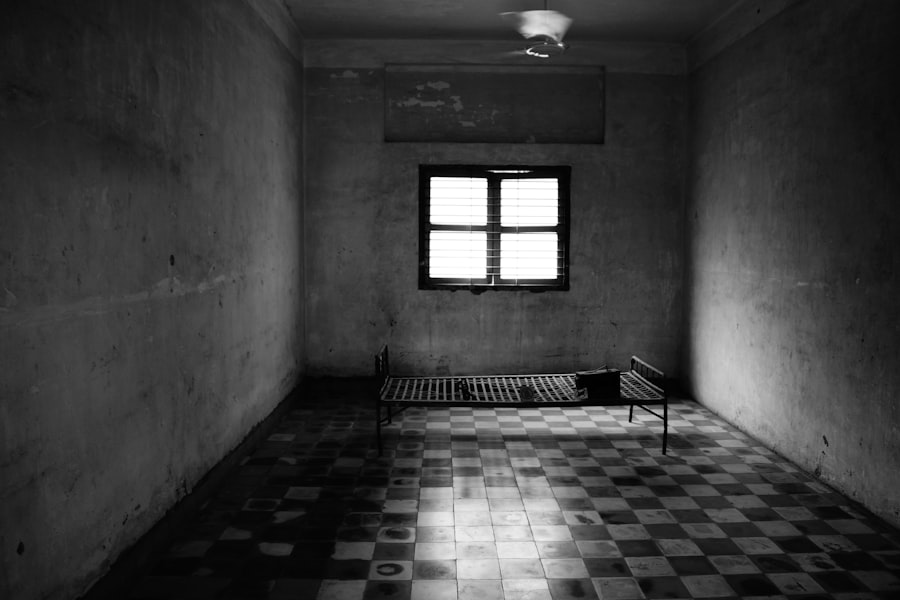
The interrogations of Commander Bucher and his crew were not simply about extracting information; they were a systematic effort to break their spirit, secure confessions, and exploit the incident for propaganda purposes.
The “Bug Out” Narrative and False Confessions
A primary objective of the North Korean interrogators was to force Bucher to sign a confession admitting that the Pueblo had deliberately violated North Korean territorial waters and engaged in espionage. This confession was crucial for legitimizing their actions on the international stage. Bucher initially resisted intensely, adhering to the Code of Conduct and attempting to provide only name, rank, service number, and date of birth. However, the interrogators employed a range of techniques, including sleep deprivation, starvation, emotional manipulation, and mock executions.
One particularly cruel tactic involved staging mock executions of his crew members, promising to spare them if Bucher confessed. This psychological torment, known by some as the “bug out” narrative, aimed to exploit Bucher’s responsibility for his men. Under such extreme pressure, Bucher eventually succumbed, signing a confession that he later repudiated. This act of coerced confession, a hallmark of many totalitarian regimes, provided North Korea with a valuable propaganda tool, even if its legitimacy was highly questionable outside the DPRK. The implications of this forced confession reverberated through his subsequent public life.
The Role of Physical and Psychological Torture
Beyond the initial beatings, Bucher and his crew endured persistent physical and psychological torture. This included prolonged periods of isolation, exposure to extreme temperatures, and limited access to medical care. The interrogators also employed elaborate mind games, such as compelling the crew to write self-criticism statements and participate in re-education sessions. Sailors were forced to denounce the United States and laud the North Korean regime. This constant psychological pressure aimed to undermine their identity and loyalty, transforming them into pliable instruments for propaganda. The cumulative effect of these abuses was profound, leaving lasting scars both visible and invisible on the entire crew. Readers must understand that such conditions transcend mere discomfort; they are designed to dismantle the individual’s sense of self and reality.
Exploitation for Propaganda: The Public Confession
After weeks of sustained pressure, Bucher, along with other crew members, was paraded before cameras and forced to “confess” to their alleged crimes. These televised confessions, meticulously choreographed by North Korean authorities, were then broadcast globally. For North Korea, these public spectacles served multiple purposes: they validated their capture of the Pueblo, humiliated the United States, and solidified their domestic narrative of perpetual victimhood and righteous self-defense. For Bucher, these public appearances were a profound personal ordeal, a testament to the effectiveness of coercive interrogation and a stark example of a man forced to betray his nation under duress. The images of Bucher, visibly distressed but delivering scripted denunciations, etched themselves into the annals of Cold War propaganda.
Resilience and Resistance: Undercurrents of Defiance

Despite the brutal conditions and relentless pressure, instances of resilience and subtle acts of resistance emerged among the crew, offering glimpses of human fortitude in the face of overwhelming adversity.
The “Peace and Prosperity” Incident
Perhaps the most famous act of defiance during the captivity was the crew’s manipulation of photographs for propaganda. When forced to pose for photographs and display signs, the crew, under Bucher’s subtle guidance, strategically displayed the middle finger, a gesture unbeknownst to their North Korean captors as an insult. The North Koreans, believing it to be a symbol of “peace and prosperity,” allowed these photographs to be disseminated, only to discover the true meaning later, to their immense embarrassment. This small but significant act served as a morale booster for the crew and a vivid demonstration of their unbroken spirit. It was a silent retort, a clandestine message sent from captivity, resonating with a universal understanding of defiance.
Maintaining Unit Cohesion and Morale
Despite the captors’ efforts to isolate and divide them, Bucher and his senior officers attempted to maintain a semblance of military order and morale. They found ingenious ways to communicate, share information, and offer support, often at great personal risk. These underground networks of communication were vital for psychological survival, fostering a sense of shared experience and mutual support. The ability to maintain a degree of unit cohesion under such extreme pressure is a testament to the ingrained values of military service and the human capacity for collective resilience. This internal solidarity proved a formidable, albeit passive, weapon against the psychological attrition tactics of their captors.
The interrogation of Commander Pete Bucher has sparked significant interest among military historians and enthusiasts alike, shedding light on the complexities of wartime decision-making. For those looking to delve deeper into related topics, an insightful article can be found at In The War Room, which explores the broader implications of military leadership and the ethical dilemmas faced during conflict. This resource provides a comprehensive understanding of the challenges that commanders like Bucher encounter, making it a valuable read for anyone interested in military history.
Release and Repatriation: The Aftermath of Ordeal
| Metric | Details |
|---|---|
| Subject | Commander Pete Bucher |
| Date of Interrogation | Not publicly disclosed |
| Location | Classified |
| Duration | Approximately 3 hours |
| Interrogators | Military Intelligence Officers |
| Purpose | Gather information on operational details |
| Outcome | Confidential; no public release |
| Notable Statements | Classified |
After 11 months of captivity, marked by intense diplomatic negotiations and a coerced apology from the United States, the crew of the USS Pueblo was finally released on December 23, 1968. Their return, however, marked the beginning of a new set of challenges.
The “Confession” and the “Apology”
The North Korean demand for an explicit apology from the United States was a major diplomatic sticking point. Ultimately, the U.S. government agreed to sign a statement acknowledging, without admitting to, the North Korean assertion of territorial violation and espionage. This “confession” was simultaneously repudiated by the U.S. government, branding it as a necessary evil to secure the release of the crew. This diplomatic maneuver, often called the “confess and repudiate” strategy, highlighted the complex ethical quagmire presented by hostage situations with authoritarian regimes. The public perception of this apology was mixed, reflecting the difficult choices faced by policymakers under such duress.
Courts of Inquiry and Public Scrutiny
Upon their return, Bucher and several other officers faced a Naval Court of Inquiry. The Navy was obligated to investigate the circumstances of the Pueblo’s capture and the conduct of its officers while in captivity. Bucher, in particular, was scrutinized for surrendering his ship and for signing the false confessions. The courts of inquiry, while standard procedure, placed immense pressure on the already traumatized crew. Bucher defended his actions by highlighting the overwhelming force he faced and the imperative to protect his crew. Ultimately, the charges against Bucher were dropped, acknowledging the extraordinary circumstances of his captivity and the coercive nature of his “confessions.” The decision to drop the charges underscored a nuanced understanding of the limits of human endurance under torture and the complex interplay between military duty and the preservation of human life.
The Lingering Legacy: A Commander’s Burden
Commander Bucher’s ordeal continued to cast a long shadow over his life, despite his eventual exoneration. He retired from the Navy in 1973, reflecting a career irrevocably shaped by the Pueblo incident. His testimony and that of his crew provided invaluable insights into the methods of North Korean interrogation and the psychological impact of prolonged captivity. The Pueblo incident remains a cautionary tale, a stark reminder of the complexities of intelligence gathering in hostile environments and the profound human cost of geopolitical confrontation. Bucher’s unique position, as both victim and commanding officer, left him with a public burden that few can truly comprehend. His experiences serve as a potent historical document, rich in lessons about perseverance, compromise, and the indelible marks left by historical events. The enduring image of Commander Bucher, a man caught between duty and survival, continues to resonate in discussions of military ethics and the realities of modern warfare.
FAQs
Who is Commander Pete Bucher?
Commander Pete Bucher was a U.S. Navy officer known for his role in the Gulf of Tonkin incident during the Vietnam War.
What was the purpose of Commander Pete Bucher’s interrogation?
The interrogation aimed to gather detailed information about the events surrounding the Gulf of Tonkin incident, including the actions of the USS Maddox under his command.
When did the interrogation of Commander Pete Bucher take place?
The interrogation occurred shortly after the Gulf of Tonkin incident in August 1964, as part of the investigation into the naval engagements.
What were the key outcomes of Commander Pete Bucher’s interrogation?
The interrogation helped clarify the sequence of events during the incident, contributing to the understanding of what transpired and influencing U.S. military and political responses.
Is there any public record or transcript available from Commander Pete Bucher’s interrogation?
Some declassified documents and reports referencing Commander Bucher’s statements exist, but full transcripts of the interrogation may not be publicly available.