The tale of Jerry Whitworth is a stark reminder that even in the quiet depths of the ocean, hidden currents of doubt and deception can flow. As a radioman aboard a submarine tender, Whitworth held a position of trust, privy to vital communications that could determine the fate of vessels and crews. His story, however, transformed from one of silent service to a chilling narrative of betrayal, a testament to how personal vulnerabilities can be exploited, leading to consequences that ripple far beyond the individual.
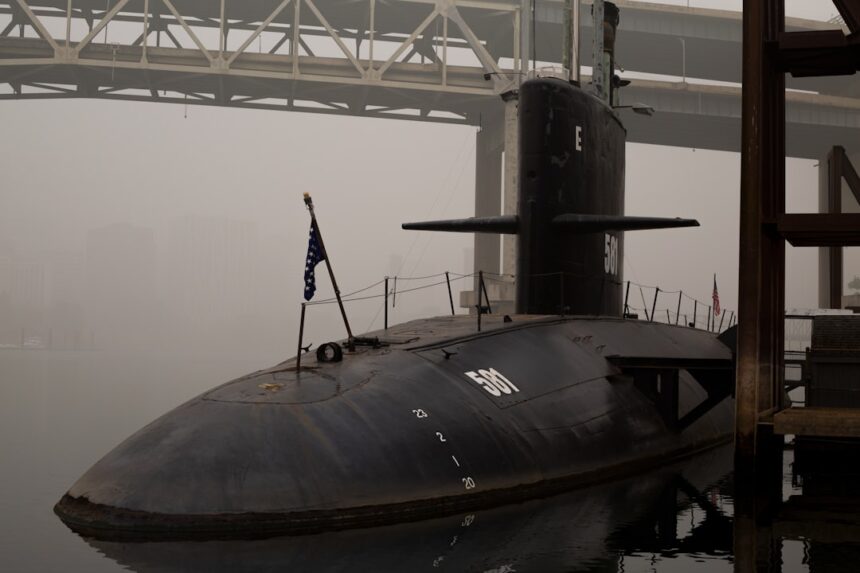
Submarine tenders are the logistical backbone of a submarine fleet, essentially floating cities that provide maintenance, repair, and resupply for submarines. They are not combat vessels in the traditional sense, but their role is indispensable. Without them, submarines would be isolated and unable to sustain their extended deployments. You can learn more about the history of the company by watching this video about John Walker.
A Silent Sentinel’s Role
The operations of a submarine tender are complex and coordinated. Radiomen aboard these vessels are the conduits for information, receiving and relaying messages between submarines, shore commands, and other naval assets. Their work is often monotonous, characterized by long hours of listening and transcribing, but it is a critical link in the chain of command. The messages they handle can range from routine operational updates to highly sensitive intelligence.
Behind the Scenes Operations
The life of a radioman on a tender involves mastering communications equipment and protocols. They are trained to be meticulous, ensuring the accuracy and security of every transmission. This environment fosters a sense of quiet competence, with individuals often working unseen and unheralded, yet integral to the overall mission.
In exploring the fascinating history of submarine operations, one cannot overlook the significant contributions of radioman Jerry Whitworth, whose experiences aboard submarine tenders provide valuable insights into naval communication during critical missions. For a deeper understanding of the challenges and triumphs faced by personnel like Whitworth, I recommend reading the related article on submarine history available at In The War Room. This resource delves into the essential roles played by radiomen and the technological advancements that shaped their work during the Cold War era.
A Glimpse into Jerry Whitworth’s Early Career
Jerry Whitworth’s path to submarine service was not without its aspirations. Like many who chose the military, he likely sought structure, purpose, and a sense of belonging. His role as a radioman placed him in a position of responsibility, handling the very signals that kept the fleet connected.
The Path to the Fleet
The U.S. Navy training for radiomen is rigorous. It instills discipline, technical proficiency, and a deep understanding of the importance of secure communications. Whitworth would have undergone extensive training in Morse code, radio telegraphy, and the handling of classified information. This set of skills positioned him as a valuable asset within the submarine force.
Daily Duties and Responsibilities
The day-to-day life of a radioman on a submarine tender would have been a predictable rhythm of watch standing, message processing, and equipment maintenance. The constant influx of radio traffic, often originating from the silent, unseen world of submerged submarines, required a high level of concentration and dedication. He was a node in a vast network, a conduit for information that ensured the operational readiness of the fleet.
The Seeds of Vulnerability

Every individual carries their own burdens, and Jerry Whitworth was no exception. It is often in times of personal hardship that individuals become susceptible to manipulation. Understanding the context of Whitworth’s alleged betrayal requires looking beyond his professional duties to the personal struggles that may have laid the groundwork.
Personal and Financial Pressures
While specific details of Whitworth’s personal life remain within the private sphere, it is a common human experience for individuals to face financial difficulties or personal crises. These pressures can create a fertile ground for external influence. The allure of easy money or the promise of solving deeply rooted problems can be a powerful temptation.
The Shadow of Addiction
Reports suggest that substance abuse may have played a role in Whitworth’s life. Addiction is a formidable adversary, capable of eroding judgment and compromising moral compasses. It can lead individuals down paths they would never have considered under different circumstances, creating a desperate need for resources that can override loyalty and good sense.
The Espionage Connection: A Profound Betrayal
The most significant chapter in Jerry Whitworth’s story is his involvement with Soviet intelligence. This transition from a loyal serviceman to an alleged spy is a profound betrayal, impacting national security and the trust placed in those who serve.
Contact with Foreign Agents
The narrative of Whitworth’s alleged espionage often points to a series of contacts with representatives of the Soviet Union or its intelligence services. These meetings, whether deliberate or opportunistic, marked a critical turning point. Such interactions, particularly for someone in possession of classified information, carry an immense risk.
The Information Leaked
The specific nature of the intelligence Whitworth is accused of compromising is multifaceted. It is alleged to have included details about submarine operations, communication systems, and potentially sensitive deployment schedules. This information, if accurate, could have provided adversaries with a significant strategic advantage. The flow of such data from inside the U.S. military is like a crack appearing in the hull of a warship, threatening its integrity.
In exploring the intriguing life of submarine tender radioman Jerry Whitworth, one can gain deeper insights into the complexities of naval communication during critical missions. His experiences shed light on the vital role that radiomen played in maintaining contact and ensuring the safety of submarines. For those interested in learning more about the broader context of naval operations and the contributions of personnel like Whitworth, a related article can be found here. This resource offers a comprehensive overview of the challenges faced by submariners and the essential support provided by their teams.
The Unraveling: Investigation and Consequences
| Metric | Details |
|---|---|
| Name | Jerry Whitworth |
| Role | Submarine Tender Radioman |
| Service Branch | United States Navy |
| Notable Activity | Involved in espionage case during the Cold War |
| Rank | Radioman Petty Officer |
| Years of Service | 1960s-1980s (approximate) |
| Espionage Outcome | Convicted for spying for the Soviet Union |
The discovery of Whitworth’s alleged espionage was not immediate. Like a slow-acting poison, the betrayal went undetected for a period, only to be brought to light through meticulous investigation and often, the confession or exposure of others involved.
The Investigation Process
Navigating the complexities of espionage investigations is a challenging endeavor. It requires a dedicated team of intelligence professionals, law enforcement, and legal experts. Detecting and proving such crimes involves piecing together fragmented evidence, often over extended periods. The process is akin to an archeologist carefully excavating a lost city, each shard of pottery revealing a part of the larger story.
The Sentence and Its Aftermath
Upon his conviction for espionage, Jerry Whitworth faced severe legal consequences. The penalties for such crimes are designed to reflect the gravity of the breach of trust and the potential damage to national security. His sentence served as a stark warning to others, a tangible demonstration of the penalties for betraying one’s country. The aftermath of his conviction is a somber footnote in naval history, a case study in the devastating impact of compromised loyalty.
WATCH THIS 🔴 NUCLEAR NAVY ESPIONAGE: How One Traitor Exposed America’s Submarine Secrets
FAQs
Who was Jerry Whitworth?
Jerry Whitworth was a radioman in the United States Navy who served aboard submarine tenders. He is notably known for his involvement in espionage activities during the Cold War.
What role did Jerry Whitworth have on submarine tenders?
As a radioman, Jerry Whitworth was responsible for handling communications, including sending and receiving coded messages, which was a critical role on submarine tenders supporting naval operations.
Why is Jerry Whitworth a significant figure in naval history?
Jerry Whitworth gained notoriety for being convicted of spying for the Soviet Union, making him one of the most infamous espionage cases involving a U.S. Navy radioman.
What was the impact of Jerry Whitworth’s espionage activities?
Whitworth’s espionage compromised sensitive naval communications and intelligence, which posed a threat to U.S. national security during the Cold War era.
How was Jerry Whitworth apprehended and prosecuted?
Jerry Whitworth was arrested after an extensive investigation by U.S. counterintelligence agencies. He was subsequently tried and convicted for espionage, receiving a prison sentence for his actions.