The Pentagon, as the operational and administrative heart of the United States Department of Defense, shoulders a monumental responsibility: the oversight and maintenance of the nation’s nuclear deterrent. This “nuclear shield,” a complex and multi-layered system, is designed not for conquest, but for the fundamental purpose of preventing large-scale attacks on the United States and its allies. Its effectiveness is not measured by battles won, but by conflicts avoided. This article delves into the intricate mechanisms of this shield, assessing both its potential vulnerabilities and its enduring strength.
At its core, the concept of nuclear deterrence rests upon a seemingly paradoxical premise: the threat of unimaginable devastation is the most effective way to ensure peace. This principle, often termed “Mutually Assured Destruction” (MAD), posits that any first strike by one nuclear power would inevitably lead to a retaliatory strike, resulting in the annihilation of both parties. The sheer scale of potential human suffering and environmental catastrophe inherent in such an exchange serves as a powerful disincentive to aggression. You can learn more about John Walker by watching this informative video.
However, the reality of nuclear deterrence is far more nuanced than this stark simplification. It encompasses a spectrum of capabilities, technologies, and strategic doctrines that must constantly adapt to evolving geopolitical landscapes and technological advancements.
Strategic Triad: The Pillars of Redundancy
The United States’ nuclear shield is famously predicated on its “strategic triad,” a robust system comprising three distinct and independently deployable legs: intercontinental ballistic missiles (ICBMs), submarine-launched ballistic missiles (SLBMs), and strategic bombers. This diversification is not merely for show; it is a fundamental design choice aimed at enhancing survivability and ensuring a credible retaliatory capability even after a devastating first strike.
ICBMs: The Land-Based Watchdogs
Deployed in hardened silos across the central United States, ICBMs represent the most immediate and, in some respects, vulnerable leg of the triad. Their fixed positions make them theoretically targetable, yet the sheer number of silos, coupled with ongoing modernization efforts, complicates any adversary’s targeting calculus. The Minuteman III, the current workhorse of the ICBM fleet, is slated for replacement by the Sentinel program, promising enhanced survivability and accuracy.
SLBMs: The Silent Sentinels of the Deep
Perhaps the most survivable leg of the triad, SLBMs are carried by Ohio-class ballistic missile submarines (SSBNs), which patrol the world’s oceans undetected for months at a time. The ability of these submarines to operate stealthily and launch their missiles from virtually anywhere renders a comprehensive first-strike against them nearly impossible. The Trident II D5 missile, carried by these submarines, is a highly accurate and powerful weapon, providing a persistent and credible deterrent.
Strategic Bombers: Flexible Response and Visible Power
Strategic bombers, such as the B-52 Stratofortress, B-2 Spirit, and the upcoming B-21 Raider, offer a unique blend of flexibility and visible power projection. They can be recalled or re-tasked in flight, providing a crucial element of escalation control. Furthermore, their ability to carry both nuclear and conventional payloads offers a dual-use capability that complicates an adversary’s decision-making process. The B-21 Raider, with its advanced stealth capabilities, is poised to significantly enhance the bomber leg’s ability to penetrate sophisticated air defenses.
In recent discussions surrounding national security, the Pentagon’s damage assessment of its nuclear shield has garnered significant attention. A related article that delves deeper into the implications of these assessments and their impact on defense strategies can be found at this link. This article provides valuable insights into the current state of the U.S. nuclear deterrent and the ongoing efforts to enhance its resilience against potential threats.
Assessing Vulnerabilities: Cracks in the Shield?
While the strategic triad provides a formidable foundation, no system is entirely impervious to vulnerabilities. The dynamic nature of global security necessitates continuous self-assessment and adaptation to emergent threats.
Cyber Warfare: The Invisible Threat
In the 21st century, the greatest threats may not come from kinetic attacks but from the insidious realm of cyber warfare. A sophisticated cyber attack could potentially compromise command and control systems, disrupt communication networks, or even manipulate launch codes, creating a scenario of unprecedented instability.
Command and Control (C2) Systems: The Nerves of the Nuclear Shield
The integrity of nuclear C2 systems is paramount. These systems, designed for absolute reliability and robustness, are a constant target for state-sponsored cyber actors. An attack that could degrade the Pentagon’s ability to communicate with its nuclear forces, or worse, to authenticate launch orders, would be catastrophic. The Department of Defense employs multi-layered cyber defenses, but the evolving sophistication of adversaries demands constant vigilance and investment in new security paradigms.
Early Warning Systems: Eyes on the Horizon
The early warning systems, comprising satellites and ground-based radars, are crucial for detecting incoming missile attacks and providing decision-makers with the critical time needed to assess the threat and formulate a response. A sophisticated cyber attack targeting these systems could introduce false positives or, more dangerously, mask a genuine attack, thereby undermining the very foundation of timely decision-making.
Technological Proliferation: A Widening Circle
The spread of nuclear technology to more nations, and the potential for non-state actors to acquire such capabilities, represents a significant challenge to the existing deterrence framework. The more actors possessing nuclear weapons, the greater the statistical probability of miscalculation or accidental escalation.
Emerging Nuclear Powers: New Entrants, New Risks
The traditional bipolar nuclear standoff between the US and Russia has evolved into a more complex multipolar environment. Countries like China, India, Pakistan, and North Korea possess varying levels of nuclear capabilities, each with its own doctrines and strategic considerations. This diversification necessitates a more intricate patchwork of deterrence strategies and diplomatic engagement.
Hypersonic Weapons: Shrinking Decision Windows
The development of hypersonic glide vehicles and missiles by potential adversaries presents a new tactical challenge. These weapons, capable of traveling at speeds greater than Mach 5 and executing unpredictable maneuvers, significantly reduce the time available for detection, assessment, and response. This compressed decision window could increase the risk of an accidental nuclear exchange due to a perceived need for rapid, pre-emptive action.
Effectiveness of Deterrence: A Continuously Calibrated Balance
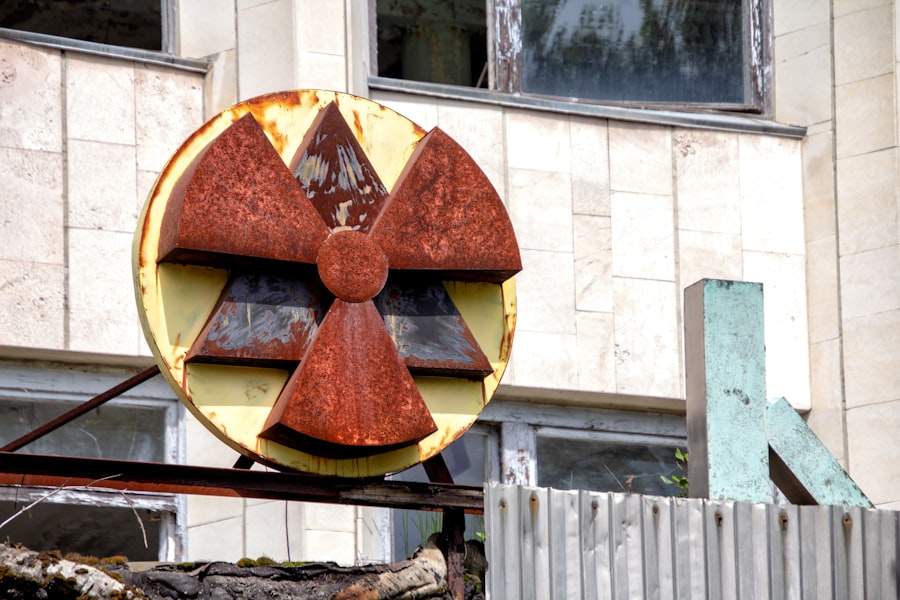
The effectiveness of the nuclear shield is not a static quantity; it is a dynamic equilibrium maintained by constant vigilance, technological superiority, and clear communication of intent.
Credibility of Retaliation: The Sword of Damocles
For deterrence to be effective, the threat of retaliation must be absolutely credible. This credibility hinges on several factors: the perceived political will to use nuclear weapons under dire circumstances, the technical capability to deliver a devastating retaliatory strike, and the survivability of those forces in the face of a first strike.
Nuclear Modernization: Keeping Pace with Threats
To maintain credibility, the US nuclear arsenal must undergo continuous modernization. Aging systems are replaced with newer, more capable ones, ensuring that the deterrent remains effective against evolving adversarial capabilities. This includes not only the delivery vehicles but also the warheads themselves, along with their associated command and control infrastructure.
Strategic Communication: Clarity of Intent
Deterrence is as much about psychology as it is about technology. Clear, consistent, and unambiguous communication of strategic intent is crucial. This involves not only public statements but also diplomatic engagements and military exercises that signal resolve without provoking unnecessary escalation. Misunderstandings about red lines or response thresholds can have devastating consequences.
Arms Control Treaties: Bridging the Divide
Historically, arms control treaties have played a vital role in managing nuclear proliferation and reducing the risk of accidental war. While these treaties have faced challenges and withdrawals in recent years, their underlying principle – to establish predictable frameworks for managing strategic arsenals – remains essential for global stability.
New START Treaty: A Framework for Strategic Stability
The New START Treaty between the United States and Russia, though its future is uncertain, serves as an important example of a bilateral agreement that limits deployed strategic nuclear warheads and launchers. Such treaties provide transparency and predictability, reducing the potential for miscalculation and fostering a degree of strategic stability between the two largest nuclear powers.
Multilateral Non-Proliferation Efforts: Stemming the Tide
Beyond bilateral agreements, multilateral non-proliferation efforts, such as the Treaty on the Non-Proliferation of Nuclear Weapons (NPT), are critical for preventing the spread of nuclear weapons to additional states. While the NPT has its imperfections, it remains the cornerstone of the global non-proliferation regime, encouraging disarmament while facilitating peaceful nuclear cooperation.
The Human Element: The Ultimate Safeguard

Ultimately, the nuclear shield, despite its technological sophistication, rests upon the judgment, discipline, and ethical considerations of the human beings entrusted with its operation. The procedures, protocols, and safeguards in place are designed to minimize the risk of accidental or unauthorized use, placing an immense burden of responsibility on those within the chain of command.
Training and Discipline: The Human Firewall
The personnel involved in the nuclear enterprise, from missileers in underground silos to submarine crews and bomber pilots, undergo intensive and rigorous training. This training instills not only technical proficiency but also an unwavering commitment to strict adherence to protocols and an understanding of the catastrophic consequences of failure.
Dual-Key Control and Authentication: Layers of Approval
No single individual can initiate a nuclear strike. A complex system of dual-key control, requiring multiple individuals to independently authenticate and authorize launch orders, serves as a critical safeguard against unilateral action or unauthorized use. This multi-layered approval process is designed to ensure that any decision to employ nuclear weapons is made with the utmost deliberation and under the highest levels of authority.
Psychological Screening: The Mental Fortitude Required
Given the immense psychological pressure associated with commanding nuclear forces, personnel are subjected to stringent psychological screening and continuous evaluation. The mental fortitude required to operate under such conditions, coupled with an unwavering sense of ethical responsibility, is paramount to maintaining the integrity and safety of the nuclear shield.
In conclusion, the Pentagon’s nuclear shield is a testament to both technological prowess and strategic foresight. It is a system built not upon aggression, but upon the hard logic of deterrence, constantly adapting to new threats while striving to uphold the delicate balance of global security. While vulnerabilities exist, rigorous assessment, continuous modernization, and the unwavering dedication of its personnel aim to ensure its continued effectiveness in protecting the United States and its allies from the most dire of threats. As Winston Churchill famously remarked about deterrence, “The safety of the world depends on the constant menace of atomic annihilation.” This stark reality, however uncomfortable, underscores the profound and enduring importance of maintaining a credible and resilient nuclear shield.
WATCH THIS 🔐 The Submarine That Broke The Cold War | Naval Intelligence Espionage | SOSUS Compromise
FAQs
What is the Pentagon damage assessment related to?
The Pentagon damage assessment typically refers to the evaluation of structural and operational impacts following an incident or attack on the Pentagon building, which serves as the headquarters of the United States Department of Defense.
What does a nuclear shield mean in the context of defense?
A nuclear shield refers to a strategic defense system designed to protect a country from nuclear attacks, often involving missile defense technologies, early warning systems, and deterrence strategies.
How are damage assessments conducted at the Pentagon?
Damage assessments at the Pentagon involve structural engineers, security experts, and military personnel who inspect the affected areas, evaluate the extent of physical damage, assess operational impacts, and recommend repairs or security enhancements.
Why is the Pentagon considered a critical target for damage assessment?
The Pentagon is a critical military command center and symbol of U.S. defense; therefore, assessing damage quickly and accurately is essential to maintain national security and ensure continuity of defense operations.
What role does the nuclear shield play in protecting the Pentagon?
The nuclear shield helps protect the Pentagon by providing early detection and interception capabilities against potential nuclear missile threats, thereby reducing the risk of a successful nuclear attack on the facility.
Are there any recent updates on Pentagon damage assessments related to nuclear threats?
Updates on Pentagon damage assessments related to nuclear threats are typically classified or released through official government channels; public information may be limited and focused on general defense readiness and improvements.
How does the Pentagon coordinate with other agencies for nuclear threat assessments?
The Pentagon coordinates with agencies such as the Department of Energy, the National Nuclear Security Administration, and intelligence agencies to assess nuclear threats and implement protective measures as part of a comprehensive national defense strategy.
What technologies are used in assessing damage and maintaining the nuclear shield?
Technologies include satellite surveillance, radar systems, missile defense interceptors, structural health monitoring sensors, and advanced communication networks to detect threats and assess damage efficiently.
Can the Pentagon damage assessment influence U.S. nuclear policy?
Yes, findings from damage assessments can inform U.S. nuclear policy by highlighting vulnerabilities, guiding defense investments, and shaping strategic deterrence and response plans.
Where can the public find official information about Pentagon damage assessments and nuclear defense?
Official information is available through the U.S. Department of Defense website, press releases, congressional reports, and authorized government publications.