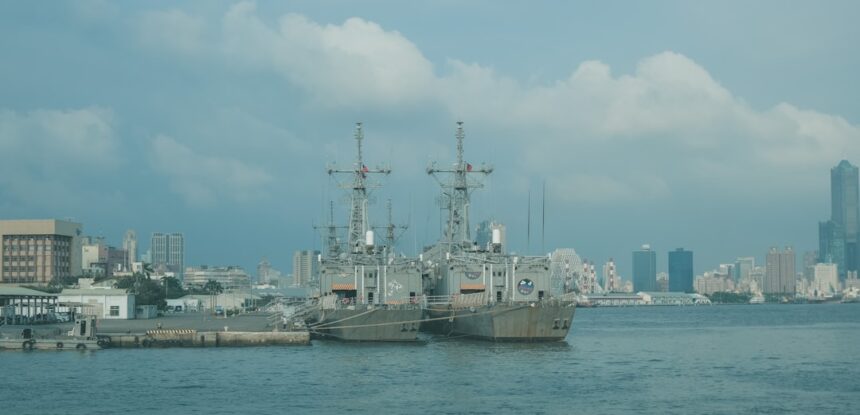
The United States Navy, long considered the globe’s preeminent naval power, faces a complex and evolving landscape of strategic challenges. While its technological prowess and operational reach are undeniable, a closer examination reveals potential tactical disadvantages that, if unaddressed, could impact its ability to maintain maritime dominance. This analysis delves into these vulnerabilities, offering a critical perspective on areas requiring urgent attention and strategic adaptation.
The post-Cold War era saw the U.S. Navy operate with relative impunity in many areas of the world. However, the rise of formidable peer and near-peer competitors, particularly China and Russia, has fundamentally altered this strategic calculus. These nations have invested heavily in Anti-Access/Area Denial (A2/AD) capabilities, effectively creating “no-go zones” for traditional U.S. naval operations. You can learn more about John Walker in this informative video.
The Rise of Sophisticated Missile Systems
The development and deployment of advanced anti-ship cruise missiles (ASCMs) and hypersonic glide vehicles by potential adversaries pose a significant threat. These weapons, often launched from land-based, air-based, or subsurface platforms, possess increased speed, range, and maneuverability, making them exceptionally difficult to detect and intercept.
- Hypersonic Weapons: The speed and unpredictable flight paths of hypersonic missiles dramatically reduce reaction times for defensive systems. Imagine a baseball pitcher throwing a fastball at the speed of sound; now imagine that ball suddenly changing direction mid-flight. That is the challenge.
- Swarm Attacks: The potential for adversaries to launch coordinated barrages of numerous ASCMs simultaneously overwhelms existing defensive layers. This “death by a thousand cuts” strategy aims to saturate a ship’s defenses, forcing it to expend its limited interceptor missiles and eventually succumb to the onslaught.
Subsurface Warfare Resurgence
While often viewed through the lens of surface combatants and air power, the threat from conventional and nuclear submarines has re-emerged as a critical concern. Adversaries have modernized their submarine fleets, incorporating quieter designs, advanced sensors, and formidable weapon systems.
- Near-Silent Submarines: Modern submarines are significantly quieter, making passive acoustic detection more challenging. This creates a stealthy hunter lurking beneath the waves, a predator that is difficult to track until it strikes.
- Advanced Torpedoes and Mines: Alongside traditional torpedoes, new generations of intelligent mines and long-range torpedoes enhance the subsurface threat, capable of denying access to critical waterways or targeting high-value assets.
The U.S. Navy has faced various tactical disadvantages in recent years, particularly concerning its ability to adapt to rapidly evolving maritime threats. An insightful article discussing these challenges can be found at In the War Room, where experts analyze the implications of technological advancements and geopolitical shifts on naval strategy. This resource provides a comprehensive overview of the current state of the U.S. Navy and highlights potential areas for improvement in its operational readiness.
The Tyranny of Distance and Logistics Strain
The vastness of the world’s oceans, while offering strategic depth, also presents a substantial logistical challenge for a global power projection force like the U.S. Navy. The ability to sustain operations far from homeport is a cornerstone of naval power, but this lifeline is increasingly vulnerable.
Overstretched Supply Chains
Maintaining continuous operations across multiple theaters places immense strain on the naval logistics infrastructure. From fuel and ammunition to spare parts and personnel transfers, the flow of vital resources is complex and susceptible to disruption.
- Vulnerability of Resupply Convoys: In a contested environment, slow-moving logistics ships become attractive targets for adversaries. Protecting these convoys, often numbering dozens of vessels, requires significant naval assets, diverting them from front-line combat duties.
- Limited Forward Basing Options: While the U.S. maintains a presence globally, the number of adequately equipped forward operating bases capable of supporting sustained high-intensity conflict is finite. This necessitates longer transit times for maintenance, refueling, and resupply from distant ports.
Personnel and Readiness Pressures
The demands of continuous global deployments place significant pressure on naval personnel, impacting morale, retention, and ultimately, fleet readiness. High operational tempos can lead to burnout and a reduction in training opportunities.
- Maintenance Backlogs: Constant deployments often mean less time in port for routine maintenance and essential repairs. This can lead to a cascading effect, with minor issues becoming major problems and reducing the overall availability of ships for operational tasking.
- Training Deficiencies: With less time in port and a focus on operational deployments, the depth and breadth of training for critical warfighting skills can suffer. Maintaining proficiency in complex anti-submarine warfare or anti-air warfare scenarios requires dedicated, focused training periods.
Evolving Nature of Naval Warfare and Technological Gaps
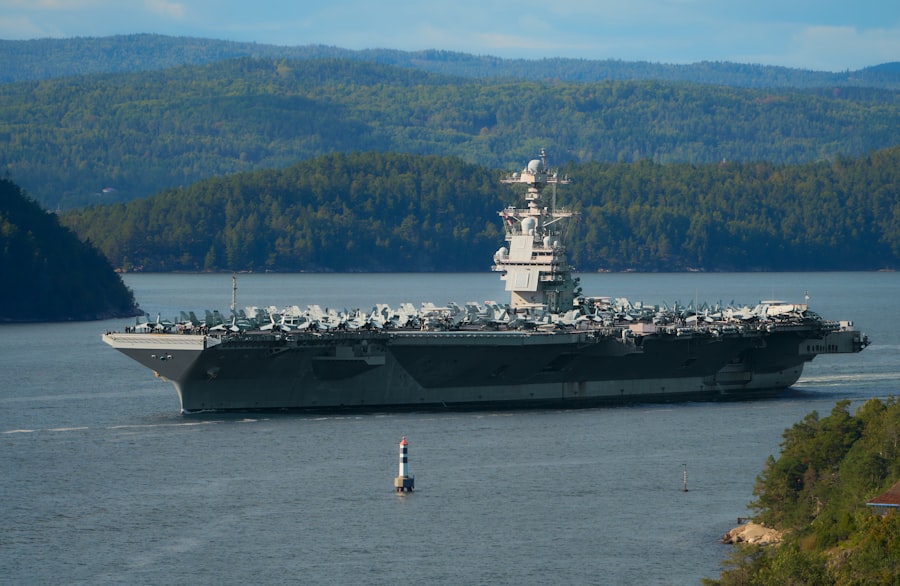
The traditional paradigms of naval combat are being challenged by rapid advancements in technology. While the U.S. Navy often leads in innovation, there are areas where competitors are making significant strides, potentially creating tactical disadvantages.
Cyber and Electronic Warfare (EW) Threats
The increasing reliance on interconnected systems and digital networks makes modern warships highly susceptible to cyberattacks and electronic warfare. Disrupting communications, radar, or weapon systems could cripple a vessel without a shot being fired.
- GPS Spoofing and Jamming: Adversaries are developing sophisticated capabilities to spoof or jam GPS signals, potentially leading to navigation errors, misdirected missiles, and a loss of situational awareness. Imagine sailing a ship in thick fog without a compass or reliable charts.
- Network Infiltration: Cyberattacks can target ship systems, compromising data, disrupting command and control, or even disabling critical machinery. This “digital ghost in the machine” can render advanced technology ineffective.
Autonomous Systems and AI Integration
The development and deployment of autonomous systems, both underwater and in the air, are rapidly advancing. While the U.S. Navy is investing in these technologies, the speed and scale of adversary development present a challenge.
- Distributed Lethality: The concept of “distributed lethality,” where numerous smaller, networked platforms contribute to overall firepower, becomes more potent with autonomous systems. These systems can act as scouts, decoys, or even weapon platforms, complicating targeting for an adversary.
- AI-Driven Decision Making: The integration of artificial intelligence into combat systems, particularly for target identification, threat assessment, and weapon allocation, can significantly shorten decision cycles, potentially overwhelming human operators.
Doctrine and Training Limitations
Even with the most advanced technology, an effective navy relies on sound doctrine and rigorous training. There are concerns that current U.S. Navy doctrine, while effective for previous eras, may not be fully optimized for the challenges of twenty-first-century peer competition.
Legacy Thinking and Conventional Deployment Patterns
Decades of unchallenged maritime dominance may have inadvertently fostered a reliance on conventional deployment patterns and tactics that could be vulnerable in a high-intensity, contested environment. The U.S. Navy’s current approach, often characterized by large carrier strike groups, may be too predictable and concentrated.
- “Big Target” Syndrome: Large, high-value assets like aircraft carriers, while projecting immense power, also present a substantial target for sophisticated anti-ship weapons. This creates a dilemma: leverage power projection or reduce vulnerability.
- Limited Redundancy: A doctrine heavily reliant on a few key platforms means that the loss or degradation of those assets could severely impact operational capabilities. More distributed and resilient force structures may be necessary.
Adaptability of Personnel and Training Regimes
The modern naval operational environment demands a high degree of adaptability and problem-solving skills from personnel. Training regimes must evolve to accurately simulate the complex and multi-domain threats encountered in contemporary warfare.
- Insufficient Adversary Emulation: Training scenarios may not always accurately reflect the full capabilities and tactics of potential adversaries, leading to a false sense of security or unpreparedness for actual combat. Understanding the enemy is paramount.
- Cross-Domain Integration Challenges: Modern warfare requires seamles integration across air, surface, subsurface, space, and cyber domains. Training must emphasize these complex interactions and decision-making in highly integrated environments.
The U.S. Navy has faced various tactical disadvantages in recent years, particularly in the realm of modern warfare and maritime strategy. A related article that delves into these challenges can be found at In The War Room, where experts analyze the implications of emerging technologies and geopolitical shifts on naval operations. Understanding these dynamics is crucial for addressing the evolving landscape of naval warfare and ensuring that the U.S. Navy remains prepared for future conflicts.
Economic and Industrial Base Constraints
| Metric | Description | Impact on U.S. Navy Tactical Advantage |
|---|---|---|
| Anti-Access/Area Denial (A2/AD) Capabilities | Adversaries’ deployment of advanced missile systems and submarines to restrict U.S. Navy movement | Limits freedom of maneuver and increases risk to U.S. naval assets in contested regions |
| Electronic Warfare Vulnerabilities | Susceptibility of U.S. Navy communication and radar systems to jamming and cyber attacks | Reduces situational awareness and command and control effectiveness |
| Shipbuilding and Fleet Size | Comparative number of operational vessels relative to potential adversaries | Smaller fleet size may reduce presence and operational flexibility in multiple theaters |
| Submarine Detection Capabilities | Effectiveness of sonar and other detection systems against quiet diesel-electric submarines | Challenges in detecting adversary submarines increase risk to surface vessels and carriers |
| Logistics and Supply Chain Vulnerabilities | Dependence on extended supply lines and forward bases | Potential delays and disruptions in resupply can limit sustained operations |
The ability of the U.S. Navy to address these tactical disadvantages is inextricably linked to the health of its industrial base and the overall economic climate. Sustained investment and a robust industrial capacity are crucial for modernization and expansion.
Declining Shipyard Capacity and Workforce Shortages
The U.S. shipbuilding industrial base has shrunk considerably since its Cold War peak. A limited number of shipyards, coupled with an aging workforce and difficulties in attracting new talent, impacts the ability to build and maintain a larger, more modern fleet.
- Construction Delays and Cost Overruns: Limited competition and overloaded shipyards can lead to significant delays in new ship construction and modernization programs, often accompanied by substantial cost overruns.
- Maintenance Bottlenecks: The constrained capacity of shipyards also creates bottlenecks for essential maintenance and repair work, contributing to fleet readiness issues and forcing ships to operate longer between crucial overhauls.
Budgetary Pressures and Long-Term Investment
Sustaining a technological and numerical advantage requires consistent and substantial long-term investment. Competing budgetary priorities and the cyclical nature of defense spending can hinder the continuous modernization necessary to stay ahead of adversaries.
- Trade-offs in Procurement: Budgetary constraints often force difficult choices between acquiring new platforms, upgrading existing ones, or investing in research and development for future technologies. This can lead to a “robbing Peter to pay Paul” scenario.
- Impact on Research and Development: Underinvestment in fundamental research and development today can lead to significant technological gaps in the future. The seeds of tomorrow’s naval power are sown in today’s laboratories and research institutions.
In conclusion, while the U.S. Navy remains a formidable fighting force, a critical examination reveals significant tactical disadvantages stemming from shifting geopolitical realities, evolving threats, and internal systemic pressures. Addressing these vulnerabilities requires a multifaceted approach: strategic investment in innovative technologies, adaptation of doctrine and training, and a sustained commitment to recapitalizing and modernizing the fleet. The future of maritime dominance hinges on the U.S. Navy’s ability to honestly assess these challenges and implement the comprehensive changes necessary to overcome them. Failure to do so could result in a gradual erosion of its tactical advantage, with profound implications for global security.
WATCH THIS 🔐 The Submarine That Broke The Cold War | Naval Intelligence Espionage | SOSUS Compromise
FAQs
What does “U.S. Navy tactical disadvantage” mean?
The term “U.S. Navy tactical disadvantage” refers to situations or conditions where the U.S. Navy may face challenges or limitations in achieving superiority or effectiveness in naval combat or operations compared to potential adversaries.
What factors can contribute to a tactical disadvantage for the U.S. Navy?
Factors may include technological gaps, limitations in fleet size or composition, geographic challenges, adversary capabilities, cyber vulnerabilities, and logistical constraints.
How does the U.S. Navy address potential tactical disadvantages?
The Navy invests in advanced technology, modernizes its fleet, enhances training and readiness, develops new tactics, and collaborates with allies to mitigate tactical disadvantages.
Are there specific regions where the U.S. Navy faces greater tactical challenges?
Yes, regions such as the South China Sea and the Arctic present unique tactical challenges due to geography, contested territorial claims, and the presence of advanced adversary forces.
How do emerging technologies impact the U.S. Navy’s tactical position?
Emerging technologies like unmanned systems, artificial intelligence, hypersonic weapons, and cyber warfare capabilities can both pose challenges and offer opportunities to improve the Navy’s tactical effectiveness.
What role do alliances and partnerships play in overcoming tactical disadvantages?
Alliances and partnerships enhance collective security, provide access to additional resources and intelligence, and improve interoperability, helping to offset individual tactical disadvantages.
Has the U.S. Navy historically faced tactical disadvantages, and how were they overcome?
Yes, throughout history, the Navy has encountered tactical disadvantages but has overcome them through innovation, strategic adaptation, and leveraging technological and operational advantages.
Can budget constraints affect the U.S. Navy’s tactical capabilities?
Budget constraints can limit the Navy’s ability to procure new technologies, maintain ships, and conduct training, potentially impacting tactical readiness and effectiveness.
What is the significance of cyber warfare in the context of U.S. Navy tactical disadvantages?
Cyber warfare poses a significant threat by targeting communication, navigation, and weapon systems, potentially creating tactical disadvantages if not adequately defended against.
How does the U.S. Navy plan to maintain tactical superiority in the future?
The Navy focuses on innovation, modernization, joint force integration, and strategic investments in emerging technologies to maintain and enhance tactical superiority.