The annals of twentieth-century espionage are replete with complex narratives, and among these, the Soviet Union’s intelligence operations stand as a particularly intricate tapestry. For decades, the Soviet state, driven by ideological imperatives and a perceived existential threat, invested heavily in a vast and sophisticated intelligence apparatus. This article, “Operation Red Star: Soviet Intelligence Gathering,” will explore the methodologies, triumphs, and failures of this clandestine machinery, focusing on its strategic objectives and the mechanisms employed to achieve them. It is an examination of an institution that, for much of its existence, operated in the shadows, shaping global events from behind a veil of secrecy.
The origins of Soviet intelligence are indelibly linked to the tumultuous birth of the Soviet state itself. Emerging from the chaos of the Russian Revolution, the Bolshevik government recognized early the critical role of information in consolidating power and defending against internal and external adversaries. This understanding laid the groundwork for an intelligence establishment that would grow to an unprecedented scale and ambition. You can learn more about John Walker in this informative video.
Revolution and the Cheka
The foundational intelligence agency of the Soviet Union was the All-Russian Extraordinary Commission for Combating Counter-Revolution and Sabotage, commonly known as the Cheka. Established in December 1917, the Cheka was initially tasked with rooting out dissent and safeguarding the new regime. Its methods were often brutal, reflecting the ruthless pragmatism of the early Soviet government. The Cheka’s immediate post-revolutionary activities, characterized by summary executions and widespread arrests, cast a long shadow on the subsequent development of Soviet intelligence. It established a precedent for a security apparatus that operated with immense power and minimal accountability, a characteristic that would persist through its successive incarnations.
Evolution into the GPU and NKVD
As the Soviet state stabilized, the Cheka underwent several transformations. In 1922, it was reorganized into the State Political Directorate (GPU), then integrated into the People’s Commissariat for Internal Affairs (NKVD) in 1934. These administrative changes, while seemingly bureaucratic, often accompanied shifts in focus and intensification of internal purges. During the 1930s, under the leadership of figures like Nikolai Yezhov and Lavrentiy Beria, the NKVD became a central instrument of Stalin’s Great Purge, eliminating perceived enemies of the state on an industrial scale. This period, while primarily focused on internal security and terror, also saw the refinement of foreign intelligence gathering techniques, as the NKVD began to penetrate hostile governments and recruit agents abroad. The experience garnered in internal repression paradoxically informed some aspects of external espionage, particularly in the realm of agent handling and maintaining absolute secrecy.
The intricate world of Soviet intelligence gathering operations during the Cold War has been a subject of extensive study, shedding light on the methods and strategies employed by the KGB and other agencies. For a deeper understanding of these covert activities, you can explore a related article that delves into the nuances of espionage tactics and their impact on global politics. To read more, visit this article.
Methodologies of Espionage
Soviet intelligence-gathering methodologies were diverse, evolving with technological advancements and geopolitical shifts. They encompassed a wide array of techniques, from conventional human intelligence (HUMINT) to highly specialized technical operations, all geared towards providing the Kremlin with a comprehensive understanding of the global landscape.
Human Intelligence (HUMINT)
HUMINT formed the bedrock of Soviet intelligence. The cultivation and recruitment of agents, often ideologically motivated or blackmailed, was a meticulous and high-stakes endeavor. These agents, known as “illegals” if operating without official cover, or “legal” agents if under diplomatic or journalistic guise, were the eyes and ears of Moscow. They provided invaluable insights into enemy plans, technological advancements, and political maneuverings.
The “Illegal” Phenomenon
The concept of the “illegal” agent was a hallmark of Soviet intelligence. These individuals, often trained from a young age in deep cover identities, would embed themselves in foreign societies for decades, slowly building credibility and access. Their existence was a testament to the Soviet commitment to long-term strategic intelligence. The most famous examples, such as the network that included Rudolf Abel, highlighted the patience and resources dedicated to this form of intelligence collection. Their deep cover provided an almost impenetrable shield, allowing them to operate at close quarters to sensitive targets.
Diplomatic and Journalist Covers
More conventional, yet equally effective, were agents operating under official cover, often as diplomats or journalists. These individuals enjoyed diplomatic immunity, which provided a crucial layer of protection, though their activities were often closely monitored by host nation counterintelligence. This dual role presented a constant challenge for agents – balancing their overt duties with their clandestine tasks, a high-wire act performed under constant scrutiny. While not as secure as deep cover, it allowed for direct observation and contact within official circles.
Technical Intelligence (TECHINT)
Beyond human agents, the Soviets invested heavily in technical intelligence, leveraging scientific and engineering prowess to gather information. This included signal intelligence (SIGINT), photographic intelligence (PHOTINT), and the clandestine acquisition of foreign technologies.
Signal Intelligence
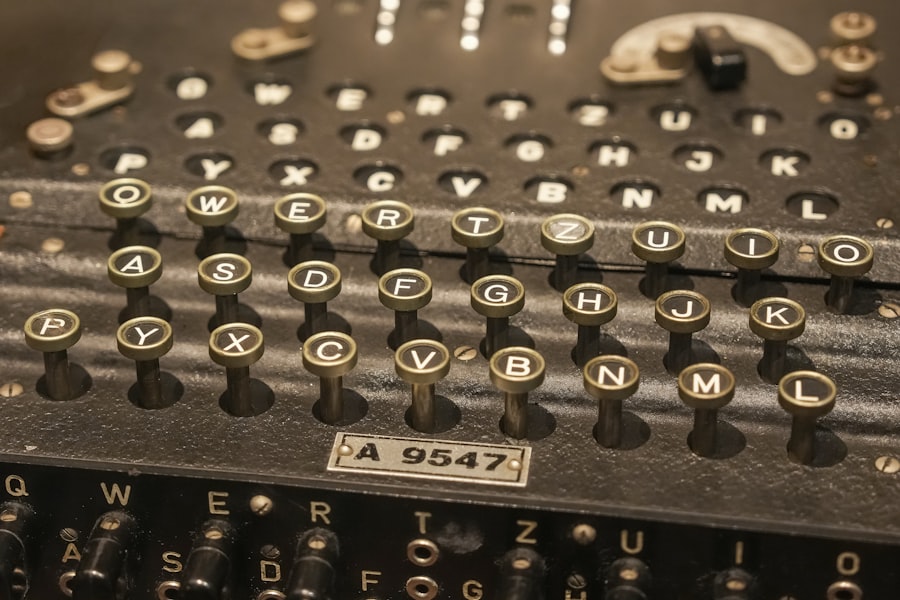
SIGINT, the interception and analysis of electronic communications, was a critical component of Soviet intelligence. From sophisticated listening posts to code-breaking operations, the Soviets sought to eavesdrop on diplomatic, military, and even commercial communications of adversary nations. The ability to intercept and decrypt enemy communications offered an unparalleled window into their intentions and capabilities. This was a continuous arms race, as encryption methods evolved, so too did the decryption efforts.
Industrial Espionage
The Soviet Union, despite its ideological opposition to capitalism, was deeply reliant on acquiring Western technology. Industrial espionage was institutionalized, with dedicated departments within the KGB and GRU tasked with obtaining blueprints, prototypes, and scientific data from leading Western industries. This included everything from aircraft designs to computer chip manufacturing processes. This systematic appropriation significantly accelerated Soviet technological development, allowing them to compete on a global scale. It was a clear example of pragmatic adaptation, where ideological rigidity gave way to practical necessity.
Major Operations and Successes

Soviet intelligence achieved numerous significant successes throughout its history, sometimes altering the course of major world events. These triumphs, often kept secret for decades, highlight the effectiveness and reach of their intelligence apparatus.
Penetration of the Manhattan Project
Perhaps one of the most impactful Soviet intelligence operations was the penetration of the American Manhattan Project, the top-secret effort to develop the atomic bomb. Through agents like Klaus Fuchs and Theodore Hall, Moscow gained access to critical scientific and technical information, significantly accelerating the Soviet Union’s own atomic weapons program. This intelligence coup fundamentally reshaped the geopolitical landscape, leading directly to the nuclear arms race and the Cold War’s defining military standoff. It stands as a testament to the power of well-placed human intelligence.
The Cambridge Five
The Cambridge Five, a network of British intelligence officials who spied for the Soviet Union from the 1930s through the early 1950s, represent another pinnacle of Soviet HUMINT operations. Figures such as Kim Philby, Guy Burgess, and Donald Maclean provided Moscow with unparalleled access to British and, by extension, American intelligence. Their ideological convictions, often rooted in anti-fascism and communist sympathies, drove them to betray their own governments. The revelations about the Cambridge Five caused profound damage to Western intelligence agencies, sowing seeds of distrust that lasted for decades. For the Soviets, it was a golden seam of information from the very heart of their adversaries.
Challenges and Failures
Despite its successes, Soviet intelligence was not without its challenges and failures. Internal purges, defections, and persistent counterintelligence efforts by Western nations often hampered operations and resulted in significant setbacks.
Internal Purges and Paranoia
The culture of paranoia and suspicion that permeated the Soviet system often turned inward, with devastating consequences for the intelligence services. The Great Purge of the 1930s decimated the ranks of experienced intelligence officers, some of whom were unjustly executed or imprisoned. This self-inflicted wound severely weakened the organization at a crucial historical juncture, as expertise was lost and an atmosphere of fear stifled initiative. The constant threat of being branded an “enemy of the people” often overshadowed external threats.
Defections and Counterintelligence
Defections of high-ranking Soviet intelligence officers, such as Igor Gouzenko and Oleg Gordievsky, inflicted considerable damage. These individuals provided Western intelligence agencies with invaluable insights into Soviet operations, agent networks, and methodologies, leading to the dismantling of numerous clandestine operations. Western counterintelligence agencies, particularly the CIA and MI6, became increasingly sophisticated in identifying and neutralizing Soviet agents, making the operating environment for Moscow’s spies increasingly perilous. The constant threat of defection was a sword of Damocles hanging over the heads of many Soviet intelligence officers.
The intricate world of Soviet intelligence gathering operations has been a subject of extensive analysis, shedding light on the methods and strategies employed during the Cold War. For those interested in exploring this topic further, a compelling article can be found at In the War Room, which delves into the various tactics used by Soviet spies and the impact of their activities on global politics. Understanding these operations not only provides insight into historical events but also highlights the ongoing relevance of intelligence in international relations today.
The Legacy of Operation Red Star
| Operation Name | Time Period | Primary Objective | Key Methods | Notable Outcomes |
|---|---|---|---|---|
| Operation VENONA | 1943–1980s | Decrypt and analyze Soviet intelligence communications | Cryptanalysis, codebreaking | Exposed Soviet espionage networks in the US and UK |
| Operation RYAN | 1981–1985 | Detect signs of a US nuclear first strike | Surveillance, intelligence gathering, analysis of military movements | Increased Soviet alertness during Cold War tensions |
| Operation Trust | 1921–1926 | Identify and neutralize anti-Bolshevik groups | Counterintelligence, deception, double agents | Disrupted White Army and émigré activities |
| Operation Enormous | 1940s | Gather intelligence on Nazi Germany’s military plans | Human intelligence (HUMINT), espionage | Provided critical information for Soviet war efforts |
| Operation LUBYANKA | Cold War era | Monitor foreign diplomats and intelligence agents | Surveillance, wiretapping, infiltration | Maintained Soviet counterintelligence dominance |
The dissolution of the Soviet Union in 1991 marked the end of an era, but the legacy of “Operation Red Star” continues to resonate. The vast organizational structure, the innovative methodologies, and the sheer scale of Soviet intelligence gathering left an indelible mark on the history of espionage.
Impact on Global Espionage
The Soviet approach to intelligence, characterized by its long-term strategic vision and willingness to commit immense resources, fundamentally influenced the evolution of global espionage. Western intelligence agencies, in response, adapted their own structures and methods, leading to a constant cycle of innovation and counter-innovation. The “intelligence game” became a more complex and high-stakes endeavor, with each side pushing the boundaries of technology and human ingenuity. The Cold War, in particular, was a crucible for the development of modern intelligence practices.
Enduring Lessons
The history of Soviet intelligence offers several enduring lessons for students of international relations and intelligence. It demonstrates the profound impact that well-orchestrated intelligence operations can have on policy-making and geopolitical outcomes. It also highlights the intricate interplay between ideology, national interest, and the clandestine world. Furthermore, it serves as a stark reminder of the ethical complexities inherent in intelligence work, where the pursuit of national security often clashes with moral considerations. The shadows cast by “Operation Red Star” remind us that the unseen hand of intelligence can profoundly shape the course of nations, a powerful, often silent, force in the symphony of international affairs.
WATCH THIS 🔐 The Submarine That Broke The Cold War | Naval Intelligence Espionage | SOSUS Compromise
FAQs
What was the primary purpose of Soviet intelligence gathering operations?
Soviet intelligence gathering operations aimed to collect political, military, economic, and technological information from foreign countries to support the Soviet Union’s national security and strategic interests.
Which agencies were responsible for Soviet intelligence gathering?
The main agencies involved were the KGB (Committee for State Security), GRU (Main Intelligence Directorate of the Soviet Army), and the First Chief Directorate, which handled foreign intelligence.
What methods did the Soviets use for intelligence gathering?
The Soviets employed a variety of methods including human intelligence (spies and agents), signals intelligence (intercepting communications), satellite reconnaissance, and cyber espionage.
During which period were Soviet intelligence operations most active?
Soviet intelligence operations were most active during the Cold War era, roughly from the late 1940s until the dissolution of the Soviet Union in 1991.
What was the role of espionage in Soviet intelligence gathering?
Espionage was a critical component, involving the recruitment and deployment of spies to infiltrate foreign governments, military establishments, and scientific communities to obtain classified information.
How did Soviet intelligence operations impact global politics?
Soviet intelligence operations influenced global politics by shaping Cold War strategies, enabling the USSR to counter Western policies, and sometimes escalating tensions through covert actions.
Were Soviet intelligence operations limited to the West?
No, Soviet intelligence gathering targeted countries worldwide, including allies and non-aligned nations, to monitor political developments and maintain influence.
What happened to Soviet intelligence operations after the USSR collapsed?
After the collapse of the Soviet Union in 1991, many intelligence functions were taken over by the Russian Federation’s agencies, such as the FSB and SVR, which continued similar intelligence activities.