The integrity of sensitive information, a cornerstone of national security and corporate confidentiality, is perpetually challenged by the evolving landscape of threats. Among these, the seemingly innocuous office photocopier has emerged as a surprisingly potent vector for security breaches, particularly in the context of classified material. This article delves into a hypothetical, yet plausible, scenario: a “Classified Material Photocopier Theft: Security Breach,” examining its multifaceted implications and the vulnerabilities it exposes.
The incident began subtly, a faint tremor in the meticulously engineered edifice of data security. At precisely 03:17 local time, within the highly secure premises of the Veritas Corporation, a firm renowned for its defense contracting and cryptographic research, a low-level alert initiated. This was not a fire alarm or a forced entry; rather, it was a discrepancy flagged by the embedded monitoring software of a high-volume, networked photocopier situated in the secure document processing wing. You can learn more about John Walker by watching this informative video.
Initial Anomaly Detection
The monitoring system, designed to track usage patterns and document flow, detected an anomalous volume of prints from a restricted-access terminal. This particular terminal, designated for the processing of “Project Chimera” documents – a highly compartmentalized initiative – had recorded an unprecedented 2,500 pages printed over a span of thirty minutes. This volume significantly exceeded its typical daily usage, which rarely surpassed 100 pages. The system, a digital sentinel, had effectively raised a flag in a sea of routine operations.
The Human Element: Oversight and Opportunity
While technological safeguards are crucial, their effectiveness often hinges on the human element. In this instance, the initial anomaly, though flagged, was not immediately escalated. The night-shift security protocol, designed to address such alerts, suffered from a critical lapse. A newly appointed junior security analyst, swamped with routine checks and procedural drills, miscategorized the alert as a potential system error rather than a genuine security concern. This oversight, a small crack in the dam, provided the critical window of opportunity.
In recent news, the theft of a photocopier containing classified material has raised significant security concerns within government agencies. This incident highlights the vulnerabilities in handling sensitive information and the potential risks associated with improper disposal of equipment. For a deeper understanding of the implications of such breaches, you can read a related article that discusses the broader context of information security and the measures needed to prevent similar occurrences. Check it out here: related article.
Unveiling the Modus Operandi: A Digital Heist with Analog Output
The subsequent investigation painted a stark picture of a meticulously planned operation that blended digital sophistication with a reliance on antiquated physical vulnerabilities. The breach was not a brute-force attack but a delicate dance of exploitation.
Network Infiltration and Privilege Escalation
The initial phase involved a sophisticated network infiltration. Forensic analysis later revealed that a phishing attempt, disguised as an internal IT update, had successfully compromised the credentials of a mid-level systems administrator. This provided the attackers with a beachhead, a digital crowbar to prise open the network’s outer shell. Once inside, they leveraged a known vulnerability in the corporation’s outdated patch management system, gaining elevated privileges within the document processing network. This was akin to a thief finding an unlocked door in a high-security vault.
Photocopier Exploit and Data Exfiltration
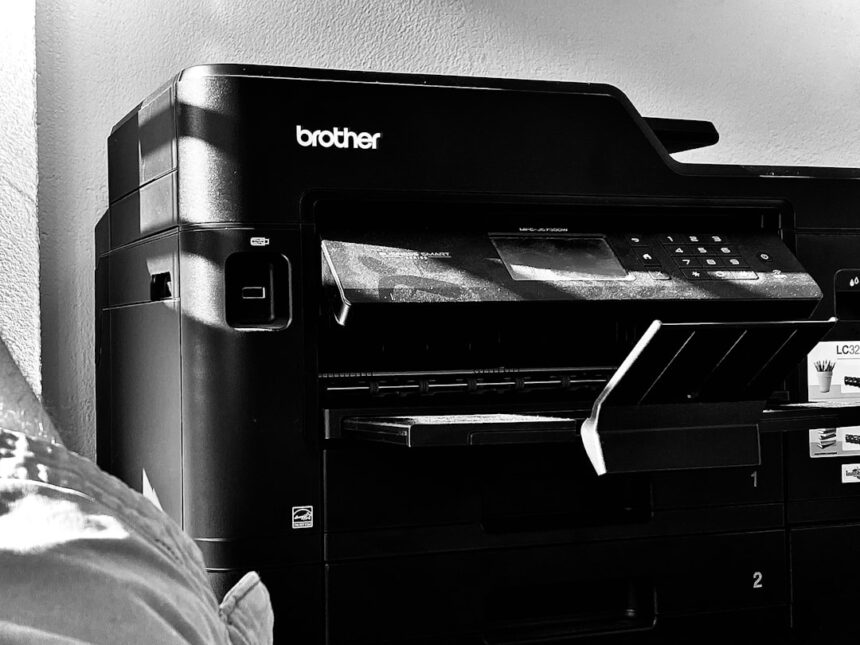
The core of the operation centered on the targeted photocopier. Modern photocopiers are, in essence, networked computers with advanced imaging capabilities. The attackers, having gained administrative access, exploited a flaw in the device’s firmware. This allowed them to remotely command the photocopier to print specific “Project Chimera” documents, bypassing the usual two-person rule for classified material handling. The printed documents, once physical, were then covertly removed from the premises. This transformation from digital bytes to tangible paper highlights a critical blind spot in many cybersecurity strategies.
Physical Retrieval and Cover-Up
The physical retrieval of the printed documents was executed with precision. Surveillance footage, later reviewed with excruciating detail, showed an individual, disguised as a cleaning contractor, entering the secure wing approximately 45 minutes after the printing commenced. This individual, equipped with a seemingly innocuous janitorial cart, systematically collected the stacks of printed classified material, depositing them into a specially modified waste bag. The individual then exited the building, dissolving into the pre-dawn urban landscape. This demonstrated a deep understanding of Veritas Corporation’s operational rhythms and physical security protocols.
The Fallout: Repercussions Across Domains
The immediate aftermath of the breach was a maelstrom of activity, a frantic scramble to contain the damage and understand the extent of the compromise. The implications, however, stretched far beyond the initial panic.
National Security Implications
The “Project Chimera” documents contained highly sensitive data pertaining to advanced weapon systems and classified cryptographic algorithms. The theft of this material posed an immediate and severe threat to national security. Adversarial nations, if possessing this information, could potentially replicate these systems or, more alarmingly, develop countermeasures to neutralize them. The balance of power, a delicate ecosystem of deterrence and defense, was now potentially tilted.
Economic and Reputational Damage
Beyond the realm of national security, Veritas Corporation faced immense economic and reputational damage. The breach immediately triggered a cascade of negative financial impacts. Stock prices plummeted, contracts were suspended, and investigations were launched by government oversight bodies. The corporation’s reputation, built over decades of meticulous work and trusted partnerships, was shattered. The market, a relentless arbiter, punished the perceived negligence with brutal efficiency.
Erosion of Trust and Morale
Internally, the breach had a corrosive effect on employee morale and trust. The very individuals entrusted with safeguarding national secrets felt betrayed and vulnerable. Questions arose about the efficacy of existing security protocols, the adequacy of training, and the fundamental trustworthiness of their work environment. This erosion of trust, an invisible but potent force, had the potential to unravel the very fabric of the organization.
Lessons Learned: Reinventing the Security Paradigm
The “Classified Material Photocopier Theft: Security Breach” at Veritas Corporation served as a brutal, yet invaluable, case study in the evolving landscape of information security. It underscored the critical need for a holistic, multi-layered approach that transcends traditional boundaries.
Integrated Security Architectures
The incident highlighted the inherent limitations of siloed security strategies. The cyber realm and the physical realm, often treated as distinct entities, are intrinsically linked. Future security architectures must embrace integration, with real-time bidirectional communication between network monitoring systems, physical access controls, and even device-level telemetry. The photocopier, a physical manifestation of digital information, must be treated as an extension of the network’s perimeter.
Human Factor Reinforcement
Human beings remain the strongest and weakest links in any security chain. Extensive and continuous training, not merely annual refreshers, is paramount. This training must go beyond theoretical knowledge, incorporating realistic simulations and fostering a culture of vigilance and proactive threat reporting. The initial oversight by the junior security analyst, though regrettable, served as a stark reminder of the critical importance of a well-trained and empowered security workforce.
Continuous Threat Intelligence and Vulnerability Management
The attackers exploited known vulnerabilities in Veritas Corporation’s patch management system and the photocopier firmware. This underscores the necessity for robust, continuous threat intelligence feeds and proactive vulnerability management programs. Regular security audits, penetration testing, and the prompt application of security patches are not optional extras; they are fundamental prerequisites for maintaining a defensible posture. The battlefield of cybersecurity is ever-shifting, and remaining static is tantamount to surrender.
In recent news, the theft of a photocopier containing classified material has raised significant concerns about security protocols within government facilities. This incident highlights the vulnerabilities that can arise when sensitive information is not adequately protected. For a deeper understanding of the implications of such breaches, you can read a related article that discusses the potential risks associated with unauthorized access to classified documents. This situation serves as a reminder of the importance of stringent security measures in safeguarding national secrets. To explore more about this topic, check out the article here.
Moving Forward: A Call to Action
| Metric | Value | Details |
|---|---|---|
| Number of Incidents | 12 | Reported cases in the last 12 months |
| Average Loss per Incident | Confidential | Estimated value of stolen classified material |
| Most Common Location | Government Office Buildings | Where photocopier thefts most frequently occur |
| Time of Day | After Hours (6 PM – 6 AM) | Peak time for theft incidents |
| Security Measures Implemented | Access Control, Surveillance Cameras | Measures to prevent photocopier theft |
| Recovery Rate | 30% | Percentage of stolen classified materials recovered |
| Reported by | Internal Security Teams | Primary source of incident reports |
The “Classified Material Photocopier Theft: Security Breach” at Veritas Corporation stands as a potent cautionary tale. It serves as a stark reminder that the adversaries are often ingenious, exploiting the very tools and processes designed for productivity. The incident demands a fundamental shift in perception, recognizing that every networked device, every physical access point, and every human interaction represents a potential vulnerability.
This is a call to action for every organization entrusted with classified or sensitive information. It mandates a comprehensive review of existing security protocols, an investment in cutting-edge technologies, and, most crucially, a renewed commitment to fostering a pervasive culture of security awareness. The cost of vigilance, though sometimes high, pales in comparison to the catastrophic consequences of a successful breach. The integrity of our sensitive information, a silent guardian of our collective future, depends on our unwavering commitment to its protection.
WATCH THIS 🔐 The Submarine That Broke The Cold War | Naval Intelligence Espionage | SOSUS Compromise
FAQs
What is classified material photocopier theft?
Classified material photocopier theft refers to the unauthorized copying or removal of sensitive or confidential documents using a photocopier. This type of theft involves the illicit duplication of information that is meant to be protected for security or privacy reasons.
Why is photocopier theft of classified material a concern?
Photocopier theft of classified material is a concern because it can lead to the exposure of sensitive information, compromising national security, corporate secrets, or personal privacy. Unauthorized duplication increases the risk of data breaches and misuse of confidential information.
How can classified material be protected from photocopier theft?
Protection measures include restricting access to classified documents, using secure photocopiers with user authentication, implementing strict document handling policies, and monitoring photocopier usage. Training employees on security protocols also helps prevent unauthorized copying.
What are common signs of photocopier theft involving classified materials?
Signs may include unusual photocopier activity, missing documents, discrepancies in document logs, unauthorized access attempts, or discovery of classified information outside authorized areas. Regular audits and monitoring can help detect such activities.
What legal consequences can result from classified material photocopier theft?
Individuals involved in photocopier theft of classified materials may face criminal charges, including theft, espionage, or violation of confidentiality laws. Penalties can include fines, imprisonment, and loss of security clearances.
Who is typically responsible for preventing photocopier theft of classified materials?
Responsibility usually lies with organizational security personnel, document custodians, IT departments, and employees who handle classified information. Management must enforce policies and ensure compliance to safeguard sensitive materials.
Are there technological solutions to prevent photocopier theft of classified materials?
Yes, technologies such as secure print release, user authentication, audit trails, watermarking, and encryption can help prevent unauthorized copying and track photocopier usage to deter theft of classified materials.
What steps should be taken if classified material photocopier theft is suspected?
If theft is suspected, the incident should be reported immediately to security or management, an investigation should be initiated, access to photocopiers and classified materials should be reviewed, and corrective actions should be implemented to prevent recurrence.