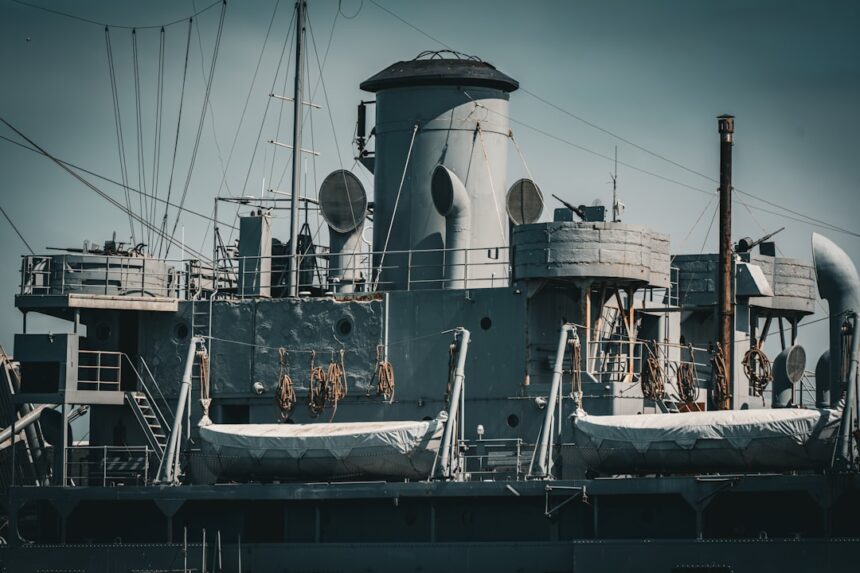
The expansive and often perilous world of naval operations has, throughout history, been inextricably linked with the shadowy realm of espionage. The documentary, “The Secrets of Naval History: Espionage,” delves into this intricate relationship, meticulously unearthing forgotten narratives and illuminating the strategic importance of intelligence gathering at sea. This film, rather than merely recounting battles and grand maneuvers, focuses on the silent, clandestine struggles that often dictated the outcomes of these conflicts.
Naval warfare, inherently a domain of information asymmetry, necessitates a profound understanding of an adversary’s capabilities, intentions, and vulnerabilities. From the earliest recorded sea battles, commanders sought to gain an advantage through clandestine means. The documentary highlights this inherent drive, tracing the evolution of naval espionage from rudimentary observation to sophisticated intelligence networks. You can learn more about John Walker in this informative video.
Early Methods of Reconnaissance
Before the advent of modern technology, naval intelligence relied heavily on direct observation and human sources.
- Scout Ships and Fast Vessels: Often smaller, swifter ships were dispatched to gather information on enemy fleet movements, positions, and strength. These vessels acted as the “eyes and ears” of a fleet, often operating at considerable risk.
- Fishermen and Merchants as Informants: Civilians engaged in maritime trades were often unwitting or sometimes willing sources of information. Their regular routes and interactions with foreign ports made them invaluable, though often unreliable, conduits of intelligence.
- Coastal Watchtowers and Signals: Land-based observation posts, communicating via smoke signals, flags, or later, telegraphs, provided crucial early warnings of approaching enemy fleets.
The Rise of Organized Intelligence
As naval conflicts grew in scale and complexity, so too did the need for more systematic intelligence gathering.
- The Age of Exploration: The scramble for global dominance during the Age of Exploration saw a surge in naval espionage. European powers dispatched agents disguised as traders, missionaries, or colonists to assess rival naval bases, shipbuilding capabilities, and colonial defenses.
- Naval Attachés and Diplomats: The establishment of permanent diplomatic missions led to the formalization of intelligence gathering. Naval attachés, ostensibly serving diplomatic functions, often acted as intelligence officers, tasked with reporting on host nation naval developments. This practice continues, albeit with increased scrutiny.
- The Birth of Naval Intelligence Agencies: The late 19th and early 20th centuries witnessed the formal creation of dedicated naval intelligence organizations. These entities moved beyond individual agents to systematic collection, analysis, and dissemination of naval intelligence, reflecting a recognition of espionage as a critical component of national security.
In exploring the intricate world of naval history and espionage, one might find the documentary “Silent Waters” particularly enlightening, as it delves into the covert operations that shaped naval warfare during the Cold War. For a deeper understanding of the themes presented in this documentary, you can read a related article that discusses the evolution of naval intelligence and its impact on modern maritime strategy. To access this insightful piece, visit this link.
Technological Transformation of Espionage at Sea
The 20th century, particularly the two World Wars, ushered in an era of unprecedented technological advancement, fundamentally altering the landscape of naval espionage. What was once a slow, often agonizing process of gathering scraps of information transformed into a rapid-fire contest of wits and technological prowess.
Radio Interception and Cryptography
The advent of radio communication revolutionized naval operations, but simultaneously created a new vulnerability for exploitation by intelligence agencies.
- The Power of the Airwaves: Radio allowed for instantaneous communication across vast distances, a game-changer for fleet coordination. However, these signals, once broadcast, became open to interception. The documentary excellently illustrates how this new medium turned into a double-edged sword.
- The Cipher Wars: The intercepted messages, often encrypted, sparked an intense “cipher war.” This intellectual battlefield, fought by brilliant mathematicians and linguists, involved developing complex codes and, more importantly, breaking them. The success or failure in this domain directly influenced the tactical and strategic outcomes of major naval engagements, such as the Battle of Midway, where decrypted Japanese communications proved pivotal.
- Direction Finding (DF) Technology: Identifying the origin of radio transmissions became a crucial intelligence capability. DF stations, both land-based and onboard ships, could triangulate the position of enemy vessels by detecting their radio signals, even if the content of the message remained un-deciphered. This provided a vital “fingerprint” of enemy presence.
Submarines as Silent Spies
The submarine, initially envisioned primarily as a weapon, quickly evolved into an extremely effective platform for clandestine operations. Its ability to operate undetected below the surface made it an unparalleled tool for intelligence gathering.
- Reconnaissance and Surveillance: Submarines conducted close-in reconnaissance of enemy coastlines, naval bases, and shipping lanes. They could photograph installations, monitor radio traffic, and observe fleet movements with a degree of stealth unmatched by surface vessels or aircraft of the era.
- Special Operations Insertions: Submarines played a vital role in inserting and extracting special forces or intelligence agents behind enemy lines. These covert missions, often fraught with extreme danger, provided boots-on-the-ground intelligence that could not be obtained otherwise.
- Cable Tapping: During the Cold War, submarines were adapted to tap into underwater communication cables, a practice that offered a direct conduit into an adversary’s most sensitive communications. This demonstrated an extraordinary level of technological sophistication and risk-taking.
Aerial Reconnaissance
The development of aircraft provided yet another powerful avenue for naval intelligence gathering.
- Spotting and Bomb Damage Assessment: Early aircraft were used for identifying enemy fleet compositions, spotting targets for naval gunfire, and assessing the damage inflicted by friendly forces.
- Long-Range Patrols: As aircraft technology advanced, long-range patrol aircraft became instrumental in tracking enemy warships and submarines over vast oceanic expanses. Equipped with radar and other sensors, they could detect even submerged vessels under certain conditions.
- Photo Reconnaissance: Specialized photo reconnaissance aircraft, operating at high altitudes or speeds, captured detailed imagery of naval installations, shipyards, and fleet deployments, offering invaluable insights into enemy capabilities.
The Cold War: A Submerged Shadow War
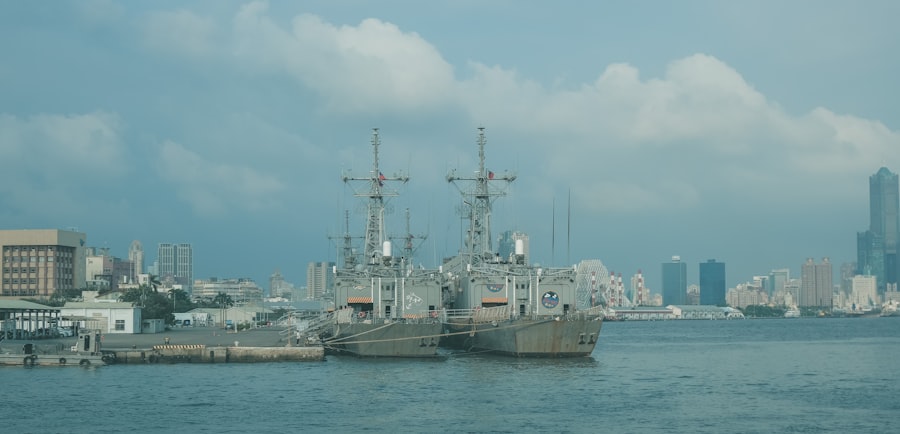
The Cold War transformed naval espionage into a continuous, global “shadow war,” where the specter of nuclear annihilation hung over every strategic move. The oceans became a vast chessboard, and intelligence, more than ever, was the king piece.
Nuclear Submarines and Deep-Sea Espionage
The advent of nuclear-powered submarines, capable of indefinite submerged endurance and operating at great depths, opened up new frontiers in intelligence gathering.
- Following the Enemy: Both the United States and the Soviet Union deployed nuclear ballistic missile submarines (SSBNs) as crucial components of their nuclear deterrents. These submarines were constantly shadowed by intelligence-gathering attack submarines (SSNs) from the opposing side, in a tense, cat-and-mouse game across the depths. The aim was to track SSBNs, understand their patrol patterns, and be able to neutralize them if conflict ever erupted.
- Ocean Floor Surveillance: Submarines and specially designed deep-submergence vessels were used to survey the ocean floor, searching for acoustic arrays, communication cables, and other intelligence infrastructure. The documentary reveals the incredibly sophisticated and hazardous nature of these operations.
- Listening Posts of the Deep: Some submarines were specifically outfitted with highly sensitive sonar arrays to act as mobile “listening posts,” collecting acoustic signatures of enemy submarines, surface ships, and even shore-based missile launches. This acoustic intelligence was vital for identifying and tracking adversary naval assets.
Naval Intelligence in Proxy Wars
While direct confrontation between the superpowers was largely avoided, naval intelligence played a critical role in numerous proxy conflicts around the globe.
- Monitoring Arms Shipments: Naval intelligence agencies closely monitored maritime traffic for the transportation of weapons and military equipment to client states and insurgent groups. This often involved covert surveillance and tracking of suspicious vessels.
- Observation of Naval Exercises: Both superpowers meticulously observed each other’s naval exercises through a variety of means – surface ships, aircraft, submarines, and electronic intelligence (ELINT) vessels. The purpose was to understand tactics, test new equipment, and assess readiness.
- Support for Covert Operations: Naval assets were frequently employed to support clandestine operations in third-world countries, ranging from intelligence gathering to the insertion and extraction of special forces.
Modern Naval Espionage: The Digital Ocean
Today’s naval espionage operates in an increasingly complex and interconnected world, where the boundaries between physical and cyber warfare blur. The “digital ocean” – the vast network of global communications and data – has become as crucial a battlespace as the physical one.
Cyber Warfare and Naval Infrastructure
The reliance of modern navies on interconnected digital systems creates new vulnerabilities for exploitation.
- Network Infiltration: Adversary intelligence agencies actively seek to infiltrate naval command and control networks, shipboard systems, and logistical infrastructure. The goal is to gain access to sensitive information, disrupt operations, or even take control of critical systems.
- Electronic Warfare (EW): Modern naval vessels are equipped with sophisticated EW systems designed to jam enemy radars, disrupt communications, and spoof navigation systems. Conversely, adversaries employ similar techniques to disrupt friendly operations and gather intelligence.
- Data Exploitation: The sheer volume of data generated by modern naval operations, from sensor readings to logistical manifests, presents both an opportunity and a challenge. Intelligence agencies strive to collect, process, and analyze this “big data” to extract actionable intelligence.
Satellite Surveillance and Global Reach
Satellites have fundamentally transformed naval intelligence, providing unparalleled global observational capabilities.
- Persistent Monitoring: Reconnaissance satellites can continuously monitor vast swathes of the ocean, tracking fleet movements, observing naval base activity, and detecting missile launches. This persistent gaze offers a strategic overview that was once unimaginable.
- High-Resolution Imagery: Modern satellites are capable of capturing extremely high-resolution imagery, allowing for the identification of specific ship types, weapon systems, and even the assessment of damage to naval installations.
- Signals Intelligence (SIGINT) from Space: Satellites equipped with advanced SIGINT payloads intercept and analyze electronic emissions from naval vessels, ground stations, and communication networks, providing a rich source of intelligence on capabilities and operations.
Unmanned Systems in Intelligence Gathering
The proliferation of unmanned aerial vehicles (UAVs) and unmanned underwater vehicles (UUVs) is ushering in a new era of naval intelligence gathering.
- Persistent Covert Reconnaissance: Drones, both aerial and underwater, can operate in contested areas for extended periods without risking human life. They provide persistent surveillance, often with a reduced acoustic or visual signature compared to manned platforms.
- Sensor Platforms: UAVs and UUVs can carry a variety of advanced sensors, including high-resolution cameras, electronic intelligence receivers, and sonar systems, extending the reach and capabilities of naval intelligence.
- Expendable Probes: In high-risk environments, unmanned systems can act as expendable probes, gathering critical information without the political and human cost associated with losing a manned asset.
In exploring the intricate world of naval history and espionage, one can gain deeper insights by watching a fascinating documentary that delves into the covert operations of naval intelligence during critical conflicts. For a more comprehensive understanding of this subject, you might find the article on naval espionage at In The War Room particularly enlightening, as it discusses the strategies and tactics employed by spies at sea throughout history. This resource not only complements the documentary but also enriches the viewer’s appreciation of the often-overlooked role of intelligence in naval warfare.
The Enduring Significance of Human Intelligence (HUMINT)
| Documentary Title | Year Released | Focus Area | Key Espionage Event | Duration (minutes) | Notable Figures Featured |
|---|---|---|---|---|---|
| Silent Waters: Naval Espionage in WWII | 2018 | World War II Naval Intelligence | Breaking the Enigma Code | 90 | Alan Turing, Ian Fleming |
| Undercover at Sea: Cold War Naval Spies | 2020 | Cold War Espionage | Submarine Surveillance Missions | 75 | John Walker, Oleg Penkovsky |
| Secrets Beneath the Waves | 2015 | Naval Espionage Techniques | Use of Spy Satellites and Drones | 60 | Various Intelligence Operatives |
| The Spy Who Loved the Sea | 2019 | Espionage in Naval Warfare | Double Agents in Naval Intelligence | 80 | Virginia Hall, Richard Sorge |
| Codebreakers of the Ocean | 2021 | Cryptography and Naval Espionage | Decoding Japanese Naval Communications | 85 | Joseph Rochefort, Agnes Driscoll |
While technology has undeniably revolutionized naval espionage, “The Secrets of Naval History: Espionage” subtly reinforces a timeless truth: the human element remains irreplaceable. The interplay between sophisticated technology and the subtle art of human intelligence is what truly defines the success of naval espionage.
Covert Agents and Infiltration
Despite the allure of digital snooping, putting “boots on the ground” or “eyes on the target” remains a vital, albeit high-risk, method of intelligence gathering.
- Port Surveillance: Agents, often operating under deep cover, continue to monitor activity in foreign ports, observing ship movements, maintenance schedules, and the arrival or departure of specific vessels.
- Recruitment and Asset Management: Identifying, recruiting, and managing human assets within adversary navies or related industries provides an invaluable source of insider information, often revealing intentions and vulnerabilities that technology cannot discern.
- Information Leakage and Disinformation: HUMINT operatives can also be used to plant disinformation, sow discord, or encourage defections, subtly influencing an adversary’s decision-making process.
The Analyst’s Crucial Role
The vast quantities of raw data collected through technological means are meaningless without skilled human analysis.
- Pattern Recognition and Interpretation: Intelligence analysts possess the expertise to recognize patterns, interpret ambiguous signals, and connect disparate pieces of information into a coherent intelligence picture.
- Cultural and Political Nuances: Understanding the cultural, political, and strategic context of an adversary is crucial for accurate intelligence assessment. This insight often comes from human sources and detailed area studies, not purely technical data.
- Forecasting and Predictive Analysis: Ultimately, the goal of intelligence is to anticipate future adversary actions. This requires not just understanding what has happened, but also predicting what might happen, a task that demands human judgment and experience.
In conclusion, “The Secrets of Naval History: Espionage” offers a compelling and comprehensive exploration of a vital, yet often overlooked, aspect of maritime warfare. It serves as a potent reminder that beneath the surface glitter of grand fleets and technological marvels, a silent and ceaseless struggle for information has always been waged. Readers are left with an appreciation for the intricate dance between deception and discovery, a dance that continues to shape the geopolitical currents of our world. The documentary effectively argues that understanding this clandestine history is not merely an academic exercise, but a crucial lens through which to view contemporary and future naval strategies.
WATCH THIS 🔐 The Submarine That Broke The Cold War | Naval Intelligence Espionage | SOSUS Compromise
FAQs
What is naval history espionage?
Naval history espionage refers to the practice of gathering secret information related to naval forces, strategies, technologies, and operations throughout history. It involves spying, intelligence gathering, and covert activities conducted by naval powers to gain an advantage over adversaries.
What types of activities are covered in a naval history espionage documentary?
A naval history espionage documentary typically covers activities such as intelligence gathering, code-breaking, undercover missions, sabotage, and the use of spies and informants during naval conflicts. It may also explore famous espionage cases, technological innovations in naval intelligence, and the impact of espionage on naval battles and outcomes.
Why is espionage important in naval history?
Espionage has played a critical role in naval history by providing commanders with vital information about enemy movements, capabilities, and plans. This intelligence has often influenced the outcome of naval battles, helped in strategic planning, and contributed to technological advancements in naval warfare.
Which historical periods are commonly featured in naval history espionage documentaries?
Naval history espionage documentaries often focus on periods such as the Age of Sail, the World Wars, the Cold War, and modern naval conflicts. These eras are notable for significant naval engagements and the extensive use of espionage techniques.
Are there any famous naval espionage cases highlighted in these documentaries?
Yes, many documentaries highlight famous cases such as the breaking of the German Enigma code during World War II, the use of spies during the American Revolutionary War, and Cold War naval intelligence operations involving submarines and signal interception.
What sources do filmmakers use to create naval history espionage documentaries?
Filmmakers use a variety of sources including declassified government documents, archival footage, interviews with historians and veterans, naval records, and expert analysis to create accurate and informative documentaries on naval espionage.
Can watching a naval history espionage documentary help in understanding modern naval intelligence?
Yes, these documentaries provide historical context and show the evolution of naval intelligence techniques, which can help viewers understand the foundations and advancements in modern naval espionage and intelligence operations.
Where can I watch naval history espionage documentaries?
Naval history espionage documentaries can be found on streaming platforms, history-focused television channels, educational websites, and sometimes in public libraries or museums specializing in military history.