Anti-Submarine Warfare (ASW) represents a fundamental aspect of naval operations dedicated to detecting, tracking, and neutralizing hostile submarines. Modern submarines function as advanced military platforms capable of conducting covert attacks while remaining concealed, making robust ASW capabilities essential for naval forces. The underwater environment’s inherent complexity, combined with contemporary submarine stealth technology, creates substantial operational challenges.
ASW therefore integrates diverse tactical approaches, advanced detection systems, and coordinated military efforts to protect maritime interests and maintain naval advantage. ASW significance extends beyond defensive measures to influence contemporary military strategy. In regions experiencing heightened great power competition, particularly the Indo-Pacific, submarine threat mitigation has become strategically critical.
The U.S. Navy has identified effective ASW as necessary for protecting international shipping routes, supporting allied nations, and discouraging hostile actions by potential adversaries. The development of ASW doctrine consequently reflects current geopolitical conditions and the strategic importance of controlling sea-based operations.
The documentary reveals the shocking story of a KGB mole who infiltrated the highest levels of government.
Key Takeaways
- Anti-submarine warfare (ASW) is crucial for detecting and countering submarine threats in modern naval operations.
- The US Navy has a long history of evolving ASW tactics and technology to address changing submarine capabilities.
- Aircraft, surface ships, and submarines each play vital roles in ASW through coordinated efforts and specialized equipment.
- Advanced underwater sensors and sonar systems are key to effective submarine detection and tracking.
- Ongoing training, international cooperation, and technological innovation are essential to meet future ASW challenges.
History of US Navy’s Anti-Submarine Warfare
The history of the U.S. Navy’s Anti-Submarine Warfare can be traced back to World War I when submarines first emerged as a significant threat to naval operations. The introduction of German U-boats during the conflict prompted the U.S.
Navy to develop rudimentary ASW tactics and technologies. Early efforts included the use of depth charges and rudimentary sonar systems, which laid the groundwork for more sophisticated approaches in subsequent decades. The lessons learned during this period were instrumental in shaping future ASW strategies.
World War II marked a turning point in ASW capabilities for the U.S. Navy. The Battle of the Atlantic highlighted the critical need for effective submarine detection and engagement methods.
The development of advanced sonar technology, along with improved anti-submarine aircraft and escort vessels, significantly enhanced the Navy’s ability to counter the U-boat threat. The establishment of dedicated ASW squadrons and the integration of various platforms into a cohesive operational framework underscored the importance of a multi-faceted approach to submarine warfare. This period not only solidified the U.S.
Navy’s commitment to ASW but also set the stage for ongoing advancements in technology and tactics.
The Threat of Submarines in Modern Warfare
In contemporary military strategy, submarines pose a multifaceted threat that extends beyond traditional naval engagements. Modern submarines are equipped with advanced stealth capabilities, making them difficult to detect and track. Their ability to launch precision strikes from concealed positions allows them to threaten both naval vessels and land-based targets, thereby complicating the strategic calculus for any adversary.
As nations invest in submarine technology, the potential for asymmetric warfare increases, necessitating robust ASW measures to counter these threats. The proliferation of advanced submarines among both state and non-state actors further complicates the security landscape. Countries such as China and Russia have developed sophisticated submarine fleets that challenge U.S.
naval dominance in key regions. Additionally, the rise of non-state actors with access to submarine technology raises concerns about unconventional threats in maritime environments. As a result, the U.S.
Navy must continuously adapt its ASW strategies to address evolving threats while ensuring that its forces remain capable of responding effectively to a diverse range of scenarios.
Technology and Tactics in Anti-Submarine Warfare
The evolution of technology has played a pivotal role in shaping modern Anti-Submarine Warfare tactics. Advances in sonar systems have significantly improved detection capabilities, allowing naval forces to identify submarines at greater distances and with increased accuracy. Active sonar systems emit sound waves that bounce off underwater objects, while passive sonar systems listen for sounds generated by submarines themselves.
The integration of these technologies into a comprehensive ASW framework enhances situational awareness and enables timely responses to potential threats. In addition to sonar advancements, the development of unmanned systems has transformed ASW operations. Unmanned underwater vehicles (UUVs) are increasingly employed for reconnaissance and surveillance missions, providing valuable data on submarine movements without risking human lives.
These platforms can operate in challenging environments where manned vessels may struggle, thereby expanding the operational reach of ASW forces. Furthermore, advancements in data analytics and artificial intelligence are enabling more effective processing of sonar data, allowing for quicker identification and classification of potential threats.
Role of Aircraft in Anti-Submarine Warfare
| Metric | Description | Current Status / Value | Notes |
|---|---|---|---|
| Number of ASW Aircraft | Total number of dedicated anti-submarine warfare aircraft in service | 120 | Includes P-8 Poseidon and MH-60R Seahawk helicopters |
| ASW Surface Ships | Number of surface combatants equipped with ASW capabilities | 70 | Includes Arleigh Burke-class destroyers and Littoral Combat Ships with ASW modules |
| Submarine Fleet (SSN) | Number of nuclear-powered attack submarines capable of ASW | 50 | Virginia-class and Los Angeles-class submarines |
| ASW Training Hours per Year | Average annual training hours dedicated to ASW operations | 15,000 hours | Includes simulation and live exercises |
| ASW Sensor Range | Effective detection range of sonar and other ASW sensors | Up to 50 nautical miles | Depends on sensor type and environmental conditions |
| Budget Allocation for ASW | Annual budget dedicated to ASW research, development, and operations | Approximately 2 billion USD | Part of the overall Navy budget |
| Number of ASW Drones | Unmanned systems deployed for ASW missions | 30 | Includes underwater and aerial drones |
| ASW Operational Areas | Primary geographic regions of ASW focus | Pacific Ocean, Atlantic Ocean, Arctic Region | Focus on countering near-peer submarine threats |
Aircraft play a crucial role in Anti-Submarine Warfare by providing an aerial perspective that complements surface and underwater operations. Maritime patrol aircraft, such as the P-8 Poseidon, are equipped with advanced sensors and weapons systems designed specifically for ASW missions. These aircraft can cover vast areas quickly, conducting surveillance and reconnaissance while also engaging enemy submarines with torpedoes or depth charges when necessary.
The versatility of aircraft in ASW extends beyond traditional roles; they can also serve as command and control platforms that coordinate efforts among various naval assets. By integrating data from surface ships, submarines, and other aircraft, maritime patrol aircraft enhance situational awareness and facilitate more effective responses to submarine threats. This multi-domain approach underscores the importance of collaboration among different platforms in achieving success in ASW operations.
Surface Ships and Submarines in Anti-Submarine Warfare
Surface ships are integral to Anti-Submarine Warfare efforts, serving as both platforms for detection and engagement as well as support vessels for aircraft operations. Destroyers and frigates equipped with advanced sonar systems and anti-submarine weapons play a vital role in patrolling maritime areas and providing protection for carrier strike groups. Their ability to operate in conjunction with aircraft enhances their effectiveness in detecting and neutralizing submarine threats.
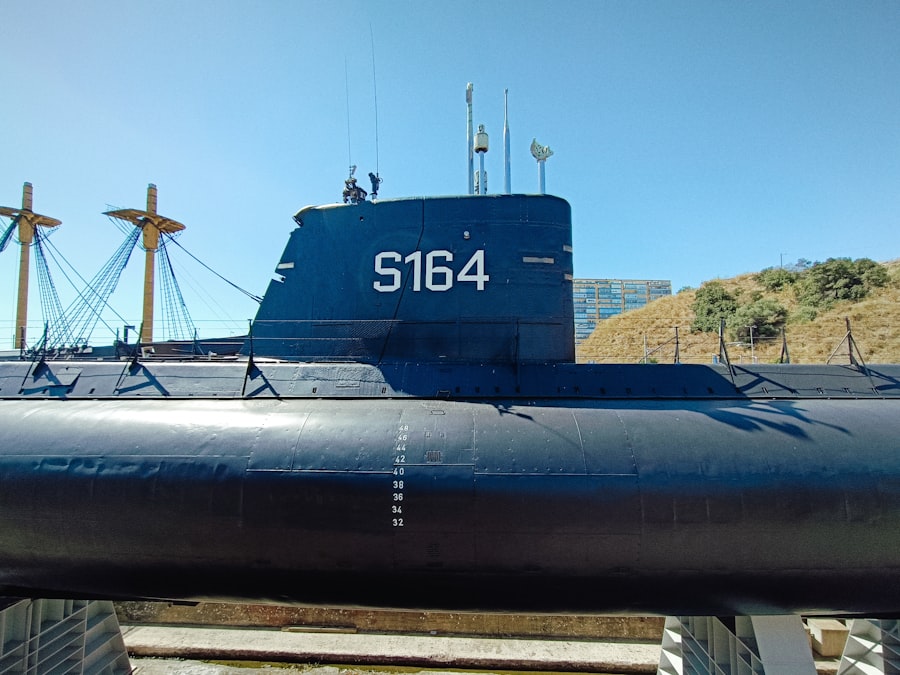
Submarines themselves also contribute significantly to ASW operations. Attack submarines are equipped with advanced sonar systems that allow them to detect enemy submarines while remaining undetected themselves. This stealthy approach enables them to gather intelligence on enemy movements and engage threats without revealing their own position.
Underwater Sensors and Sonar Systems
Underwater sensors and sonar systems form the backbone of Anti-Submarine Warfare capabilities. These technologies enable naval forces to detect, track, and classify submarines operating in complex underwater environments. Modern sonar systems utilize advanced signal processing techniques to enhance detection capabilities while minimizing false alarms caused by ambient noise or other underwater objects.
In addition to traditional sonar systems, advancements in underwater sensor networks have revolutionized ASW operations. These networks consist of multiple sensors deployed across vast areas, providing continuous monitoring of underwater activity. By integrating data from various sources, naval forces can create comprehensive situational awareness that informs decision-making processes during ASW missions.
Cooperation with Allies in Anti-Submarine Warfare
Cooperation with allies is essential for effective Anti-Submarine Warfare operations in an increasingly interconnected world. The complexity of modern submarine threats necessitates collaboration among nations with shared interests in maritime security. Joint exercises and training programs enhance interoperability among allied forces, ensuring that they can operate seamlessly together during ASW missions.
Furthermore, information sharing plays a critical role in enhancing collective ASW capabilities. By exchanging intelligence on submarine movements and tactics, allied nations can develop a more comprehensive understanding of potential threats in their respective regions. This collaborative approach not only strengthens individual nations’ ASW capabilities but also fosters greater regional stability by deterring potential adversaries through a united front.
Training and Preparedness for Anti-Submarine Warfare
Training and preparedness are fundamental components of successful Anti-Submarine Warfare operations. The U.S. Navy invests significant resources into training personnel across various platforms involved in ASW missions.
This includes specialized training programs for sonar operators, aircrew members, and surface ship crews to ensure they are proficient in employing advanced technologies effectively. Simulated exercises play a crucial role in preparing naval forces for real-world scenarios involving submarine threats. These exercises allow personnel to practice coordination among different platforms while honing their skills in detecting and engaging enemy submarines.
Continuous evaluation and adaptation of training programs ensure that naval forces remain agile and capable of responding effectively to evolving challenges in ASW.
Future Challenges and Developments in Anti-Submarine Warfare
As technology continues to advance at an unprecedented pace, future challenges in Anti-Submarine Warfare will require innovative solutions from naval forces worldwide. The increasing sophistication of enemy submarines necessitates ongoing investment in research and development to stay ahead of emerging threats. This includes exploring new sensor technologies, enhancing data analytics capabilities, and developing countermeasures against advanced submarine stealth techniques.
Moreover, geopolitical dynamics will shape the future landscape of ASW operations. As nations compete for influence in key maritime regions, the U.S. Navy must remain vigilant against evolving threats while fostering partnerships with allies to enhance collective security efforts.
The ability to adapt quickly to changing circumstances will be crucial for maintaining maritime superiority in an increasingly complex global environment.
The Importance of Anti-Submarine Warfare for US Navy’s Strategy
In conclusion, Anti-Submarine Warfare is an indispensable element of the U.S. Navy’s strategic framework, reflecting its commitment to ensuring maritime security in an era marked by evolving threats and geopolitical complexities. The history of ASW underscores its significance as a response to emerging challenges posed by modern submarines equipped with advanced technologies capable of disrupting naval operations.
As the U.S. Navy continues to refine its ASW capabilities through technological advancements, collaborative efforts with allies, and rigorous training programs, it remains poised to address future challenges effectively. The importance of maintaining robust ASW capabilities cannot be overstated; they are essential not only for protecting national interests but also for preserving stability in critical maritime regions around the world.
In an age where undersea warfare is becoming increasingly prominent, the U.S. Navy’s commitment to Anti-Submarine Warfare will play a pivotal role in shaping the future of naval strategy and ensuring maritime dominance.
The U.S. Navy’s anti-submarine warfare strategy has evolved significantly in response to emerging threats and technological advancements. A comprehensive overview of these developments can be found in a related article on the topic, which discusses the Navy’s current tactics and future direction. For more insights, you can read the article [here](https://www.inthewarroom.com/).
WATCH THIS 🛑 SHOCKING: The KGB Mole Who Made Every Soviet Submarine Visible
FAQs
What is the primary goal of the US Navy’s anti-submarine warfare (ASW) strategy?
The primary goal of the US Navy’s ASW strategy is to detect, track, and neutralize enemy submarines to protect naval assets, maintain sea control, and ensure the security of maritime operations.
What technologies are commonly used in US Navy anti-submarine warfare?
The US Navy employs a range of technologies in ASW, including sonar systems (both hull-mounted and towed arrays), magnetic anomaly detectors, underwater drones, maritime patrol aircraft, and advanced signal processing tools to detect and track submarines.
How does the US Navy integrate different platforms in its ASW operations?
The US Navy integrates surface ships, submarines, aircraft, and unmanned systems to create a layered defense. Surface ships use sonar and weapons, submarines conduct covert tracking, and aircraft provide wide-area surveillance and rapid response capabilities.
What role do submarines play in the US Navy’s ASW strategy?
Submarines play a critical role by covertly tracking and, if necessary, engaging enemy submarines. They provide stealthy detection capabilities and can operate in contested environments where surface ships and aircraft may be vulnerable.
How does the US Navy address the challenges posed by modern submarine threats?
The US Navy continuously updates its ASW strategy by investing in advanced sensors, improving data fusion and analysis, enhancing training and tactics, and developing new platforms such as unmanned underwater vehicles to counter quieter and more sophisticated submarines.
Why is anti-submarine warfare important for the US Navy?
ASW is vital for protecting carrier strike groups, maintaining control of sea lanes, deterring adversaries, and ensuring the US Navy’s ability to project power globally without interference from hostile submarines.
How does the US Navy collaborate with allies in anti-submarine warfare?
The US Navy works closely with allied navies through joint exercises, intelligence sharing, and coordinated operations to enhance collective ASW capabilities and maintain maritime security in key regions worldwide.