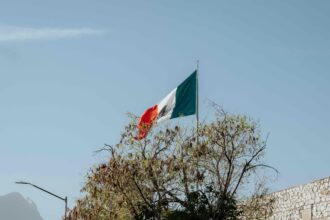
Mexico’s current challenges result from a combination of interconnected historical, economic, political, and social factors. Despite its substantial natural resources and rich cultural heritage, Mexico has encountered significant obstacles to development and competitiveness, particularly in relation to the United States. Understanding these challenges requires examining Mexico’s historical relationship with the U.S., its economic structure, political institutions, social conditions, and related issues.
The factors contributing to Mexico’s difficulties extend beyond its borders, affecting the broader region and international community. Analyzing these underlying causes is essential for identifying potential solutions and strategies for sustainable development and economic growth. A comprehensive examination of Mexico’s circumstances can clarify the specific obstacles the country faces and reveal viable options for institutional reform and economic advancement.
Watch the heartbreaking moment of Mexico’s loss in the final seconds of the game.
Key Takeaways
- Mexico’s downfall is influenced by a combination of economic, political, social, and environmental challenges.
- Historical and ongoing Mexico-US relations, including US policies and interventions, have significantly impacted Mexico’s stability and growth.
- Political instability, corruption, and the war on drugs have weakened Mexico’s governance and security.
- Social issues, including immigration struggles and inadequate education and skill development, hinder Mexico’s competitiveness.
- Addressing these multifaceted problems is essential for Mexico’s future recovery and improved standing relative to the US.
Historical context of Mexico-US relations
The relationship between Mexico and the United States has been marked by a tumultuous history that has significantly influenced Mexico’s trajectory. From the early 19th century, when territorial disputes led to the Mexican-American War, to the present day, this relationship has been characterized by both cooperation and conflict. The loss of nearly half of its territory in the mid-1800s left a lasting impact on Mexico’s national identity and economic prospects.
This historical backdrop set the stage for a complicated dynamic that would shape future interactions between the two nations. In the decades that followed, economic ties began to strengthen, particularly with the implementation of the North American Free Trade Agreement (NAFTA) in 1994. While this agreement aimed to foster trade and investment between Mexico, the U.S., and Canada, it also exposed Mexico’s vulnerabilities.
The influx of American goods and competition led to significant disruptions in local industries, exacerbating economic disparities and contributing to social unrest. This historical context is crucial for understanding how past events have shaped contemporary issues in Mexico and its ongoing struggle to assert itself in a rapidly changing global landscape.
Economic factors contributing to Mexico’s downfall
Economic factors play a pivotal role in understanding Mexico’s decline. Despite being one of the largest economies in Latin America, Mexico has faced persistent challenges that have hindered its growth potential. One significant issue is the reliance on oil exports, which has made the economy vulnerable to fluctuations in global oil prices.
When prices plummeted, as they did in recent years, Mexico’s economy suffered greatly, leading to budget deficits and reduced public investment in critical areas such as education and infrastructure. Additionally, income inequality remains a pressing concern in Mexico. A significant portion of the population lives in poverty, while wealth is concentrated among a small elite.
This disparity not only stifles economic growth but also fuels social discontent and unrest. The lack of access to quality education and job opportunities for many citizens further exacerbates these issues, creating a cycle of poverty that is difficult to break. As Mexico grapples with these economic challenges, it becomes increasingly clear that addressing these disparities is essential for fostering sustainable growth and development.
Political instability and corruption in Mexico
Political instability and corruption have long plagued Mexico, undermining its ability to implement effective governance and foster economic growth. The prevalence of corruption at various levels of government has eroded public trust and hindered progress on critical issues such as crime reduction, education reform, and infrastructure development. Citizens often feel disillusioned with their leaders, leading to widespread apathy and disengagement from the political process.
Moreover, political instability has been exacerbated by violence from drug cartels and organized crime groups. The struggle for power among these groups has led to a climate of fear and insecurity that affects everyday life for many Mexicans. This violence not only disrupts local economies but also deters foreign investment, further stifling growth opportunities.
As political corruption continues to undermine efforts for reform, it becomes increasingly clear that addressing these issues is vital for Mexico’s future stability and prosperity.
Social issues impacting Mexico’s ability to compete with the US
| Factor | Description | Impact on War Outcome |
|---|---|---|
| Military Strength | US had approximately 73,000 troops; Mexico had about 25,000 troops | US numerical superiority allowed for sustained campaigns and multiple fronts |
| Technology and Equipment | US forces had better artillery, rifles, and naval power | Technological advantage led to more effective combat and control of key territories |
| Leadership and Organization | US had experienced generals like Winfield Scott and Zachary Taylor; Mexican leadership was divided and less coordinated | US command structure enabled better strategic planning and execution |
| Economic Resources | US had a stronger economy to support war efforts; Mexico’s economy was weaker and strained | US could sustain longer campaigns and supply troops effectively |
| Political Stability | Mexico was politically unstable with internal conflicts; US was more politically unified | Political instability weakened Mexico’s war effort and morale |
| Geography and Logistics | US forces had better supply lines and naval support; Mexico’s terrain was difficult but poorly utilized | US logistical advantage facilitated troop movements and resupply |
| International Support | Mexico had little international support; US had diplomatic recognition and some foreign neutrality | Lack of allies left Mexico isolated in the conflict |
Social issues are another critical factor affecting Mexico’s ability to compete with the United States. High levels of poverty, inadequate access to healthcare, and limited educational opportunities create significant barriers for many citizens. These challenges hinder human capital development, which is essential for fostering innovation and competitiveness in a globalized economy.
Without a well-educated workforce equipped with relevant skills, Mexico struggles to attract high-value industries that could drive economic growth. Furthermore, social inequality exacerbates tensions within society, leading to increased crime rates and social unrest. Marginalized communities often feel excluded from economic opportunities, resulting in frustration and disillusionment with the system.
This social fragmentation not only hampers national unity but also undermines efforts to create a cohesive strategy for addressing Mexico’s challenges. To enhance its competitiveness on the global stage, Mexico must prioritize social equity and invest in programs that empower all citizens.
The impact of the war on drugs on Mexico’s downfall
The war on drugs has had a profound impact on Mexico’s downfall, contributing to violence, instability, and social dislocation. Initiated in earnest in 2006 under President Felipe Calderón, this campaign aimed to dismantle powerful drug cartels that had long operated with impunity. However, instead of curbing drug-related violence, it has led to an escalation of conflict between rival cartels and government forces.
The resulting bloodshed has claimed tens of thousands of lives and created an atmosphere of fear that permeates many aspects of daily life. The consequences of this violence extend beyond immediate loss of life; they also have far-reaching implications for economic development and social cohesion. Businesses often face extortion from criminal organizations, leading to reduced investment and job creation.
Additionally, communities affected by violence experience disruptions in education and healthcare services, further entrenching cycles of poverty and despair. As long as drug-related violence continues to plague Mexico, the country’s ability to recover from its current challenges will remain severely compromised.
Mexico’s struggle with immigration and border security
Immigration remains a contentious issue for Mexico as it grapples with its own internal challenges while also serving as a transit country for migrants seeking better opportunities in the United States. The complexities surrounding immigration are compounded by border security concerns that have led to heightened tensions between Mexico and the U.S. Policies aimed at curbing illegal immigration often place undue pressure on Mexican authorities while failing to address the root causes driving migration.
Moreover, many Mexicans face dire circumstances that compel them to leave their homes in search of safety or economic opportunity. The lack of viable options within Mexico often leads individuals to undertake perilous journeys northward, exposing them to exploitation by human traffickers and organized crime groups along the way. This cycle not only affects those who migrate but also places additional strain on Mexican society as it grapples with issues related to human rights violations and humanitarian crises.
The role of education and skill development in Mexico’s defeat
Education is a cornerstone for any nation’s development; however, Mexico faces significant challenges in this area that contribute to its ongoing struggles. Despite efforts to reform the education system over the years, many students still lack access to quality education that equips them with essential skills for today’s job market. High dropout rates and inadequate resources further exacerbate these issues, leaving many young people ill-prepared for future employment opportunities.
The lack of emphasis on vocational training and skill development also hampers Mexico’s ability to compete globally. As industries evolve and demand for skilled labor increases, failure to invest in education can lead to a workforce ill-equipped to meet these demands.
Environmental challenges affecting Mexico’s competitiveness
Environmental challenges pose another significant hurdle for Mexico as it seeks to enhance its competitiveness on the global stage. Issues such as deforestation, water scarcity, pollution, and climate change threaten not only natural resources but also public health and economic stability. As industries continue to exploit natural resources without sustainable practices in place, long-term consequences may undermine future growth prospects.
Additionally, environmental degradation disproportionately affects marginalized communities that often rely on natural resources for their livelihoods. This inequity further exacerbates social tensions while hindering efforts toward sustainable development. To address these challenges effectively, Mexico must adopt comprehensive environmental policies that prioritize sustainability while promoting economic growth.
The influence of US policies and interventions on Mexico’s downfall
U.S. policies have played a significant role in shaping Mexico’s current predicament.
While some policies have fostered economic ties between the two nations, others have exacerbated existing vulnerabilities within Mexican society. For instance, U.S.-led drug enforcement strategies often place undue pressure on Mexican authorities without addressing underlying issues such as poverty and lack of opportunity that drive drug trafficking in the first place. Furthermore, immigration policies that focus solely on border security can overlook the complexities surrounding migration patterns from Central America through Mexico toward the U.S., leaving many vulnerable individuals without support or protection.
Conclusion and potential solutions for Mexico’s future
In conclusion, the downfall of Mexico is a multifaceted issue rooted in historical context, economic challenges, political instability, social inequities, environmental concerns, and external influences from U.S. policies. Addressing these interconnected factors requires a comprehensive approach that prioritizes sustainable development while fostering social equity.
Potential solutions may include investing in education reform that emphasizes skill development aligned with market needs; implementing anti-corruption measures aimed at restoring public trust; promoting sustainable environmental practices; and fostering regional cooperation on immigration issues that address root causes rather than merely focusing on enforcement measures. By taking proactive steps toward addressing these challenges holistically rather than reactively responding to symptoms alone—Mexico can pave a path toward recovery while enhancing its competitiveness on both regional and global stages moving forward into an uncertain future filled with possibilities yet untapped potential waiting just beyond reach if only given half a chance!
The loss of Mexico in the war against the United States can be attributed to several factors, including military strategy, resource allocation, and political instability. For a deeper understanding of the complexities surrounding this conflict, you can read a related article that explores these themes in detail. Check it out here: Why Mexico Lost the War Against the US.
WATCH THIS 🛑 How Mexico’s Loss Became America’s $11 Trillion Engine
FAQs
What was the war between Mexico and the United States called?
The war between Mexico and the United States is commonly known as the Mexican-American War, which took place from 1846 to 1848.
What were the main causes of the Mexican-American War?
The main causes included the U.S. annexation of Texas, border disputes between Texas and Mexico, and the U.S. desire to expand its territory westward, including California and other parts of the Southwest.
Why did Mexico lose the war against the United States?
Mexico lost the war due to several factors, including military disadvantages, political instability, lack of resources, and the superior organization and technology of the U.S. forces.
How did the military strength of the United States compare to Mexico’s during the war?
The United States had a better-equipped and more professional army and navy, along with more financial resources, which gave it a significant advantage over Mexico’s less organized and poorly supplied military.
What role did political instability in Mexico play in the war?
Political instability in Mexico, including frequent changes in government and internal conflicts, weakened its ability to effectively coordinate and sustain a war effort against the United States.
What was the outcome of the Mexican-American War?
The war ended with the Treaty of Guadalupe Hidalgo in 1848, where Mexico ceded a large portion of its northern territories to the United States, including present-day California, Arizona, New Mexico, and others.
How did the geography of the territories affect the war?
The vast and difficult terrain of the contested territories posed challenges for Mexican forces, while the U.S. military’s better logistics and supply lines helped them maintain control during the campaign.
Did foreign support influence the outcome of the war?
Mexico received little foreign support during the war, whereas the United States had more stable international relations, which helped it focus resources on the conflict.
What impact did the war have on Mexico?
The war resulted in significant territorial loss for Mexico, economic hardship, and political turmoil, shaping its national identity and future relations with the United States.