
The Mexican American War (1846-1848) was a significant military conflict between the United States and Mexico that resulted in substantial territorial changes and lasting political consequences for both nations. The war emerged from competing territorial claims and the United States’ expansionist policies, driven by the ideology of Manifest Destiny—the belief that American expansion across North America was inevitable and justified. The conflict intensified existing tensions over slavery, national sovereignty, and the treatment of indigenous populations.
Major military campaigns culminated in the American capture of Mexico City in 1847. The war fundamentally altered North American geography, with Mexico ceding approximately 55 percent of its territory to the United States through the Treaty of Guadalupe Hidalgo in 1848. The war’s consequences extended beyond territorial redistribution.
It exacerbated sectional divisions within the United States regarding slavery’s expansion into newly acquired western territories, influenced debates about citizenship rights for Mexican populations in annexed lands, and affected indigenous communities throughout the region. The conflict’s legacy continues to shape discussions about territorial acquisition, national identity, and intercultural relations in North America.
Key Takeaways
- The Mexican American War significantly expanded U.S. territory through the Treaty of Guadalupe Hidalgo.
- The war deeply affected Mexican American relations, leading to lasting social and cultural impacts.
- Economic consequences included shifts in land ownership and resource control in the newly acquired territories.
- The conflict influenced American identity, reinforcing the concept of Manifest Destiny.
- The war’s legacy continues to shape modern political discourse and is commemorated in various ways today.
Territorial Expansion and the Treaty of Guadalupe Hidalgo
The territorial ambitions of the United States were realized through the Treaty of Guadalupe Hidalgo, signed on February 2, 1848. This pivotal agreement concluded the war and resulted in Mexico ceding approximately half of its territory to the United States, including present-day California, Arizona, New Mexico, Nevada, Utah, and parts of Colorado and Wyoming. The acquisition of this vast expanse of land not only fulfilled the aspirations of many Americans but also significantly altered the demographic and cultural landscape of the region.
The treaty stipulated that the United States would pay Mexico $15 million and assume certain claims against the Mexican government. However, the implications of this territorial expansion extended far beyond mere geography. The influx of American settlers into these newly acquired territories led to a complex interplay of cultures, economies, and social structures.
As Anglo settlers moved westward, they often clashed with existing Mexican communities, leading to tensions that would shape relations for generations to come. Watch the heartbreaking moment of Mexico’s loss in the final seconds of the game.
Impact on Mexican American Relations
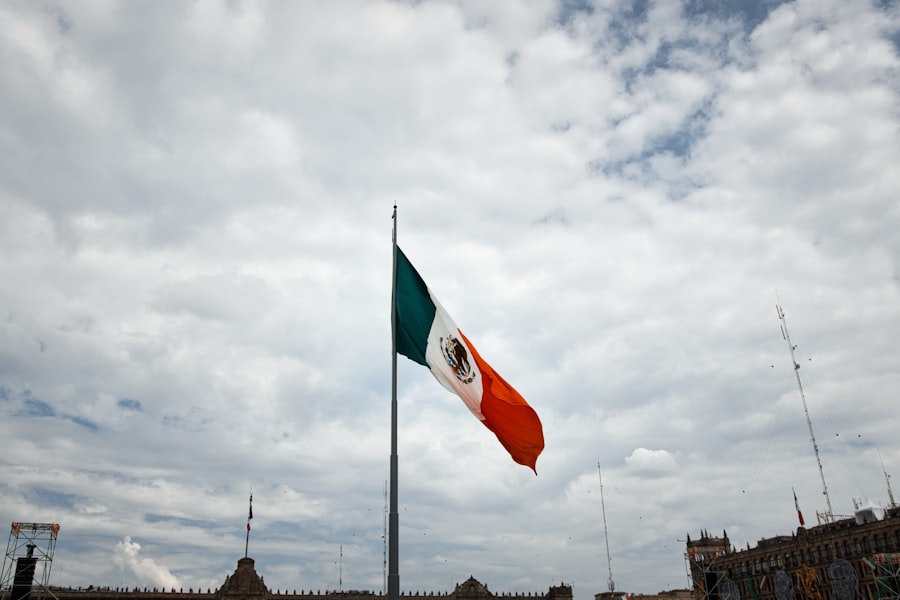
The Mexican American War had lasting repercussions on the relationship between Mexicans and Americans, particularly those living in the newly acquired territories. Following the war, many Mexican citizens found themselves living in a country that had once been their own but was now dominated by Anglo settlers. This shift created a sense of alienation and disenfranchisement among Mexican Americans, who faced discrimination and marginalization in their own homeland.
The war also exacerbated existing racial tensions, as Anglo settlers often viewed Mexican Americans through a lens of prejudice and suspicion. This dynamic fostered an environment where cultural differences were not only highlighted but often vilified. The legal status of Mexican Americans became precarious; while some retained their land and rights under the treaty’s provisions, many others lost their properties due to legal loopholes and discriminatory practices.
This struggle for recognition and equality would lay the groundwork for future civil rights movements within the Mexican American community.
Economic Consequences of the War
The economic ramifications of the Mexican American War were profound and multifaceted. For the United States, the acquisition of new territories opened up vast resources and opportunities for economic development. The discovery of gold in California shortly after the war further fueled economic growth and migration, leading to a population boom in the West.
This influx of settlers not only transformed local economies but also contributed to the overall expansion of the American economy during the mid-19th century. Conversely, Mexico faced significant economic challenges as a result of losing nearly half its territory. The war drained resources and destabilized its economy, leading to political turmoil and social unrest in the years that followed.
The loss of land meant a loss of agricultural production and natural resources that had previously supported local economies.
Cultural and Social Impacts on Mexican Americans
| Metric | Description | Modern Relevance |
|---|---|---|
| Territorial Impact | Land acquired by the U.S. after the war (California, Arizona, New Mexico, etc.) | Shapes current U.S.-Mexico border and influences immigration and trade policies |
| Demographic Changes | Population shifts due to new borders and migration patterns | Contributes to the cultural diversity and Mexican-American communities in the U.S. |
| Political Relations | Historical conflict influencing U.S.-Mexico diplomatic relations | Continues to affect bilateral cooperation on border security and economic agreements |
| Historical Memory | How the war is remembered in both countries | Impacts national identity and educational curricula in the U.S. and Mexico |
| Legal Precedents | Land treaties and laws established post-war | Foundation for current international law regarding territorial disputes |
The cultural landscape of the American Southwest underwent significant changes following the Mexican American War. As Anglo settlers moved into the region, they brought with them their customs, traditions, and social norms, which often clashed with those of existing Mexican communities. This cultural collision led to a complex tapestry of identities where Mexican Americans found themselves navigating between their heritage and the pressures to assimilate into Anglo-American culture.
Socially, Mexican Americans faced challenges in maintaining their cultural practices amidst growing discrimination. Traditional celebrations, language use, and community structures were often undermined by an environment that favored Anglo customs. However, despite these pressures, many Mexican Americans worked diligently to preserve their cultural identity.
They established community organizations, churches, and social clubs that served as vital spaces for cultural expression and solidarity. This resilience laid the foundation for a rich cultural heritage that continues to influence American society today.
Influence on American Identity and Manifest Destiny

The Mexican American War played a crucial role in shaping American identity during a period marked by rapid expansion and change. The ideology of Manifest Destiny was not merely a justification for territorial acquisition; it became a central tenet of American nationalism. Many Americans believed that it was their divine right to spread democracy and civilization across the continent, which they viewed as a moral imperative.
This belief system had far-reaching implications for how Americans perceived themselves and their role in world affairs. The war reinforced notions of American exceptionalism and fostered a sense of unity among those who supported westward expansion. However, it also raised ethical questions about imperialism and the treatment of indigenous populations and non-Anglo communities.
As America expanded its borders, it grappled with contradictions inherent in its founding ideals of liberty and justice for all.
Political Ramifications of the War
The political consequences of the Mexican American War were significant and far-reaching. The acquisition of new territories reignited debates over slavery’s expansion into these regions, leading to heightened tensions between pro-slavery and anti-slavery factions within Congress. The contentious issue ultimately contributed to the fracturing of political parties and set the stage for future conflicts that would culminate in the Civil War.
Moreover, the war prompted discussions about citizenship and rights for those living in newly acquired territories. Questions arose regarding whether Mexican Americans would be granted full citizenship or if they would remain second-class citizens in their own land. These debates highlighted broader issues related to race, ethnicity, and national identity that would continue to evolve throughout American history.
Legacy of the Mexican American War in Modern Politics
The legacy of the Mexican American War continues to influence modern politics in various ways. Issues surrounding immigration, border security, and civil rights can often be traced back to this historical conflict. The war established patterns of interaction between Mexico and the United States that have persisted into contemporary times, shaping diplomatic relations and domestic policies.
Furthermore, discussions about reparations for historical injustices faced by Mexican Americans have gained traction in recent years. Activists argue that acknowledging the consequences of the war is essential for addressing ongoing disparities faced by Latino communities today. As political discourse evolves, it is clear that understanding this historical context is vital for addressing contemporary issues related to race, identity, and justice.
Modern Perspectives on the War
In recent years, historians and scholars have sought to re-examine the Mexican American War through various lenses, including post-colonial theory and critical race studies. These perspectives challenge traditional narratives that often glorify American expansion while downplaying its consequences for Mexico and its people. By highlighting voices from marginalized communities, modern scholarship aims to provide a more nuanced understanding of this complex historical event.
Additionally, public sentiment regarding the war has shifted over time. While earlier interpretations may have celebrated American victory as a triumph of democracy, contemporary views often emphasize themes of loss, displacement, and cultural resilience among Mexican Americans. This evolving perspective reflects broader societal changes regarding race relations and historical memory in America.
Commemoration and Memorialization of the War
The commemoration of the Mexican American War is a topic fraught with complexity. Monuments and memorials dedicated to this conflict often reflect prevailing narratives that can obscure or simplify its multifaceted nature. In some cases, these commemorations celebrate military victories without acknowledging the suffering experienced by those who lost their land or lives as a result.
In recent years, there has been a push for more inclusive memorialization practices that recognize both sides of this historical conflict. Efforts to honor Mexican American contributions to society while also acknowledging historical injustices are gaining momentum. These initiatives aim to foster dialogue about shared histories and promote healing within communities affected by this legacy.
The Ongoing Impact of the Mexican American War
The Mexican American War remains a pivotal event with lasting implications for both nations involved. Its effects can be seen in contemporary discussions about identity, citizenship, race relations, and national policy. As America continues to grapple with its past while navigating an increasingly diverse future, understanding this historical conflict is essential for fostering meaningful dialogue about justice and equity.
The legacy of the war serves as a reminder that history is not merely a series of events but rather an intricate tapestry woven from diverse experiences and perspectives. By acknowledging these complexities, society can work towards building a more inclusive narrative that honors all voices affected by this significant chapter in history. The ongoing impact of the Mexican American War underscores the importance of reflection and reconciliation as communities strive for understanding in an ever-evolving landscape.
The Mexican-American War, which took place from 1846 to 1848, has significant modern relevance as it laid the groundwork for ongoing discussions about U.
-Mexico relations, immigration, and territorial disputes. An insightful article that explores these contemporary implications can be found on In the War Room, which delves into how the historical context of the war continues to shape political and social dynamics today. For more information, you can read the article [here](https://www.inthewarroom.com/).
WATCH THIS 🛑 How Mexico’s Loss Became America’s $11 Trillion Engine
FAQs
What was the Mexican-American War?
The Mexican-American War was a conflict between the United States and Mexico that took place from 1846 to 1848. It was primarily fought over territorial disputes following the U.S. annexation of Texas and resulted in significant land gains for the United States.
Why is the Mexican-American War considered important in American history?
The war is important because it led to the U.S. acquiring vast territories in the Southwest, including present-day California, Arizona, New Mexico, and Texas. This expansion significantly shaped the nation’s geographic and political landscape.
How does the Mexican-American War remain relevant today?
The war’s legacy influences current discussions on U.S.-Mexico relations, immigration, border policies, and cultural identity in the American Southwest. It also serves as a historical reference point for debates about territorial expansion and national sovereignty.
What were the main outcomes of the Mexican-American War?
The main outcomes included the Treaty of Guadalupe Hidalgo, which ended the war and resulted in Mexico ceding nearly half of its territory to the U.S. The war also intensified debates over slavery in new territories and contributed to tensions leading up to the American Civil War.
How did the Mexican-American War affect Mexico?
Mexico lost a significant portion of its land, which had lasting economic, political, and social impacts. The war also influenced Mexican national identity and its relationship with the United States.
Are there any lasting cultural impacts from the Mexican-American War?
Yes, the war influenced the cultural landscape of the American Southwest, blending Mexican and American traditions. It also affected the identities of Mexican Americans and contributed to the multicultural heritage of the region.
What lessons can be learned from the Mexican-American War today?
The war highlights the complexities of territorial expansion, the consequences of military conflict, and the importance of diplomatic relations. It also underscores the need to understand historical context in current discussions about borders and immigration.