The year 1846 marked a pivotal moment in United States history, initiating a military conflict that significantly expanded American territory and reshaped relations with Mexico. The Mexican-American War was not an isolated act of aggression but rather the culmination of expansionist ideology rooted in the concept of Manifest Destiny—the belief that American expansion across the continent was justified and inevitable. This doctrine provided ideological support for military operations against Mexico and territorial acquisition.
The conflict involved sustained military campaigns and engagements that resulted in American control of substantial Mexican territories, including present-day California, Arizona, New Mexico, and portions of Texas. American forces employed coordinated military strategy, utilized contemporary military technology, and organized complex logistical operations to conduct campaigns across Mexican terrain. The invasion required American forces to overcome both combat challenges and the difficulties of operating in unfamiliar territory with distinct cultural and political systems.
The war served as a significant test of American military capabilities and influenced subsequent military doctrine and strategy. The territorial gains and military experience from the conflict had lasting effects on American foreign policy, military organization, and national identity for decades to come.
Key Takeaways
- Manifest Destiny significantly influenced the US military strategy during the 1846 invasion.
- Superior firepower and technological advancements gave the US forces a critical advantage.
- Effective logistics and supply lines were essential for sustaining the invasion efforts.
- Understanding and exploiting terrain played a key role in tactical successes against Mexican forces.
- Leadership, diplomacy, and adapting to guerrilla tactics shaped the overall military outcomes and future strategies.
The Role of Manifest Destiny in Shaping Military Strategy
Manifest Destiny was more than just a slogan; it was a powerful ideology that shaped American identity and policy in the mid-19th century. This belief in the nation’s divine right to expand westward provided a moral justification for the invasion of Mexico. It instilled a sense of purpose among American soldiers and leaders, who viewed their mission as not only a military endeavor but also a moral crusade.
The notion that it was America’s destiny to spread democracy and civilization across the continent galvanized public support for the war and influenced military strategy at every level. As American forces prepared for the invasion, military leaders incorporated the principles of Manifest Destiny into their strategic planning. They believed that their cause was righteous and that victory was inevitable.
The belief in Manifest Destiny also fostered a sense of unity among disparate factions within the United States, as various groups rallied around the common goal of territorial expansion. However, this ideology also blinded many to the complexities of the conflict, leading to underestimations of Mexican resistance and overconfidence in American military superiority. Watch the heartbreaking moment of Mexico’s loss in the final seconds of the game.
Utilizing Superior Firepower: The Impact of Technological Advancements
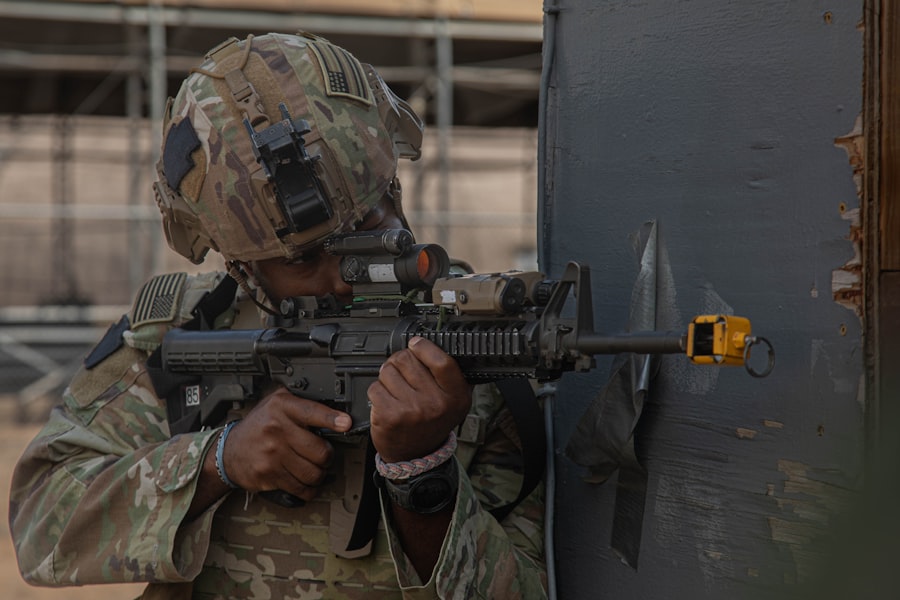
The 1846 invasion was significantly influenced by advancements in military technology that provided American forces with a distinct advantage over their Mexican counterparts.
These technological innovations allowed American troops to engage effectively from a distance, minimizing their exposure to enemy fire while maximizing their offensive capabilities.
Moreover, the use of steam-powered ships and railroads played a crucial role in enhancing mobility and logistics during the invasion. The ability to transport troops and supplies quickly across vast distances allowed American commanders to execute rapid maneuvers and concentrate forces where they were most needed. This technological edge not only facilitated successful engagements but also contributed to a sense of invincibility among American forces.
However, it is essential to recognize that while superior firepower was a significant factor in the invasion’s success, it was not the sole determinant; strategic planning and execution were equally critical in achieving military objectives.
The Importance of Logistics and Supply Lines in Sustaining the Invasion
Logistics emerged as a vital component of the 1846 invasion, as American forces had to navigate not only the challenges of combat but also the complexities of maintaining supply lines across unfamiliar terrain. The vast distances involved in moving troops and resources posed significant challenges for military planners. Ensuring that soldiers were adequately supplied with food, ammunition, and medical care was essential for sustaining operations over an extended period.
American commanders recognized early on that effective logistics could mean the difference between victory and defeat. They established supply depots and utilized local resources whenever possible to support their advancing troops. The ability to maintain open lines of communication and supply routes allowed American forces to remain operationally flexible and responsive to changing battlefield conditions.
However, logistical challenges were not without their consequences; supply shortages at critical moments could lead to setbacks in military operations, highlighting the importance of meticulous planning and execution in sustaining an invasion.
Understanding and Exploiting the Terrain: Tactical Advantage in the Mexican-American War
| Aspect | Description | Example | Effectiveness |
|---|---|---|---|
| Use of Infantry | Infantry formed the backbone of the invading forces, often engaging in line and column formations. | Battle of Palo Alto | High – Provided disciplined and organized firepower. |
| Cavalry Tactics | Light cavalry used for reconnaissance, flanking maneuvers, and quick strikes. | Skirmishes near Monterrey | Moderate – Effective for mobility but limited in sustained combat. |
| Artillery Deployment | Artillery was used to break enemy lines and fortifications, often positioned on high ground. | Siege of Veracruz | High – Crucial in siege warfare and battlefield dominance. |
| Amphibious Landings | Coordinated naval and land operations to secure beachheads and supply lines. | Landing at Veracruz | High – Enabled surprise and logistical advantage. |
| Use of Terrain | Exploiting natural features for defensive positions and ambushes. | Battle of Resaca de la Palma | Moderate – Terrain used effectively but sometimes underestimated. |
The diverse terrain of Mexico presented both challenges and opportunities for American forces during the invasion. From arid deserts to mountainous regions, understanding the geography was crucial for effective military operations. American commanders had to adapt their strategies based on the terrain they encountered, utilizing natural features to their advantage while mitigating potential vulnerabilities.
In many instances, American forces capitalized on their knowledge of the terrain to execute surprise attacks or ambushes against Mexican troops. The ability to maneuver through difficult landscapes allowed them to outflank enemy positions and seize key strategic locations. However, it is important to note that Mexican forces were also familiar with their homeland’s geography, which they used to mount effective defenses against invading troops.
This dynamic interplay between understanding terrain and tactical execution underscored the complexity of military operations during the war.
The Use of Naval Power in Supporting Land Campaigns
Naval power played a pivotal role in supporting land campaigns during the 1846 invasion, providing American forces with critical logistical support and enabling them to project power along Mexico’s coastline. The United States Navy established blockades that restricted Mexican access to vital resources while facilitating the transport of troops and supplies to key locations along the coast. This maritime strategy allowed American commanders to maintain pressure on Mexican forces while simultaneously securing control over strategic ports.
The naval presence also provided essential support for land operations by bombarding enemy positions from offshore, softening defenses before ground troops engaged in combat. This combination of naval and land power exemplified a coordinated approach to warfare that maximized American advantages while exploiting vulnerabilities in Mexican defenses. The successful integration of naval operations into land campaigns demonstrated an evolving understanding of combined arms warfare, setting a precedent for future military strategies.
The Role of Diplomacy and Alliances in Achieving Military Objectives
While military might played a significant role in the 1846 invasion, diplomacy and alliances were equally important in achieving strategic objectives. American leaders sought to secure support from various factions within Mexico, including those who were sympathetic to U.S. interests or discontented with their own government.
By fostering relationships with local leaders and communities, American forces aimed to undermine Mexican resistance and facilitate smoother operations on the ground. Additionally, diplomatic efforts extended beyond Mexico’s borders as American leaders sought to justify their actions on an international stage. They framed the invasion as a necessary measure for promoting democracy and stability in North America, attempting to garner support or at least neutrality from other nations.
While these diplomatic efforts had varying degrees of success, they underscored the importance of political maneuvering alongside military action in achieving broader objectives during the conflict.
The Impact of Guerrilla Warfare on US Military Strategy
As the invasion progressed, American forces encountered increasingly sophisticated forms of resistance from Mexican guerrilla fighters who employed unconventional tactics to disrupt U.S. operations. These guerrilla units utilized hit-and-run strategies, ambushes, and sabotage to harass supply lines and undermine American morale.
The challenges posed by guerrilla warfare forced U.S. commanders to adapt their strategies in response to this unpredictable form of combat. The impact of guerrilla tactics on U.S.
military strategy was profound; it highlighted the limitations of conventional warfare when faced with an agile and determined opponent. American forces had to shift their focus from large-scale engagements to counterinsurgency operations aimed at securing control over territory while minimizing civilian casualties. This adaptation marked a significant evolution in U.S.
military thinking, laying the groundwork for future conflicts where guerrilla warfare would play a central role.
Adapting to Mexican Tactics: Lessons Learned from the Battlefields
The experiences gained on Mexican battlefields during the 1846 invasion provided valuable lessons for U.S. military leaders regarding adaptability and responsiveness in combat situations. As American forces faced unexpected challenges posed by Mexican tactics—ranging from fortified positions to guerrilla warfare—they learned the importance of flexibility in their approach to warfare.
Commanders began to recognize that rigid adherence to traditional tactics could lead to costly mistakes when confronted with an adaptive enemy. This realization prompted changes in training regimens and operational planning that emphasized versatility and innovation on the battlefield. The lessons learned during this conflict would resonate through subsequent military engagements, shaping U.S.
approaches to warfare for years to come.
The Influence of Leadership and Command Structure on Military Tactics
Leadership played a crucial role in shaping military tactics during the 1846 invasion, as commanders navigated complex battlefield dynamics while making critical decisions under pressure. Figures such as General Zachary Taylor and General Winfield Scott emerged as prominent leaders whose strategic vision influenced operational outcomes significantly. The command structure established during this period also had lasting implications for U.S.
military organization. The emphasis on clear lines of authority and effective communication facilitated coordinated efforts among different units operating across diverse terrains. However, challenges arose when differing leadership styles clashed or when commanders struggled with resource allocation amidst logistical constraints.
These experiences underscored the importance of effective leadership in achieving tactical success while highlighting areas for improvement within military command structures.
The Legacy of the 1846 US Invasion and its Impact on Future Military Strategies
The legacy of the 1846 U.S. invasion extends far beyond its immediate territorial gains; it fundamentally reshaped American military strategy and foreign policy for generations to come. The lessons learned from this conflict informed subsequent engagements, particularly regarding logistics, adaptability, and combined arms operations.
As U.S. leaders reflected on their experiences in Mexico, they recognized both successes and failures that would influence future military planning. Moreover, the ideological underpinnings of Manifest Destiny continued to resonate within American society, shaping perceptions of national identity and foreign relations well into the 20th century.
The invasion set a precedent for future interventions abroad, as policymakers grappled with questions surrounding national interests versus ethical considerations in foreign affairs. Ultimately, the 1846 invasion served as a pivotal moment in U.S. history—one that not only expanded its territory but also laid bare complex dynamics between military power, diplomacy, and national identity that would continue to evolve over time.
The military tactics employed during the 1846 U.S. invasion, particularly in the context of the Mexican-American War, showcased a blend of traditional and innovative strategies that significantly influenced the outcome of the conflict. For a deeper understanding of these tactics and their implications, you can explore a related article on military strategies at In The War Room. This resource provides valuable insights into the operational decisions made during this pivotal period in American history.
WATCH THIS 🛑 How Mexico’s Loss Became America’s $11 Trillion Engine
FAQs
What was the primary objective of the 1846 US invasion?
The primary objective of the 1846 US invasion, particularly during the Mexican-American War, was to assert control over disputed territories between the United States and Mexico, including Texas and parts of present-day California, Arizona, New Mexico, and other southwestern states.
Which military tactics were commonly used by US forces during the 1846 invasion?
US forces employed a combination of conventional infantry tactics, artillery bombardments, and cavalry maneuvers. They also utilized rapid troop movements, coordinated attacks, and strategic sieges to capture key locations.
How did terrain influence the military tactics in the 1846 US invasion?
Terrain played a significant role, with US forces adapting their tactics to deserts, mountains, and river crossings. They often used reconnaissance and scouting to navigate difficult landscapes and to plan ambushes or flanking maneuvers.
What role did naval power play in the 1846 US invasion?
Naval power was crucial, especially in blockading Mexican ports and supporting amphibious assaults along the Pacific coast. The US Navy helped secure supply lines and facilitated the rapid movement of troops and equipment.
Who were the key military leaders involved in the 1846 US invasion?
Key military leaders included General Zachary Taylor, who led forces in northern Mexico, and General Winfield Scott, who commanded the amphibious assault and subsequent campaign toward Mexico City.
Did the US military use any innovative tactics during the 1846 invasion?
Yes, the US military incorporated combined arms tactics, integrating infantry, cavalry, and artillery more effectively than in previous conflicts. They also made use of telegraph communications and improved logistics to coordinate operations over long distances.
How did the US military tactics impact the outcome of the 1846 invasion?
The effective use of coordinated attacks, superior logistics, and control of key geographic points allowed US forces to achieve decisive victories, leading to the eventual signing of the Treaty of Guadalupe Hidalgo and significant territorial gains for the United States.