# Communication Interception and National Security: The Japanese Case
Communication interception has become a standard practice in international relations and national security operations. The recent interception of Japanese communications has attracted significant attention due to its immediate security implications and its relevance to regional geopolitical developments. This incident demonstrates the complex relationship between intelligence gathering, national security protocols, and diplomatic engagement in contemporary international affairs.
As global conditions become increasingly complicated, policymakers and security analysts must understand the technical and strategic aspects of communication interception. The interception of Japanese communications illustrates the ongoing tension between government security objectives and privacy protections. This examination addresses multiple aspects of the interception, including the nature of the intercepted messages, the intelligence value obtained, and the potential consequences for national security and international relations.
Key Takeaways
- The Japanese communications intercept provided critical strategic insights influencing national security decisions.
- Analysis revealed key players’ intentions and advanced technological methods used in the intercept.
- The intercept raised significant legal and ethical questions regarding surveillance practices.
- The Japanese government issued an official response addressing the intercept’s implications.
- Future considerations emphasize balancing security benefits with diplomatic and ethical concerns.
Overview of the Intercepted Communications
The intercepted communications in question encompassed a range of discussions among key Japanese officials, including diplomatic exchanges, military assessments, and economic strategies. These conversations provided a window into Japan’s internal deliberations regarding its position on regional security issues, particularly in relation to neighboring countries such as China and North Korea. The content revealed not only Japan’s strategic priorities but also its concerns about potential threats and its approach to international alliances.
Moreover, the intercepted communications included discussions about Japan’s defense posture and military readiness. Officials debated various scenarios involving potential conflicts in the Asia-Pacific region, highlighting Japan’s commitment to enhancing its defense capabilities in response to perceived aggressions. This aspect of the intercept underscores the importance of understanding how nations communicate internally about security matters, as it can significantly influence their external actions and policies. Learn about the incredible leadership of Admiral Nimitz during World War II.
Strategic Insights Gained from the Intercept
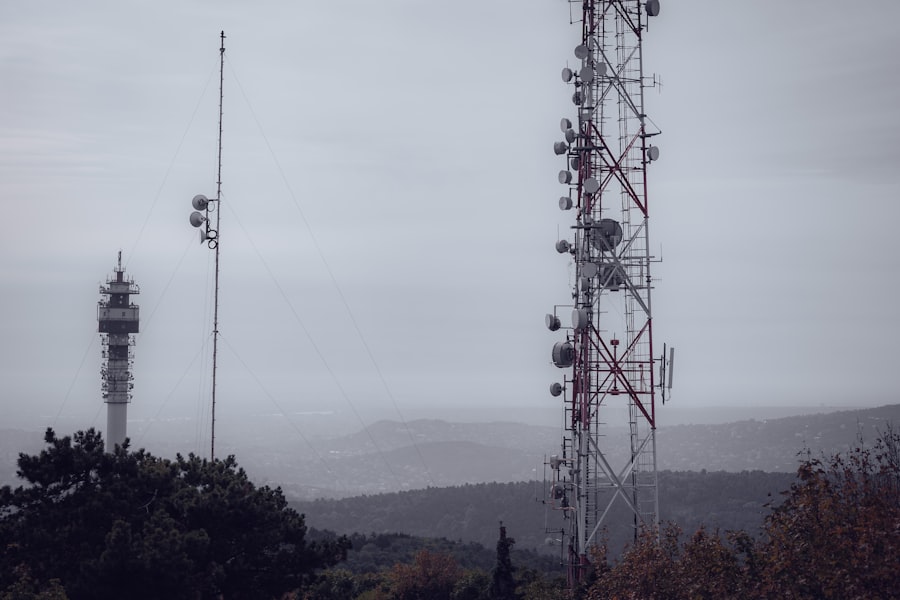
The strategic insights gleaned from the intercepted communications are invaluable for analysts and policymakers alike. One of the most significant revelations was Japan’s growing apprehension regarding China’s military expansion and North Korea’s unpredictable behavior. The discussions indicated a shift in Japan’s defense strategy, emphasizing a more proactive stance in collaboration with allies such as the United States.
This insight is crucial for understanding Japan’s evolving role in regional security dynamics and its commitment to collective defense. Additionally, the intercept provided clarity on Japan’s economic strategies in light of geopolitical tensions. Officials expressed concerns about supply chain vulnerabilities and the need for economic resilience against potential disruptions caused by regional conflicts.
This focus on economic security reflects a broader trend among nations to integrate economic considerations into their national security frameworks. The insights gained from these communications can inform future diplomatic engagements and strategic planning for both Japan and its allies.
Implications for National Security
The implications of the intercepted communications for Japan’s national security are profound. Firstly, the revelations about internal discussions regarding military readiness and defense collaborations signal a potential shift in Japan’s post-World War II pacifist stance. As Japan contemplates a more assertive military posture, it raises questions about its historical commitments and how they may evolve in response to contemporary threats.
This shift could lead to increased military spending and a reevaluation of Japan’s defense alliances. Furthermore, the intercept underscores the importance of intelligence gathering in shaping national security policies. The ability to monitor communications among key officials allows for a more nuanced understanding of potential threats and opportunities.
However, it also raises concerns about privacy and civil liberties, as citizens may question the extent to which their government is surveilling its own officials. Balancing these competing interests will be a critical challenge for Japan moving forward.
Impact on Foreign Relations
| Metric | Description | Value | Time Period |
|---|---|---|---|
| Number of Intercepted Messages | Total Japanese communications intercepted by Allied forces | Over 100,000 | 1941-1945 |
| Key Intelligence Breakthrough | Decoding of Japanese naval codes (JN-25) | Achieved in 1942 | 1942 |
| Impact on Battle of Midway | Use of intercepted communications to anticipate Japanese attack | Decisive Allied victory | June 1942 |
| Primary Intercept Locations | Allied listening posts in Hawaii, Australia, and Philippines | 3 main sites | 1941-1945 |
| Codebreaking Units | US Navy’s OP-20-G and Allied cryptanalysis teams | Multiple teams | 1941-1945 |
The interception of Japanese communications is likely to have significant repercussions for Japan’s foreign relations, particularly with neighboring countries. The insights gained from these communications may alter how Japan engages with China and North Korea, potentially leading to more assertive diplomatic stances or military posturing. For instance, if Japan perceives an increased threat from China based on internal discussions, it may seek to strengthen alliances with other regional powers or enhance its military capabilities.
Moreover, this incident could impact Japan’s relationship with the United States. As an ally, Japan’s strategic decisions are closely tied to U.S. interests in the Asia-Pacific region.
The intercepted communications may prompt discussions between Tokyo and Washington about joint military exercises or intelligence sharing initiatives aimed at countering regional threats. However, it could also lead to tensions if Japan’s actions are perceived as overly aggressive or if they diverge from U.S. policy objectives.
Analysis of Key Players and their Communications
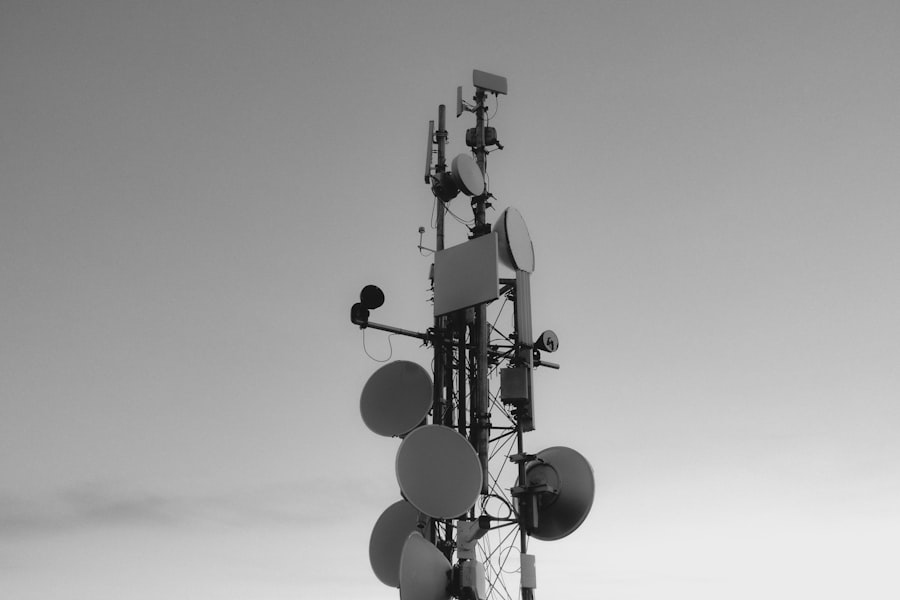
A closer examination of the key players involved in the intercepted communications reveals a complex landscape of interests and motivations. High-ranking officials within Japan’s Ministry of Defense and Foreign Affairs were central figures in these discussions, reflecting their roles in shaping national security policy. Their communications often revealed differing perspectives on how best to address regional threats, highlighting internal debates that could influence decision-making processes.
Additionally, interactions with foreign counterparts were also present in the intercepted communications. These exchanges provided insights into how Japanese officials perceive their relationships with other nations and how they navigate diplomatic challenges. Understanding these dynamics is essential for comprehending Japan’s broader foreign policy objectives and how they may evolve in response to changing geopolitical circumstances.
Technological Aspects of the Intercept
The technological aspects surrounding the interception of Japanese communications are noteworthy in their own right. Advances in surveillance technology have made it increasingly feasible for nations to monitor communications across various platforms, including secure channels that were once considered impenetrable. The methods employed in this particular intercept likely involved sophisticated techniques that can analyze vast amounts of data quickly and efficiently.
Moreover, this incident raises questions about cybersecurity and the protection of sensitive information within government communications. As technology continues to evolve, so too do the methods employed by adversaries seeking to exploit vulnerabilities in communication systems. The intercepted communications serve as a reminder of the ongoing arms race in intelligence gathering and cybersecurity, where nations must continually adapt to emerging threats.
Legal and Ethical Considerations
The interception of communications inevitably brings forth a host of legal and ethical considerations that must be addressed. On one hand, governments have a legitimate interest in monitoring communications for national security purposes; however, this must be balanced against individuals’ rights to privacy and due process. In Japan’s case, there may be legal frameworks governing surveillance practices that could come under scrutiny following this incident.
Ethically, there is a broader debate about the implications of surveillance on democratic governance and civil liberties. Citizens may express concerns about government overreach and the potential misuse of intercepted information for political purposes. As such, it is crucial for policymakers to engage in transparent discussions about surveillance practices and establish clear guidelines that protect individual rights while ensuring national security.
Response from Japanese Government
In light of the intercepted communications, the Japanese government has faced pressure to respond both internally and externally. Domestically, officials have been tasked with addressing public concerns regarding privacy and transparency while reaffirming their commitment to national security. The government may need to engage in public discourse about its surveillance practices and reassure citizens that their rights are being respected.
Externally, Japan’s response will likely involve diplomatic efforts to manage relationships with affected countries. If neighboring nations perceive this interception as an act of aggression or espionage, it could lead to heightened tensions or retaliatory measures. Therefore, crafting a measured response that emphasizes Japan’s commitment to peaceful diplomacy while addressing security concerns will be essential for maintaining stability in the region.
Future Implications and Considerations
Looking ahead, the implications of this interception extend beyond immediate concerns about national security and foreign relations. As Japan navigates its evolving role on the global stage, it must consider how its actions will be perceived by both allies and adversaries alike. The intercepted communications may serve as a catalyst for further discussions about defense spending, military alliances, and regional cooperation.
Additionally, this incident highlights the need for ongoing dialogue about surveillance practices within democratic societies. As technology continues to advance, governments must grapple with balancing security needs against individual rights. Establishing clear legal frameworks that govern surveillance activities will be crucial for maintaining public trust while ensuring effective intelligence operations.
Conclusion and Recommendations
In conclusion, the interception of Japanese communications presents a multifaceted case study that underscores the complexities of modern statecraft. The insights gained from these communications have significant implications for national security, foreign relations, and domestic governance. As Japan moves forward in addressing these challenges, it is essential for policymakers to engage in transparent discussions about surveillance practices while reaffirming their commitment to democratic principles.
Recommendations for Japan include fostering greater collaboration with allies on intelligence sharing while ensuring that legal frameworks governing surveillance are robust and transparent. Additionally, engaging with citizens about privacy concerns will be vital for maintaining public trust in government institutions.
In recent discussions about Japanese communications intercepts, it’s important to consider the broader implications of intelligence gathering in the region. A related article that delves into the complexities of this topic can be found at this link. This article provides valuable insights into the historical context and current strategies employed in communications interception, shedding light on the evolving landscape of security and surveillance in Japan.
WATCH THIS! 🎖️ The Battle of Midway: How Codebreakers Won the Pacific War
FAQs
What is Japanese communications intercept?
Japanese communications intercept refers to the practice of monitoring, capturing, and decoding Japanese military and diplomatic communications, especially during periods such as World War II. This involved the use of cryptanalysis and signal intelligence to gain strategic advantages.
When did Japanese communications intercept become significant?
Japanese communications intercept became particularly significant during World War II, as Allied forces sought to understand Japanese plans and movements by breaking their encrypted messages, such as those sent via the Purple cipher machine.
What methods were used to intercept Japanese communications?
Methods included radio signal interception, cryptanalysis, codebreaking, and the use of specialized equipment and personnel trained in linguistics and cryptography to decode encrypted messages.
What was the impact of intercepting Japanese communications during World War II?
Intercepting Japanese communications provided the Allies with critical intelligence that influenced key battles and strategic decisions, including the Battle of Midway, which was a turning point in the Pacific Theater.
Who were the key organizations involved in Japanese communications intercept?
Key organizations included the United States’ Signals Intelligence Service (SIS), the British Government Code and Cypher School (GC&CS), and other Allied intelligence agencies.
What was the Purple cipher machine?
The Purple cipher machine was a Japanese encryption device used to secure diplomatic communications. Allied cryptanalysts successfully broke its code, allowing them to read secret Japanese messages.
Is Japanese communications intercept still relevant today?
While the specific historical context has changed, the principles of communications intercept and signals intelligence remain relevant in modern military and intelligence operations worldwide.