Naval battle strategies have been fundamental to military success throughout history, directly influencing the outcomes of conflicts. These strategies involve specific tactics and methods that naval commanders use to gain advantages over opposing forces at sea. Naval warfare depends on both the strength of a fleet’s vessels and the quality of strategic planning and execution.
Effective naval battle strategies require understanding the core principles of maritime warfare. Commanders must evaluate multiple factors, including their own ships’ capabilities, the characteristics of enemy forces, and the conditions of the operational area.
These elements interact to create complex situations that affect command decisions at all levels. Naval strategies have evolved significantly from ancient Mediterranean galleys to contemporary aircraft carrier fleets, demonstrating how warfare methods change with technological development.
Key Takeaways
- Naval battle strategies have evolved through historical successes and failures, highlighting the importance of tactics and leadership.
- Technology and intelligence play crucial roles in shaping modern naval warfare and decision-making.
- Geography and environmental conditions significantly influence naval tactics and battle outcomes.
- Deception, misdirection, and effective command are key elements in gaining advantages during naval engagements.
- Studying past naval battles provides valuable lessons for improving contemporary military strategies.
Historical Examples of Successful Naval Battles
Throughout history, numerous naval battles have exemplified the effectiveness of well-crafted strategies. One such example is the Battle of Trafalgar in 1805, where Admiral Horatio Nelson’s British fleet decisively defeated the combined forces of France and Spain. Nelson’s innovative tactics, including his famous “Nelson’s Touch,” involved breaking the enemy’s line to create chaos among their ranks.
This bold maneuver not only showcased his understanding of naval tactics but also highlighted the importance of leadership in executing a successful strategy. The victory at Trafalgar solidified British naval supremacy for over a century and demonstrated how effective planning and execution could turn the tide of war. Another significant example is the Battle of Midway during World War II, which marked a turning point in the Pacific Theater.
The United States Navy, having deciphered Japanese codes, was able to anticipate and counter Japan’s planned attack. Admiral Chester W. Nimitz’s strategic foresight allowed American forces to set an ambush, resulting in the sinking of four Japanese aircraft carriers.
This battle underscored the critical role of intelligence and reconnaissance in naval warfare, as well as the impact of strategic planning on achieving victory against seemingly overwhelming odds. Learn about the incredible leadership of Admiral Nimitz during World War II.
Understanding the Importance of Naval Tactics
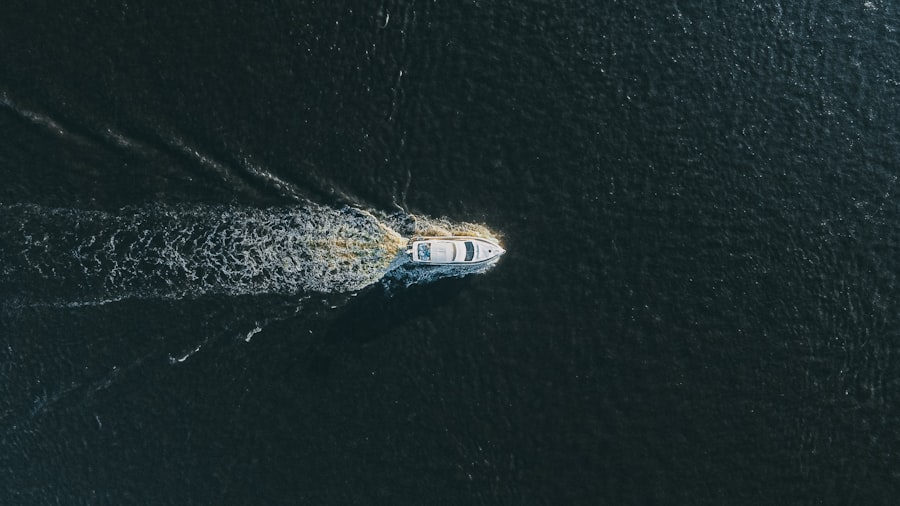
Naval tactics are essential for maximizing the effectiveness of a fleet in combat situations. These tactics encompass a variety of maneuvers and formations designed to exploit an enemy’s weaknesses while protecting one’s own vulnerabilities. The ability to adapt tactics in response to changing circumstances on the battlefield is crucial for success.
For instance, during World War I, the introduction of submarine warfare by Germany forced Allied navies to develop countermeasures such as convoy systems and depth charges, illustrating how tactical evolution is often a response to emerging threats. Moreover, naval tactics are not solely about direct engagement; they also involve strategic positioning and resource allocation. Commanders must consider factors such as supply lines, morale, and crew readiness when devising their plans.
The ability to maintain control over key maritime chokepoints can significantly influence the outcome of a conflict. The Suez Canal and the Strait of Hormuz are prime examples where control over these vital waterways can dictate global trade and military operations.
Analyzing the Role of Technology in Modern Naval Warfare
The landscape of naval warfare has been dramatically transformed by technological advancements. From steam-powered ships to nuclear submarines, technology has continually reshaped how battles are fought at sea. In contemporary warfare, advanced weaponry such as guided missiles, drones, and cyber capabilities have introduced new dimensions to naval strategies.
These innovations allow for greater precision in targeting and enhanced situational awareness, enabling commanders to make informed decisions in real-time. Furthermore, technology has facilitated improved communication and coordination among naval forces. The integration of satellite systems and advanced radar has revolutionized reconnaissance efforts, allowing for comprehensive surveillance of vast oceanic expanses.
This technological edge can be decisive in preempting enemy movements and executing strategic plans effectively. As nations invest heavily in research and development, the race for technological superiority continues to shape modern naval battle strategies.
The Impact of Geography on Naval Battle Strategies
| Metric | Description | Example Value | Significance |
|---|---|---|---|
| Fleet Size | Number of ships involved in the battle | 25 vessels | Determines overall firepower and tactical options |
| Ship Types | Composition of the fleet by ship class (e.g., destroyers, carriers) | 5 carriers, 10 destroyers, 10 frigates | Impacts versatility and mission roles |
| Engagement Range | Distance at which the fleets engage | 15 nautical miles | Affects weapon effectiveness and detection |
| Detection Probability | Likelihood of spotting enemy vessels before engagement | 75% | Critical for surprise and tactical advantage |
| Weapon Accuracy | Percentage of weapons hitting intended targets | 60% | Determines damage inflicted and battle outcome |
| Damage Sustained | Percentage of fleet damage after engagement | 30% | Indicates fleet survivability and future combat readiness |
| Command & Control Efficiency | Effectiveness of communication and decision-making | 85% | Influences coordination and response speed |
| Fuel Consumption | Amount of fuel used during the battle | 5000 tons | Impacts operational range and sustainability |
| Casualty Rate | Percentage of personnel lost or injured | 12% | Reflects human cost and morale impact |
| Victory Probability | Estimated chance of winning based on current strategy | 70% | Helps in assessing strategic effectiveness |
Geography plays a pivotal role in shaping naval battle strategies, influencing everything from fleet movements to engagement tactics. The physical characteristics of a region—such as coastlines, islands, and currents—can dictate how naval forces operate within those waters. For instance, narrow straits or archipelagos can serve as natural chokepoints that require careful navigation and strategic planning to exploit or defend.
Additionally, geographic considerations extend beyond mere topography; they also encompass political and economic factors. Control over strategic maritime routes can provide nations with significant advantages in terms of trade and military logistics. The South China Sea is a prime example where territorial disputes and resource claims have led to heightened tensions among regional powers.
Understanding these geographic dynamics is essential for naval commanders as they formulate strategies that align with both military objectives and geopolitical realities.
Examining the Importance of Intelligence and Reconnaissance
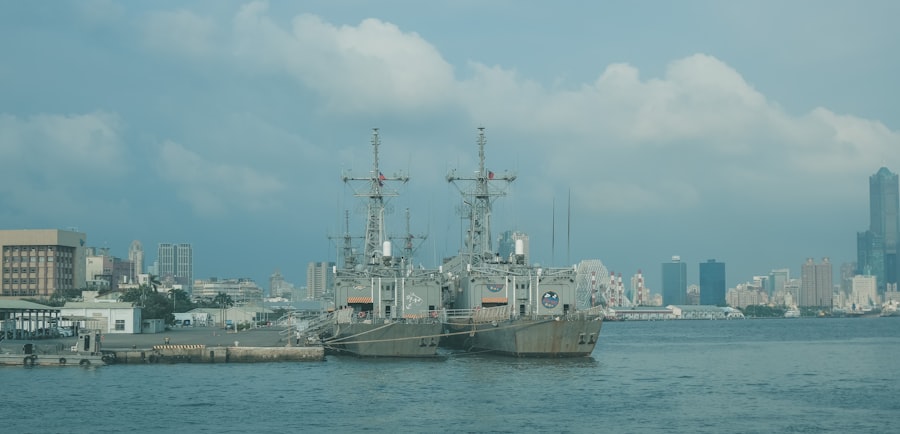
Intelligence and reconnaissance are fundamental components of successful naval operations. The ability to gather accurate information about enemy movements, capabilities, and intentions can significantly influence decision-making on the battlefield. In many historical instances, superior intelligence has provided one side with a decisive advantage over its adversaries.
For example, during the Gulf War in 1991, U.S. naval forces utilized advanced reconnaissance technologies to monitor Iraqi naval activities closely. This intelligence allowed for preemptive strikes against key targets, crippling Iraq’s maritime capabilities before they could pose a significant threat.
The emphasis on intelligence gathering underscores its critical role in shaping naval strategies that are both proactive and reactive.
The Role of Leadership and Command in Naval Battles
Leadership is a cornerstone of effective naval operations, as it directly impacts morale, decision-making, and overall performance during engagements. A skilled commander must possess not only tactical acumen but also the ability to inspire confidence among their crew. Historical figures such as Admiral Nelson and Admiral Nimitz exemplify how strong leadership can galvanize forces to achieve remarkable victories against formidable opponents.
Moreover, effective command structures are essential for ensuring that strategies are executed efficiently during complex operations. Clear communication channels and well-defined roles within a fleet can prevent confusion and enhance coordination among various units. In high-stakes situations where split-second decisions can determine outcomes, strong leadership becomes even more critical in navigating the challenges of naval warfare.
Evaluating the Use of Deception and Misdirection in Naval Warfare
Deception has long been a powerful tool in naval warfare, allowing commanders to mislead their adversaries and create opportunities for surprise attacks. Historical examples abound where misdirection has played a pivotal role in achieving victory at sea. One notable instance is Operation Bodyguard during World War II, which involved elaborate deception plans designed to mislead German forces about the timing and location of Allied landings in Normandy.
The use of decoys, feints, and misinformation can disrupt an enemy’s decision-making process and create openings for decisive action. In modern warfare, electronic warfare capabilities further enhance these deceptive tactics by jamming communications or creating false signals that confuse adversaries. As naval commanders continue to explore innovative ways to employ deception, it remains an integral aspect of strategic planning in maritime conflicts.
The Influence of Weather and Environmental Factors on Naval Tactics
Weather conditions and environmental factors can significantly impact naval operations, often dictating tactical decisions made by commanders at sea. Storms, fog, currents, and visibility all play crucial roles in determining how fleets maneuver during engagements. For instance, adverse weather conditions can hinder visibility and complicate targeting efforts, necessitating adjustments to established plans.
Additionally, understanding seasonal patterns and oceanographic conditions can provide strategic advantages when planning operations. Historical battles have demonstrated how weather can alter outcomes; for example, during the Battle of Jutland in 1916, poor visibility hampered both British and German fleets’ effectiveness. As such, commanders must remain vigilant in assessing environmental factors that could influence their tactical approaches.
Learning from Naval Battle Mistakes and Failures
The study of past naval battles reveals valuable lessons about mistakes and failures that can inform future strategies. Analyzing defeats provides insights into what went wrong—be it poor decision-making, inadequate intelligence, or failure to adapt tactics in response to changing circumstances. The sinking of the USS Indianapolis during World War II serves as a poignant reminder of how lapses in communication and situational awareness can lead to catastrophic consequences.
Moreover, learning from historical failures fosters a culture of continuous improvement within naval forces. By examining past errors critically, commanders can develop more robust strategies that account for potential pitfalls while enhancing overall operational effectiveness. This iterative process is essential for adapting to evolving threats in an increasingly complex maritime environment.
Applying Naval Battle Strategies to Modern Warfare
As warfare continues to evolve in response to technological advancements and shifting geopolitical landscapes, the principles underlying naval battle strategies remain relevant today. The lessons learned from historical engagements provide invaluable insights that modern commanders can apply to contemporary conflicts. By understanding the importance of tactics, technology, intelligence, leadership, deception, geography, weather, and learning from past mistakes, military leaders can craft effective strategies that enhance their chances of success on the high seas.
As new challenges emerge on the horizon—ranging from cyber threats to asymmetric warfare—naval battle strategies will continue to evolve while remaining rooted in foundational concepts that have stood the test of time.
In the realm of naval battle strategy analysis, understanding the historical context and evolution of tactics is crucial. A valuable resource for this is the article available at In The War Room, which delves into various strategic frameworks and their applications in modern naval warfare. This article provides insights that can enhance our comprehension of contemporary naval engagements and the lessons learned from past conflicts.
WATCH THIS! 🎖️ The Battle of Midway: How Codebreakers Won the Pacific War
FAQs
What is naval battle strategy analysis?
Naval battle strategy analysis involves the study and evaluation of tactics, maneuvers, and decision-making processes used in naval warfare. It aims to understand how naval forces engage in combat, optimize their strengths, and exploit enemy weaknesses.
Why is naval battle strategy analysis important?
Analyzing naval battle strategies helps military planners and historians learn from past engagements, improve future tactics, enhance fleet coordination, and develop effective defense and offense plans in maritime conflicts.
What are the key components of naval battle strategy?
Key components include fleet formation, maneuvering tactics, use of technology and weaponry, intelligence and reconnaissance, logistics and supply lines, and command and control structures.
How do modern technologies impact naval battle strategies?
Modern technologies such as radar, sonar, satellite surveillance, missile systems, and electronic warfare significantly influence naval strategies by improving detection, targeting, communication, and defense capabilities.
What historical naval battles are commonly studied in strategy analysis?
Famous naval battles often analyzed include the Battle of Trafalgar, Battle of Midway, Battle of Jutland, and the Battle of Leyte Gulf, among others, due to their strategic significance and lessons learned.
How does geography affect naval battle strategies?
Geographical factors like sea conditions, coastal features, chokepoints, and weather play a crucial role in shaping naval tactics, influencing fleet movements, engagement ranges, and supply routes.
Can naval battle strategy analysis be applied to modern naval warfare?
Yes, while technology and tactics evolve, fundamental principles of naval strategy remain relevant. Analysis helps adapt traditional concepts to contemporary contexts, including asymmetric warfare and multi-domain operations.
What role does intelligence play in naval battle strategy?
Intelligence gathering and analysis are vital for understanding enemy capabilities, intentions, and movements, enabling commanders to make informed decisions and anticipate adversary actions.
How do naval commanders use strategy analysis during combat?
Commanders use strategy analysis to assess real-time battlefield conditions, adjust tactics, allocate resources effectively, and coordinate with allied forces to achieve mission objectives.
Where can one learn more about naval battle strategy analysis?
Information can be found in military history books, naval warfare journals, defense studies programs, and official military training materials provided by naval academies and defense institutions.