# Japanese Naval Strategy in the Early 20th Century and World War II
Japanese naval strategy underwent significant development during the early 20th century and became a critical factor in World War II. This evolution reflected Japan’s geographic position, industrial capabilities, and strategic objectives in the Pacific region. During the Meiji Restoration and subsequent decades, Japan modernized its navy by adopting Western naval technologies and organizational structures.
The Imperial Japanese Navy emerged as a formidable regional power, particularly following its victory in the Russo-Japanese War (1904-1905), which demonstrated the effectiveness of Japanese naval tactics and ship design. The strategic doctrine that developed emphasized quality over quantity, with Japan focusing on building superior warships and training highly skilled personnel. This approach reflected both Japan’s limited industrial capacity compared to Western powers and its need to maintain naval superiority in Asian waters.
By the 1930s, Japanese naval strategy centered on the concept of decisive fleet engagement in the Pacific. Military planners anticipated a confrontation with the United States and developed plans for rapid strikes to neutralize American naval power before the U.S. could fully mobilize its industrial resources.
This strategic framework directly influenced Japan’s military operations during World War II, including the attack on Pearl Harbor in December 1941, which aimed to achieve temporary naval superiority. However, the strategy ultimately proved insufficient against the combined industrial and military capacity of the Allied powers, particularly the United States.
Key Takeaways
- The Battle of Midway was a pivotal event that reshaped Japanese naval strategy and highlighted critical weaknesses.
- Intelligence, communication, and technology played crucial roles in shaping the effectiveness of Japanese naval operations.
- Imperial ambitions and logistical challenges significantly influenced Japan’s strategic decisions and naval capabilities.
- American economic and industrial strength posed a major obstacle to Japanese naval success during World War II.
- Lessons from past failures continue to inform the evolution and future direction of Japan’s maritime defense strategy.
The Imperial Japanese Navy (IJN) was not merely a military force; it was a manifestation of Japan’s aspirations for regional dominance and global influence. The strategic doctrines that guided the IJN were shaped by a combination of historical experiences, cultural factors, and geopolitical realities. As Japan sought to expand its empire, its naval strategy became increasingly aggressive, reflecting the nation’s imperialistic ambitions and the belief that naval power was essential for securing resources and asserting dominance over neighboring territories.
The development of Japanese naval strategy was influenced by several key factors, including the lessons learned from previous conflicts, the technological advancements of the time, and the strategic environment in which Japan found itself. The Meiji Restoration marked a turning point for Japan, as the nation rapidly modernized its military forces, adopting Western technologies and tactics. This modernization laid the groundwork for a formidable naval presence that would eventually challenge established powers in the Pacific.
As Japan’s ambitions grew, so too did its reliance on naval power as a means of achieving its goals, leading to a complex interplay between strategy, technology, and imperialism. Learn about the incredible leadership of Admiral Nimitz during World War II.
The Battle of Midway and its Impact on Japanese Naval Strategy
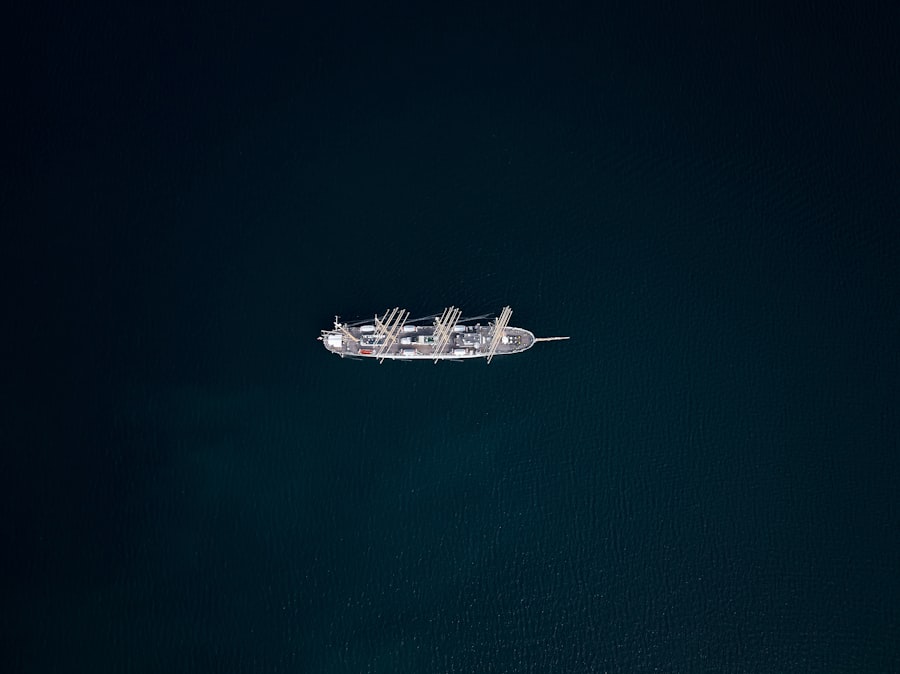
The Battle of Midway, fought in June 1942, stands as a critical juncture in the history of Japanese naval strategy. This decisive engagement not only marked a turning point in the Pacific Theater of World War II but also exposed significant flaws in Japan’s strategic planning and execution. Prior to Midway, the Japanese Navy had enjoyed a series of victories that bolstered its confidence and reinforced its belief in the superiority of its naval tactics.
However, the loss of four aircraft carriers at Midway fundamentally altered the balance of power in the Pacific and forced Japan to reevaluate its strategic approach. The defeat at Midway had profound implications for Japanese naval strategy moving forward. It underscored the importance of intelligence and reconnaissance, as American codebreakers had successfully deciphered Japanese communications, allowing them to anticipate the attack.
This failure to secure critical intelligence not only contributed to Japan’s losses but also highlighted the need for improved communication and coordination within the IJN. In the aftermath of Midway, Japanese naval leaders recognized that their previous strategies were no longer viable in the face of an increasingly adaptive and resourceful adversary.
The Importance of Intelligence and Communication in Naval Strategy
Intelligence and communication have always been cornerstones of effective naval strategy, and this was particularly true for Japan during World War
The ability to gather, analyze, and disseminate information about enemy movements and intentions can significantly influence the outcome of naval engagements. In the case of Japan, the failure to prioritize intelligence operations ultimately hampered its strategic effectiveness. The Battle of Midway serves as a stark reminder of how critical intelligence can be; had Japan been more adept at gathering information about American forces, it might have achieved a different outcome.
| Aspect | Metric/Data | Details |
|---|---|---|
| Battle of Midway Losses | 4 Aircraft Carriers Lost | Akagi, Kaga, Soryu, and Hiryu sunk, drastically reducing carrier strength |
| Aircraft Losses at Midway | ~248 Aircraft | Significant depletion of experienced pilots and aircraft |
| Intelligence Failures | Underestimation of US Codebreaking | Japanese unaware US had broken naval codes, leading to ambush |
| Resource Allocation | Overextension of Fleet | Multiple simultaneous operations diluted naval strength |
| Submarine Effectiveness | Low Impact | Japanese submarines failed to significantly disrupt US naval movements |
| Loss of Experienced Pilots | High Attrition Rate | Training programs unable to replace veteran pilots quickly |
| Strategic Focus | Emphasis on Decisive Battle | Neglected prolonged war of attrition, which favored US industrial capacity |
Moreover, communication within the ranks of the IJN was often fraught with challenges. The hierarchical nature of Japanese military culture sometimes stifled open dialogue and hindered decision-making processes. This lack of effective communication became evident during key battles when commanders failed to share vital information or coordinate their actions effectively.
As Japan’s naval strategy evolved in response to setbacks like Midway, there was a growing recognition that fostering a culture of open communication and intelligence sharing was essential for future success.
The Role of Technology in Japanese Naval Strategy
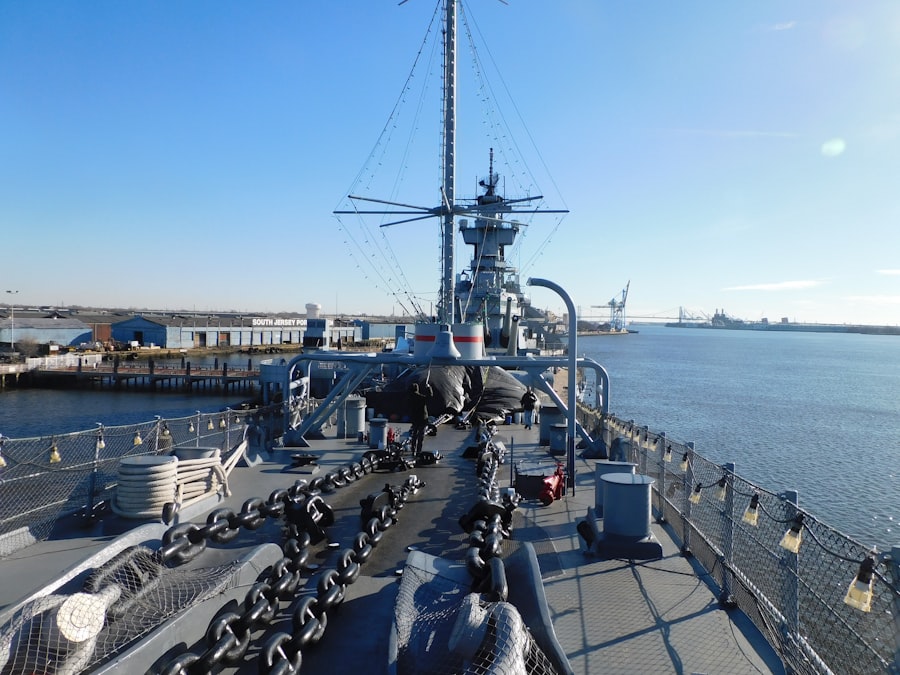
Technology played a pivotal role in shaping Japanese naval strategy throughout the early 20th century. The rapid advancements in naval warfare technology, including aircraft carriers, submarines, and advanced weaponry, transformed how naval battles were fought. Japan’s investment in these technologies allowed it to build a formidable fleet that could project power across vast distances.
The IJN’s emphasis on aircraft carriers as the centerpiece of its naval strategy reflected a broader trend in modern warfare that prioritized air superiority. However, while Japan initially excelled in technological innovation, it struggled to maintain this advantage as the war progressed. The United States’ industrial capacity allowed it to outproduce Japan in terms of ships, aircraft, and munitions.
This disparity became increasingly evident as the war dragged on, leading to a situation where Japan’s once-advanced fleet began to suffer from obsolescence. The inability to adapt its technological strategies in response to changing circumstances ultimately contributed to Japan’s downfall in the Pacific.
The Influence of Imperialistic Ambitions on Japanese Naval Strategy
Imperialistic ambitions were at the heart of Japanese naval strategy during the early 20th century. As Japan sought to expand its empire throughout Asia and the Pacific, its navy became an instrument for achieving these goals. The desire for resources, territory, and influence drove Japan to adopt an aggressive posture toward neighboring nations, leading to conflicts such as the Sino-Japanese War and later engagements with Western powers.
The belief that naval power was essential for securing these ambitions shaped every aspect of Japanese military planning. This imperialistic mindset also influenced Japan’s strategic decisions during World War
The attack on Pearl Harbor was not merely a tactical maneuver; it was emblematic of Japan’s broader aspirations for dominance in the Pacific. However, this aggressive approach ultimately proved counterproductive as it alienated potential allies and galvanized opposition from nations like the United States. The consequences of these imperialistic ambitions became increasingly apparent as Japan faced mounting resistance from both military adversaries and local populations in occupied territories.
The Significance of Logistics and Supply in Naval Strategy
Logistics and supply chains are often overlooked aspects of naval strategy, yet they are crucial for sustaining military operations at sea. For Japan during World War II, logistical challenges became increasingly pronounced as the conflict progressed. The vast distances involved in operating across the Pacific meant that maintaining supply lines was essential for supporting naval forces engaged in combat operations.
However, as Japan expanded its territorial ambitions, it struggled to secure adequate resources and maintain effective supply routes.
As American forces gained control over critical islands and established bases closer to Japan, they disrupted Japanese supply lines and made it increasingly difficult for the IJN to sustain its operations.
This logistical disadvantage ultimately hampered Japan’s ability to project power effectively and respond to American offensives, highlighting how vital logistics are to successful naval strategy.
The Impact of American Economic and Industrial Power on Japanese Naval Strategy
The economic and industrial capabilities of the United States played a transformative role in shaping Japanese naval strategy during World War
From the outset of the conflict, it became clear that America possessed an unparalleled capacity for wartime production. This industrial might allowed the United States to rapidly replenish its losses while simultaneously expanding its fleet with new ships and advanced technologies. In contrast, Japan’s economy struggled to keep pace with the demands of prolonged warfare.
As American production ramped up, it became increasingly difficult for Japan to compete on equal footing. The loss of key battleships and aircraft carriers at Midway was compounded by America’s ability to replace these losses quickly. This disparity in industrial capacity not only affected immediate military engagements but also had long-term implications for Japan’s strategic outlook.
Faced with an adversary capable of outproducing them at every turn, Japanese leaders were forced to confront the reality that their naval strategy needed significant reevaluation.
The Role of Leadership and Decision-making in Japanese Naval Strategy
Leadership and decision-making processes within the Imperial Japanese Navy were critical factors influencing its strategic direction throughout World War
The consequences of these leadership dynamics became evident during pivotal moments in the war when indecision or miscalculation led to disastrous outcomes. For instance, Admiral Yamamoto’s plans for a decisive victory at Midway were undermined by conflicting opinions among senior commanders regarding operational priorities. This lack of cohesive leadership ultimately contributed to Japan’s inability to adapt its strategies effectively in response to changing circumstances on the battlefield.
The Legacy of Japanese Naval Strategy in Modern Maritime Warfare
The legacy of Japanese naval strategy continues to resonate within modern maritime warfare discussions today. While many aspects of IJN tactics have been rendered obsolete by advancements in technology and changes in geopolitical dynamics, certain principles remain relevant for contemporary naval strategists. The emphasis on air power as a central component of naval operations can be traced back to Japan’s experiences during World War II, where aircraft carriers played a pivotal role in determining outcomes at sea.
Moreover, lessons learned from Japan’s failures have informed modern approaches to intelligence gathering, logistics management, and decision-making processes within naval forces worldwide. The importance placed on adaptability and innovation reflects an understanding that successful maritime operations require continuous evolution in response to emerging threats and challenges.
Lessons Learned from the Failure of Japanese Naval Strategy
The failures experienced by Japanese naval strategy during World War II offer valuable lessons for contemporary military planners and strategists. One key takeaway is the necessity of prioritizing intelligence operations and fostering effective communication within military hierarchies. The inability to gather accurate information about enemy movements or share critical insights among commanders proved detrimental for Japan at several crucial junctures.
Additionally, logistical considerations must be integrated into strategic planning from the outset rather than treated as an afterthought. The challenges faced by Japan in maintaining supply lines highlight how vital logistics are for sustaining military operations over extended periods—especially when engaging adversaries with superior industrial capabilities.
The Future of Japanese Maritime Defense and Strategy
Looking ahead, Japan faces unique challenges as it seeks to navigate an increasingly complex maritime security environment in East Asia. With rising tensions surrounding territorial disputes in the South China Sea and North Korea’s nuclear ambitions posing significant threats, Japan must adapt its maritime defense strategies accordingly. This includes enhancing cooperation with allies such as the United States while investing in advanced technologies that can bolster its naval capabilities.
Furthermore, Japan’s historical experiences with naval warfare will likely inform its future strategies as it seeks to balance deterrence with diplomacy in an evolving geopolitical landscape. By learning from past mistakes while embracing innovation and collaboration with international partners, Japan can position itself effectively within modern maritime defense frameworks—ensuring that it remains prepared for whatever challenges lie ahead on the horizon.
The failure of Japanese naval strategy during World War II can be attributed to several critical miscalculations and an underestimation of their adversaries. A detailed analysis of these strategic errors can be found in the article titled “The Downfall of Japanese Naval Strategy,” which explores the pivotal moments that led to Japan’s defeat. For further insights, you can read the article [here](https://www.inthewarroom.com/sample-page/).
WATCH THIS! 🎖️ The Battle of Midway: How Codebreakers Won the Pacific War
FAQs
What was the main objective of Japanese naval strategy before and during World War II?
Japanese naval strategy aimed to establish naval dominance in the Pacific, secure resource-rich territories, and protect the Japanese Empire from Western powers, particularly the United States and the British Empire.
What were some key elements of Japanese naval strategy that contributed to its failure?
Key elements included overreliance on decisive battleship engagements, underestimation of American industrial capacity, inadequate logistics and supply lines, and failure to adapt to evolving naval warfare technologies such as aircraft carriers and submarines.
How did the attack on Pearl Harbor reflect Japanese naval strategy?
The attack on Pearl Harbor was intended as a preemptive strike to cripple the U.S. Pacific Fleet, allowing Japan to expand unopposed in Southeast Asia. While initially successful, it ultimately galvanized American resolve and led to a prolonged conflict that Japan was ill-prepared to sustain.
What role did aircraft carriers play in the failure of Japanese naval strategy?
Japan initially had a strong carrier force, but losses at battles such as Midway severely weakened their carrier fleet. The failure to replace these losses and adapt carrier tactics contributed significantly to Japan’s naval decline.
Why was the Battle of Midway considered a turning point in Japanese naval strategy?
The Battle of Midway resulted in the loss of four Japanese aircraft carriers and many experienced pilots, which drastically reduced Japan’s naval air power and shifted the balance of naval power in the Pacific to the United States.
Did Japanese naval strategy consider the industrial capacity of the United States?
Japanese planners underestimated the industrial capacity and resilience of the United States, which was able to rapidly build and deploy new ships, aircraft, and other war materials, overwhelming Japanese naval forces over time.
How did logistics and supply issues affect Japanese naval operations?
Japan’s extended supply lines and limited access to resources hindered sustained naval operations, making it difficult to maintain and repair ships, resupply fuel and ammunition, and support distant garrisons.
What lessons were learned from the failure of Japanese naval strategy?
Lessons include the importance of technological adaptation, the need for sustainable logistics, the risks of underestimating an opponent’s industrial capacity, and the strategic value of air power and carrier-based operations in modern naval warfare.