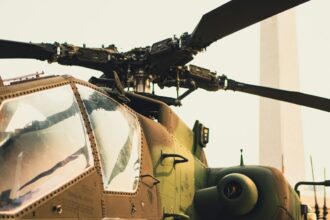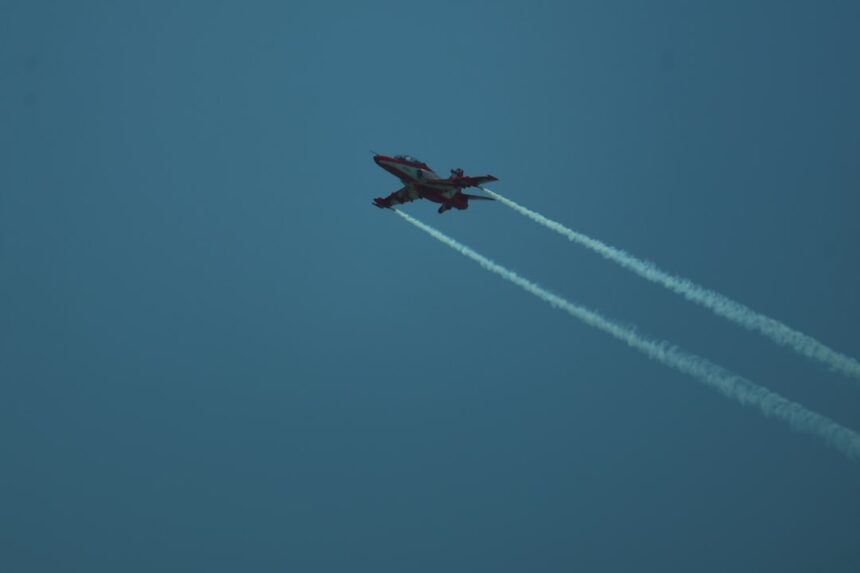
Air superiority represents the degree of control one military force maintains over airspace relative to opposing forces, enabling operations with minimal interference from enemy aircraft. This concept encompasses the ability to conduct aerial missions while denying the enemy effective use of the same airspace. Military forces achieve air superiority through a combination of advanced aircraft, air defense systems, electronic warfare capabilities, and tactical coordination.
Forces with air dominance can conduct intelligence, surveillance, and reconnaissance missions to gather critical battlefield information. They can provide close air support to ground units, interdict enemy supply lines, and execute strategic bombing campaigns against high-value targets.
Additionally, air superiority protects friendly ground forces from enemy air attacks and facilitates the movement of troops and equipment. Air superiority influences multiple aspects of military operations beyond direct combat engagement. It enables the coordination of joint operations between air, land, and naval forces while providing commanders with enhanced situational awareness.
The ability to control airspace also affects logistics operations, allowing for secure transport of personnel and supplies. Modern military doctrine recognizes air superiority as a prerequisite for successful large-scale operations, as it creates the conditions necessary for other military objectives to be achieved effectively.
Key Takeaways
- Air superiority is crucial for dominance in modern warfare, heavily relying on accurate intelligence.
- Technological advancements have transformed intelligence gathering, enhancing air warfare capabilities.
- Cybersecurity and global collaboration are vital to protect and maintain intelligence advantages.
- Ethical, legal, and infrastructural investments are essential for sustainable and responsible intelligence operations.
- The future of air warfare intelligence depends on integrating innovation with strategic alliances and ethical standards.
The Role of Intelligence in Air Superiority
Intelligence plays a pivotal role in establishing and maintaining air superiority.
Effective intelligence operations provide commanders with the insights necessary to make informed decisions about when and where to engage in aerial combat.
Understanding the enemy’s strengths and weaknesses allows for the development of strategies that exploit vulnerabilities while minimizing risks to friendly forces. Moreover, intelligence is crucial for situational awareness in air operations. Pilots and commanders rely on real-time data to navigate complex environments, identify threats, and execute missions successfully.
The integration of intelligence into air operations enhances decision-making processes, enabling forces to adapt quickly to changing circumstances on the battlefield. In this context, intelligence is not merely an adjunct to air power; it is an essential element that underpins successful military operations. Learn about the fascinating story of a Soviet radar engineer espionage Cold War operation that changed history.
The Evolution of Intelligence Gathering in Air Warfare
The methods of intelligence gathering in air warfare have evolved significantly over the decades, driven by advancements in technology and changes in warfare dynamics. In the early days of aviation, intelligence was primarily gathered through visual reconnaissance and reports from ground troops. As aerial combat became more sophisticated, so too did the methods of collecting information.
The introduction of radar systems during World War II marked a turning point, allowing for the detection of enemy aircraft at greater distances and providing critical data for air defense strategies. In recent years, the evolution of intelligence gathering has been further accelerated by the advent of unmanned aerial vehicles (UAVs) and satellite technology. Drones equipped with advanced sensors can conduct surveillance missions over vast areas without risking human lives.
These platforms provide high-resolution imagery and real-time data that are invaluable for assessing enemy positions and movements. Additionally, satellite reconnaissance has become a cornerstone of modern intelligence operations, offering global coverage and the ability to monitor activities across borders. This evolution reflects a broader trend toward integrating diverse sources of information to create a comprehensive picture of the operational environment.
The Integration of Technology in Intelligence Gathering
The integration of technology into intelligence gathering has transformed how military forces operate in air warfare. Advanced sensors, artificial intelligence (AI), and data analytics have revolutionized the collection and analysis of information. Modern aircraft are equipped with sophisticated radar systems and electronic warfare capabilities that enhance their ability to detect and track enemy assets.
These technologies enable forces to gather intelligence more efficiently and accurately than ever before. Furthermore, AI plays a crucial role in processing vast amounts of data generated by various sources. Machine learning algorithms can analyze patterns and identify potential threats, allowing commanders to make informed decisions rapidly.
The fusion of data from multiple platforms—such as satellites, drones, and ground-based sensors—creates a more comprehensive understanding of the battlefield. This technological integration not only improves situational awareness but also enhances the effectiveness of air operations by enabling timely responses to emerging threats.
The Challenges of Maintaining Intelligence Advantage
| Metric | Value | Description |
|---|---|---|
| Number of ISR (Intelligence, Surveillance, Reconnaissance) Aircraft | 500+ | Includes platforms like RQ-4 Global Hawk, U-2, and E-3 AWACS |
| Satellite Reconnaissance Coverage | Global, 24/7 | Continuous real-time satellite imagery and signals intelligence |
| Cyber Intelligence Units | 10,000+ personnel | Dedicated teams for cyber warfare and intelligence gathering |
| Data Processing Speed | Petabytes per day | Capacity to analyze vast amounts of intelligence data rapidly |
| AI-Driven Intelligence Tools | Deployed | Use of artificial intelligence for pattern recognition and threat prediction |
| Allied Intelligence Sharing Agreements | 5 major alliances | Includes NATO, Five Eyes, and other strategic partnerships |
| Electronic Warfare Capabilities | Advanced | Superior jamming, spoofing, and signal interception technologies |
| Budget Allocation for Air Superiority Intelligence | Significant | High investment in R&D and operational intelligence assets |
Despite advancements in technology and intelligence gathering methods, maintaining an intelligence advantage remains a formidable challenge for military forces. One significant obstacle is the sheer volume of data that must be processed and analyzed. As technology continues to evolve, the amount of information available increases exponentially, making it difficult for analysts to discern relevant insights from noise.
This challenge necessitates ongoing investment in training personnel and developing robust analytical tools to ensure that critical information is not overlooked. Additionally, adversaries are constantly adapting their tactics to counter intelligence efforts. The proliferation of advanced technologies has made it easier for enemies to conceal their activities or employ countermeasures against surveillance systems.
This cat-and-mouse dynamic requires military forces to remain agile and innovative in their approaches to intelligence gathering. Developing new strategies to outsmart adversaries while protecting sensitive information is essential for maintaining an edge in air warfare.
The Impact of Globalization on Intelligence Advantage
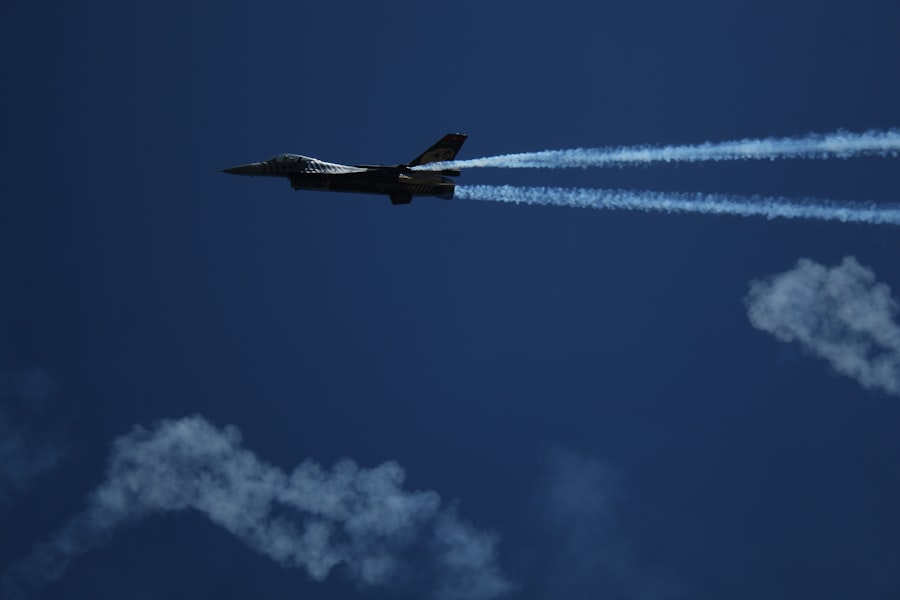
Globalization has had a profound impact on the landscape of intelligence gathering in air warfare. The interconnectedness of nations means that information flows more freely across borders, creating both opportunities and challenges for military forces. On one hand, collaboration with allied nations can enhance intelligence capabilities through shared resources and expertise.
Joint exercises and information-sharing agreements allow for a more comprehensive understanding of potential threats and foster interoperability among allied forces. On the other hand, globalization also presents risks related to information security and espionage. As nations become more reliant on technology for intelligence gathering, they must contend with the potential for cyberattacks and data breaches that could compromise sensitive information.
Adversaries may exploit vulnerabilities in global supply chains or communication networks to gain access to critical intelligence assets. Navigating this complex landscape requires military forces to adopt robust security measures while fostering international partnerships that enhance collective intelligence capabilities.
The Role of Cybersecurity in Maintaining Intelligence Advantage
In an era where cyber threats are increasingly prevalent, cybersecurity has become integral to maintaining an intelligence advantage in air warfare. Protecting sensitive data from cyberattacks is paramount for military organizations that rely on technology for intelligence gathering and operational planning. A successful breach could not only compromise critical information but also undermine trust among allies and erode public confidence in military capabilities.
To address these challenges, military forces must invest in robust cybersecurity measures that safeguard their networks and systems. This includes implementing advanced encryption protocols, conducting regular security assessments, and training personnel to recognize potential threats. Additionally, fostering collaboration between military cybersecurity units and civilian agencies can enhance overall resilience against cyber threats.
By prioritizing cybersecurity as a fundamental aspect of intelligence operations, military forces can better protect their assets and maintain a strategic advantage in air warfare.
The Importance of Collaboration and Alliances in Intelligence Gathering
Collaboration and alliances play a vital role in enhancing intelligence gathering capabilities in air warfare. In an increasingly complex global security environment, no single nation can effectively address all threats independently. By forming alliances with other countries, military forces can pool resources, share intelligence, and leverage diverse expertise to create a more comprehensive understanding of potential adversaries.
Joint exercises and training programs further strengthen these partnerships by fostering interoperability among allied forces. When nations work together to conduct intelligence operations, they can develop standardized procedures and protocols that enhance efficiency and effectiveness. Moreover, collaboration allows for the sharing of best practices and lessons learned from past conflicts, enabling military forces to adapt their strategies based on collective experiences.
Ultimately, strong alliances not only bolster individual nations’ intelligence capabilities but also contribute to regional stability and security.
The Future of Intelligence Advantage in Air Warfare
The future of intelligence advantage in air warfare will likely be shaped by continued advancements in technology and evolving geopolitical dynamics. As artificial intelligence becomes more sophisticated, its integration into intelligence operations will enhance decision-making processes and improve situational awareness on the battlefield. Predictive analytics may enable military forces to anticipate enemy actions more accurately, allowing for proactive responses rather than reactive measures.
Additionally, the increasing reliance on unmanned systems for reconnaissance will redefine traditional concepts of air superiority. Drones equipped with advanced sensors will continue to play a crucial role in gathering real-time intelligence while minimizing risks to human personnel. However, as technology evolves, so too will the tactics employed by adversaries seeking to counter these advancements.
Military forces must remain vigilant and adaptable, continuously refining their approaches to maintain an edge in an ever-changing landscape.
The Ethical and Legal Considerations of Intelligence Gathering
As military forces navigate the complexities of intelligence gathering in air warfare, ethical and legal considerations must remain at the forefront of decision-making processes. The collection of information often raises questions about privacy rights, sovereignty, and adherence to international law. Striking a balance between national security interests and ethical obligations is essential for maintaining public trust and legitimacy.
Moreover, transparency in intelligence operations can help mitigate concerns about potential abuses or overreach. Establishing clear guidelines for data collection, analysis, and dissemination ensures that military forces operate within legal frameworks while respecting individual rights. Engaging with civil society organizations and legal experts can provide valuable insights into best practices for ethical intelligence gathering.
Ultimately, upholding ethical standards is not only a legal obligation but also a moral imperative that reinforces the integrity of military operations.
The Importance of Investing in Intelligence Infrastructure
Investing in intelligence infrastructure is crucial for ensuring that military forces maintain a competitive edge in air warfare. This includes not only technological advancements but also human capital development through training programs that equip personnel with the skills needed to navigate complex intelligence environments effectively. A well-resourced intelligence infrastructure enables timely decision-making processes that are essential for operational success.
Furthermore, ongoing investment in research and development can drive innovation within intelligence gathering methodologies. As new technologies emerge, military forces must be prepared to adapt their strategies accordingly while remaining vigilant against evolving threats. By prioritizing investments in intelligence infrastructure—ranging from advanced technologies to personnel training—military organizations can enhance their capabilities and ensure they remain prepared for future challenges in air warfare.
In conclusion, air superiority remains a cornerstone of modern military strategy, heavily reliant on effective intelligence gathering and analysis. As technology continues to evolve alongside geopolitical dynamics, maintaining an intelligence advantage will require ongoing adaptation and investment across various domains—from cybersecurity measures to international collaboration efforts. By prioritizing these elements within their operational frameworks, military forces can position themselves for success in an increasingly complex global security landscape.
American air superiority is heavily influenced by its intelligence advantage, which allows for superior situational awareness and strategic decision-making in combat scenarios. A related article that delves deeper into this topic can be found on In The War Room, where the complexities of air power and intelligence integration are explored. For more insights, you can read the article [here](https://www.inthewarroom.com/).
WATCH THIS! 🕵️ HE CHOSE BETRAYAL—And His Wife Paid the Price | The Billion Dollar Spy
FAQs
What is meant by American air superiority?
American air superiority refers to the United States’ ability to dominate the airspace in a conflict, ensuring control over the skies by neutralizing or outmatching enemy air forces.
How does intelligence contribute to American air superiority?
Intelligence provides critical information about enemy capabilities, movements, and intentions, enabling the U.S. military to plan and execute air operations effectively, maintain situational awareness, and anticipate threats.
What types of intelligence are used to maintain air superiority?
The U.S. employs various intelligence types including signals intelligence (SIGINT), imagery intelligence (IMINT), human intelligence (HUMINT), and electronic intelligence (ELINT) to gather comprehensive data on adversaries.
Which technologies support the intelligence advantage in American air superiority?
Technologies such as advanced radar systems, satellite reconnaissance, unmanned aerial vehicles (UAVs), cyber intelligence tools, and secure communication networks support the intelligence advantage.
Why is maintaining an intelligence advantage important for air superiority?
An intelligence advantage allows the U.S. to detect threats early, optimize resource deployment, conduct precision strikes, and reduce risks to personnel and equipment, thereby sustaining air dominance.
How does American air superiority impact global military strategy?
American air superiority enables rapid response to crises, supports allied operations, deters adversaries, and ensures freedom of movement for U.S. and coalition forces worldwide.
What role do stealth and electronic warfare play in American air superiority?
Stealth technology reduces aircraft detectability, while electronic warfare disrupts enemy sensors and communications, both enhancing the effectiveness of air operations and preserving the intelligence edge.
How is intelligence shared among U.S. military branches to support air superiority?
Intelligence is integrated and disseminated through joint command centers and secure networks, facilitating coordinated operations among the Air Force, Navy, Army, and allied forces.
What challenges does the U.S. face in maintaining its air superiority intelligence advantage?
Challenges include evolving enemy technologies, cyber threats, anti-access/area denial (A2/AD) strategies, and the need to continuously innovate intelligence collection and analysis methods.
How does training contribute to leveraging intelligence for air superiority?
Regular training ensures that personnel can effectively interpret intelligence data, operate advanced systems, and execute tactics that capitalize on the intelligence advantage during air operations.