Radar systems have become an integral part of modern military operations, serving as a critical tool for detection, tracking, and targeting. These systems operate by emitting radio waves that bounce off objects, allowing operators to determine the distance, speed, and direction of various targets. The fundamental principle behind radar technology is the Doppler effect, which enables the detection of moving objects by analyzing the frequency shift of the returned signals.
Over the years, radar systems have evolved significantly, incorporating advanced technologies such as phased array antennas and digital signal processing to enhance their capabilities. The complexity of radar systems varies widely, from simple ground-based installations to sophisticated airborne systems capable of tracking multiple targets simultaneously. Military forces utilize different types of radar, including search radars for wide-area surveillance and fire control radars for precise targeting.
Understanding the operational characteristics of these systems is crucial for both military strategists and pilots, as it lays the groundwork for developing effective evasion tactics. The ability to comprehend how radar systems function allows for a more informed approach to countering their effectiveness in combat scenarios.
Key Takeaways
- Radar evasion is critical for enhancing survivability and mission success in air combat.
- Techniques like radar notching and using terrain effectively help reduce radar detection.
- Electronic warfare and stealth technology play key roles in modern radar evasion strategies.
- Continuous training is essential for pilots to master radar evasion tactics.
- Future advancements and countermeasures will shape the evolving landscape of radar evasion.
The Importance of Radar Evasion
In the realm of air combat, radar evasion is paramount for ensuring the survivability of aircraft and the success of missions. As radar technology continues to advance, the ability to remain undetected has become increasingly vital. The consequences of being detected by enemy radar can be dire, leading to successful targeting by surface-to-air missiles or enemy aircraft.
Therefore, mastering radar evasion techniques is essential for maintaining a tactical advantage in hostile environments. Moreover, radar evasion is not solely about avoiding detection; it also plays a significant role in strategic planning and operational execution. By minimizing radar signatures, military forces can conduct surprise attacks, gather intelligence, and execute reconnaissance missions with reduced risk.
The importance of radar evasion extends beyond individual aircraft; it influences broader military strategies and can determine the outcome of entire campaigns. As such, understanding and implementing effective radar evasion techniques is a critical component of modern warfare. Learn about the fascinating story of a Soviet radar engineer espionage Cold War operation that changed history.
Techniques for Notching Radar

Notching radar involves employing specific maneuvers and tactics designed to exploit the limitations of radar systems. One common technique is the use of altitude changes to create a “notch” in the radar’s coverage. By flying at a specific altitude that corresponds with the radar’s blind spots, pilots can effectively reduce their chances of detection.
This method requires precise knowledge of the radar’s operational parameters and an understanding of how altitude affects signal propagation. Another effective technique for notching radar is utilizing speed and maneuverability. High-speed turns or rapid changes in direction can confuse radar systems, making it difficult for operators to track an aircraft accurately.
This tactic is particularly useful in dogfighting scenarios where agility can be leveraged to evade incoming threats. Additionally, pilots may employ electronic countermeasures in conjunction with these maneuvers to further enhance their chances of remaining undetected.
Utilizing Terrain for Radar Evasion
Terrain plays a crucial role in radar evasion strategies, as natural features can provide cover and concealment from enemy detection. Pilots often exploit mountains, valleys, and other geographical formations to mask their aircraft from radar systems. By flying at low altitudes and using the terrain to shield themselves, pilots can significantly reduce their radar cross-section and minimize the likelihood of being detected.
Incorporating terrain into flight planning requires a deep understanding of both the landscape and the capabilities of enemy radar systems. Pilots must be adept at navigating complex environments while maintaining situational awareness to avoid obstacles. This approach not only enhances survivability but also allows for more effective mission execution by enabling surprise attacks or stealthy reconnaissance operations.
The synergy between terrain utilization and radar evasion underscores the importance of comprehensive training and preparation in modern air combat.
Electronic Warfare and Radar Evasion
| Metric | Description | Typical Values | Impact on Radar Detection |
|---|---|---|---|
| Notch Width | Frequency band width where radar emissions are suppressed or reduced | 1-5 MHz | Reduces radar return in specific frequency bands, lowering detection probability |
| Notch Depth | Amount of signal attenuation in the notched frequency band | 20-40 dB | Significantly decreases radar cross-section in targeted frequencies |
| Notch Duration | Time period during which the notch is active | Milliseconds to seconds | Allows dynamic evasion during radar scanning or pulse intervals |
| Radar Frequency Range | Typical radar operating frequencies targeted by notching | 1-10 GHz (L, S, C bands) | Notching tailored to evade common air combat radar bands |
| Radar Cross Section (RCS) Reduction | Percentage decrease in RCS due to notching | 10-50% | Improves survivability by reducing radar detectability |
| Signal-to-Noise Ratio (SNR) Impact | Effect of notching on radar receiver’s SNR | Reduction by 5-15 dB | Degrades radar’s ability to detect and track the aircraft |
| Implementation Method | Techniques used to achieve notching | Electronic Countermeasures (ECM), Radar Warning Receivers (RWR) | Enables adaptive and selective frequency suppression |
Electronic warfare (EW) has emerged as a vital component of modern military operations, particularly in the context of radar evasion. EW encompasses a range of tactics designed to disrupt or deceive enemy radar systems through jamming, spoofing, or other electronic countermeasures. By employing these techniques, military forces can create confusion among enemy operators and enhance their own chances of remaining undetected.
Jamming involves transmitting signals that interfere with enemy radar frequencies, rendering them ineffective. This tactic can be employed strategically to create windows of opportunity for friendly aircraft to maneuver without detection. Spoofing, on the other hand, involves sending false signals that mimic legitimate targets, misleading enemy radar systems into tracking non-existent threats.
The integration of electronic warfare capabilities into air combat strategies has revolutionized the approach to radar evasion, allowing for more sophisticated and effective tactics.
Training for Radar Evasion
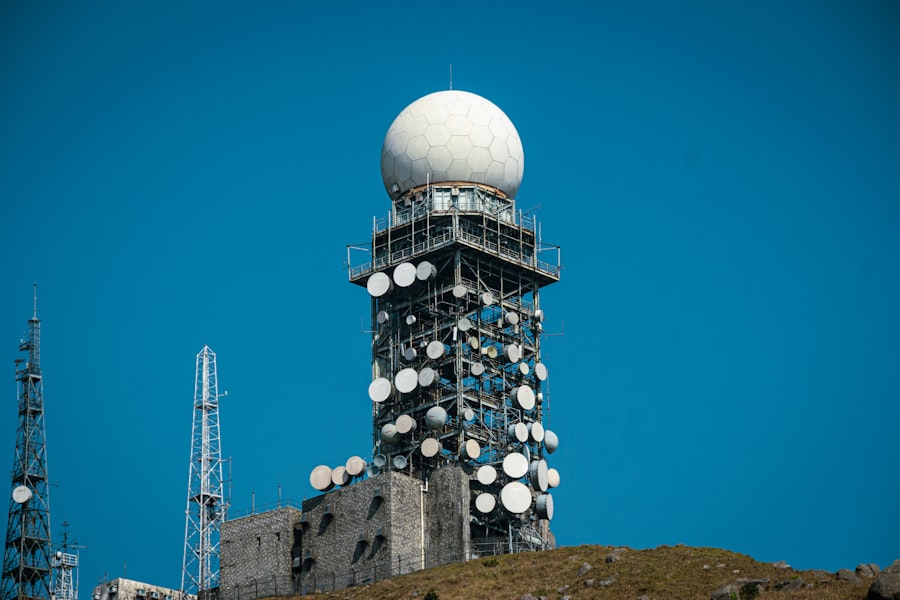
Effective training is essential for pilots and military personnel tasked with executing radar evasion techniques. Comprehensive training programs focus on developing a deep understanding of radar systems, terrain navigation, and electronic warfare tactics. Simulated exercises allow pilots to practice notching maneuvers, low-level flying, and electronic countermeasures in controlled environments before facing real-world challenges.
Moreover, continuous training ensures that personnel remain proficient in evolving tactics and technologies. As radar systems advance, so too must the strategies employed to evade them. Regular drills and assessments help maintain readiness and adaptability in dynamic combat scenarios.
The emphasis on training underscores the importance of preparation in achieving success in air combat operations where radar evasion is critical.
The Role of Stealth Technology in Radar Evasion
Stealth technology has revolutionized the landscape of air combat by significantly reducing an aircraft’s radar cross-section (RCS). This technology employs advanced materials and design principles that absorb or deflect radar waves, making it challenging for enemy systems to detect stealthy aircraft. The integration of stealth features into modern fighter jets has transformed how military forces approach aerial engagements.
While stealth technology provides a substantial advantage in avoiding detection, it is not a standalone solution. Pilots must still employ traditional evasion techniques alongside stealth capabilities to maximize their effectiveness in combat scenarios. The combination of low observability through stealth design and tactical maneuvers creates a multifaceted approach to radar evasion that enhances survivability on the battlefield.
Countermeasures for Radar Evasion
As military technology evolves, so do countermeasures designed to detect and track stealthy aircraft. Advanced radar systems are increasingly capable of identifying low-observable targets through improved signal processing techniques and multi-spectral sensors. In response, military forces must continuously adapt their radar evasion strategies to counter these advancements.
Countermeasures may include deploying decoys that mimic aircraft signatures or utilizing advanced electronic warfare tactics to confuse enemy sensors. Additionally, ongoing research into new materials and designs aims to further enhance stealth capabilities while addressing emerging threats. The dynamic nature of military technology necessitates a proactive approach to countermeasures, ensuring that forces remain one step ahead in the ongoing battle between detection and evasion.
The Future of Radar Evasion
The future of radar evasion will likely be shaped by advancements in technology and evolving military strategies. As artificial intelligence (AI) becomes more integrated into military operations, it may play a pivotal role in enhancing situational awareness and decision-making processes during combat scenarios. AI algorithms could analyze vast amounts of data from various sources to identify optimal evasion tactics in real-time.
Furthermore, advancements in materials science may lead to new stealth technologies that further reduce an aircraft’s detectability across multiple spectrums. As nations invest in research and development, the race for superior radar evasion capabilities will continue to drive innovation within military aviation. The future landscape will require continuous adaptation and evolution as both offensive and defensive technologies advance.
Case Studies of Successful Radar Evasion
Examining historical case studies provides valuable insights into successful radar evasion tactics employed during various conflicts. One notable example is the use of terrain masking during the Vietnam War when U.S. forces utilized mountainous landscapes to evade North Vietnamese radar systems effectively.
This strategy allowed for surprise attacks on enemy positions while minimizing exposure to anti-aircraft defenses. Another significant case study involves the use of electronic warfare during Operation Desert Storm, where coalition forces employed jamming techniques to disrupt Iraqi radar systems effectively. By blinding enemy sensors, coalition aircraft were able to conduct precision strikes with reduced risk of detection.
These examples highlight the importance of integrating multiple tactics—terrain utilization, electronic warfare, and traditional evasion techniques—to achieve success in complex combat environments.
Mastering Air Combat through Radar Evasion
Mastering air combat through effective radar evasion is essential for ensuring mission success and maintaining operational superiority in modern warfare. As technology continues to evolve, so too must the strategies employed by military forces to counter advanced radar systems. By understanding the principles behind radar technology, utilizing terrain effectively, integrating electronic warfare capabilities, and investing in continuous training, military personnel can enhance their chances of remaining undetected.
The interplay between stealth technology and traditional evasion techniques further underscores the complexity of modern air combat strategies. As nations continue to innovate and adapt their approaches to warfare, mastering radar evasion will remain a critical component in achieving tactical advantages on the battlefield. Ultimately, success in air combat hinges on a comprehensive understanding of both offensive and defensive measures—ensuring that forces are prepared to navigate an increasingly challenging landscape where detection and evasion are at constant odds.
In the realm of air combat, the technique of notching radar has become a crucial strategy for evading detection and engaging in stealthy maneuvers. For a deeper understanding of this tactic and its implications in modern warfare, you can explore the article on air combat strategies available at this link. This resource provides valuable insights into the evolution of radar evasion techniques and their impact on aerial engagements.
WATCH THIS! 🕵️ HE CHOSE BETRAYAL—And His Wife Paid the Price | The Billion Dollar Spy
FAQs
What is air combat notching in radar evasion?
Air combat notching is a radar evasion technique used by fighter aircraft to avoid detection or targeting by enemy radar systems. It involves maneuvering the aircraft to position the radar antenna’s blind spot, or “notch,” between the aircraft and the radar source, thereby reducing the radar return signal.
How does notching help in evading radar detection?
Notching exploits the radar antenna’s directional limitations by placing the aircraft in an angular position where the radar’s signal reflection is minimized. This reduces the radar cross-section (RCS) seen by the enemy radar, making the aircraft harder to detect or track.
Is air combat notching effective against all types of radar?
Notching is primarily effective against mechanically scanned radar systems with fixed antenna patterns that have inherent blind spots. It is less effective against modern phased-array radars, which can electronically steer their beams and have fewer or no blind spots.
What maneuvers are involved in air combat notching?
Pilots perform specific turns or bank angles to align the aircraft’s position with the radar antenna’s notch. This often involves flying at certain angles relative to the radar source, such as side-on or slightly off-axis, to exploit the radar’s antenna pattern.
Can air combat notching be used in all phases of air combat?
Notching is most commonly used during defensive maneuvers to evade radar-guided missiles or tracking. It can also be employed during offensive operations to reduce the chance of detection, but its effectiveness depends on the radar system and tactical situation.
Are there limitations to the air combat notching technique?
Yes, notching requires precise knowledge of the enemy radar’s antenna pattern and positioning. It also limits the pilot’s maneuvering options and may expose the aircraft to other threats. Additionally, modern radar technologies and sensor fusion can reduce the effectiveness of notching.
Is air combat notching a widely taught tactic in military aviation?
Yes, air combat notching is a recognized radar evasion tactic taught in advanced fighter pilot training programs. It is part of a broader set of electronic warfare and maneuvering techniques designed to enhance survivability in contested airspace.
How does air combat notching differ from other radar evasion techniques?
Unlike electronic countermeasures that jam or deceive radar signals, notching is a physical maneuver that exploits the radar antenna’s geometry. It complements other evasion methods by reducing the radar return through positioning rather than electronic interference.