Air superiority is a critical component of modern military strategy, serving as a decisive factor in the outcome of conflicts. It refers to the degree of dominance that one force has over another in the airspace, allowing for the freedom to conduct operations without significant interference from enemy aircraft. The significance of air superiority cannot be overstated; it enables ground and naval forces to operate effectively, provides vital intelligence, and protects friendly assets from aerial threats.
In essence, achieving air superiority is often the first step in any military campaign, laying the groundwork for subsequent operations. The implications of air superiority extend beyond mere tactical advantages. Historically, conflicts where one side achieved air dominance have often resulted in swift victories, while those lacking such control faced severe challenges.
The ability to dictate the terms of engagement in the air allows forces to conduct reconnaissance missions, support ground troops, and execute strategic bombings with minimal risk. As warfare evolves, the quest for air superiority remains a fundamental objective, underscoring its importance in both conventional and asymmetric warfare scenarios.
Key Takeaways
- Air superiority is crucial for controlling the battlefield and ensuring mission success.
- Radar systems are essential tools for detecting, tracking, and engaging enemy aircraft.
- Various radar types, including pulse-Doppler and phased array, offer different tactical advantages.
- Effective radar warfare requires integration with other technologies and advanced training.
- Future radar warfare will face challenges but remains vital, with ethical and legal considerations shaping its use.
The Role of Radar in Air Superiority
Radar technology plays a pivotal role in establishing and maintaining air superiority. By providing real-time situational awareness, radar systems enable military forces to detect, track, and engage aerial threats effectively. The ability to identify enemy aircraft before they can launch an attack is crucial for safeguarding friendly forces and assets.
Moreover, radar systems contribute to the overall effectiveness of air defense networks.
This integration ensures that responses to aerial threats are swift and precise, minimizing the risk of surprise attacks. As adversaries develop increasingly sophisticated stealth technologies, the role of radar becomes even more critical in countering these advancements and maintaining an edge in aerial engagements. Learn about the fascinating story of a Soviet radar engineer espionage Cold War operation that changed history.
Types of Radar Systems for Air Superiority
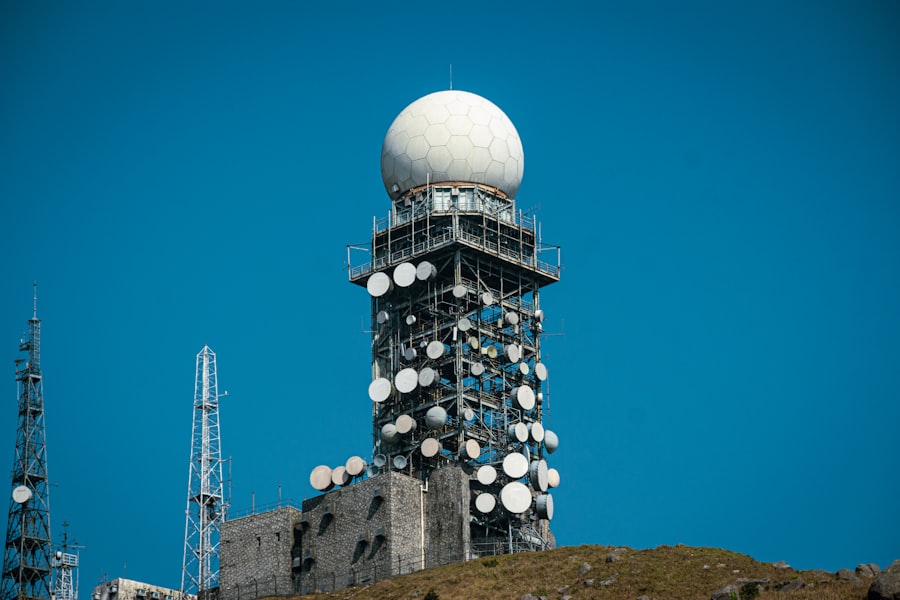
There are several types of radar systems designed specifically for achieving air superiority, each with its unique capabilities and applications. One of the most common types is the ground-based radar system, which is strategically positioned to monitor vast areas of airspace. These systems can detect a wide range of aerial threats, from low-flying drones to high-altitude bombers.
Ground-based radars are often integrated into comprehensive air defense networks, providing a robust layer of protection against enemy incursions. Another essential type is airborne radar systems, typically mounted on fighter jets or surveillance aircraft. These radars offer enhanced mobility and flexibility, allowing forces to adapt to changing battlefield conditions.
Airborne radars can perform various functions, including target acquisition, tracking, and engagement coordination. Additionally, advanced radar technologies such as phased array and synthetic aperture radar have revolutionized aerial surveillance capabilities, enabling forces to detect and track multiple targets simultaneously with remarkable accuracy.
Radar Warfare Tactics and Techniques
The effective use of radar in warfare involves a range of tactics and techniques designed to maximize its potential while minimizing vulnerabilities. One common tactic is the use of electronic warfare to disrupt enemy radar systems. By employing jamming techniques or deploying decoys, forces can create confusion and reduce the effectiveness of adversary radar networks.
This approach allows friendly aircraft to operate with greater freedom while complicating the enemy’s ability to respond effectively. Another important technique involves the integration of radar data with other intelligence sources to create a comprehensive picture of the battlefield. By combining information from satellite imagery, signals intelligence, and human intelligence, commanders can enhance their situational awareness and make more informed decisions.
This multi-faceted approach not only improves target identification but also aids in anticipating enemy movements and strategies, further solidifying air superiority.
Integrating Radar with Other Air Superiority Technologies
| Metric | Description | Typical Values / Examples | Impact on Air Superiority |
|---|---|---|---|
| Radar Detection Range | Maximum distance at which radar can detect airborne targets | 150-400 km (varies by radar type) | Longer range allows earlier threat detection and engagement |
| Radar Frequency Band | Operating frequency of radar (e.g., L, S, X, Ku bands) | X-band (8-12 GHz) common for fighter radars | Affects resolution, range, and susceptibility to jamming |
| Target Tracking Capacity | Number of targets radar can track simultaneously | 20-60 targets | Higher capacity improves situational awareness and engagement options |
| Electronic Counter-Countermeasures (ECCM) | Techniques to resist jamming and deception | Frequency hopping, pulse compression, adaptive filtering | Enhances radar reliability in contested environments |
| Radar Cross Section (RCS) Detection Threshold | Smallest target size radar can detect | 0.001 – 1 m² (stealth aircraft detection varies) | Lower threshold improves detection of stealth targets |
| Data Link Integration | Ability to share radar data with other platforms | Link 16, Link 22, proprietary networks | Improves coordinated air superiority operations |
| Radar Refresh Rate | Frequency at which radar updates target information | 1-10 Hz | Higher refresh rates enable faster reaction to threats |
| Power Output | Radar transmitter power | 1-10 kW peak power | Higher power increases detection range and signal clarity |
The integration of radar systems with other technologies is essential for achieving comprehensive air superiority. Modern military operations rely on a networked approach that combines radar data with various platforms and systems. For instance, linking radar information with command and control systems allows for real-time decision-making and coordination among different military branches.
This integration enhances the overall effectiveness of air operations by ensuring that all assets are working in concert toward a common objective. Additionally, advancements in artificial intelligence (AI) and machine learning are transforming how radar data is analyzed and utilized. These technologies can process vast amounts of information quickly, identifying patterns and anomalies that may indicate potential threats.
By automating certain aspects of data analysis, military forces can respond more rapidly to emerging situations, further solidifying their position in the airspace.
Challenges and Limitations of Radar Warfare
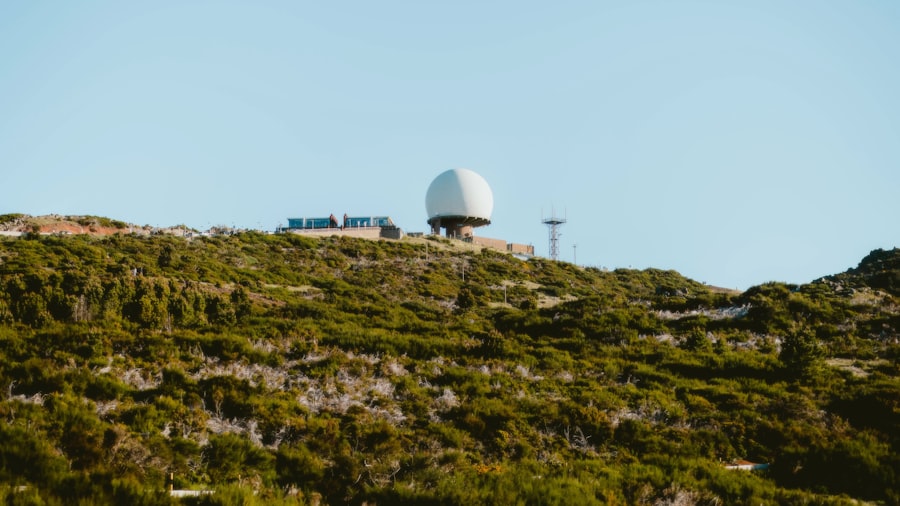
Despite its critical role in achieving air superiority, radar warfare is not without challenges and limitations. One significant issue is the increasing sophistication of stealth technology employed by adversaries. Stealth aircraft are designed to minimize their radar cross-section, making them difficult to detect using traditional radar systems.
As a result, military forces must continually adapt their radar technologies and tactics to counter these advancements effectively. Moreover, environmental factors can impact radar performance. Weather conditions such as rain, fog, or snow can hinder radar detection capabilities, leading to potential gaps in situational awareness.
Additionally, terrain features like mountains or urban environments can create blind spots for ground-based radar systems. These challenges necessitate ongoing research and development efforts to enhance radar technologies and ensure that they remain effective in diverse operational environments.
Training and Skill Development for Radar Warfare
To maximize the effectiveness of radar systems in achieving air superiority, comprehensive training and skill development are essential for military personnel. Operators must be proficient in interpreting radar data accurately and making quick decisions based on that information. This requires not only technical knowledge but also an understanding of tactics and strategies relevant to aerial engagements.
Training programs often include simulations that replicate real-world scenarios, allowing operators to practice their skills in a controlled environment. These exercises help personnel develop critical thinking abilities and improve their response times under pressure. Furthermore, ongoing education about emerging technologies and evolving threats ensures that operators remain adept at utilizing radar systems effectively in an ever-changing battlefield landscape.
The Future of Radar Warfare in Air Superiority
As technology continues to advance at a rapid pace, the future of radar warfare in air superiority promises to be dynamic and transformative. Emerging technologies such as quantum radar hold the potential to revolutionize detection capabilities by utilizing quantum mechanics principles to identify stealthy targets more effectively. This could significantly alter the balance of power in aerial engagements by rendering traditional stealth technologies less effective.
Additionally, the integration of unmanned aerial vehicles (UAVs) into radar warfare strategies is expected to expand operational capabilities further. UAVs equipped with advanced radar systems can conduct surveillance missions over vast areas while remaining out of reach from enemy defenses. This synergy between manned and unmanned platforms will likely enhance situational awareness and provide military forces with a more comprehensive understanding of the battlespace.
Case Studies of Successful Radar Warfare in Air Superiority
Examining historical case studies reveals valuable insights into successful radar warfare strategies that have contributed to achieving air superiority. One notable example is the Gulf War in 1991 when coalition forces employed advanced radar systems to gain control over Iraqi airspace swiftly. The integration of ground-based radars with airborne early warning aircraft allowed for effective tracking and engagement of enemy aircraft, leading to a decisive victory for coalition forces.
Another significant case study is the 2003 Iraq War, where coalition forces utilized advanced radar technologies alongside precision-guided munitions to neutralize Iraqi air defenses rapidly. The ability to detect and target enemy radars allowed coalition aircraft to operate with relative impunity, further solidifying their dominance in the airspace. These examples underscore the critical role that radar warfare plays in achieving air superiority during modern conflicts.
Ethical and Legal Considerations in Radar Warfare
As with any aspect of warfare, ethical and legal considerations surrounding radar warfare must be addressed thoughtfully. The use of advanced surveillance technologies raises questions about privacy rights and civilian safety during military operations. Ensuring that radar systems are employed responsibly requires adherence to international laws governing armed conflict and respect for human rights.
Furthermore, as military forces increasingly rely on automated systems powered by artificial intelligence for decision-making processes related to radar warfare, ethical dilemmas arise regarding accountability and transparency. Establishing clear guidelines for the use of such technologies is essential to prevent unintended consequences and maintain public trust in military operations.
Mastering Air Superiority with Radar Warfare
In conclusion, mastering air superiority through effective radar warfare is paramount for modern military operations. The importance of achieving dominance in the skies cannot be overstated; it serves as a foundation for successful ground and naval operations while safeguarding friendly forces from aerial threats. As technology continues to evolve, so too must the strategies employed by military forces to leverage radar capabilities effectively.
The integration of advanced radar systems with other technologies will play a crucial role in shaping future conflicts. However, challenges such as stealth technology and environmental factors must be addressed through ongoing research and development efforts. Ultimately, training personnel to operate these systems proficiently will ensure that military forces remain prepared for the complexities of modern warfare.
As nations navigate the ethical implications surrounding radar warfare, it is essential to strike a balance between operational effectiveness and adherence to legal standards. By doing so, military forces can harness the full potential of radar technology while upholding their responsibilities on the global stage. In this ever-evolving landscape of warfare, mastering air superiority through radar will remain a critical objective for nations seeking to protect their interests and maintain security in an increasingly complex world.
Air superiority is a critical component of modern military strategy, and understanding radar warfare is essential for achieving dominance in the skies. A related article that delves into the intricacies of air superiority radar warfare strategy can be found on In The War Room. This resource provides valuable insights into the technologies and tactics that shape aerial engagements. For more information, you can read the article [here](https://www.inthewarroom.com/).
WATCH THIS! 🕵️ HE CHOSE BETRAYAL—And His Wife Paid the Price | The Billion Dollar Spy
FAQs
What is air superiority radar warfare strategy?
Air superiority radar warfare strategy involves the use of advanced radar systems to detect, track, and engage enemy aircraft, ensuring control of the airspace during military operations. It focuses on gaining and maintaining dominance in the air by leveraging radar technology for early warning, target acquisition, and coordination of air defense assets.
How does radar contribute to air superiority?
Radar systems provide real-time information about the position, speed, and altitude of enemy aircraft, enabling friendly forces to respond quickly and effectively. This early detection capability allows for better decision-making, interception, and engagement, which are critical for achieving and maintaining air superiority.
What types of radar are used in air superiority warfare?
Common radar types used include airborne early warning and control (AEW&C) radars, ground-based surveillance radars, fire control radars, and fighter aircraft radar systems. Each type serves a specific role, from broad area surveillance to precise targeting and missile guidance.
What are the key components of an air superiority radar warfare strategy?
Key components include integrated radar networks, electronic warfare measures to protect radar systems and disrupt enemy radars, coordination between air defense units and fighter aircraft, and continuous training and updates to radar technology to counter evolving threats.
How does electronic warfare impact radar effectiveness in air superiority?
Electronic warfare techniques such as jamming, deception, and radar spoofing can degrade or disable radar performance. Effective air superiority radar warfare strategies incorporate countermeasures to protect radar systems and maintain situational awareness despite electronic attacks.
Why is integration important in radar warfare strategy?
Integration allows multiple radar systems and platforms to share data, creating a comprehensive and accurate air picture. This enhances situational awareness, reduces blind spots, and improves coordination among air defense assets, making the overall strategy more effective.
Can air superiority be maintained without radar?
While visual identification and other sensors can contribute, radar is essential for detecting threats beyond visual range and in all weather conditions. Without radar, maintaining air superiority becomes significantly more challenging and less reliable.
What advancements are shaping the future of air superiority radar warfare?
Advancements include the development of stealth detection radars, artificial intelligence for faster data processing, network-centric warfare capabilities, and improved electronic counter-countermeasures (ECCM) to enhance radar resilience against jamming and deception.