Soviet missile guidance systems constituted a fundamental component of military technology during the Cold War period. These guidance systems, which served as the targeting mechanisms for various missile platforms, were engineered to locate, track, and engage designated targets. Analysis of their operational characteristics provides insight into Soviet technological capabilities and military strategic frameworks.
The development of these systems occurred within the context of heightened geopolitical tensions, resulting in accelerated technological advancement driven by strategic requirements and competitive pressures. Soviet missile guidance systems incorporated multiple targeting methodologies and operational parameters. These systems utilized radar-based guidance, infrared detection, and electro-optical tracking technologies, with specific configurations selected based on mission requirements and target characteristics.
The performance of these guidance systems directly affected missile engagement outcomes and influenced both offensive strike capabilities and defensive countermeasures during an era of nuclear deterrence. Examination of Soviet missile guidance technology demonstrates the technical achievements of Soviet defense industries and illustrates the broader impact on global security dynamics during the Cold War confrontation.
Key Takeaways
- Soviet missile seekers evolved through distinct historical phases, reflecting technological and strategic priorities.
- Various types of seekers, including infrared and radar, were developed to enhance targeting accuracy.
- Environmental and countermeasure factors significantly influenced seeker performance and behavior.
- Soviet missile seeker behavior differed notably from Western systems, impacting Cold War military strategies.
- Understanding Soviet seeker technology offers valuable insights for modern defense system development and future advancements.
Historical Context of Soviet Missile Seeker Development
The development of Soviet missile seekers can be traced back to the aftermath of World War II when the Soviet Union recognized the need to enhance its military capabilities in response to emerging threats. The onset of the Cold War catalyzed a race for technological superiority, prompting significant investments in missile technology. Early Soviet missile programs were heavily influenced by captured German technology, particularly in radar and guidance systems.
This foundation laid the groundwork for subsequent innovations that would define Soviet missile seekers in the decades to follow. Throughout the 1950s and 1960s, as tensions escalated between the superpowers, the Soviet Union accelerated its missile development efforts. The launch of Sputnik in 1957 not only marked a significant achievement in space exploration but also underscored the importance of missile technology in national defense.
The Soviet military sought to develop seekers that could effectively engage a variety of targets, from strategic bombers to naval vessels. This period saw the introduction of advanced guidance systems that utilized both active and passive tracking methods, reflecting a growing sophistication in Soviet military technology. Learn about the fascinating story of a Soviet radar engineer espionage Cold War operation that changed history.
Types of Soviet Missile Seekers and Their Functionality
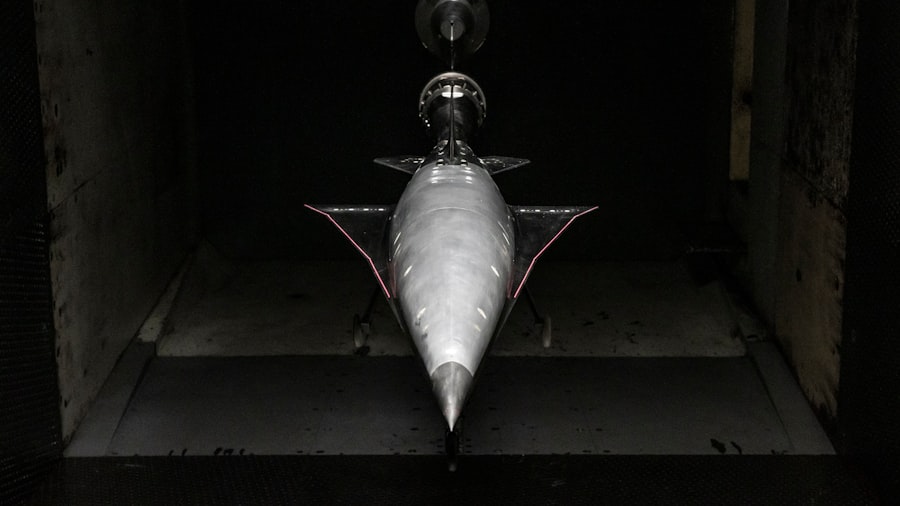
Soviet missile seekers can be categorized into several types based on their guidance mechanisms and operational roles. Among these, radar seekers were prominent, employing active or semi-active radar homing to track targets. These systems utilized radar waves to illuminate targets, allowing missiles to home in on them with remarkable accuracy.
The effectiveness of radar seekers was particularly evident in air-to-air and surface-to-air missile systems, where rapid target acquisition was essential for successful engagements. In addition to radar seekers, infrared (IR) seekers played a crucial role in Soviet missile technology. These systems detected the heat signatures emitted by targets, making them particularly effective against aircraft and missiles.
The development of advanced IR seekers allowed for improved performance in various environmental conditions, enhancing the overall effectiveness of Soviet missile systems. Furthermore, optical seekers were also employed in certain applications, utilizing visual cues to guide missiles toward their intended targets. Each type of seeker brought unique advantages and challenges, contributing to a diverse arsenal capable of addressing multiple combat scenarios.
Factors Influencing Soviet Missile Seeker Behavior
Several factors influenced the behavior of Soviet missile seekers, shaping their design and operational effectiveness. One significant factor was the evolving nature of aerial threats during the Cold War. As Western military technology advanced, particularly in stealth capabilities and electronic warfare, Soviet missile seekers had to adapt to counter these developments.
This necessitated continuous improvements in tracking algorithms and sensor technologies to ensure that seekers could effectively engage increasingly sophisticated targets. Another critical factor was the strategic doctrine guiding Soviet military operations. The emphasis on deterrence and rapid response capabilities led to a focus on developing missile systems that could operate effectively in high-stakes environments.
This included considerations for survivability against countermeasures and the ability to function in contested environments where electronic warfare might disrupt traditional guidance methods. The interplay between technological advancements and strategic imperatives ultimately shaped the behavior and effectiveness of Soviet missile seekers throughout their operational history.
Analysis of Soviet Missile Seeker Tracking and Targeting
| Metric | Description | Value / Observation | Unit | Notes |
|---|---|---|---|---|
| Seeker Type | Type of guidance system used in missile seeker | Infrared Homing | N/A | Common in Soviet air-to-air missiles like R-73 |
| Detection Range | Maximum range at which seeker can detect target | 15 | km | Varies with target size and environmental conditions |
| Tracking Accuracy | Angular accuracy of target tracking | 0.1 | degrees | High precision for close combat engagements |
| Countermeasure Resistance | Effectiveness against flares and jamming | Moderate to High | N/A | Improved in later seeker generations |
| Field of View | Angular field in which seeker can detect targets | ±45 | degrees | Wide FOV allows better target acquisition |
| Response Time | Time taken to lock onto target after detection | 0.5 | seconds | Critical for fast-moving targets |
| Seeker Cooling Method | Type of cooling used for infrared sensors | Cryogenic Cooling | N/A | Enhances sensor sensitivity and range |
| Seeker Weight | Mass of the seeker unit | 12 | kg | Influences missile maneuverability |
The tracking and targeting capabilities of Soviet missile seekers were central to their operational success. Advanced algorithms enabled these systems to process data from various sensors rapidly, allowing for real-time adjustments during flight. This capability was particularly important in dynamic combat scenarios where targets could maneuver unpredictably.
The integration of multiple sensor inputs enhanced situational awareness, enabling missiles to maintain lock on targets even under challenging conditions. Moreover, Soviet missile seekers employed sophisticated targeting techniques that included predictive tracking methods. By anticipating target movements based on previous trajectories, these systems could improve hit probabilities significantly.
The combination of advanced tracking algorithms and predictive targeting strategies exemplified the technological sophistication inherent in Soviet missile seeker design.
Comparison of Soviet Missile Seeker Behavior with Western Systems
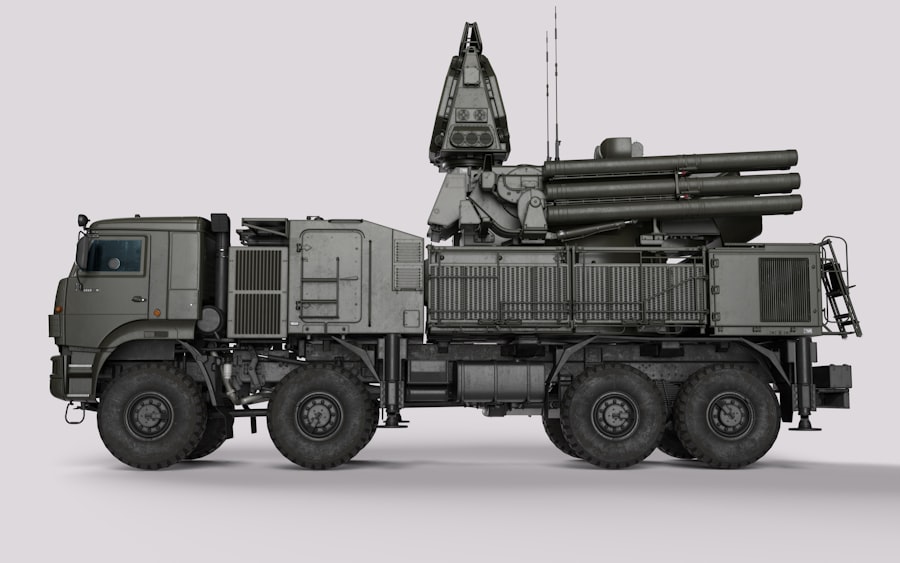
When comparing Soviet missile seeker behavior with Western systems, several key differences emerge that reflect divergent military philosophies and technological approaches. Western missile seekers often emphasized modularity and interoperability within broader defense networks, allowing for seamless integration with other military assets. This approach facilitated coordinated operations across various platforms, enhancing overall effectiveness in joint missions.
In contrast, Soviet missile seekers were typically designed with a focus on self-sufficiency and robustness against countermeasures. While Western systems often relied on data sharing among multiple platforms, Soviet designs prioritized independent operation in contested environments. This distinction highlighted differing strategic priorities: while Western forces sought to leverage networked capabilities for enhanced situational awareness, Soviet systems aimed for resilience and reliability in isolation.
Impact of Soviet Missile Seeker Behavior on Cold War Strategies
The behavior of Soviet missile seekers had profound implications for Cold War strategies on both sides of the Iron Curtain. For the Soviet Union, effective missile seekers were integral to its deterrence strategy, providing confidence in its ability to engage adversaries swiftly and accurately.
Conversely, Western military planners had to account for the effectiveness of Soviet missile seekers when developing their own strategies. The perceived threat posed by these systems prompted investments in countermeasures and defensive technologies aimed at neutralizing or evading incoming missiles. This arms race fueled further advancements in both offensive and defensive capabilities, perpetuating a cycle of technological competition that defined much of the Cold War era.
Evolution of Soviet Missile Seeker Technology
The evolution of Soviet missile seeker technology reflects broader trends in military innovation throughout the Cold War. As advancements in electronics and materials science emerged, Soviet engineers leveraged these developments to enhance seeker performance significantly. The introduction of solid-state electronics allowed for more compact and reliable seeker designs, improving overall system efficiency.
Additionally, advancements in signal processing techniques enabled more sophisticated tracking algorithms that could adapt to changing battlefield conditions. The integration of artificial intelligence concepts into seeker design began to emerge toward the late stages of the Cold War, allowing for greater autonomy in target engagement decisions. This evolution not only improved the effectiveness of individual missile systems but also contributed to a more comprehensive understanding of how seekers could operate within complex combat environments.
Challenges in Analyzing Soviet Missile Seeker Behavior
Analyzing Soviet missile seeker behavior presents several challenges due to the classified nature of many programs and technologies during the Cold War era. Limited access to primary sources and firsthand accounts complicates efforts to construct an accurate historical narrative regarding seeker development and operational use. Additionally, discrepancies between official documentation and actual performance can obscure understanding.
Furthermore, the rapid pace of technological change during this period means that assessments must account for evolving capabilities over time. As new technologies emerged and existing systems were upgraded or replaced, understanding how these changes influenced seeker behavior becomes increasingly complex. Researchers must navigate these challenges while striving to provide a comprehensive analysis that captures both historical context and technological advancements.
Implications of Soviet Missile Seeker Behavior for Modern Defense Systems
The legacy of Soviet missile seeker behavior continues to resonate within modern defense systems as militaries worldwide grapple with evolving threats and technological advancements. Lessons learned from Soviet designs inform contemporary approaches to missile development, particularly regarding tracking accuracy and resilience against countermeasures. Modern defense systems increasingly incorporate advanced algorithms and sensor fusion techniques inspired by historical developments.
Moreover, understanding past behaviors can guide current military strategies as nations seek to anticipate potential adversaries’ capabilities. By analyzing how Soviet missile seekers adapted to changing threats during the Cold War, contemporary defense planners can better prepare for future challenges posed by emerging technologies such as hypersonic missiles or advanced electronic warfare systems.
Conclusion and Future Prospects for Understanding Soviet Missile Seeker Behavior
In conclusion, the study of Soviet missile seeker behavior offers valuable insights into both historical military technology and contemporary defense strategies. As researchers continue to explore this complex subject, they uncover not only the intricacies of seeker design but also the broader implications for international security dynamics during the Cold War era. The evolution of these systems reflects a continuous interplay between technological innovation and strategic imperatives that remains relevant today.
Looking ahead, future research may benefit from increased access to declassified materials and firsthand accounts that can illuminate previously obscured aspects of Soviet missile seeker development. As nations navigate an increasingly complex security landscape characterized by rapid technological change, understanding historical precedents will be essential for informing modern defense strategies and ensuring preparedness against evolving threats on a global scale.
In the study of Soviet missile seeker behavior analysis, understanding the intricacies of guidance systems is crucial. A related article that delves into the technical aspects and implications of these systems can be found at this link. This resource provides valuable insights that complement the analysis of missile seeker behavior, enhancing our comprehension of their operational effectiveness during the Cold War era.
WATCH THIS! 🕵️ HE CHOSE BETRAYAL—And His Wife Paid the Price | The Billion Dollar Spy
FAQs
What is a missile seeker in the context of Soviet missile technology?
A missile seeker is a guidance system component that detects and tracks targets, enabling the missile to home in on them. In Soviet missile technology, seekers were designed to identify targets using various methods such as radar, infrared, or optical sensors.
What types of seekers were commonly used in Soviet missiles?
Soviet missiles commonly employed radar seekers, infrared seekers, and semi-active radar homing seekers. Each type had specific applications depending on the missile’s intended target and operational environment.
Why is analyzing Soviet missile seeker behavior important?
Analyzing Soviet missile seeker behavior helps in understanding their guidance capabilities, countermeasure vulnerabilities, and overall effectiveness. This knowledge is crucial for developing defensive strategies and improving missile technology.
How do Soviet missile seekers respond to electronic countermeasures?
Soviet missile seekers were designed with varying levels of resistance to electronic countermeasures (ECM). Some seekers incorporated frequency agility, signal processing techniques, and other methods to reduce susceptibility to jamming and deception.
What role does seeker behavior analysis play in missile defense?
Seeker behavior analysis aids missile defense systems by identifying seeker tracking patterns and weaknesses. This information can be used to develop effective countermeasures and improve interception success rates.
Are there differences between Soviet and Western missile seeker technologies?
Yes, Soviet and Western missile seeker technologies often differed in design philosophy, sensor types, and counter-countermeasure capabilities. These differences influenced missile performance and tactics during the Cold War era.
What methods are used to study Soviet missile seeker behavior?
Methods include simulation modeling, analysis of captured missile components, testing with electronic warfare equipment, and reviewing historical combat data to understand seeker response under various conditions.
Can knowledge of Soviet missile seeker behavior be applied to modern missile systems?
Yes, understanding Soviet seeker behavior provides insights into legacy systems still in use and informs the development of modern seekers by highlighting past strengths and vulnerabilities.