The origins of submarine warfare during the Cold War emerged from the geopolitical realignment following World War II. The development of nuclear weapons and the subsequent arms competition between the United States and the Soviet Union established new parameters for military strategy. Submarines equipped with nuclear missile capabilities became central components of this strategic framework.
The Cold War period was defined by superpower competition, and submarines provided covert platforms for power projection in underwater environments. The evolution of submarines as strategic weapons systems represented a departure from traditional naval warfare concepts and introduced new operational paradigms. The intensification of superpower tensions led both the United States and the Soviet Union to develop submarines as nuclear deterrent platforms.
The deployment of ballistic missile submarines (SSBNs) transformed naval warfare capabilities. These vessels operated submerged for extended durations, reducing detection probability while maintaining operational readiness. The capacity to deploy nuclear missiles from submerged positions established a second-strike capability that became integral to strategic stability calculations.
This operational capability reinforced the role of submarines in Cold War defense strategies, as both superpowers prioritized survivable nuclear forces in their military planning.
Key Takeaways
- Submarines were pivotal in Cold War military strategy, influencing arms races and nuclear deterrence.
- Technological advancements during the Cold War significantly enhanced submarine capabilities and stealth.
- Submarines played critical roles in intelligence gathering and key events like the Cuban Missile Crisis.
- Cold War submarine tactics evolved, impacting diplomacy and shaping modern naval warfare strategies.
- The legacy of Cold War submarine warfare includes environmental concerns and ongoing influence on 21st-century naval operations.
The Role of Submarines in the Cold War Arms Race
Submarines played a critical role in the arms race that defined the Cold War, serving as both a symbol of military might and a practical tool for deterrence. As each superpower sought to outpace the other, the development and deployment of advanced submarine technology became a focal point of their military strategies.
This competition was not merely about numbers; it was also about technological superiority and strategic positioning. The introduction of nuclear-powered submarines further intensified this arms race. These vessels could operate for months without surfacing, allowing them to patrol vast areas of ocean undetected.
The U.S. Navy’s Polaris program, which developed the first fleet of SSBNs, exemplified this shift in strategy. Meanwhile, the Soviet Union responded with its own advancements, creating submarines that could carry multiple warheads and evade detection through improved stealth technologies.
The race to develop faster, quieter, and more capable submarines became emblematic of the broader competition between the two superpowers, highlighting how naval warfare had evolved into a complex interplay of technology, strategy, and international relations.
The Development of Submarine Technology during the Cold War
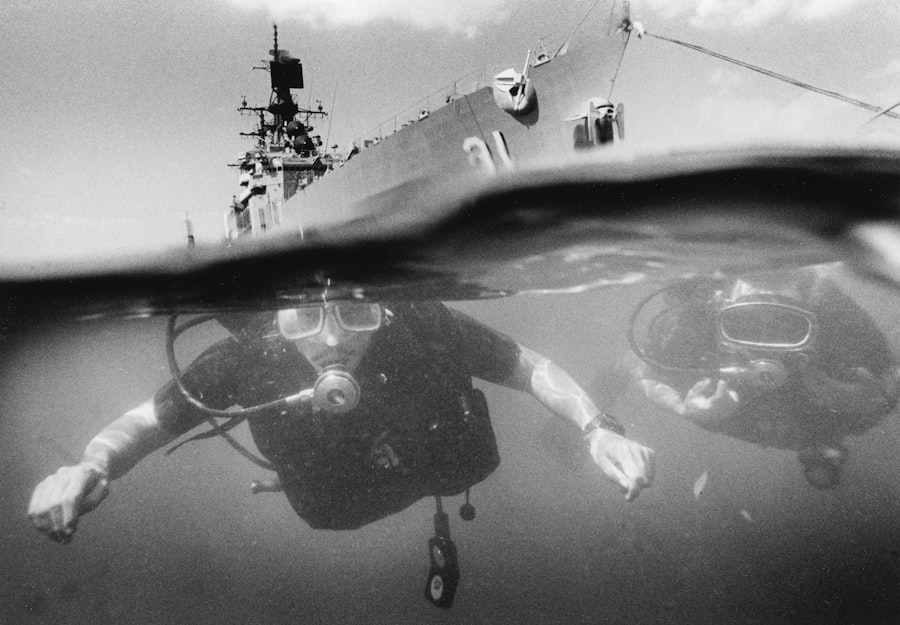
The Cold War era witnessed remarkable advancements in submarine technology, driven by the urgent need for both superpowers to maintain their strategic advantages. Innovations in propulsion systems, sonar technology, and weaponry transformed submarines into formidable platforms for both offensive and defensive operations. Nuclear propulsion allowed submarines to remain submerged for extended periods, significantly enhancing their operational range and endurance.
This technological leap not only increased their effectiveness but also changed naval tactics, as submarines could now operate far from their home ports without the need for frequent refueling. Moreover, advancements in sonar technology revolutionized underwater warfare. The development of sophisticated sonar systems enabled submarines to detect enemy vessels at greater distances while minimizing their own acoustic signatures.
This stealth capability was crucial for both offensive missions and defensive postures, as it allowed submarines to evade detection while tracking adversaries. Additionally, improvements in missile technology led to the creation of more accurate and powerful weapons systems that could be launched from submarines, further enhancing their role as strategic deterrents. As both superpowers raced to outdo each other technologically, submarine warfare became a high-stakes arena where innovation was paramount.
The Cuban Missile Crisis and Submarine Warfare
The Cuban Missile Crisis of 1962 marked a pivotal moment in Cold War history and underscored the critical role of submarines in global security dynamics. During this tense standoff between the United States and the Soviet Union, submarines were at the forefront of military strategy on both sides. The crisis began when U.S. intelligence discovered Soviet missile installations in Cuba, prompting fears of an imminent nuclear threat just 90 miles from American shores. In response, President John F. Kennedy ordered a naval blockade to prevent further shipments of military equipment to Cuba, heightening tensions and bringing both nations to the brink of war. Submarines played a dual role during this crisis: they served as platforms for intelligence gathering while also acting as potential launch sites for nuclear weapons. The U.S. Navy deployed several submarines to monitor Soviet activities around Cuba, gathering crucial information that informed decision-making at the highest levels of government. Meanwhile, Soviet submarines were positioned near Cuba, ready to respond if hostilities escalated. The presence of these underwater vessels added an additional layer of complexity to an already volatile situation, illustrating how submarine warfare had become intertwined with broader geopolitical strategies during the Cold War.
The Role of Submarines in Intelligence Gathering during the Cold War
| Metric | Details | Significance |
|---|---|---|
| Number of Nuclear Submarines (USSR) | Approximately 250 by late 1980s | Demonstrated Soviet naval power and second-strike capability |
| Number of Nuclear Submarines (USA) | Approximately 100 by late 1980s | Maintained strategic deterrence and global naval presence |
| First Nuclear-Powered Submarine | USS Nautilus (1954) | Revolutionized submarine endurance and stealth |
| Notable Incident | K-19 Reactor Accident (1961) | Highlighted risks of nuclear propulsion in submarines |
| Submarine Classes | US: Los Angeles, Ohio; USSR: Typhoon, Delta | Key platforms for ballistic missile deployment |
| Estimated Submarine Patrol Hours (US Navy) | Over 100,000 hours annually in 1980s | Indicated high operational tempo and surveillance |
| Primary Submarine Roles | Strategic deterrence, intelligence gathering, anti-submarine warfare | Core to Cold War naval strategy |
Throughout the Cold War, submarines emerged as vital assets for intelligence gathering and reconnaissance missions. Their ability to operate covertly beneath the surface made them ideal platforms for monitoring enemy activities without detection. Both superpowers utilized submarines to collect intelligence on each other’s naval capabilities, troop movements, and strategic intentions.
This intelligence-gathering function was essential for informing military strategies and shaping diplomatic negotiations during a period marked by uncertainty and mistrust. The use of submarines for intelligence purposes extended beyond mere surveillance; they also played a role in electronic warfare and signals intelligence (SIGINT). Advanced technology allowed submarines to intercept communications and gather data on enemy operations from afar.
This capability provided valuable insights into adversarial strategies and intentions, enabling military planners to make informed decisions based on real-time information. As tensions fluctuated throughout the Cold War, submarines became indispensable tools for maintaining situational awareness and ensuring national security.
The Use of Submarines in Nuclear Deterrence Strategies
Submarines were integral to nuclear deterrence strategies during the Cold War, serving as a cornerstone of both American and Soviet military doctrines. The concept of mutually assured destruction (MAD) hinged on the ability of each superpower to respond decisively to any nuclear attack with overwhelming force. Submarines equipped with nuclear missiles provided a second-strike capability that ensured neither side could launch a successful first strike without facing devastating retaliation.
This balance of power was crucial in preventing direct conflict between the two nations. The deployment of SSBNs allowed both superpowers to maintain a credible deterrent posture while minimizing vulnerability to surprise attacks. By keeping these submarines hidden beneath the ocean’s surface, they could remain undetected while ready to launch their missiles if necessary.
This strategic advantage contributed to stability during a period characterized by high tensions and frequent crises. The presence of these underwater deterrents helped to reinforce diplomatic negotiations and dissuade aggressive actions by either side, illustrating how submarine warfare played a pivotal role in maintaining peace during an era fraught with potential conflict.
The Impact of Submarine Warfare on Cold War Diplomacy
The development and deployment of submarines had profound implications for Cold War diplomacy, shaping interactions between the superpowers in ways that extended beyond military considerations. As both nations expanded their submarine fleets and advanced their technologies, they engaged in a complex dance of diplomacy that involved arms control negotiations and confidence-building measures aimed at reducing tensions. The presence of nuclear-armed submarines added urgency to these discussions, as leaders recognized that miscalculations could lead to catastrophic consequences.
Arms control agreements such as the Strategic Arms Limitation Talks (SALT) were influenced by the realities of submarine warfare. These negotiations sought to establish limits on nuclear arsenals and prevent an escalation of hostilities driven by technological advancements in submarine capabilities. By addressing concerns related to submarine-launched ballistic missiles (SLBMs) and other naval systems, diplomats aimed to create frameworks that would enhance stability and reduce the risk of accidental conflict.
Thus, submarine warfare not only shaped military strategies but also played a crucial role in diplomatic efforts aimed at managing competition between superpowers.
The Evolution of Submarine Tactics and Strategies during the Cold War
As submarine technology advanced throughout the Cold War, so too did tactics and strategies employed by both superpowers. The need for stealth became paramount as submarines evolved into sophisticated platforms capable of executing complex missions without detection. Tactics shifted from traditional surface engagements to covert operations that emphasized evasion and surprise attacks against enemy vessels or installations.
This evolution reflected broader changes in naval warfare as both sides adapted to new technologies and operational realities. The introduction of advanced sonar systems necessitated changes in tactics as well; submarines had to employ countermeasures to avoid detection while still fulfilling their missions. This led to innovative strategies such as “silent running,” where submarines would minimize noise production to evade enemy sonar systems effectively.
Additionally, training programs evolved to prepare crews for these new tactics, emphasizing adaptability and proficiency in operating advanced technologies under challenging conditions. As both superpowers refined their approaches to submarine warfare, they engaged in an ongoing cycle of adaptation that shaped naval operations throughout the Cold War.
The Legacy of Submarine Warfare in the Post-Cold War Era
The legacy of submarine warfare during the Cold War continues to influence contemporary military strategies and international relations today. As nations navigate an increasingly complex security environment characterized by emerging threats such as cyber warfare and regional conflicts, lessons learned from Cold War submarine operations remain relevant. The emphasis on stealth, deterrence capabilities, and intelligence gathering established during this period has shaped modern naval doctrines across various countries.
Moreover, advancements made during the Cold War laid the groundwork for ongoing developments in submarine technology. Modern submarines incorporate cutting-edge systems that enhance their operational capabilities while addressing contemporary challenges such as anti-submarine warfare (ASW) threats posed by advanced detection technologies employed by rival nations. As nations invest in their submarine fleets today, they draw upon historical experiences from the Cold War era while adapting strategies to meet evolving geopolitical realities.
The Environmental Impact of Cold War Submarine Warfare
While submarine warfare during the Cold War was primarily viewed through a military lens, it also had significant environmental implications that warrant consideration today. The construction and operation of nuclear-powered submarines raised concerns about potential ecological consequences associated with nuclear waste disposal and accidents at sea. Instances such as sunken submarines carrying nuclear materials highlighted risks posed not only to human safety but also to marine ecosystems.
Additionally, noise pollution generated by submarine operations has been shown to impact marine life adversely. Increased underwater noise levels can disrupt communication patterns among marine species and interfere with their natural behaviors, leading to long-term ecological consequences that are still being studied today. As awareness grows regarding environmental sustainability within military operations, lessons learned from Cold War submarine warfare can inform contemporary practices aimed at minimizing ecological footprints while maintaining national security objectives.
The Future of Submarine Warfare in the 21st Century
Looking ahead into the 21st century, submarine warfare is poised for continued evolution as technological advancements reshape naval capabilities once again. Emerging technologies such as artificial intelligence (AI), unmanned underwater vehicles (UUVs), and advanced sensor systems are set to redefine how nations approach underwater operations. These innovations promise enhanced situational awareness while enabling more effective responses to evolving threats posed by state actors or non-state entities alike.
As nations adapt their naval strategies accordingly—whether through increased investment in submarine fleets or collaborative efforts aimed at addressing shared security concerns—the future landscape of submarine warfare will likely reflect these changing realities while drawing upon historical lessons learned throughout previous eras like the Cold War. In conclusion, submarine warfare has played an integral role throughout history—particularly during pivotal moments such as the Cold War—shaping military strategies while influencing diplomatic relations between nations across generations.
As we move forward into an uncertain future characterized by rapid technological change coupled with evolving geopolitical landscapes—understanding this legacy will be essential for navigating challenges ahead while ensuring peace remains paramount amidst competing interests on land and sea alike.
Submarine warfare played a crucial role during the Cold War, as both the United States and the Soviet Union sought to gain an advantage beneath the waves. The strategic importance of submarines, particularly nuclear-powered ones, transformed naval tactics and led to an intense arms race. For a deeper understanding of this pivotal aspect of Cold War history, you can read more in the article available at this link.
FAQs
What was the role of submarine warfare during the Cold War?
Submarine warfare played a critical role in the Cold War as a key component of nuclear deterrence and intelligence gathering. Both the United States and the Soviet Union deployed nuclear-powered submarines equipped with ballistic missiles (SSBNs) to maintain a second-strike capability, ensuring mutual assured destruction in the event of a nuclear conflict.
Which countries were primarily involved in submarine warfare during the Cold War?
The primary countries involved in submarine warfare during the Cold War were the United States and the Soviet Union. Other NATO members and Warsaw Pact countries also operated submarines, but the US and USSR led the development and deployment of advanced nuclear-powered submarines and ballistic missile submarines.
What types of submarines were used in Cold War submarine warfare?
The main types of submarines used during the Cold War were nuclear-powered ballistic missile submarines (SSBNs), nuclear-powered attack submarines (SSNs), and diesel-electric submarines. SSBNs carried nuclear missiles for strategic deterrence, while SSNs were used for hunting enemy submarines and surface ships, intelligence gathering, and special operations.
How did submarine technology evolve during the Cold War?
Submarine technology advanced significantly during the Cold War, including the development of nuclear propulsion, which allowed submarines to operate underwater for extended periods without surfacing. Improvements were also made in sonar systems, stealth technology, missile guidance, and underwater communication, enhancing the effectiveness and survivability of submarines.
What was the significance of the Cuban Missile Crisis in submarine warfare?
The Cuban Missile Crisis in 1962 highlighted the strategic importance of submarines. Soviet submarines armed with nuclear torpedoes were deployed near Cuba, and US Navy forces tracked and attempted to force them to surface. The crisis underscored the risks of submarine confrontations escalating into nuclear war and led to improved communication and protocols between the superpowers.
Did submarine warfare during the Cold War involve direct combat?
Direct combat between submarines of the superpowers was rare during the Cold War, as both sides sought to avoid escalation into full-scale war. However, there were numerous close encounters, intelligence-gathering missions, and covert operations involving submarines, including tracking and tailing enemy vessels.
How did submarine warfare impact Cold War naval strategy?
Submarine warfare was central to naval strategy during the Cold War, emphasizing stealth, deterrence, and intelligence. The deployment of SSBNs ensured a credible nuclear deterrent, while attack submarines protected these assets and sought to neutralize enemy submarines. Control of the seas and underwater domains was a critical aspect of the broader geopolitical competition.
What ended the era of intense submarine rivalry in the Cold War?
The end of the Cold War in the early 1990s, marked by the dissolution of the Soviet Union, significantly reduced the intensity of submarine rivalry. Arms control agreements, such as the Strategic Arms Reduction Treaty (START), and improved diplomatic relations led to reductions in submarine fleets and a shift in naval priorities.