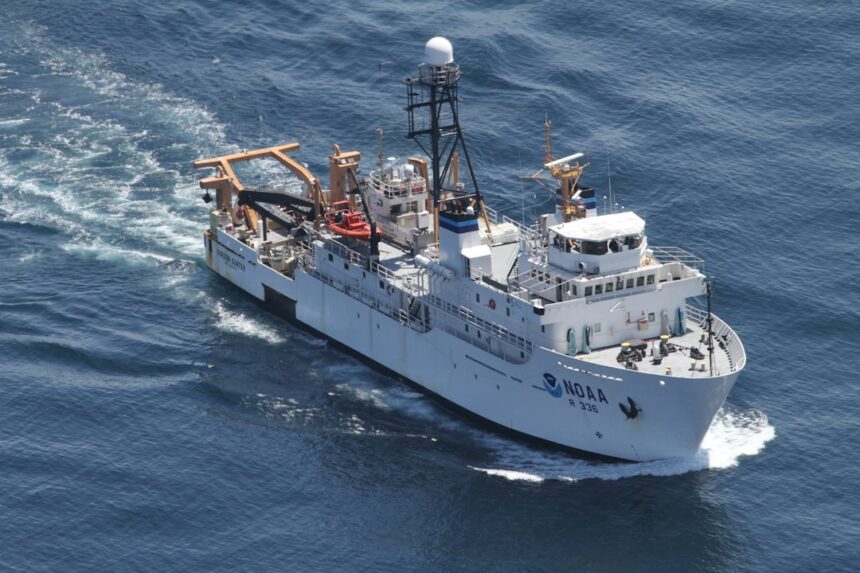
The Central Intelligence Agency (CIA) has long been synonymous with covert operations and clandestine activities, but one of its most intriguing domains remains largely submerged beneath the waves: deep sea operations. These missions, often shrouded in secrecy, involve a range of activities from intelligence gathering to sabotage, all conducted in the depths of the ocean. The CIA’s deep sea operations are not merely an extension of its terrestrial activities; they represent a unique intersection of technology, strategy, and the ever-evolving landscape of global security.
As nations increasingly recognize the strategic importance of maritime domains, the CIA’s underwater endeavors have become a critical component of its intelligence apparatus. Deep sea operations encompass a variety of missions that leverage the vast and often uncharted territories of the ocean. The agency’s involvement in these operations reflects a broader understanding of the importance of maritime intelligence in contemporary geopolitics.
From monitoring adversaries to securing vital undersea resources, the CIA’s activities beneath the surface are as complex as they are essential. This article delves into the history, technology, and implications of the CIA’s deep sea operations, shedding light on a facet of intelligence work that remains largely hidden from public view.
Key Takeaways
- The CIA has a long history of conducting covert deep sea operations using submarines and underwater drones.
- Submarines play a critical role in intelligence gathering and secret missions beneath the ocean surface.
- Deep sea operations are vital for national security but present significant environmental and technical challenges.
- Ethical, legal, and geopolitical implications arise from the CIA’s underwater activities, affecting international relations.
- Advancements in technology will shape the future scope and capabilities of the CIA’s deep sea intelligence efforts.
History of the CIA’s Involvement in Deep Sea Operations
The history of the CIA’s involvement in deep sea operations can be traced back to the early years of the Cold War when the agency recognized the strategic significance of underwater capabilities. During this period, the United States and the Soviet Union were engaged in an intense rivalry that extended beyond land and air into the depths of the oceans. The CIA began to explore ways to gather intelligence on Soviet naval movements and capabilities, leading to the development of various underwater technologies and methodologies.
One notable early operation was Project Azorian, which aimed to recover a sunken Soviet submarine from the Pacific Ocean in the 1970s. This ambitious endeavor involved the construction of a specialized ship, Hughes Glomar Explorer, designed to lift the submarine from its resting place on the ocean floor. Although the operation was ultimately only partially successful, it highlighted the lengths to which the CIA would go to obtain critical intelligence and demonstrated the potential for deep sea operations to influence geopolitical dynamics.
The Role of Submarines in CIA Operations

Submarines have played a pivotal role in the CIA’s deep sea operations, serving as both platforms for intelligence gathering and tools for covert action. The stealthy nature of submarines allows them to operate undetected in enemy waters, making them ideal for surveillance missions. Equipped with advanced sensors and communication systems, these vessels can collect valuable data on naval activities, monitor communications, and even conduct clandestine landings.
Moreover, submarines have been instrumental in supporting other intelligence operations. For instance, they can serve as launch platforms for special forces or provide logistical support for missions that require a discreet approach. The ability to remain submerged for extended periods allows submarines to gather intelligence over time without raising suspicion.
This capability has proven invaluable in various conflicts and has solidified submarines as a cornerstone of the CIA’s deep sea operational strategy.
The Use of Underwater Drones and Vehicles in CIA Missions
In recent years, advancements in technology have led to the increased use of underwater drones and remotely operated vehicles (ROVs) in CIA missions. These unmanned systems offer several advantages over traditional manned submarines, including reduced operational costs and enhanced safety for personnel. Underwater drones can be deployed for reconnaissance missions, allowing for real-time data collection without risking human lives.
The versatility of these vehicles enables them to perform a wide range of tasks, from mapping underwater terrain to conducting surveillance on enemy installations. Their ability to operate in challenging environments makes them particularly valuable for intelligence gathering in contested waters. As technology continues to evolve, it is likely that the CIA will increasingly rely on these advanced systems to enhance its deep sea operational capabilities.
The Importance of Deep Sea Operations for Intelligence Gathering
| Operation Name | Year | Objective | Location | Outcome | Notable Equipment Used |
|---|---|---|---|---|---|
| Project Azorian | 1974 | Recovery of Soviet submarine K-129 | North Pacific Ocean | Partial recovery of submarine | Glomar Explorer, Deep-sea mining vessel |
| Operation Ivy Bells | 1970s | Undersea wiretapping of Soviet communication cables | Bering Sea | Successful installation and data collection | Submersibles, divers, underwater tapping devices |
| Project Jennifer | 1974 | Covert recovery of sunken Soviet submarine | Pacific Ocean | Recovered parts of submarine | Glomar Explorer, Deep-sea recovery tools |
| Operation Sand Dollar | 1960s | Testing deep-sea reconnaissance technology | Atlantic Ocean | Development of underwater surveillance tech | Submersibles, sonar equipment |
Deep sea operations are crucial for intelligence gathering due to the strategic significance of maritime domains in contemporary geopolitics.
As nations vie for control over these resources and shipping lanes, understanding adversaries’ capabilities and intentions becomes paramount.
The CIA’s deep sea operations provide critical insights into naval developments and potential threats posed by rival nations. By monitoring naval exercises, tracking submarine movements, and gathering intelligence on maritime infrastructure, the agency can inform policymakers and military leaders about emerging challenges. This intelligence is essential for shaping national security strategies and ensuring that the United States maintains its competitive edge in an increasingly complex global landscape.
The Challenges of Operating in the Deep Sea Environment
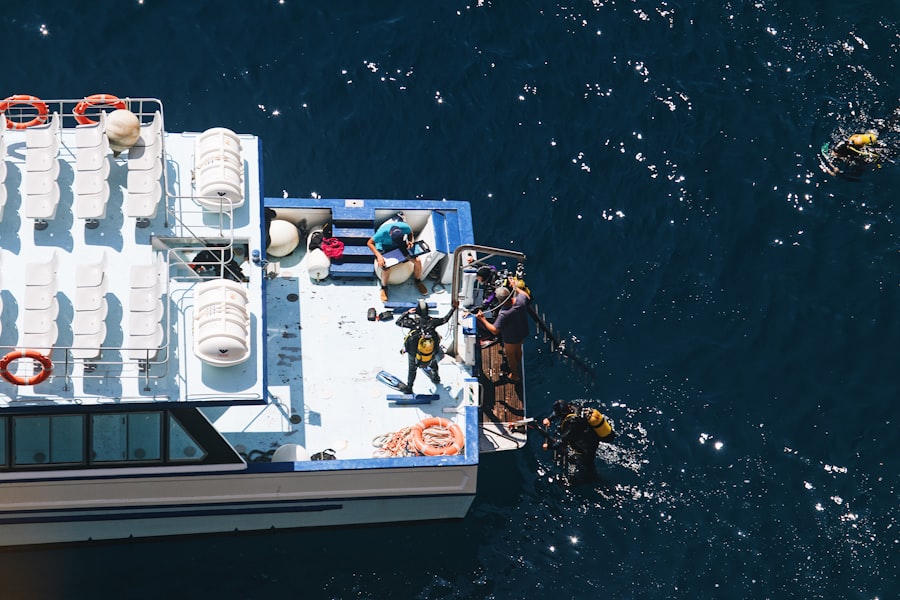
Operating in the deep sea environment presents numerous challenges that can complicate intelligence missions. The extreme conditions found at great depths—such as high pressure, low temperatures, and limited visibility—pose significant obstacles for both manned and unmanned systems. These factors can affect equipment performance and limit operational capabilities.
Additionally, navigating underwater terrain can be fraught with difficulties. The ocean floor is often characterized by rugged topography, which can hinder reconnaissance efforts and complicate mission planning.
The Connection between Deep Sea Operations and National Security
The connection between deep sea operations and national security is profound and multifaceted. As global tensions rise and competition for maritime resources intensifies, nations increasingly recognize that control over oceanic territories is vital for their security interests. The CIA’s deep sea operations play a crucial role in safeguarding these interests by providing timely intelligence on potential threats.
Moreover, these operations contribute to broader national security objectives by enhancing situational awareness in contested regions. By monitoring adversaries’ naval capabilities and movements, the CIA helps inform military strategies and diplomatic efforts aimed at maintaining stability in critical maritime areas. In this way, deep sea operations serve as a vital component of a comprehensive national security framework.
The Future of CIA’s Deep Sea Operations
Looking ahead, the future of the CIA’s deep sea operations is likely to be shaped by several key trends. First and foremost is the rapid advancement of technology, which will continue to enhance operational capabilities. Innovations in artificial intelligence, machine learning, and autonomous systems are expected to revolutionize underwater reconnaissance and surveillance efforts.
Additionally, as geopolitical tensions evolve, so too will the focus of deep sea operations. The rise of new maritime powers and shifting alliances may necessitate a reevaluation of priorities within the agency’s operational framework. Furthermore, climate change poses new challenges and opportunities for intelligence gathering in marine environments, as melting ice caps open up previously inaccessible areas.
The Ethical and Legal Implications of CIA’s Deep Sea Activities
The ethical and legal implications surrounding the CIA’s deep sea activities are complex and often contentious. As with any covert operation, questions arise regarding accountability, transparency, and adherence to international law. The clandestine nature of these missions can lead to concerns about potential violations of sovereignty or environmental regulations.
Moreover, as technology advances, ethical dilemmas related to autonomous systems and surveillance capabilities will become increasingly prominent. The use of underwater drones raises questions about privacy rights and the potential for misuse in both military and civilian contexts. Navigating these ethical considerations will be essential for ensuring that deep sea operations align with broader societal values and legal frameworks.
The Impact of Deep Sea Operations on Geopolitical Relations
The impact of deep sea operations on geopolitical relations cannot be overstated. As nations engage in strategic competition over maritime resources and territorial claims, intelligence gathered through deep sea operations can influence diplomatic negotiations and military posturing. The information obtained by the CIA can provide leverage in discussions with allies or adversaries alike.
Furthermore, revelations about covert operations can strain international relations if they come to light. Accusations of espionage or violations of territorial waters can lead to diplomatic fallout or even military confrontations. Thus, while deep sea operations serve vital national security interests, they also carry inherent risks that must be carefully managed within the context of global diplomacy.
The Significance of Uncovering CIA’s Deep Sea Operations
In conclusion, uncovering the intricacies of the CIA’s deep sea operations reveals a critical aspect of modern intelligence work that is often overlooked. These missions are not only essential for gathering intelligence but also play a significant role in shaping national security strategies amid evolving geopolitical landscapes. As technology continues to advance and global tensions rise, understanding the implications of these underwater endeavors becomes increasingly important.
The significance of deep sea operations extends beyond mere intelligence gathering; they reflect broader themes of power dynamics, resource competition, and ethical considerations in an interconnected world. As nations navigate these complexities, the role of agencies like the CIA will remain pivotal in ensuring that national interests are safeguarded beneath the waves—a realm where much remains hidden yet holds profound implications for global stability.
The CIA has long been involved in various covert operations, including those conducted in deep sea environments. A fascinating article that delves into the intricacies of these operations can be found at this link. It explores the strategic importance of underwater missions and the technologies employed by the agency to carry out its objectives beneath the waves.
FAQs
What are CIA deep sea operations?
CIA deep sea operations refer to covert activities conducted by the Central Intelligence Agency involving underwater environments. These operations may include intelligence gathering, surveillance, reconnaissance, and the deployment or recovery of equipment in deep ocean areas.
Why does the CIA conduct deep sea operations?
The CIA conducts deep sea operations to gather intelligence that cannot be obtained through conventional means, to monitor foreign naval activities, to recover sensitive materials, and to support national security objectives in maritime domains.
What kind of technology is used in CIA deep sea operations?
The CIA utilizes advanced underwater technology such as submersibles, remotely operated vehicles (ROVs), sonar systems, underwater sensors, and specialized diving equipment to carry out deep sea missions.
Are CIA deep sea operations publicly acknowledged?
Most CIA deep sea operations are classified and not publicly acknowledged due to their sensitive nature. However, some historical operations have been declassified or revealed through investigative reporting.
How do CIA deep sea operations differ from those of the Navy?
While both the CIA and the Navy may operate underwater, CIA deep sea operations are typically focused on intelligence collection and covert activities, whereas the Navy’s operations are primarily military and defense-oriented.
Have there been any notable CIA deep sea operations in history?
Yes, one of the most famous examples is the CIA’s Project Azorian in the 1970s, which involved the recovery of a sunken Soviet submarine from the Pacific Ocean floor.
What challenges are associated with deep sea operations?
Challenges include extreme pressure, low temperatures, limited visibility, technical difficulties in operating equipment at great depths, and the need for secrecy and security during missions.
How does the CIA ensure the secrecy of its deep sea operations?
The CIA employs strict operational security measures, compartmentalization of information, use of cover stories, and advanced encryption and communication protocols to maintain secrecy.
Can the public access information about CIA deep sea operations?
Information about CIA deep sea operations is generally classified. Some details may become available through declassified documents, freedom of information requests, or authorized disclosures, but most specifics remain confidential.
What is the strategic importance of deep sea operations for intelligence agencies?
Deep sea operations allow intelligence agencies to monitor undersea cables, track submarine movements, recover lost technology, and gather critical information that supports national security and geopolitical strategies.