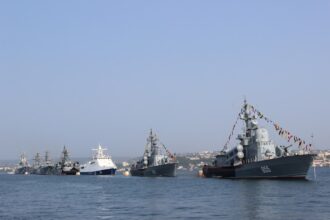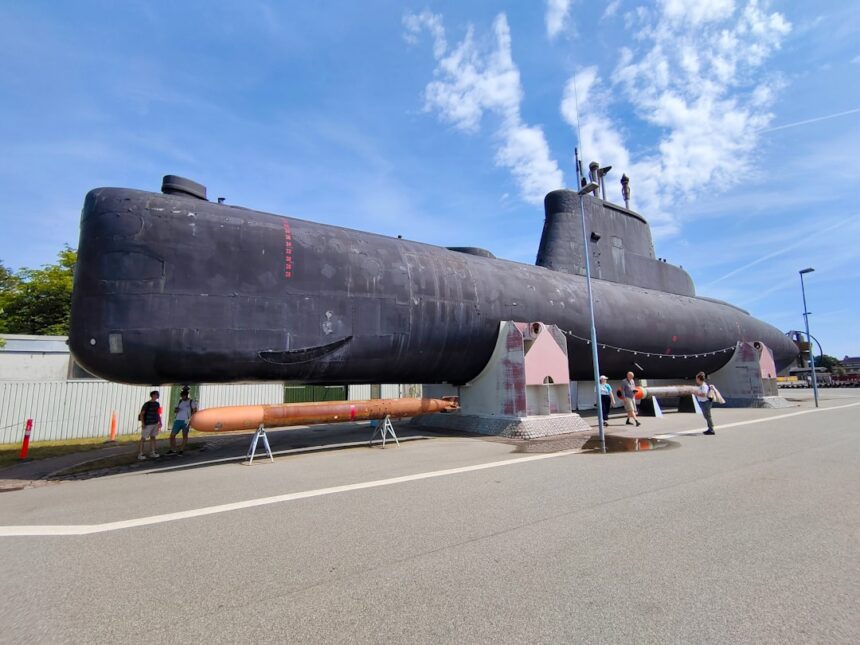
Submarine detection technology serves as a fundamental element of contemporary naval warfare and maritime security operations. As global military forces expand their naval capabilities, the capacity to identify and monitor submarine movements has become increasingly vital for strategic defense. Modern submarines incorporate sophisticated stealth technologies that present substantial obstacles to conventional detection methodologies.
The development of submarine detection systems represents a continuous technological competition between submarine concealment capabilities and the countermeasures engineered to overcome them. This analysis examines the historical progression, technological developments, and emerging trends in submarine detection, emphasizing their significance for national defense strategies. The strategic value of submarine detection technology is paramount in modern naval operations.
Submarines maintain the capability to operate beneath the surface for prolonged durations, establishing them as powerful instruments in maritime military campaigns. Their capacity to execute covert attacks or conduct reconnaissance missions while remaining undetected creates distinct security challenges for naval forces. As a result, military organizations have implemented diverse detection methodologies, including sonar technologies and satellite monitoring systems, to maintain effective surveillance of subsurface activities.
Comprehending the development and current capabilities of these detection systems is essential for understanding their function in modern military doctrine.
Key Takeaways
- Submarine detection technology has evolved from basic sonar to advanced multi-sensor systems integrating acoustic, magnetic, and satellite data.
- Sonar remains a cornerstone technology, enhanced by sophisticated acoustic signal processing for improved detection accuracy.
- Unmanned underwater vehicles (UUVs) and satellite technology are increasingly vital for expanding surveillance coverage and real-time monitoring.
- Despite technological progress, challenges such as stealth capabilities and environmental factors continue to limit detection effectiveness.
- Future innovations promise enhanced national security through more precise, integrated, and autonomous submarine detection systems.
Historical Development of Submarine Detection Technology
The history of submarine detection technology is a tale of innovation driven by necessity. The advent of submarines in the early 20th century prompted naval powers to seek ways to counter this new threat. During World War I, rudimentary methods such as visual spotting and rudimentary sound detection were employed, but these proved largely ineffective against the stealthy nature of submarines.
As the technology evolved, so too did the methods for detecting these underwater vessels. World War II marked a significant turning point in submarine detection technology.
Sonar systems allowed for the detection of submarines by emitting sound waves and analyzing the echoes that returned from underwater objects. This technology not only improved detection rates but also provided valuable information about the submarine’s location and movement. The post-war era saw further advancements, with the development of more sophisticated sonar systems and the integration of radar technology, which enhanced overall maritime surveillance capabilities.
Sonar Technology and its Role in Submarine Detection
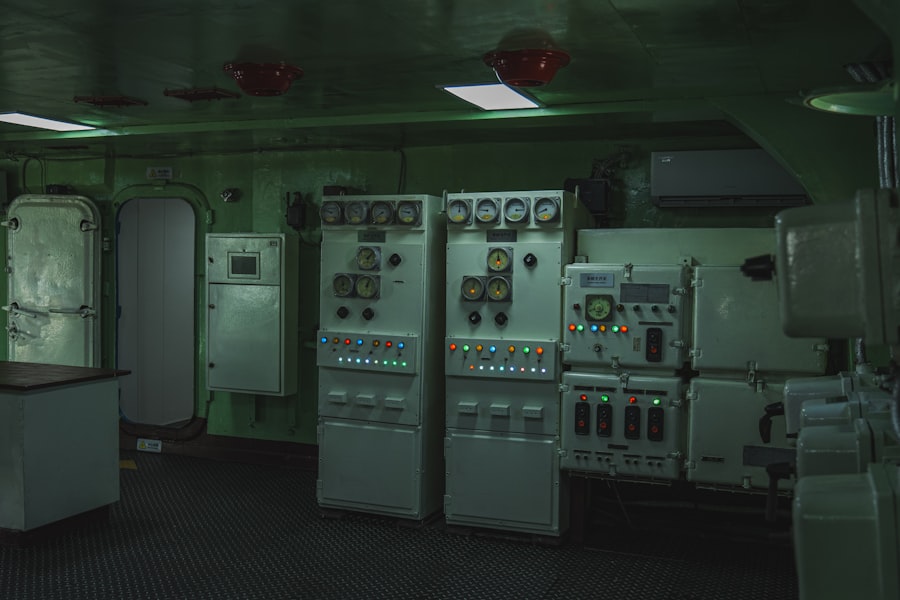
Sonar technology remains at the forefront of submarine detection efforts. It operates on the principle of sound wave propagation in water, utilizing both active and passive systems. Active sonar involves emitting sound pulses and listening for their echoes, while passive sonar relies on detecting sounds emitted by submarines themselves, such as engine noise or propeller cavitation.
Each method has its advantages and limitations, making them complementary in many naval operations. The effectiveness of sonar technology has been enhanced by advancements in signal processing and data analysis. Modern sonar systems can filter out background noise and focus on specific frequencies associated with submarine activity.
This capability allows for more accurate detection and tracking of submarines, even in challenging underwater environments. Additionally, the integration of artificial intelligence into sonar systems has further improved their efficiency, enabling real-time analysis and decision-making that can significantly enhance naval operations.
Advancements in Acoustic Signal Processing
The field of acoustic signal processing has seen remarkable advancements that have transformed submarine detection capabilities. These developments have focused on improving the clarity and accuracy of sonar data interpretation. Enhanced algorithms now allow for better discrimination between different types of underwater sounds, enabling operators to identify specific vessels or even classify them based on their acoustic signatures.
Moreover, machine learning techniques have been increasingly applied to acoustic signal processing. By training algorithms on vast datasets of underwater sounds, these systems can learn to recognize patterns associated with various submarines or marine life. This capability not only improves detection rates but also reduces false positives, allowing naval forces to allocate resources more effectively during operations.
As these technologies continue to evolve, they promise to further enhance the effectiveness of submarine detection efforts.
Use of Magnetic Anomaly Detection in Submarine Detection
| Technology | Detection Range | Detection Method | Typical Use | Advantages | Limitations |
|---|---|---|---|---|---|
| Passive Sonar | Up to 20 km | Listening for submarine noise | Submarine tracking and surveillance | Low power consumption, stealthy | Limited range, affected by ocean noise |
| Active Sonar | Up to 50 km | Emits sound pulses and listens for echoes | Submarine detection and classification | Longer range, precise location | Reveals own position, affected by water conditions |
| Magnetic Anomaly Detector (MAD) | Up to 1 km | Detects magnetic disturbances caused by submarines | Airborne submarine detection | Effective against stealthy submarines | Short detection range, requires close proximity |
| Underwater Acoustic Sensors (Hydrophones) | Varies, typically 10-30 km | Detects sound waves underwater | Fixed surveillance arrays | Continuous monitoring, wide area coverage | High installation cost, environmental noise interference |
| Lidar (Light Detection and Ranging) | Up to 5 km (in clear water) | Uses laser pulses to detect underwater objects | Shallow water submarine detection | High resolution imaging | Limited by water clarity and depth |
| Satellite Surveillance | Global coverage | Detects submarine wakes and disturbances on surface | Strategic monitoring | Wide area, persistent monitoring | Indirect detection, weather dependent |
In addition to sonar technology, magnetic anomaly detection (MAD) has emerged as a valuable tool in submarine detection. This method relies on detecting variations in the Earth’s magnetic field caused by large metallic objects, such as submarines. MAD systems are particularly effective at identifying submarines that are operating at or near the surface, where their magnetic signatures are more pronounced.
For instance, when used alongside sonar systems, MAD can provide an additional layer of information that enhances overall situational awareness. This multi-faceted approach allows naval forces to triangulate the position of submarines more accurately and respond more effectively to potential threats.
As MAD technology continues to advance, it is likely to play an increasingly prominent role in comprehensive submarine detection strategies.
Role of Unmanned Underwater Vehicles in Submarine Detection
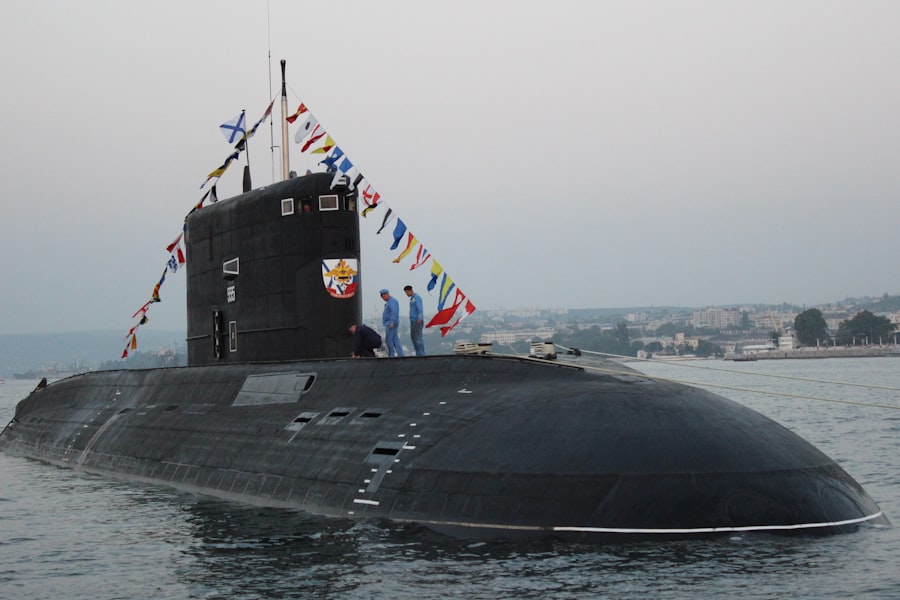
Unmanned underwater vehicles (UUVs) have revolutionized the landscape of submarine detection technology. These autonomous or remotely operated vehicles can be deployed for various missions, including reconnaissance and surveillance of underwater environments. Equipped with advanced sensors and imaging systems, UUVs can gather critical data about submarine activity without putting human operators at risk.
The versatility of UUVs allows them to operate in diverse environments, from shallow coastal waters to deep oceanic regions. Their ability to remain submerged for extended periods makes them ideal for covert operations aimed at detecting enemy submarines. Furthermore, UUVs can be integrated with other detection technologies, such as sonar and MAD systems, creating a comprehensive network for monitoring underwater activities.
As UUV technology continues to advance, their role in submarine detection is expected to expand significantly.
Integration of Satellite Technology in Submarine Detection
The integration of satellite technology into submarine detection efforts has added a new dimension to maritime surveillance capabilities. Satellites equipped with advanced imaging sensors can monitor surface activities and detect changes that may indicate submarine movements or deployments. This overhead perspective complements traditional underwater detection methods by providing a broader situational awareness.
Satellite technology also enables real-time data sharing among allied nations, enhancing collaborative efforts in submarine detection and tracking. By combining satellite imagery with other intelligence sources, naval forces can create a comprehensive picture of potential threats in maritime environments. As satellite technology continues to evolve, its role in submarine detection is likely to become even more critical, particularly in an era where global maritime security is increasingly interconnected.
Advancements in Undersea Surveillance Systems
Undersea surveillance systems have undergone significant advancements over recent years, driven by the need for enhanced maritime security and effective submarine detection capabilities. These systems encompass a range of technologies designed to monitor underwater environments continuously. Innovations such as distributed sensor networks allow for real-time data collection from multiple sources, providing a comprehensive view of underwater activities.
The development of advanced underwater communication systems has also played a crucial role in improving undersea surveillance capabilities. These systems enable seamless data transmission between sensors deployed on the ocean floor and command centers on land or at sea. By facilitating rapid information sharing, naval forces can respond more effectively to potential threats posed by submarines or other underwater activities.
Challenges and Limitations in Submarine Detection Technology
Despite significant advancements in submarine detection technology, several challenges and limitations persist. One major challenge is the inherent difficulty of detecting submarines operating at great depths or using advanced stealth technologies designed to minimize their acoustic signatures. As submarines become increasingly sophisticated, traditional detection methods may struggle to keep pace.
Additionally, environmental factors such as ocean currents, temperature variations, and background noise can complicate detection efforts. These factors can obscure signals or create false positives that hinder accurate identification of submarines. Furthermore, the sheer size of oceanic environments presents logistical challenges for deploying and maintaining detection systems effectively.
Future Trends and Innovations in Submarine Detection
Looking ahead, several trends and innovations are poised to shape the future of submarine detection technology. One notable trend is the increasing reliance on artificial intelligence and machine learning algorithms for data analysis and decision-making processes. As these technologies continue to mature, they will enable more efficient processing of vast amounts of data generated by various detection systems.
Another promising area is the development of hybrid systems that combine multiple detection methods into a cohesive framework. By integrating sonar, MAD, satellite surveillance, and UUVs into a unified system, naval forces can enhance their overall situational awareness and response capabilities. Additionally, advancements in quantum sensing technology may offer new avenues for detecting submarines with unprecedented accuracy.
Implications of Advanced Submarine Detection Technology for National Security
The implications of advanced submarine detection technology for national security are profound. As nations invest in these capabilities, the balance of power in maritime domains may shift significantly. Enhanced submarine detection technologies can deter potential adversaries from engaging in aggressive actions while providing nations with greater confidence in their ability to protect their maritime interests.
Moreover, improved submarine detection capabilities contribute to global stability by enabling nations to monitor potential threats more effectively. In an era where geopolitical tensions are on the rise, maintaining robust maritime security is essential for safeguarding national interests and ensuring safe passage through vital shipping lanes. As technological advancements continue to reshape the landscape of submarine detection, their impact on national security will remain a critical area of focus for policymakers and military strategists alike.
Submarine detection technology has become increasingly vital in modern naval warfare, as nations seek to enhance their underwater surveillance capabilities. A related article that delves into the advancements in this field can be found at this link. The article discusses various methods and technologies being developed to improve the detection of submarines, highlighting the strategic importance of these innovations in maintaining maritime security.
FAQs
What is submarine detection technology?
Submarine detection technology refers to the various methods and tools used to locate and track submarines underwater. These technologies are essential for naval defense and include sonar systems, magnetic anomaly detectors, and underwater surveillance networks.
How does sonar work in submarine detection?
Sonar (Sound Navigation and Ranging) works by emitting sound waves into the water and listening for echoes that bounce off objects such as submarines. Active sonar sends out pulses and listens for returns, while passive sonar listens for sounds made by submarines.
What types of sonar are used for detecting submarines?
There are two main types of sonar used: active sonar, which emits sound pulses and detects their reflections, and passive sonar, which listens for noises produced by submarines. Both types are used in combination to improve detection accuracy.
Can submarines be detected using magnetic anomaly detectors?
Yes, magnetic anomaly detectors (MAD) can detect disturbances in the Earth’s magnetic field caused by the metal hulls of submarines. MAD is often used by aircraft flying over the ocean to locate submerged submarines.
What role do underwater surveillance networks play in submarine detection?
Underwater surveillance networks, such as the SOSUS (Sound Surveillance System), consist of arrays of hydrophones placed on the ocean floor to continuously monitor underwater sounds. These networks help detect and track submarines over large areas.
Are there any limitations to submarine detection technology?
Yes, submarine detection technologies can be limited by factors such as ocean depth, water temperature, salinity, and background noise. Submarines also use stealth technologies to reduce their acoustic and magnetic signatures, making detection more challenging.
How has submarine detection technology evolved over time?
Submarine detection technology has evolved from simple passive listening devices to sophisticated multi-sensor systems integrating sonar, magnetic, and radar technologies. Advances in signal processing and artificial intelligence have also improved detection capabilities.
Is satellite technology used in submarine detection?
While satellites cannot directly detect submerged submarines, they can assist by monitoring surface activities, detecting wakes, or tracking support vessels. Some satellites also help in gathering oceanographic data that can improve sonar performance.
What is the importance of submarine detection technology in national security?
Submarine detection technology is crucial for national security as it helps prevent surprise attacks, protects naval assets, and maintains control over strategic maritime areas. It also supports anti-submarine warfare and maritime surveillance operations.
Can civilian organizations use submarine detection technology?
Generally, submarine detection technology is primarily used by military and defense organizations due to its strategic importance. However, some aspects, like underwater acoustic monitoring, may be used in scientific research and environmental monitoring.